Comparing Heating Options for Dadeville Homes

Choosing the right heating system for a home in Dadeville isn't as simple as picking what your neighbor has or what worked ten years ago. Homeowners often end up overpaying for systems that don't match their house, their usage habits, or their long-term budget, all because no one took the time to explain the options clearly. That's why comparing heating options for Dadeville homes deserves a real conversation. Gas furnaces, electric furnaces, heat pumps, and dual-fuel systems all behave differently, and each comes with trade-offs that affect comfort, energy bills, and maintenance costs.

Understanding how these systems perform locally can save you years of frustration and thousands of dollars. Let's walk through what actually works here, why it works, and how to choose a system that makes sense for your home.

Why Heating Choices Matter More Than You Think

Most people don't think about their heating system until it quits. That's normal. But here's the thing: your heater is one of the hardest-working pieces of equipment in your house. It runs early mornings, late nights, and every random cold snap Dadeville throws your way.

Choosing the wrong system can mean:

  • Higher monthly bills
  • Uneven temperatures
  • More breakdowns than you'd like to admit

Choosing the right one? That's quite comforting. That's sleeping through the night without layering blankets like a burrito.

The Most Common Heating Options in Dadeville Homes

Let's talk about what people actually use around here. 

Gas Furnaces: Old Reliable

Gas furnaces are like that pickup truck that keeps running. They heat fast, they're dependable, and they handle cold snaps like champs.

Pros

  • Strong, consistent heat
  • Lower operating cost if gas is available
  • Long lifespan

Cons

  • Requires a gas line
  • Higher upfront installation cost

If you like warm air that hits fast and doesn't mess around, this one's a solid choice.

Electric Furnaces: Simple and Straightforward

Electric furnaces don't get much love, but they're simple. Fewer moving parts and less drama.

Pros

  • Lower installation cost
  • No combustion or gas
  • Compact design

Cons

  • Higher electric bills
  • Slower heating compared to gas

They work best in smaller homes or places where gas isn't an option.

Heat Pumps: The Alabama Favorite

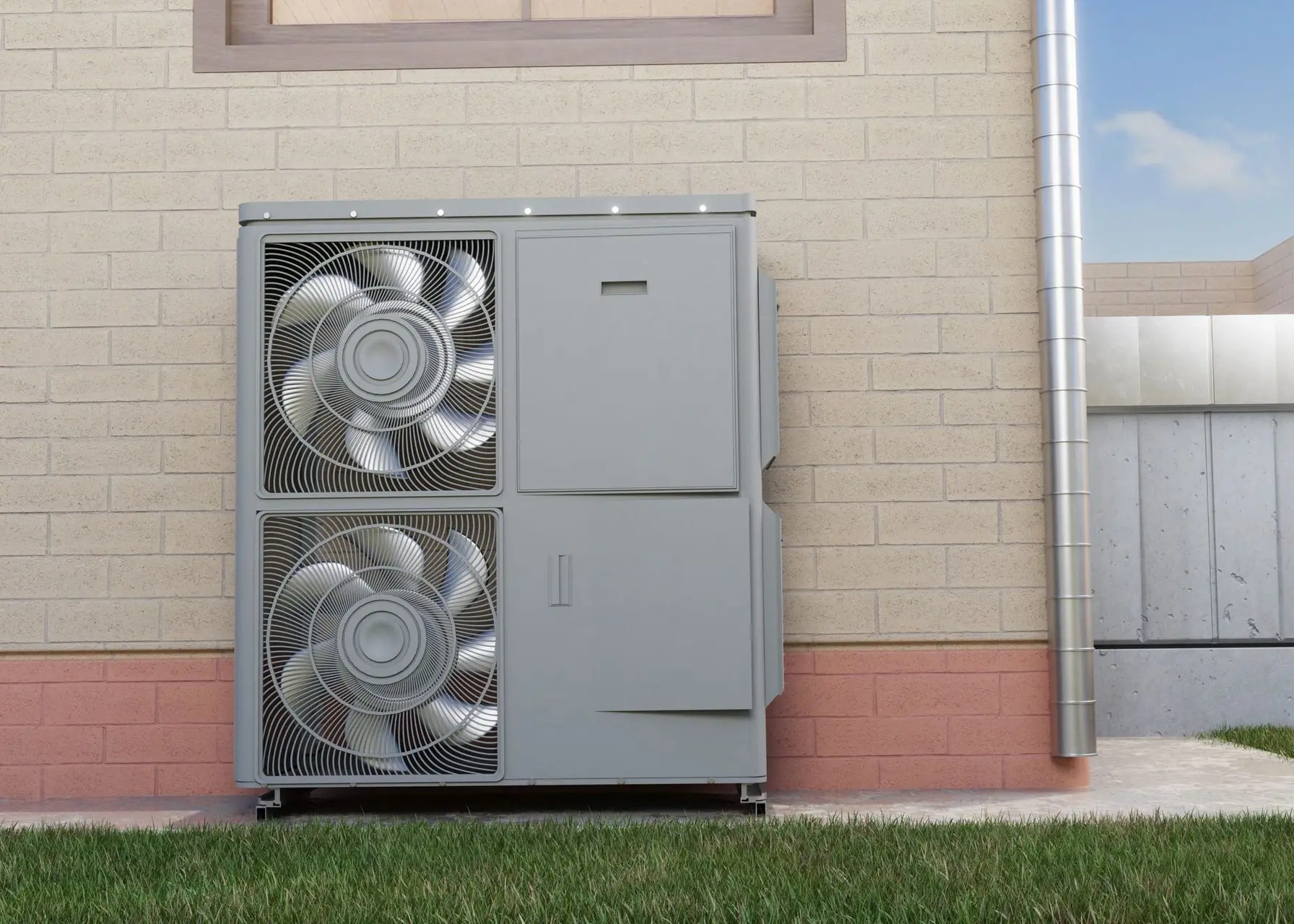
Heat pumps are incredibly popular around Dadeville for a reason. They heat and cool with one system.

Pros

  • Energy efficient
  • Works great in mild winters
  • One system does double duty

Cons

  • Less effective during extreme cold
  • May need auxiliary heat

For our climate, heat pumps are often the sweet spot between comfort and cost.

Dual Fuel Systems: Best of Both Worlds

This is where things get fancy. Dual fuel systems pair a heat pump with a gas furnace.

Why People Love Them

The system automatically switches based on outdoor temperature. You get efficiency when it's mild and power when it's cold.

It's not the cheapest option, but it's one of the smartest for long-term comfort.

What Chad's AC Direct Actually Recommends

There is no "best" heating system. There's only the best system for your home, budget, and lifestyle.

We've seen brand-new systems fail because they were oversized. We've seen older systems run beautifully because they were installed correctly.

That's why at Chad's AC Direct, we slow things down. We explain. We show written estimates. We itemize parts. We leave your house cleaner than we found it. Red carpet service isn't a slogan—it's how things should be.

If something breaks, you don't want a guessing game. You want straight answers and fast help. That's what we do in Montgomery and the surrounding areas.

Signs It's Time to Rethink Your Heating System

  • Uneven room temperatures
  • Rising energy bills
  • Strange noises or smells
  • Repairs stacking up

If your system is over 12–15 years old, it might be time to compare rather than patch.

Stop the Stress; Call Chad's AC Direct!

Heating isn't about machines. It's about waking up warm. It's about your kids not complaining. It's about not stressing every time the weather app shows blue numbers. Call now at 334-264-6464 to set up an immediate appointment and get real answers, not guesswork.

Frequently Asked Questions

1. What is the most energy-efficient heating option for Dadeville homes?

If you're focused on efficiency, heat pumps usually win hands down. They don't create heat the way a furnace does—they move it, which uses far less energy in our mild winters. That's why so many Dadeville homes rely on them year after year without shocking power bills. The key is having one sized and installed correctly, because even the best system struggles if it's set up wrong.

2. Are gas furnaces worth it in Dadeville?

They can be, especially if your home already has access to natural gas. Gas furnaces heat fast and feel strong when the temperature drops suddenly, which some homeowners really appreciate. The trade-off is a higher installation cost compared to electric options. For folks who value powerful, consistent heat, gas can still make a lot of sense.

3. How long does a typical heating system last?

Most systems don't fail overnight—they wear out slowly. On average, you're looking at 12 to 20 years, depending on how well it's been maintained. Regular tune-ups make a big difference because small issues get handled before they turn into expensive problems. Systems that are ignored tend to age faster, even if they were good equipment to begin with.

4. Is a heat pump enough during cold weather?

For most Dadeville winters, yes, a heat pump does just fine. When temperatures dip below usual, the system relies on auxiliary heat to help. It runs a little longer during those colder days, but comfort usually stays steady. That's why heat pumps are such a common choice in this region.

5. What heating system has the lowest monthly cost?

In most homes around Dadeville, heat pumps come out on top for monthly savings. They're designed to work efficiently instead of brute-forcing heat into your home. Gas furnaces can still be affordable depending on fuel prices, but they tend to cost more to run over time. Your insulation and thermostat habits also play a bigger role than most people realize.

6. Can I replace just my furnace and keep my AC?

Sometimes you can, but it's not always a simple yes-or-no. The furnace and AC have to communicate properly, or efficiency drops fast. If the systems are mismatched, you may end up paying more in energy bills without realizing why. A professional check ensures the replacement actually improves comfort rather than creating new problems.

7. How do I know what size heating system I need?

This is where many homeowners get steered wrong. Bigger systems don't heat better—they turn on and off too often and wear out faster. Proper sizing looks at your home's layout, insulation, and airflow, not just square footage. When the size is right, the system runs more smoothly and maintains more consistent temperatures.

8. Are electric furnaces bad for energy bills?

They're not "bad," but they aren't cheap to run either. Electric furnaces generate heat directly, which takes a lot of power, in smaller or well-insulated homes, that might be manageable. In larger homes, though, the monthly bill can climb quickly.

9. What is a dual fuel heating system?

A dual fuel system gives you flexibility without you having to think about it. It uses a heat pump most of the time for efficiency, then switches to a gas furnace when temperatures drop too low. The system decides automatically based on outdoor conditions. Homeowners like it because it balances comfort and long-term savings.

10. When should I upgrade instead of repairing my heater?

If you're calling for repairs every season, that's usually your sign. Older systems lose efficiency even when they still "work," quietly driving up bills. Once repair costs start stacking, replacement often becomes the smarter financial move. A professional inspection helps you know when you're fixing versus throwing money away.
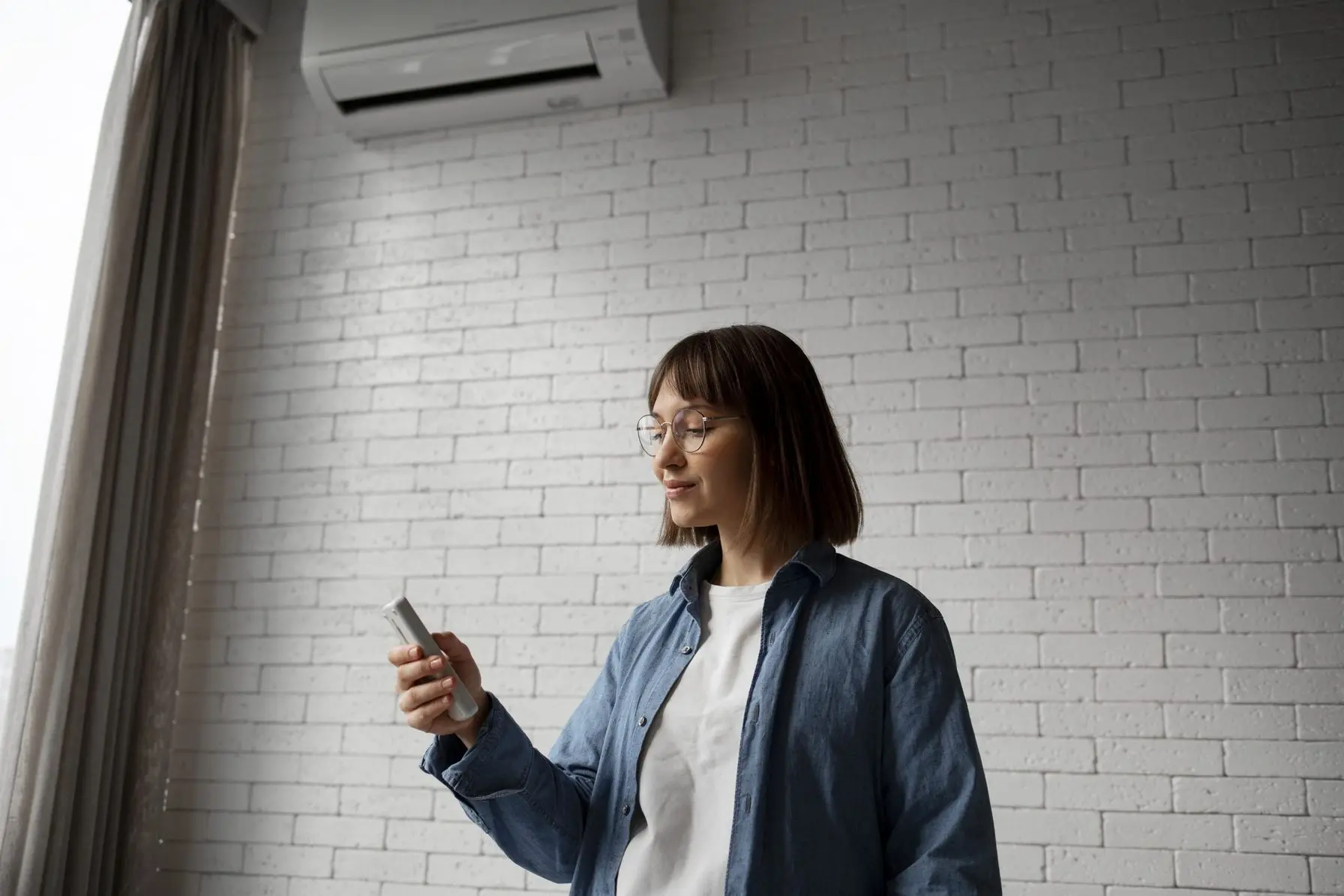
Heating Tips for Dadeville’s Colder Months

When winter sneaks into Dadeville, it doesn’t exactly knock politely. One day you’re wearing a light jacket, and the next morning you’re wondering why your house feels like a walk-in freezer. We’ve worked as HVAC contractors long enough to see this pattern every year, and most heating emergencies could’ve been avoided with a little prep and some honest advice.  We don’t deal with constant snow, so heating systems don’t always get the attention they deserve.  That’s where a reliable HVAC contractor makes all the difference, especially when you want answers without the runaround.

1. Start With Your Thermostat Habits

Constantly cranking your thermostat up and down is like revving your car at a red light. It wastes energy and stresses your system. A steady temperature, especially overnight, keeps your heater running efficiently and your home comfortable. Programmable thermostats help, but even simple consistency goes a long way.

If your house feels chilly, jumping the thermostat five degrees higher won’t heat things faster. It just makes your system work harder. Instead, give it time and make sure warm air can circulate freely through open vents and clean filters.

2. Your Filter Is More Important Than You Think

Dirty filters are silent troublemakers. They restrict airflow, force your heater to overwork, and can even trigger breakdowns. During colder months, check your filter monthly and replace it as needed. This tiny habit can lower energy bills and extend the life of your system.

3. Seal the Leaks You Can’t See

Windows, doors, and attic gaps love to leak warm air. Even small drafts can make your heater feel weak. Weatherstripping and caulk are inexpensive fixes that deliver noticeable comfort improvements.

Heavy curtains or thermal drapes help trap heat inside during cold nights. Open them during sunny afternoons to let natural warmth in. It’s old-school, but it works surprisingly well.

4. Schedule a Heating Tune-Up Before You Need One

We can tell you that most winter breakdowns don’t happen suddenly. They build quietly. A professional tune-up checks electrical components, heat exchangers, airflow, and safety controls before something fails. It’s like a wellness check for your heater, minus the awkward paper gown.

Why Working With Chad’s AC Direct Feels Different

At Chad’s AC Direct, we believe heating service should feel simple, not stressful. We explain everything upfront, provide written estimates, and leave your home cleaner than we found it. Whether it’s a quick repair or a full system installation, our comfort specialists focus on solutions that actually make sense for your home and budget.

If you’re looking for a dependable HVAC contractor in Dadeville, AL, who treats you like a neighbor, not a number, you’re in the right place.

Energy-Saving Habits That Actually Work

  • Lower your thermostat slightly at night
  • Use ceiling fans on low to push warm air down
  • Keep interior doors open for better airflow
  • Avoid blocking vents with furniture
  • Cook at home and let that heat work for you

These small habits add up faster than most people expect.

When Replacement Makes More Sense Than Repair

If your heating system is over 15 years old and needs frequent repairs, replacement might be the smarter move. New systems are quieter, more efficient, and easier on your wallet long-term. A trusted HVAC contractor in Dadeville, AL, can help you compare costs honestly without pressure.

Don't Get Caught Cold. Call Us.

Cold weather doesn’t have to catch you off guard this year. If you want honest advice, fast service, and real solutions, Chad’s AC Direct is ready to help. Call 334-264-6464 now and let a trusted HVAC contractor in Dadeville, AL, make your home warm, comfortable, and worry-free this winter.


Frequently Asked Questions

1. How cold does it usually get in Dadeville during winter?

Most winters in Dadeville aren’t extreme, but we definitely get stretches where temperatures dip into the 30s. The tricky part is how fast the cold shows up, often overnight. That sudden drop is what catches people off guard and puts stress on heating systems. If your heater isn’t ready, you feel it immediately.

2. How often should I service my heating system?

Honestly, once a year is usually enough if it’s done at the right time. Getting your system checked before winter hits helps prevent those middle-of-the-night breakdowns. It also keeps the heater running smoother and more efficiently. Skipping maintenance often costs more later.

3. Why does my heater turn on and off frequently?

When a heater keeps cycling on and off, it’s usually trying to tell you something isn’t right. In many cases, airflow is restricted because of a dirty filter or blocked vent. That makes the system work harder than it should. Left alone, it can wear out parts faster.

4. Are heat pumps effective in Dadeville's winters?

Heat pumps actually work really well in Dadeville because our winters are fairly mild. They don’t have to fight extreme cold, which keeps them efficient. As long as they’re maintained properly, they can heat a home comfortably. Problems usually show up only when maintenance is ignored.

5. What temperature should I set my thermostat in winter?

Most people feel comfortable keeping their thermostat somewhere between 68 and 70 degrees. The key is picking a setting and sticking with it instead of constantly adjusting it. Big swings make your system work harder. A steady temperature keeps things comfortable and efficient.

6. Can poor insulation affect my heating bill?

Yes, and usually more than people realize. If warm air is leaking out through walls or the attic, your heater has to keep running to catch up. That leads to higher energy bills without better comfort. Good insulation helps your home hold onto heat longer.

7. Is it safe to leave my heater running overnight?

If your heating system is in good shape, running it overnight is completely normal. Modern systems are designed to operate safely for long periods. The real risk comes from neglected maintenance. A well-maintained system is a safe system.

8. Why do some rooms feel colder than others?

Cold rooms usually point to airflow issues rather than a weak heater. Sometimes it’s ductwork, sometimes it’s closed vents or furniture blocking airflow. Warm air just isn’t getting where it needs to go. Fixing airflow often solves the problem quickly.

9. Does replacing an old heater really save money?

At first, replacing a heater feels like a big expense, so the savings aren’t obvious. Over time though, newer systems use less energy and break down less often. That means lower utility bills and fewer repair calls. Eventually, the numbers start to make sense.

10. When should I call a professional for heating issues?

If your heater sounds different, heats unevenly, or just doesn’t feel right, that’s your sign. Waiting usually turns small problems into expensive ones. Calling early gives you more options and less stress. It’s almost always the smarter move.

How to Fix Uneven Heating or Cooling in Auburn Rooms

Your home comfort matters, and uneven temperatures can make daily life stressful. Rooms that heat or cool unevenly create frustration and raise energy bills. A balanced system makes your home efficient and comfortable. Finding a trusted HVAC contractor in Auburn, AL should not feel difficult. At Chad's AC Direct, we're committed to providing solutions, and this guide explains how to fix uneven heating or cooling in Auburn rooms in simple and practical ways.

Why Auburn Homes Often Experience Uneven Temperatures

Auburn homes face unique weather patterns throughout the year. Rapid temperature changes strain HVAC systems. Older ductwork and insulation also affect airflow. These issues cause some rooms to stay warm while others stay cold. Understanding the local factors helps you find lasting solutions.

Common Causes of Uneven Heating and Cooling

Uneven temperatures are usually caused by problems in your HVAC system. Learn the common reasons your rooms might not be heating or cooling evenly.

Blocked or Closed Air Vents

Closed vents prevent proper airflow. Blocked vents strain the HVAC system. Furniture may block the airflow without you noticing. This causes some rooms to feel uncomfortable. Checking vents is the first and easiest fix.

Leaky or Damaged Ductwork

Duct leaks cause massive energy waste. Warm or cool air escapes before reaching certain rooms. This creates temperature differences throughout your home. Many Auburn homes have aging duct systems. A quick inspection can reveal hidden problems.

Poor Insulation in Key Areas

Insufficient insulation allows air to escape. Attics and crawl spaces often need updates. Poor insulation impacts HVAC performance. Certain rooms lose heat faster than others. Upgrading insulation improves comfort significantly.

Improper Thermostat Location

Thermostats measure the wrong area if placed poorly. Direct sunlight affects readings. Drafts near doors confuse the thermostat. This leads to uneven temperatures. Proper placement ensures accurate system control.

Aging or Incorrectly Sized HVAC System

HVAC systems lose efficiency over time. Undersized units cannot meet your home’s needs. Oversized units cycle too often. Both situations cause uneven temperatures. System sizing matters more than most homeowners realize.

Effective Solutions to Fix Uneven Heating and Cooling

While some solutions are DIY-friendly, tackling persistent uneven heating and cooling may require expert assistance. A qualified HVAC technician can diagnose complex issues and recommend tailored solutions for your specific needs.

Adjust and Clear All Air Vents

Open all vents fully. Remove furniture or objects blocking airflow. Ensure each room receives proper circulation. This step improves comfort quickly. Simple adjustments can solve minor temperature problems.

Schedule a Professional Duct Inspection

A technician checks for leaks and gaps. Sealing ducts restores proper airflow. Clean ducts also improve air quality. Even small leaks make a big difference. This step improves system efficiency.

Upgrade Your Home’s Insulation

Adding insulation improves temperature control. Energy escapes less quickly. Rooms maintain consistent comfort. Insulation upgrades reduce utility costs. Auburn homes benefit greatly from attic improvements.

Install Zoned HVAC Controls

Zoning allows different temperatures in different areas. Each zone has its own thermostat. This supports personalized comfort. Zoning prevents wasted energy in empty spaces. Homes with multiple floors benefit the most.

Balance Airflow Through Dampers

Technicians adjust dampers in your duct system. This controls airflow across rooms. Proper balancing helps even temperatures. It also reduces strain on your HVAC unit. Damper adjustments require professional handling.

Consider an HVAC Tune-Up

A tune-up boosts efficiency. Technicians fix minor issues before they worsen. Filters get replaced for better airflow. All moving parts receive calibration. Regular maintenance prevents uneven temperatures.

Trusted Comfort Solutions for Auburn Residents

Finding reliable HVAC care in Auburn, AL should be simple. That is why local homeowners value honest communication and transparent service. You deserve clear explanations, upfront costs, and a stress-free experience. Written estimates and detailed parts lists make the process simple. You stay informed at every step.

Conclusion

Temperature imbalance in Auburn homes has many causes, but every issue has a practical solution. Simple checks like clearing vents may help. More complex problems require duct repairs, insulation work, or zoning updates. Consistent comfort depends on a well-maintained HVAC system. With the right expert support, your home can feel perfectly balanced again.


Uneven Temperatures Got You Down?

Uneven room temperatures do not have to ruin your comfort. When your home feels unbalanced, fast help is one call away. Chad’s AC Direct delivers accurate solutions and honest service for Auburn homeowners. Call now to schedule your immediate appointment. Enjoy red carpet service, expert results, and a home that finally feels right.

Frequently Asked Questions

1. What causes uneven heating or cooling in Auburn rooms?

Uneven temperatures often come from blocked vents or leaky ducts. Poor insulation also affects comfort in key rooms. Thermostat placement can worsen the problem.

2. How do I fix uneven airflow in my home?

Start by opening all vents fully. Remove objects blocking airflow in each room. Schedule a technician to inspect your duct system.

3. Can insulation problems cause uneven temperatures?

Yes, poor insulation lets conditioned air escape. Rooms lose comfort faster without proper insulation. Adding insulation helps regulate temperature.

4. Why is my thermostat causing uneven heating or cooling?

A thermostat may read temperatures incorrectly due to poor placement. Direct sunlight affects accuracy. Drafts near doors influence readings.

5. Do duct leaks affect room temperature balance?

Duct leaks allow air to escape before reaching certain rooms. This reduces HVAC efficiency significantly. Repairing ducts restores even temperatures.

6. Should I consider HVAC zoning for my home?

Zoning improves comfort in multi-level homes. Each zone receives independent temperature control. This system helps fix uneven conditions.

7. Can an old HVAC system cause uneven temperatures?

Aging systems lose efficiency over time. Undersized units struggle to heat or cool properly. Oversized units cycle off too quickly.

8. How does airflow balancing help my home?

Balancing adjusts how much air flows into each room. Proper balancing reduces temperature differences. Professionals use dampers to fix airflow.

9. Will a tune-up fix uneven heating or cooling?

A tune-up boosts system performance. Technicians clean components and replace filters. Small fixes often correct uneven temperatures.

10. When should I call an HVAC technician for uneven rooms?

Call when simple fixes do not help. Large temperature differences may signal deeper issues. Technicians identify and repair the root problem.


Seasonal HVAC Checklist for Auburn Homeowners

Living in Auburn, AL means enjoying warm Southern summers and cozy, mild winters. Your HVAC system works overtime to keep it that way. Whether it’s the blazing heat in July or that unexpected cold snap in January, your comfort depends on how well your system is maintained. Chad’s AC Direct believe that seasonal HVAC care isn’t just about comfort. It’s all about peace of mind, energy savings, and reliability when you need it most. Let’s walk through a simple but powerful seasonal HVAC checklist to help Auburn homeowners stay comfortable year-round.

The Importance of Seasonal HVAC Maintenance

Ignoring seasonal maintenance can lead to higher bills, unexpected repairs, and uncomfortable indoor temperatures. By following this checklist, you’ll extend your system’s lifespan and keep your Auburn home running efficiently no matter the weather.

Spring: Time to Refresh and Reset

When the flowers start blooming in Auburn, it’s your cue to prepare for the heat ahead.

1. Replace Air Filters

Dust and pollen build up quickly, especially in spring. Replace your filters every 30–60 days for clean, healthy air.

2. Clear Outdoor Units

Remove leaves, branches, or dirt around your outdoor condenser. Give it two feet of breathing room for optimal airflow.

3. Inspect Ductwork

Leaky ducts cause up to 30% energy loss. Schedule a quick duct inspection to ensure your cool air stays inside your home.

4. Test the Thermostat

Make sure your thermostat responds correctly. If it’s outdated, consider upgrading to a programmable or smart thermostat for better control.

A well-tuned system in spring means fewer problems when the summer heat rolls in.

Summer: Keep Cool Under Pressure

Auburn summers can feel relentless. High humidity and soaring temperatures test even the best air conditioners.

1. Check Refrigerant Levels

Low refrigerant means your AC is working harder than it should. Have a professional inspect and recharge your system if necessary.

2. Clean Evaporator and Condenser Coils

Dirty coils reduce efficiency. A seasonal cleaning ensures your system cools quickly and runs quietly.

3. Inspect Drain Lines

Clogged condensate drains can cause leaks or musty smells. Flush them out to prevent water buildup.

4. Seal Windows and Doors

Keep the cool air inside. Use weatherstripping or caulk to seal small gaps that let in heat.

Regular summer maintenance not only saves energy but also helps you avoid mid-season breakdowns when you need cooling the most.

Fall: Preparing for Cozy Comfort

When Auburn’s leaves turn golden, it’s time to focus on heating.

1. Replace Filters Again

Fall allergens and dust can clog filters. Clean or replace them before turning on the heat.

2. Inspect the Furnace

Schedule a professional tune-up. Technicians can spot small problems before they become big, costly repairs.

3. Test the Ignition System

Make sure your furnace starts smoothly. Faulty ignition can cause uneven heating or system failure.

4. Check for Carbon Monoxide Leaks

Safety first. If you use gas heat, ensure there are no leaks and your detectors work properly.

Fall maintenance ensures your Auburn home stays warm without interruptions.

Winter: Stay Warm, Stay Efficient

Even in Alabama, winters can bring chilly nights. A little preparation goes a long way.

1. Keep Vents Open and Unblocked

Blocked vents restrict airflow and strain your system. Rearrange furniture if necessary.

2. Monitor Energy Bills

A sudden spike in bills could mean your HVAC system is struggling. Catching issues early prevents bigger problems.

3. Insulate Attics and Crawl Spaces

Proper insulation keeps warm air inside and helps your furnace work efficiently.

4. Schedule a Mid-Winter Inspection

A professional check ensures everything runs smoothly through the coldest months.

Winter is all about maintaining warmth without wasting energy, and your HVAC system should do both.

The Benefits of Following a Seasonal HVAC Checklist

  • Longer Equipment Life: Regular care prevents wear and tear on critical components.
  • Lower Energy Bills: A clean, efficient system uses less power.
  • Fewer Repairs: Catching issues early saves money and stress.
  • Better Air Quality: Fresh filters and clean ducts mean healthier indoor air.

Consistent maintenance keeps homes cozy and systems reliable throughout every season.


Results from Auburn Homeowners

“My House Has Never Been More Comfortable!”

“After following the seasonal HVAC checklist, my system runs smoother than ever. My summer bills dropped noticeably. It’s amazing how a few small steps make such a big difference.”
Karen T., Auburn, AL

“Reliable, Honest, and Fast!”

“Every season, I used to worry about my old AC breaking down. Now, with a consistent maintenance routine, I finally feel confident it’ll last. I wish I’d done this sooner.”
Marcus D., Auburn, AL

These Auburn homeowners prove that regular HVAC maintenance isn’t just smart—it’s essential for comfort and savings.

Keep Your Auburn Home Comfortable Year-Round

Your home deserves care that matches Auburn’s changing seasons. A well-maintained HVAC system doesn’t just keep you comfortable. It keeps your home energy-efficient and your family safe. That’s why partnering with a trusted local professional matters. We understand Auburn’s climate, humidity levels, and building styles. We your system is optimized for local conditions. You don’t just want a repair; you want lasting comfort and value! Don’t wait for your system to fail when the weather turns extreme.

Ready to Tune Up Your HVAC System? Call Chad’s AC Direct Today!

Stop stressing about your heating or cooling system and start enjoying reliable comfort year-round. Call to schedule your appointmemnt with Chad's AC Direct. Your comfort is one call away.


Frequently Asked Questions

1. What should be included in a seasonal HVAC checklist for Auburn homeowners?

A seasonal HVAC checklist for Auburn homeowners should include cleaning filters, inspecting ductwork, and checking thermostat settings. Regular maintenance helps ensure your system performs efficiently through the changing Alabama weather. Completing these steps each season reduces costly breakdowns and extends equipment life.

2. How often should Auburn homeowners schedule HVAC maintenance?

Auburn homeowners should schedule HVAC maintenance at least twice a year—once in spring and once in fall. Seasonal servicing ensures heating and cooling systems are ready before extreme weather hits. Routine tune-ups also improve efficiency and indoor comfort year-round.

3. Why is spring HVAC maintenance important for Auburn homes?

Spring HVAC maintenance prepares your cooling system for the intense Auburn summer heat. Cleaning coils, replacing filters, and checking refrigerant levels ensure peak performance. Early service helps prevent mid-season breakdowns and keeps energy bills lower.

4. How can Auburn homeowners prepare their HVAC systems for summer?

Before summer, Auburn homeowners should clear debris around outdoor units, test thermostats, and check for proper refrigerant levels. These simple steps help the system handle high humidity and temperatures. Preventive care keeps cooling consistent and reliable during Auburn’s hottest months.

5. What HVAC tasks should be done in the fall for Auburn properties?

Fall is the time to switch focus from cooling to heating. Inspecting furnaces, cleaning vents, and checking ignition systems ensures safety and warmth. This proactive approach helps Auburn homeowners avoid heating issues when temperatures drop.

6. How can Auburn residents protect their HVAC systems during winter?

Auburn winters may be mild, but preparation still matters. Homeowners should keep vents open, monitor energy usage, and insulate attics for efficiency. Regular inspections maintain comfort and prevent unexpected system failures.

7. Why do air filters matter in a seasonal HVAC checklist for Auburn homeowners?

Clean air filters keep airflow steady and improve indoor air quality. In Auburn’s humid climate, dirty filters can cause strain on HVAC components. Changing them every one to two months supports efficiency and healthier air.

8. How does humidity in Auburn affect HVAC performance?

Auburn’s high humidity makes HVAC systems work harder to maintain comfort. Moisture buildup can strain cooling units and reduce air quality. Using dehumidifiers and maintaining proper airflow helps balance humidity levels inside.

9. What are the benefits of following a seasonal HVAC maintenance plan?

A consistent maintenance plan lowers repair costs, boosts efficiency, and extends equipment lifespan. For Auburn homeowners, it also keeps indoor air clean and energy usage low. Regular service ensures comfort through every local weather change.

10. How can Auburn homeowners improve HVAC efficiency year-round?

Improving HVAC efficiency starts with sealing windows, cleaning ducts, and using programmable thermostats. Seasonal tune-ups keep systems optimized for Auburn’s climate. These small habits make a big difference in comfort and energy savings.

How to Extend the Life of Your HVAC System in Auburn

Finding a trusted HVAC contractor in Auburn, AL shouldn’t feel stressful. At Chad’s AC Direct, we believe comfort should come easily. Whether your home feels too warm in summer or too chilly in winter, we’ve got you covered.

Your HVAC system works tirelessly to keep your home cozy. But without proper care, it can wear out faster than you expect. Extending its life isn’t just about avoiding breakdowns. It’s  all about saving money, reducing stress, and keeping your air quality fresh.

Simple Steps to Extend the Life of Your HVAC System

1. Schedule Regular Tune-Ups

The easiest way to extend your HVAC’s lifespan is through consistent maintenance. Experts recommend professional tune-ups at least twice a year. Our certified technicians inspect, clean, and adjust your system to keep it performing at its best.

Regular service also helps spot small issues before they become expensive problems. Think of it like a wellness check for your comfort system; it’s preventive care that pays off.

2. Change Your Air Filters Often

Dirty filters make your system work harder, which leads to early wear. Change your filters every one to three months, depending on usage and local air quality. Auburn’s pollen and humidity can clog filters faster. Checking them regularly is key.

Clean filters improve airflow, enhance efficiency, and keep your indoor air cleaner and healthier.

3. Keep Outdoor Units Clean

Leaves, dirt, and grass clippings can block your HVAC’s outdoor unit. Keep the area around your condenser clear and free of debris. Maintaining at least two feet of space ensures proper airflow and prevents overheating.

You can easily rinse off the unit with a garden hose, but be sure to turn off the power first.

4. Seal Leaks and Insulate Your Home

Air leaks in ducts or around windows force your HVAC system to work harder. Sealing and insulating your home can lower energy bills and ease strain on your equipment.

Chad’s AC Direct can inspect your system for leaks and ensure everything is tightly sealed for maximum performance.

5. Use a Programmable Thermostat

A smart or programmable thermostat allows better control of your home’s temperature. It reduces unnecessary heating and cooling when you’re away.

This small upgrade helps your HVAC system run more efficiently, extending its life and saving energy.


Understanding the Signs of HVAC Wear

Even the best systems show signs of aging over time. Pay attention to these warning signals:

  • Uneven temperatures in different rooms
  • Strange noises or odors from vents
  • Rising energy bills without increased usage
  • Frequent on-and-off cycling

If you notice these issues, it might be time for a check-up. Chad’s AC Direct provides honest assessments and clear solutions tailored to your needs. We never push unnecessary services. Just real answers that work.


Energy Efficiency Equals Longer Life

When your HVAC system runs efficiently, it lasts longer and costs less to operate. Routine maintenance improves airflow, balances system load, and minimizes unnecessary wear.

You’ll also notice a more comfortable indoor climate and lower monthly energy bills. It’s a win-win for both your wallet and your comfort!

Our technicians at Chad’s AC Direct specialize in maximizing energy performance. We’ll evaluate your current setup and make adjustments to keep your system running like new.

Plan Ahead Before Problems Arise

The worst time to think about your HVAC system is when it breaks down. Preventive maintenance avoids emergency calls during Auburn’s hottest or coldest days. Scheduling routine service now means fewer surprises later.

We make the process hassle-free. Appointments are convenient, communication is clear, and we always show up on time. You can relax knowing your system is in capable hands. At Chad’s AC Direct, we’re passionate about keeping Auburn homes comfortable all year long. From minor repairs to complete system replacements, our team delivers top-quality results with exceptional customer service.

We value relationships as much as results. Every job, big or small, receives our full attention and care. When your system performs better, your home feels better. That’s our promise.

Ready to Extend the Life of Your HVAC System?

Your HVAC system deserves the best care, and we’re here to provide it. Whether you need maintenance, repair, or a new installation, Chad’s AC Direct delivers fast, reliable, and professional service you can count on.

Call us today to schedule your appointment. Experience Auburn’s most trusted name in heating and cooling, where comfort meets reliability every single day!


Frequently Asked Questions

1. How often should I service my HVAC system in Auburn?

You should schedule professional HVAC maintenance at least twice a year—once in spring and once in fall. Regular service ensures efficiency and prevents costly breakdowns during Auburn’s extreme temperatures. Consistent tune-ups also help extend the overall lifespan of your HVAC system.

2. What are the best ways to extend the life of my HVAC system in Auburn?

Changing air filters regularly, cleaning outdoor units, and scheduling seasonal inspections are key steps. Sealing air leaks and using a programmable thermostat reduces unnecessary strain. These simple habits keep your system running efficiently and lasting longer.

3. Why is HVAC maintenance important in Auburn’s climate?

Auburn experiences hot, humid summers and cool winters, putting extra pressure on heating and cooling systems. Regular maintenance helps your unit adapt to these seasonal demands. It also improves energy efficiency and indoor air quality throughout the year.

4. How do dirty air filters affect my HVAC system?

Clogged filters restrict airflow, forcing your system to work harder and consume more energy. This extra strain shortens the equipment’s lifespan and increases repair costs. Replacing filters every one to three months keeps your HVAC running smoothly.

5. Can a programmable thermostat help my HVAC system last longer?

Yes, programmable thermostats optimize temperature control and prevent constant cycling. They reduce unnecessary heating and cooling when you’re away. This helps your HVAC system operate more efficiently and extends its service life.

6. What are the signs my HVAC system needs maintenance or repair?

Watch for unusual noises, uneven temperatures, or rising energy bills. These symptoms often indicate blocked airflow, dirty coils, or failing components. Addressing them early prevents bigger issues and keeps your system running efficiently.

7. How does insulation impact the performance of my HVAC system in Auburn?

Proper insulation helps maintain indoor temperatures and reduces system workload. Well-insulated homes use less energy and experience fewer temperature fluctuations. This directly contributes to a longer-lasting, more efficient HVAC system.

8. Should I clean my outdoor HVAC unit regularly?

Yes, keeping your outdoor unit clear of debris ensures proper airflow and performance. Remove leaves, grass, and dirt that may block ventilation. A clean unit helps your system cool more effectively and prevents overheating.

9. How can I improve my HVAC system’s energy efficiency in Auburn?

Regular maintenance, sealing duct leaks, and upgrading thermostats boost efficiency. Keeping vents unobstructed also improves air circulation throughout your home. These adjustments lower energy costs and help extend your system’s life.

10. When should I replace my HVAC system instead of repairing it?

If your system is over 15 years old and frequently breaks down, replacement may be more cost-effective. Newer models are more energy-efficient and reliable. Replacing outdated equipment helps lower utility bills and ensures long-term comfort.