Comparing Heating Options for Dadeville Homes

Choosing the right heating system for a home in Dadeville isn't as simple as picking what your neighbor has or what worked ten years ago. Homeowners often end up overpaying for systems that don't match their house, their usage habits, or their long-term budget, all because no one took the time to explain the options clearly. That's why comparing heating options for Dadeville homes deserves a real conversation. Gas furnaces, electric furnaces, heat pumps, and dual-fuel systems all behave differently, and each comes with trade-offs that affect comfort, energy bills, and maintenance costs.

Understanding how these systems perform locally can save you years of frustration and thousands of dollars. Let's walk through what actually works here, why it works, and how to choose a system that makes sense for your home.

Why Heating Choices Matter More Than You Think

Most people don't think about their heating system until it quits. That's normal. But here's the thing: your heater is one of the hardest-working pieces of equipment in your house. It runs early mornings, late nights, and every random cold snap Dadeville throws your way.

Choosing the wrong system can mean:

  • Higher monthly bills
  • Uneven temperatures
  • More breakdowns than you'd like to admit

Choosing the right one? That's quite comforting. That's sleeping through the night without layering blankets like a burrito.

The Most Common Heating Options in Dadeville Homes

Let's talk about what people actually use around here. 

Gas Furnaces: Old Reliable

Gas furnaces are like that pickup truck that keeps running. They heat fast, they're dependable, and they handle cold snaps like champs.

Pros

  • Strong, consistent heat
  • Lower operating cost if gas is available
  • Long lifespan

Cons

  • Requires a gas line
  • Higher upfront installation cost

If you like warm air that hits fast and doesn't mess around, this one's a solid choice.

Electric Furnaces: Simple and Straightforward

Electric furnaces don't get much love, but they're simple. Fewer moving parts and less drama.

Pros

  • Lower installation cost
  • No combustion or gas
  • Compact design

Cons

  • Higher electric bills
  • Slower heating compared to gas

They work best in smaller homes or places where gas isn't an option.

Heat Pumps: The Alabama Favorite

Heat pumps are incredibly popular around Dadeville for a reason. They heat and cool with one system.

Pros

  • Energy efficient
  • Works great in mild winters
  • One system does double duty

Cons

  • Less effective during extreme cold
  • May need auxiliary heat

For our climate, heat pumps are often the sweet spot between comfort and cost.

Dual Fuel Systems: Best of Both Worlds

This is where things get fancy. Dual fuel systems pair a heat pump with a gas furnace.

Why People Love Them

The system automatically switches based on outdoor temperature. You get efficiency when it's mild and power when it's cold.

It's not the cheapest option, but it's one of the smartest for long-term comfort.

What Chad's AC Direct Actually Recommends

There is no "best" heating system. There's only the best system for your home, budget, and lifestyle.

We've seen brand-new systems fail because they were oversized. We've seen older systems run beautifully because they were installed correctly.

That's why at Chad's AC Direct, we slow things down. We explain. We show written estimates. We itemize parts. We leave your house cleaner than we found it. Red carpet service isn't a slogan—it's how things should be.

If something breaks, you don't want a guessing game. You want straight answers and fast help. That's what we do in Montgomery and the surrounding areas.

Signs It's Time to Rethink Your Heating System

  • Uneven room temperatures
  • Rising energy bills
  • Strange noises or smells
  • Repairs stacking up

If your system is over 12–15 years old, it might be time to compare rather than patch.

Stop the Stress; Call Chad's AC Direct!

Heating isn't about machines. It's about waking up warm. It's about your kids not complaining. It's about not stressing every time the weather app shows blue numbers. Call now at 334-264-6464 to set up an immediate appointment and get real answers, not guesswork.

Frequently Asked Questions

1. What is the most energy-efficient heating option for Dadeville homes?

If you're focused on efficiency, heat pumps usually win hands down. They don't create heat the way a furnace does—they move it, which uses far less energy in our mild winters. That's why so many Dadeville homes rely on them year after year without shocking power bills. The key is having one sized and installed correctly, because even the best system struggles if it's set up wrong.

2. Are gas furnaces worth it in Dadeville?

They can be, especially if your home already has access to natural gas. Gas furnaces heat fast and feel strong when the temperature drops suddenly, which some homeowners really appreciate. The trade-off is a higher installation cost compared to electric options. For folks who value powerful, consistent heat, gas can still make a lot of sense.

3. How long does a typical heating system last?

Most systems don't fail overnight—they wear out slowly. On average, you're looking at 12 to 20 years, depending on how well it's been maintained. Regular tune-ups make a big difference because small issues get handled before they turn into expensive problems. Systems that are ignored tend to age faster, even if they were good equipment to begin with.

4. Is a heat pump enough during cold weather?

For most Dadeville winters, yes, a heat pump does just fine. When temperatures dip below usual, the system relies on auxiliary heat to help. It runs a little longer during those colder days, but comfort usually stays steady. That's why heat pumps are such a common choice in this region.

5. What heating system has the lowest monthly cost?

In most homes around Dadeville, heat pumps come out on top for monthly savings. They're designed to work efficiently instead of brute-forcing heat into your home. Gas furnaces can still be affordable depending on fuel prices, but they tend to cost more to run over time. Your insulation and thermostat habits also play a bigger role than most people realize.

6. Can I replace just my furnace and keep my AC?

Sometimes you can, but it's not always a simple yes-or-no. The furnace and AC have to communicate properly, or efficiency drops fast. If the systems are mismatched, you may end up paying more in energy bills without realizing why. A professional check ensures the replacement actually improves comfort rather than creating new problems.

7. How do I know what size heating system I need?

This is where many homeowners get steered wrong. Bigger systems don't heat better—they turn on and off too often and wear out faster. Proper sizing looks at your home's layout, insulation, and airflow, not just square footage. When the size is right, the system runs more smoothly and maintains more consistent temperatures.

8. Are electric furnaces bad for energy bills?

They're not "bad," but they aren't cheap to run either. Electric furnaces generate heat directly, which takes a lot of power, in smaller or well-insulated homes, that might be manageable. In larger homes, though, the monthly bill can climb quickly.

9. What is a dual fuel heating system?

A dual fuel system gives you flexibility without you having to think about it. It uses a heat pump most of the time for efficiency, then switches to a gas furnace when temperatures drop too low. The system decides automatically based on outdoor conditions. Homeowners like it because it balances comfort and long-term savings.

10. When should I upgrade instead of repairing my heater?

If you're calling for repairs every season, that's usually your sign. Older systems lose efficiency even when they still "work," quietly driving up bills. Once repair costs start stacking, replacement often becomes the smarter financial move. A professional inspection helps you know when you're fixing versus throwing money away.
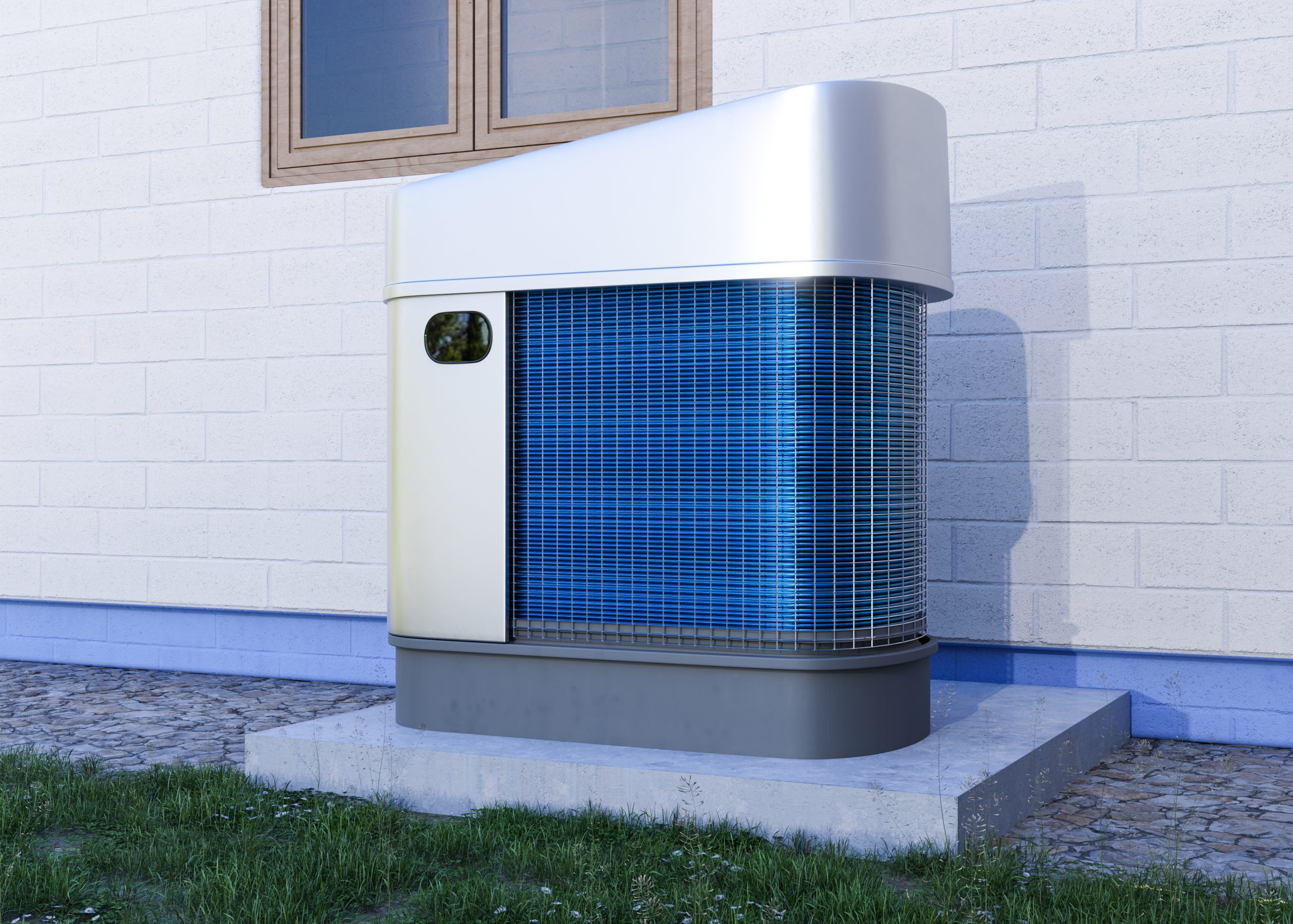
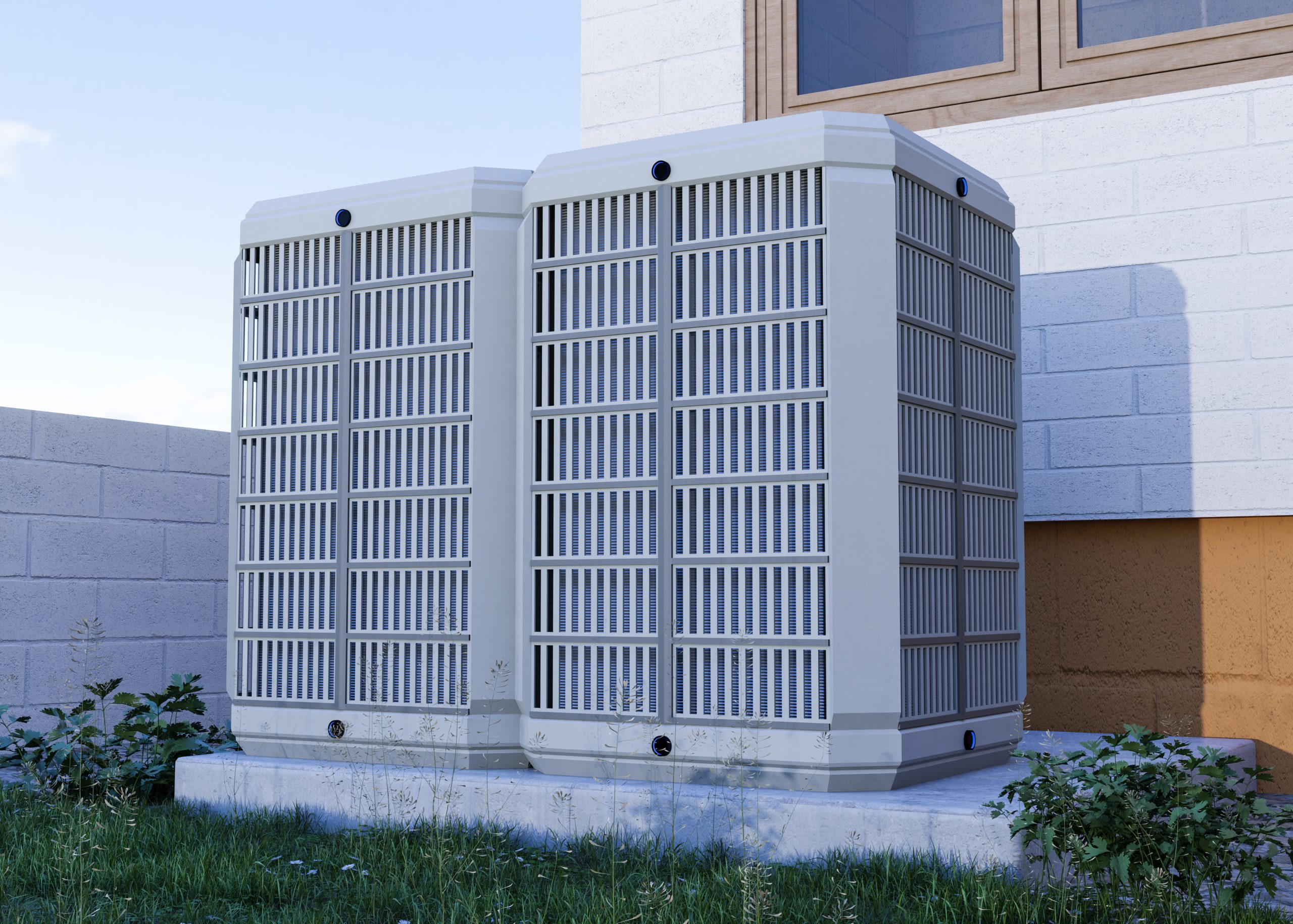
Is a Heat Pump Right for Your Montgomery Home?

If your AC quits in the middle of summer or your heater struggles on one of those damp winter mornings, the first thought isn’t “What’s the most energy-efficient solution?” It’s usually, “How fast can someone fix this before I lose my mind?”

That’s exactly why homeowners keep asking the same question lately: Is a heat pump right for your Montgomery home? And the short answer is… maybe. The long answer? That’s where things get interesting.

Heat pumps are one of the most talked-about HVAC options right now, especially in climates like ours. They promise comfort, efficiency, and year-round performance. But they’re not magic boxes. Like any system, they shine in certain situations and fall short in others.

So grab a cup of coffee, get comfortable, and let’s break this down.

What Exactly Is a Heat Pump?

A heat pump is one of those systems that sounds complicated until you realize you’ve probably used one before. If you’ve ever owned a modern air conditioner, you’re already halfway there.

Instead of creating heat, a heat pump moves it. In the summer, it pulls heat out of your home and pushes it outside. In the winter, it grabs heat from the outdoor air—even when it’s cold—and brings it inside.

That’s right. Heat exists even when it’s chilly. A heat pump just knows how to find it and use it.

Why That Matters in Montgomery

Montgomery has mild winters and long, hot summers. That makes it a sweet spot for heat pump efficiency. These systems don’t have to work as hard here as they would in colder northern climates.

Why Heat Pumps Are Gaining Popularity in Alabama

Ten years ago, heat pumps were kind of a niche option. Today, they’re becoming mainstream, and for good reason.

Energy Efficiency That Actually Shows Up on Bills

Heat pumps use electricity more efficiently than traditional HVAC systems. Because they move heat instead of generating it, they often consume less energy overall.

That can translate into:

  • Lower monthly utility bills
  • Less strain on your system
  • More consistent indoor temperatures

And yes, those savings can add up over time.

One System, All Seasons

A heat pump replaces both your air conditioner and your heater. That means fewer systems to maintain, fewer surprises, and fewer “Why is this breaking again?” moments.

For homeowners who like simplicity, that’s a big win.


When a Heat Pump Makes the Most Sense

Heat pumps are fantastic, but they’re not a one-size-fits-all solution.

Homes That Benefit the Most

  • Well-insulated houses
  • Homes without access to natural gas
  • Homeowners looking for energy efficiency
  • Families wanting consistent temperatures

If your home checks several of those boxes, a heat pump deserves serious consideration.

Situations Where You Might Think Twice

If your home has poor insulation or you prefer the intense warmth of a gas furnace, a heat pump may feel different than what you’re used to. It heats more gradually, which some people love and others need time to adjust to.

The Comfort Factor: What Living With a Heat Pump Feels Like

This is something most blogs don’t talk about enough. Comfort isn’t just temperature; it’s how that temperature feels.

Heat pumps provide steady, even warmth. No blasts of scorching air. No freezing-to-hot cycles. Just a consistent, calm comfort that sneaks up on you.

In summer, they shine just as brightly. Cooling feels smooth and balanced instead of harsh and uneven.

Installation Matters More Than the Brand

Here’s a little industry truth: the best heat pump in the world won’t perform well if it’s installed incorrectly.

Proper sizing, airflow design, and setup are everything. Oversized systems short-cycle. Undersized systems struggle. Either way, efficiency drops and frustration rises.

That’s why working with experienced professionals, like the comfort specialists at Chad’s AC Direct makes a real difference. From written estimates to itemized parts and zero mess left behind, our red-carpet service approach ensures there are no surprises.


Cost vs. Value

Yes, heat pumps can cost more upfront than traditional systems. There’s no dodging that.

But here’s the flip side:

  • Lower energy bills
  • Fewer components to maintain
  • Potential rebates or incentives
  • Long-term efficiency gains

Over time, many homeowners find the value outweighs the initial investment.

Maintenance: Easier Than You Think

Heat pumps don’t require complicated upkeep. Regular tune-ups, filter changes, and occasional inspections keep them running smoothly.

Because they do double duty year-round, consistent maintenance matters. The payoff is fewer breakdowns and longer system life.

Is a Heat Pump Right for You?

If you want fast, accurate service with no runaround, Chad’s AC Direct makes the process easy. From upfront pricing to clean job sites, we focus on doing things right the first time. Call 334-264-6464 to set up an immediate appointment and get real answers, not sales pressure.


Frequently Asked Questions

1. What is a heat pump, and how does it work?

A heat pump transfers heat rather than generating it. It pulls heat from outside air to warm your home and removes indoor heat to cool it. This process makes it highly energy efficient. It works year-round as both a heater and an air conditioner.

2. Are heat pumps good for Montgomery’s climate?

Yes, heat pumps work especially well in mild winter climates like Montgomery. They don’t have to work as hard to extract heat. This improves efficiency and comfort. Many homeowners see reliable performance year-round.

3. Do heat pumps work when it’s cold outside?

Heat pumps can operate effectively even in cold weather. Modern systems are designed to extract heat from chilly air. While extreme cold reduces efficiency, Montgomery’s winters are typically mild. That makes heat pumps a strong option locally.

4. Are heat pumps more expensive to install?

Heat pumps often have a higher upfront cost compared to traditional systems. However, they can reduce monthly energy expenses. Over time, those savings may offset the initial investment. Long-term value is an important consideration.

5. How long does a heat pump last?

Most heat pumps last between 12 and 15 years with proper maintenance. Regular tune-ups help extend system life. Because they run year-round, maintenance matters. A well-cared-for system performs more consistently.

6. Do heat pumps require a lot of maintenance?

Heat pumps require routine maintenance similar to other HVAC systems. Filter changes and annual inspections are key. Because they serve both heating and cooling roles, staying on schedule is important. Maintenance helps prevent breakdowns.

7. Are heat pumps noisy?

Modern heat pumps are designed to operate quietly. Most homeowners find them comparable to standard air conditioners. Noise levels depend on installation quality and system design. Proper placement also reduces sound.

8. Can a heat pump replace my furnace and AC?

Yes, a heat pump can replace both systems. It provides heating in winter and cooling in summer. This simplifies maintenance and system management. Many homeowners appreciate having one all-in-one solution.

9. Will a heat pump lower my energy bills?

Heat pumps are known for high energy efficiency. Many homeowners see lower electricity usage over time. Actual savings depend on insulation, usage habits, and system size. Efficiency is one of the main reasons people choose them.

10. How do I know if a heat pump is right for my home?

The best way is through a professional evaluation. Home size, insulation, and comfort preferences all matter. A trained technician can assess your setup. That ensures the system matches your needs, not just trends.

Signs Your Heat Pump Needs Service in Auburn

A reliable heat pump keeps your Auburn home comfortable all year. But like any system, it sometimes shows signs that it needs attention. Ignoring small issues can lead to higher bills, poor air quality, and even system failure.

At Chad’s AC Direct, we help Auburn homeowners detect early warning signs before they turn into major repairs. Our technicians deliver precise, affordable, and dependable heat pump service. We want to keep your home safe, efficient, and cozy through every season.

1. Weak or Uneven Airflow

If your heat pump produces weak airflow, it’s a clear sign that something isn’t right. This often means a clogged filter, blocked ductwork, or worn-out blower motor. You might also notice some rooms in your home feel warmer or cooler than others.

Our local HVAC experts can inspect your system and restore balanced comfort quickly. Don’t wait, uneven airflow can lead to bigger problems down the road.

2. Rising Energy Bills Without Reason

An unexplained spike in energy bills usually means your heat pump is struggling to work efficiently. When it takes longer to heat or cool your home, energy use naturally increases.

Dirty coils, refrigerant leaks, or worn-out components are common culprits. Regular tune-ups from Chad’s AC Direct keep your system running at peak performance and save you money over time.

3. Strange Noises Coming from the Unit

Your heat pump should run quietly. Grinding, rattling, or squealing noises often signal mechanical issues or loose parts.

Left untreated, these noises can cause major damage or total system failure. Schedule service immediately if your heat pump sounds unusual. Our Auburn team can pinpoint and fix the problem fast.

4. Frequent Cycling or Constant Operation

If your heat pump cycles on and off too often, it could indicate thermostat or compressor issues. On the other hand, if it runs nonstop, the system might be undersized or low on refrigerant.

Both situations lead to energy waste and comfort problems. Our technicians can diagnose and adjust your system to operate efficiently again.

5. Uneven Heating or Cooling Throughout the House

When some rooms feel like a sauna and others like a freezer, your heat pump might need attention. Uneven temperatures can be caused by dirty filters, airflow restrictions, or failing components.

Regular maintenance ensures consistent comfort in every corner of your home. Our experts identify the cause and restore proper balance to your system.

6. Unusual Smells from Vents

Burning, musty, or chemical odors should never come from your heat pump. These smells often mean electrical issues, mold growth, or refrigerant leaks.

Ignoring them can harm both your health and your HVAC system. Our team can locate the source of the smell and eliminate it safely.

7. Ice Buildup on Coils or Outdoor Unit

Ice buildup during mild winters is never normal. It usually indicates airflow issues, refrigerant problems, or a malfunctioning defrost cycle.

If you spot frost or ice on your unit, turn it off and call for service. Continuing to run the system can lead to severe damage and costly repairs.

8. Difficulty Maintaining Temperature

If your heat pump can’t hold the temperature you set, something’s wrong. It may struggle due to age, low refrigerant, or thermostat problems.

Our technicians will evaluate the system, test its efficiency, and perform the necessary repairs or recalibrations. A properly serviced heat pump ensures consistent indoor comfort no matter the season.

9. Poor Indoor Air Quality

Dusty air, dry skin, or worsening allergies can all point to a failing heat pump. Dirty filters or clogged coils may circulate pollutants instead of filtering them out.

Professional maintenance helps improve air quality and reduce airborne irritants. Our HVAC team can clean, replace, and refresh your system for healthier air.

10. Your System Is Over 10 Years Old

Most heat pumps last around 10 to 15 years with proper care. If yours is approaching that age, it may start showing signs of inefficiency.

Upgrading to a newer, more efficient model can lower utility bills and prevent unexpected breakdowns. Our experts can help you choose the best replacement for your home’s needs.

Why Auburn Homeowners Choose Chad’s AC Direct

Choosing the right HVAC contractor shouldn’t be stressful. At Chad’s AC Direct, we make the process simple, transparent, and worry-free.

Here’s what sets us apart:

  • Upfront Pricing: No hidden fees, ever.

  • Local Experts: Serving Auburn homeowners with honesty and precision.

  • Fast Turnaround: We respect your time and comfort.

  • Clean Service: No mess left behind after any job.

Every service comes with a written estimate, itemized parts list, and complete labor breakdown. You’ll always know what’s happening. No surprises, just results.

Preventive Maintenance

The best way to avoid costly repairs is regular maintenance. Having your heat pump serviced twice a year keeps it efficient and reliable.

Our maintenance includes cleaning coils, checking refrigerant levels, testing components, and ensuring optimal performance. Prevent issues before they start, and enjoy peace of mind all year long.

Stay Warm, Stay Cool. Stay Comfortable!

Don’t let heat pump troubles disrupt your comfort. If you’ve noticed any of these warning signs, it’s time to act. Call Chad’s AC Direct today for fast, friendly, and affordable heat pump service in Auburn. Your comfort deserves red carpet treatment. Let’s make your home feel just right again.

Frequently Asked Questions

1. How do I know if my heat pump needs service?

If you notice weak airflow, strange noises, or rising energy bills, your heat pump may need service. Frequent cycling and uneven temperatures are also warning signs. Getting your system inspected early helps prevent costly repairs.

2. Why is my heat pump running constantly?

A heat pump that never shuts off could be undersized or low on refrigerant. It might also indicate thermostat or compressor problems. Schedule a professional inspection to restore proper function and efficiency.

3. What causes ice buildup on my heat pump?

Ice forms due to airflow issues, low refrigerant, or a faulty defrost cycle. Running your system with ice buildup can cause severe damage. Turn it off and call an HVAC technician right away.

4. Why does my heat pump make strange noises?

Grinding or rattling sounds often mean mechanical parts are loose or damaged. Ignoring these noises can lead to major system failure. Have a professional diagnose and fix the issue promptly.

5. Can dirty filters affect my heat pump?

Yes, dirty filters restrict airflow and cause your system to overwork. This reduces efficiency and increases energy costs. Changing filters regularly ensures smooth, reliable operation.

6. What happens if I ignore heat pump issues?

Minor issues can become expensive problems if left untreated. You might face higher bills, poor air quality, or system breakdown. Regular maintenance helps avoid these costly situations.

7. How often should I service my heat pump in Auburn?

Experts recommend servicing your heat pump at least twice a year—before summer and winter. Routine maintenance keeps it efficient and extends its lifespan. Local technicians can schedule convenient tune-ups for your home.

8. Why is my house unevenly heated or cooled?

Uneven temperatures usually result from blocked vents, dirty filters, or ductwork issues. An HVAC technician can balance airflow for consistent comfort. Don’t ignore these signs—they often worsen over time.

9. Is it normal for my heat pump to smell strange?

No, unusual smells like burning or mustiness often indicate electrical or mold issues. Addressing odors quickly prevents health risks and equipment damage. Always schedule a professional cleaning or inspection.

10. When should I replace my old heat pump?

If your system is over 10 years old and frequently breaks down, replacement may be best. Newer models are more energy-efficient and cost-effective. A technician can assess your system and suggest the right upgrade.

Cost vs Benefits: Geothermal Heat Pumps in Auburn

When it comes to staying comfortable year-round in Auburn, AL, energy efficiency matters more than ever. Homeowners are looking for smarter, greener ways to heat and cool their homes. That’s where geothermal heat pumps come in. These systems tap into the Earth’s natural energy to provide steady, affordable comfort. Chad’s AC Direct is leading the way in making this technology accessible to Auburn residents.

Let’s explore how these systems work, what they cost, and why they’re quickly becoming a top choice for homeowners who care about both comfort and value.

What Makes Geothermal Heat Pumps Different?

Unlike traditional HVAC systems that rely on outdoor air, geothermal systems use stable underground temperatures to regulate your home’s climate. By transferring heat between your house and the Earth, they deliver unmatched efficiency.

In Auburn’s humid summers and cool winters, this system keeps indoor temperatures consistent without working overtime. Geothermal heat pumps operate quietly. They require less maintenance and significantly reduce your monthly utility bills.

The Upfront Cost Homeowners Should Expect

Geothermal systems come with a higher upfront cost than standard HVAC units. Installation involves specialized equipment and underground piping. On average, homeowners can expect prices between $15,000 and $30,000, depending on home size and layout.

However, that investment pays for itself over time. Energy savings, federal tax credits, and local incentives offset much of the initial cost. Chad’s AC Direct helps homeowners navigate financing options, so making the switch feels less intimidating and more rewarding.

The Long-Term Benefits of Efficiency That Lasts

Geothermal heat pumps can last up to 25 years for indoor components and 50 years for underground loops. That’s far longer than the average furnace or air conditioner.

These systems use up to 70% less energy compared to conventional heating and cooling units. That means significant monthly savings for homeowners. Plus, fewer mechanical parts mean fewer repairs and less stress about maintenance.

Environmental Impact

Auburn residents are increasingly mindful of their environmental footprint. Geothermal systems align perfectly with that goal. They produce no on-site emissions. They reduce your household’s carbon output. By using renewable energy stored beneath the ground, you’re directly contributing to a cleaner, greener Auburn! It’s a sustainable choice that supports both your comfort and your community’s environmental future.

Auburn Homeowners Share Their Experience

“We Saw Our Bills Drop by Half!”

“Chad’s AC Direct installed our geothermal system last spring,” says Amanda W. from Auburn.
“Within two months, our energy bills were nearly cut in half. The house stays cool even on the hottest days.”

“Professional, Honest, and Worth Every Penny”

Ben R., an Auburn homeowner, shares, “I was nervous about the cost at first. But Chad’s team explained everything, from installation to maintenance. They handled the project with precision and left no mess behind.”

“Comfort Like Never Before”

“Our home feels evenly heated in every room,” says Lori M. from Opelika.
“Chad’s AC Direct truly delivered red carpet service. The geothermal system was the best investment we’ve made.”

These show the difference a reliable HVAC contractor can make. Homeowners like you aren’t just upgrading systems. You're upgrading comfort and peace of mind!

Why Geothermal Is a Smart Choice for Auburn’s Climate?

Auburn’s moderate winters and humid summers make geothermal heat pumps an ideal solution. The consistent underground temperature ensures that your system doesn’t strain under extreme weather.

Traditional systems lose efficiency in harsh conditions. Geothermal technology remains steady and effective. That translates into comfort you can count on, no matter the season.

Maintenance and Durability

With fewer moving parts than conventional HVAC systems, geothermal heat pumps require less frequent maintenance. A yearly inspection and occasional filter changes usually suffice.

Chad’s AC Direct provides maintenance plans tailored to keep your system performing at its peak year after year. Fewer repairs mean more peace of mind and fewer surprises on your energy bill.

The Financial Incentives You Shouldn’t Ignore

Homeowners in Auburn can take advantage of federal tax credits that cover up to 30% of installation costs for geothermal systems. Some Alabama energy programs also offer rebates for energy-efficient upgrades.

Chad’s AC Direct helps clients identify available incentives and file the proper documentation. With these savings, switching to geothermal becomes a financially smart move for long-term homeowners.

Comfort You Can Feel, Savings You Can See

Geothermal systems don’t just cut energy use. They provide consistent, whisper-quiet comfort. No more hot spots in summer or cold corners in winter. The system keeps temperatures balanced and humidity controlled, perfect for Auburn’s unique climate.

Customers often notice a difference within days of installation. The quiet operation and steady performance make these systems a favorite for families who value both luxury and practicality.

Ready to Upgrade Your Comfort?

There’s no better time to invest in energy-efficient comfort for your home. Geothermal heat pumps deliver long-term savings, environmental benefits, and unmatched reliability. Call Chad’s AC Direct today to schedule your consultation. Discover how geothermal technology can transform your home’s comfort and efficiency. Experience the smarter way to stay comfortable. Powered by the Earth, installed by Chad’s AC Direct.

Frequnetly Asked Questions

1. How do geothermal heat pumps work in Auburn homes?

Geothermal heat pumps in Auburn use stable underground temperatures to heat and cool your home efficiently. They transfer heat between your home and the earth, maintaining comfort in every season. This system uses less energy than traditional HVAC systems, reducing long-term utility costs.

2. Are geothermal heat pumps worth the cost in Auburn, AL?

While geothermal systems have higher upfront costs, Auburn homeowners enjoy major savings on energy bills over time. The system’s efficiency and long lifespan make it a valuable long-term investment. Many local and federal incentives also help offset installation costs.

3. How much does a geothermal heat pump cost to install in Auburn?

Installation costs for geothermal heat pumps in Auburn typically range from $15,000 to $30,000. Prices depend on factors like property size, soil type, and loop design. Homeowners often recover this investment through reduced energy expenses and available tax credits.

4. What are the main benefits of geothermal heat pumps in Auburn?

Geothermal systems provide steady comfort, lower energy bills, and long-lasting reliability. They also reduce your carbon footprint by using renewable energy from the earth. In Auburn’s climate, these systems operate efficiently year-round without overworking.

5. How long do geothermal heat pumps last in Auburn’s climate?

Geothermal heat pumps can last up to 25 years indoors and 50 years for underground loops. Auburn’s mild climate helps maintain system longevity and efficiency. With proper maintenance, homeowners enjoy decades of reliable heating and cooling.

6. Can geothermal heat pumps help lower energy bills in Auburn?

Yes, geothermal systems use up to 70% less energy than conventional HVAC units. Auburn homeowners often see their utility bills drop significantly within months of installation. The consistent underground temperature keeps the system efficient all year long.

7. Are there tax credits or rebates for geothermal heat pumps in Auburn?

Homeowners can receive federal tax credits covering up to 30% of geothermal installation costs. Alabama energy programs may also offer local rebates for eco-friendly home upgrades. These incentives make switching to geothermal heating and cooling more affordable.

8. How does Auburn’s weather affect geothermal heat pump performance?

Auburn’s moderate winters and humid summers are ideal for geothermal systems. The ground maintains a steady temperature that ensures efficient performance year-round. This consistent energy source helps homeowners avoid system strain during weather extremes.

9. What kind of maintenance do geothermal heat pumps need in Auburn?

Geothermal heat pumps require minimal maintenance compared to standard HVAC systems. Annual inspections and occasional filter changes keep them running efficiently. Regular tune-ups help extend their lifespan and prevent costly repairs.

10. How environmentally friendly are geothermal heat pumps in Auburn?

Geothermal systems produce no on-site emissions, making them a clean and sustainable energy option. They use renewable heat from the ground instead of burning fossil fuels. Auburn homeowners choosing geothermal technology contribute to a greener, more energy-efficient community.