
If your AC quits in the middle of summer or your heater struggles on one of those damp winter mornings, the first thought isn’t “What’s the most energy-efficient solution?” It’s usually, “How fast can someone fix this before I lose my mind?”
That’s exactly why homeowners keep asking the same question lately: Is a heat pump right for your Montgomery home? And the short answer is… maybe. The long answer? That’s where things get interesting.
Heat pumps are one of the most talked-about HVAC options right now, especially in climates like ours. They promise comfort, efficiency, and year-round performance. But they’re not magic boxes. Like any system, they shine in certain situations and fall short in others.
So grab a cup of coffee, get comfortable, and let’s break this down.
What Exactly Is a Heat Pump?
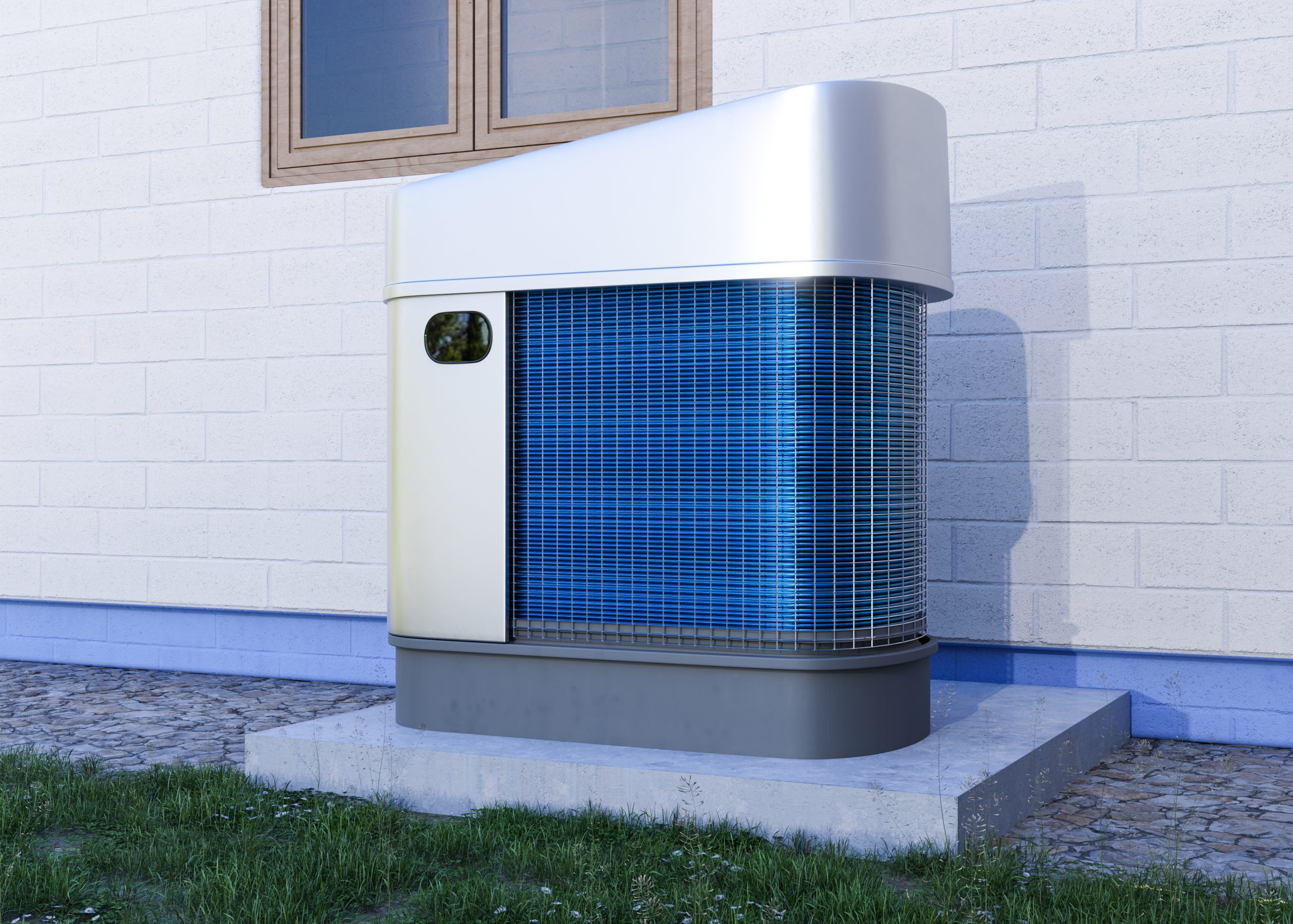
A heat pump is one of those systems that sounds complicated until you realize you’ve probably used one before. If you’ve ever owned a modern air conditioner, you’re already halfway there.
Instead of creating heat, a heat pump moves it. In the summer, it pulls heat out of your home and pushes it outside. In the winter, it grabs heat from the outdoor air—even when it’s cold—and brings it inside.
That’s right. Heat exists even when it’s chilly. A heat pump just knows how to find it and use it.
Why That Matters in Montgomery
Montgomery has mild winters and long, hot summers. That makes it a sweet spot for heat pump efficiency. These systems don’t have to work as hard here as they would in colder northern climates.
Why Heat Pumps Are Gaining Popularity in Alabama
Ten years ago, heat pumps were kind of a niche option. Today, they’re becoming mainstream, and for good reason.
Energy Efficiency That Actually Shows Up on Bills
Heat pumps use electricity more efficiently than traditional HVAC systems. Because they move heat instead of generating it, they often consume less energy overall.
That can translate into:
- Lower monthly utility bills
- Less strain on your system
- More consistent indoor temperatures
And yes, those savings can add up over time.
One System, All Seasons
A heat pump replaces both your air conditioner and your heater. That means fewer systems to maintain, fewer surprises, and fewer “Why is this breaking again?” moments.
For homeowners who like simplicity, that’s a big win.
When a Heat Pump Makes the Most Sense
Heat pumps are fantastic, but they’re not a one-size-fits-all solution.
Homes That Benefit the Most
- Well-insulated houses
- Homes without access to natural gas
- Homeowners looking for energy efficiency
- Families wanting consistent temperatures
If your home checks several of those boxes, a heat pump deserves serious consideration.
Situations Where You Might Think Twice
If your home has poor insulation or you prefer the intense warmth of a gas furnace, a heat pump may feel different than what you’re used to. It heats more gradually, which some people love and others need time to adjust to.
The Comfort Factor: What Living With a Heat Pump Feels Like
This is something most blogs don’t talk about enough. Comfort isn’t just temperature; it’s how that temperature feels.
Heat pumps provide steady, even warmth. No blasts of scorching air. No freezing-to-hot cycles. Just a consistent, calm comfort that sneaks up on you.
In summer, they shine just as brightly. Cooling feels smooth and balanced instead of harsh and uneven.
Installation Matters More Than the Brand
Here’s a little industry truth: the best heat pump in the world won’t perform well if it’s installed incorrectly.
Proper sizing, airflow design, and setup are everything. Oversized systems short-cycle. Undersized systems struggle. Either way, efficiency drops and frustration rises.
That’s why working with experienced professionals, like the comfort specialists at Chad’s AC Direct makes a real difference. From written estimates to itemized parts and zero mess left behind, our red-carpet service approach ensures there are no surprises.
Cost vs. Value
Yes, heat pumps can cost more upfront than traditional systems. There’s no dodging that.
But here’s the flip side:
- Lower energy bills
- Fewer components to maintain
- Potential rebates or incentives
- Long-term efficiency gains
Over time, many homeowners find the value outweighs the initial investment.
Maintenance: Easier Than You Think
Heat pumps don’t require complicated upkeep. Regular tune-ups, filter changes, and occasional inspections keep them running smoothly.
Because they do double duty year-round, consistent maintenance matters. The payoff is fewer breakdowns and longer system life.
Is a Heat Pump Right for You?
If you want fast, accurate service with no runaround, Chad’s AC Direct makes the process easy. From upfront pricing to clean job sites, we focus on doing things right the first time. Call 334-264-6464 to set up an immediate appointment and get real answers, not sales pressure.
Frequently Asked Questions
1. What is a heat pump, and how does it work?
A heat pump transfers heat rather than generating it. It pulls heat from outside air to warm your home and removes indoor heat to cool it. This process makes it highly energy efficient. It works year-round as both a heater and an air conditioner.
2. Are heat pumps good for Montgomery’s climate?
Yes, heat pumps work especially well in mild winter climates like Montgomery. They don’t have to work as hard to extract heat. This improves efficiency and comfort. Many homeowners see reliable performance year-round.
3. Do heat pumps work when it’s cold outside?
Heat pumps can operate effectively even in cold weather. Modern systems are designed to extract heat from chilly air. While extreme cold reduces efficiency, Montgomery’s winters are typically mild. That makes heat pumps a strong option locally.
4. Are heat pumps more expensive to install?
Heat pumps often have a higher upfront cost compared to traditional systems. However, they can reduce monthly energy expenses. Over time, those savings may offset the initial investment. Long-term value is an important consideration.
5. How long does a heat pump last?
Most heat pumps last between 12 and 15 years with proper maintenance. Regular tune-ups help extend system life. Because they run year-round, maintenance matters. A well-cared-for system performs more consistently.
6. Do heat pumps require a lot of maintenance?
Heat pumps require routine maintenance similar to other HVAC systems. Filter changes and annual inspections are key. Because they serve both heating and cooling roles, staying on schedule is important. Maintenance helps prevent breakdowns.
7. Are heat pumps noisy?
Modern heat pumps are designed to operate quietly. Most homeowners find them comparable to standard air conditioners. Noise levels depend on installation quality and system design. Proper placement also reduces sound.
8. Can a heat pump replace my furnace and AC?
Yes, a heat pump can replace both systems. It provides heating in winter and cooling in summer. This simplifies maintenance and system management. Many homeowners appreciate having one all-in-one solution.
9. Will a heat pump lower my energy bills?
Heat pumps are known for high energy efficiency. Many homeowners see lower electricity usage over time. Actual savings depend on insulation, usage habits, and system size. Efficiency is one of the main reasons people choose them.
10. How do I know if a heat pump is right for my home?
The best way is through a professional evaluation. Home size, insulation, and comfort preferences all matter. A trained technician can assess your setup. That ensures the system matches your needs, not just trends.