Air Handler vs Furnace: What’s the Difference for Montgomery Homes?

Understanding how your home stays comfortable year-round is more important than many homeowners realize. In Montgomery, Alabama, where summers bring intense heat and humidity while winters can still demand reliable warmth, your HVAC system plays a critical role in daily living. Yet, many homeowners are unsure about the difference between the two essential components: the air handler and the furnace.

At Chad's AC Direct, we often speak with homeowners who are uncertain about what system they currently have or which option is best for their property. This confusion is completely understandable. Both systems are responsible for circulating air, but they operate differently and serve distinct purposes.

This guide explains those differences clearly, helping you make informed decisions about your home’s heating and cooling system.

What Is an Air Handler?

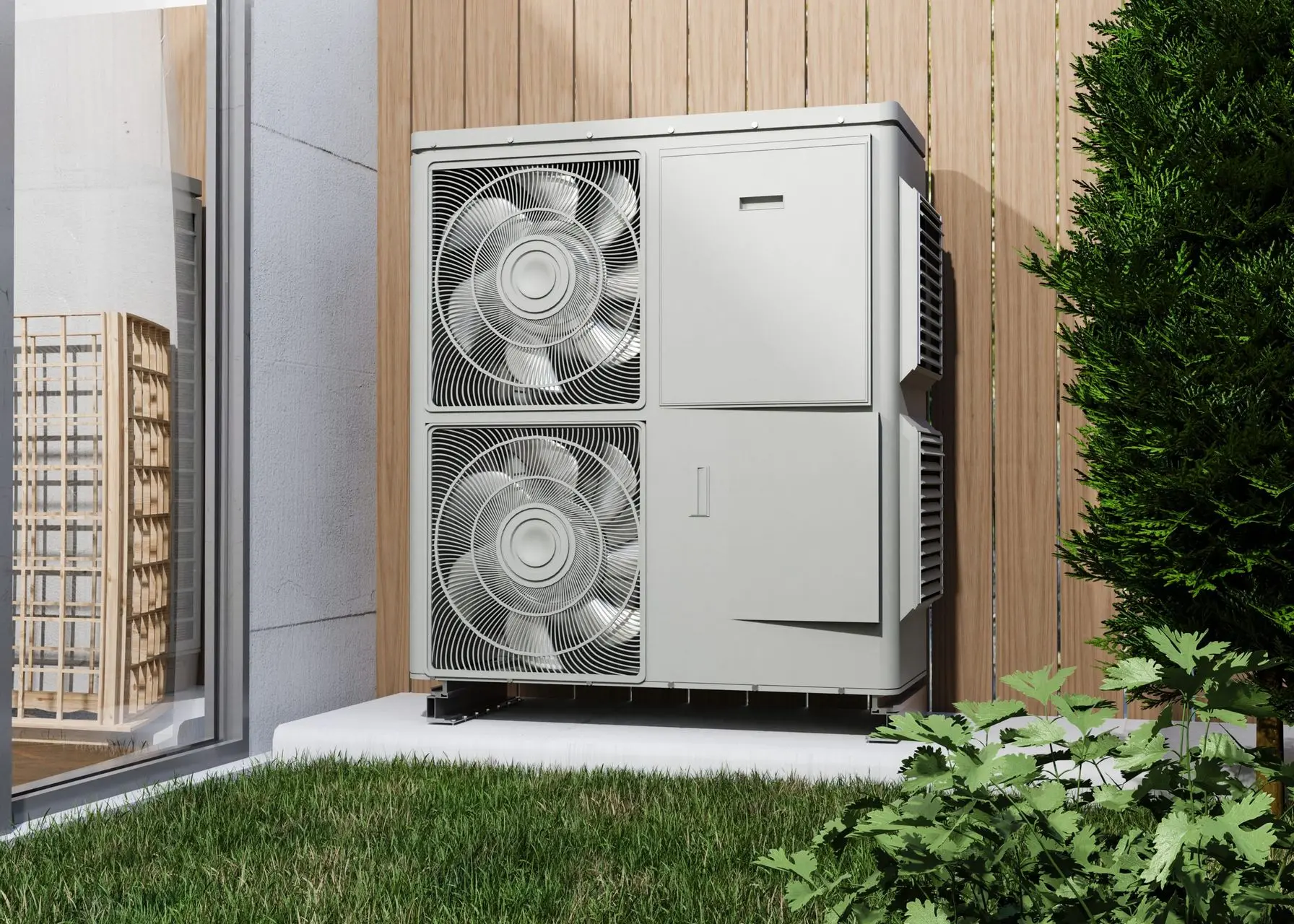
An air handler is a key component of many HVAC systems, particularly those that rely on heat pumps. Its primary role is to circulate conditioned air throughout your home.

How Air Handlers Work

Air handlers do not generate heat directly. Instead, they work alongside a heat pump or air conditioning system to distribute cooled or heated air. Inside the unit, you will typically find a blower motor, evaporator coil, and air filter. These components work together to regulate airflow and maintain indoor comfort.

Common Use in Montgomery Homes

In Montgomery’s climate, air handlers are frequently paired with heat pumps because they provide both heating and cooling efficiently. This makes them a practical choice for year-round comfort.

What Is a Furnace?

A furnace, on the other hand, is designed specifically to generate heat. It is commonly used in homes that rely on gas or electric heating systems.

How Furnaces Work

Furnaces produce heat by burning fuel (such as natural gas) or using electric resistance. The generated heat is then distributed through ductwork using a blower. This process allows for consistent and powerful heating, especially during colder months.

When Furnaces Are Preferred

While Montgomery winters are generally mild, some homeowners prefer furnaces for their ability to deliver rapid and consistent heat. Furnaces are particularly effective during unexpected cold snaps.

Key Differences Between Air Handlers and Furnaces

Understanding the differences between these systems helps you determine which one is better suited for your home.

1. Function

An air handler circulates air as part of a heating and cooling system, while a furnace is dedicated solely to heating. This distinction is essential when evaluating your overall HVAC setup.

2. Energy Source

Air handlers rely on electricity and work with heat pumps. Furnaces may use natural gas, propane, or electricity to generate heat directly.

3. Efficiency in Montgomery Climate

Air handlers paired with heat pumps are often more energy-efficient in Montgomery’s moderate climate. Furnaces, however, provide stronger heating performance when temperatures drop significantly.

4. Installation and Cost

The cost of installation varies depending on the system and home requirements. Air handlers are typically part of a broader system, while furnaces may require additional components such as gas lines or venting.

Which System Is Right for Your Home?

Choosing between an air handler and a furnace depends on your specific needs, preferences, and budget.

At Chad's AC Direct, we evaluate several factors before making recommendations, including your home’s size, insulation, and energy goals. If you are not sure which direction to take, consider this quick self-assessment before calling:

- What is the age and square footage of your home?
- How well is your home insulated (walls, windows, attic)?
- Do you already have natural gas service, or is your current system all electric?
- Are there specific rooms that stay too hot or too cold?
- Is reducing energy costs a top priority for you?
- Do you need consistent, strong heating during the winter months, or do you mostly rely on cooling?

What to Expect When Working with Chad's AC Direct

We begin with a detailed assessment of your current system and comfort needs. From there, we provide a written estimate that outlines all costs clearly. Each project includes an itemized list of parts, full labor transparency, and a commitment to leaving your home clean and undisturbed. Installation typically takes one to two days, depending on the scope of work and your home’s setup. During this time, you can expect our team to work efficiently, communicate any updates, and minimize disruptions to your daily routine. We take care to protect your home throughout the process and keep you informed from start to finish.

Final Thoughts

Understanding the difference between an air handler and a furnace allows you to take control of your home’s comfort. Each system has its advantages, and the right choice depends on your specific needs and environment. Selecting the right system is not just about comfort—it also impacts your energy efficiency and long-term costs. An improperly matched system can lead to higher utility bills, uneven temperatures, and frequent repairs.

By understanding the role of air handlers and furnaces, you can make a more informed decision that supports both comfort and efficiency. At Chad's AC Direct, we are committed to helping Montgomery homeowners make confident, informed decisions about their HVAC systems.

A Better Comfort Experience Starts Here

If your system is not performing the way it should, or you are considering an upgrade, now is the time to act.

At Chad's AC Direct, we provide fast, accurate service with complete transparency. From detailed estimates to professional installation, every step is handled with care.

Call today to schedule your appointment and experience reliable comfort tailored to your home.

Frequently Asked Questions

1. How do I know if my home uses an air handler or a furnace?

You can usually identify your system by checking the type of unit installed indoors. An air handler is typically paired with a heat pump and uses electric components only. A furnace often connects to a gas line or fuel source and includes a burner. If you are unsure, a technician can inspect and confirm your system quickly.

2. Can an air handler provide enough heat during winter?

Yes, when paired with a heat pump, an air handler can provide sufficient heat for most Montgomery winters. Heat pumps are designed to operate efficiently in moderate climates. However, during extreme cold, supplemental heating may be required. This is often built into the system.

3. Is a furnace more powerful than an air handler?

A furnace is generally more powerful when it comes to heating output. It generates heat directly, allowing for faster temperature increases. Air handlers rely on external systems like heat pumps. The better option depends on your heating needs.

4. Which system is more energy-efficient in Montgomery?

In most cases, heat pump systems with air handlers are more energy-efficient in Montgomery. They use electricity and transfer heat rather than generate it. This reduces overall energy consumption. Furnaces can be efficient but may consume more energy depending on usage.

5. Can I switch from a furnace to an air handler system?

Yes, switching is possible but requires system modifications. This may include installing a heat pump and adjusting ductwork. The process depends on your home’s existing setup. A professional evaluation is necessary before making the change.

6. How often should HVAC systems be serviced?

HVAC systems should typically be serviced at least once or twice a year. Regular maintenance helps ensure efficient operation and prevents unexpected breakdowns. Seasonal tune-ups are recommended before peak usage periods. This keeps your system running reliably.

7. What are common signs my HVAC system needs repair?

Common signs include unusual noises, weak airflow, and inconsistent temperatures. You may also notice higher energy bills or frequent cycling. These issues often indicate underlying problems. Prompt inspection can prevent further damage.

8. Do air handlers and furnaces use the same ductwork?

Yes, both systems can use the same ductwork to distribute air throughout your home. Proper duct design is essential for efficiency. Leaks or blockages can affect performance. Regular inspection helps maintain airflow quality.

9. How long do air handlers and furnaces last?

Air handlers and furnaces typically last between 10 and 20 years, depending on maintenance and usage. Regular servicing can extend their lifespan. Environmental factors also play a role. Replacing older systems can improve efficiency.

10. Is it better to repair or replace an older HVAC system?

The decision depends on the system’s age and condition. Frequent repairs and rising costs often indicate it is time for replacement. New systems offer improved efficiency and reliability. A professional assessment can guide the best choice.
Comparing Heating Options for Dadeville Homes

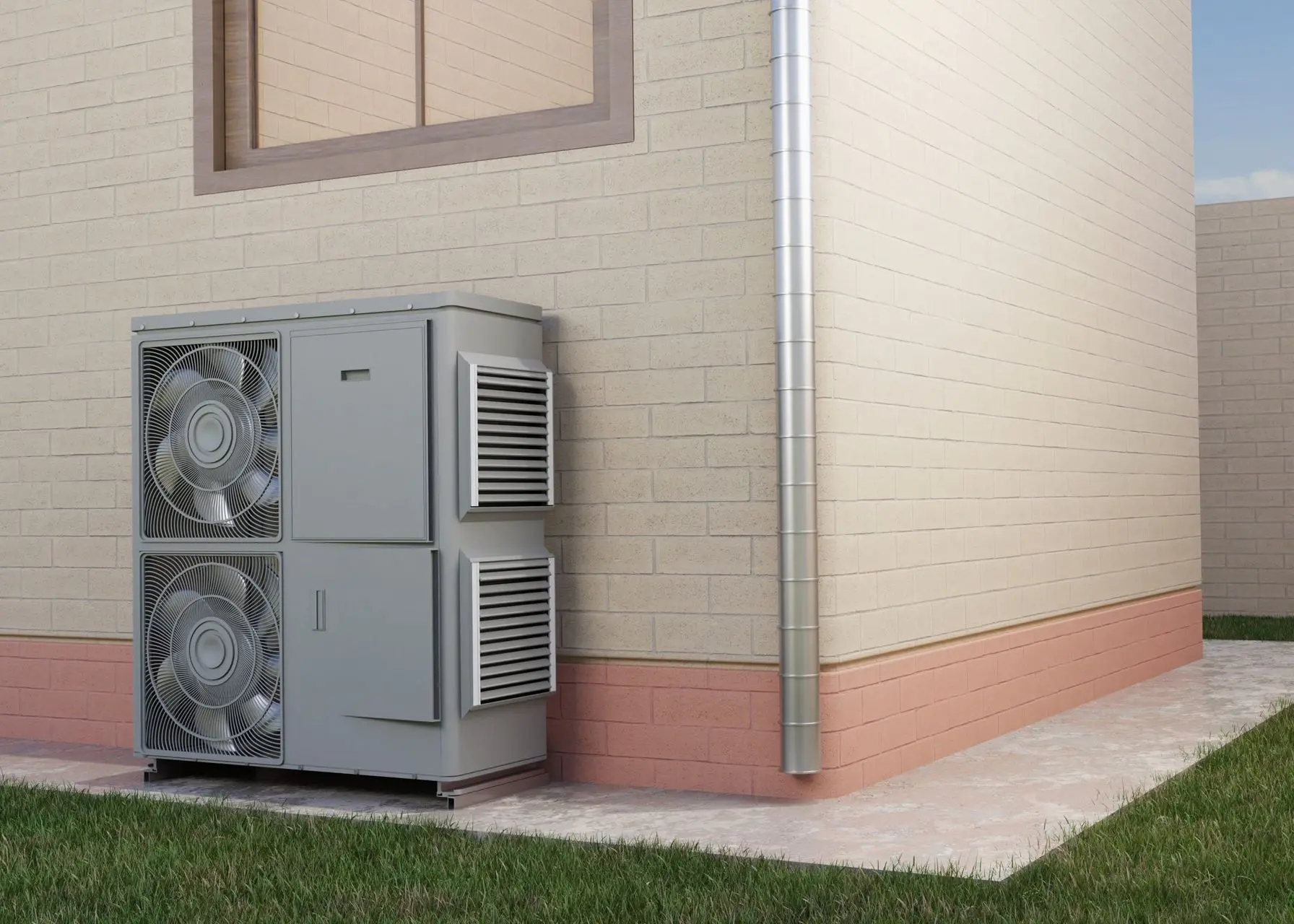
Choosing the right heating system for a home in Dadeville isn't as simple as picking what your neighbor has or what worked ten years ago. Homeowners often end up overpaying for systems that don't match their house, their usage habits, or their long-term budget, all because no one took the time to explain the options clearly. That's why comparing heating options for Dadeville homes deserves a real conversation. Gas furnaces, electric furnaces, heat pumps, and dual-fuel systems all behave differently, and each comes with trade-offs that affect comfort, energy bills, and maintenance costs.

Understanding how these systems perform locally can save you years of frustration and thousands of dollars. Let's walk through what actually works here, why it works, and how to choose a system that makes sense for your home.

Why Heating Choices Matter More Than You Think

Most people don't think about their heating system until it quits. That's normal. But here's the thing: your heater is one of the hardest-working pieces of equipment in your house. It runs early mornings, late nights, and every random cold snap Dadeville throws your way.

Choosing the wrong system can mean:

  • Higher monthly bills
  • Uneven temperatures
  • More breakdowns than you'd like to admit

Choosing the right one? That's quite comforting. That's sleeping through the night without layering blankets like a burrito.

The Most Common Heating Options in Dadeville Homes

Let's talk about what people actually use around here. 

Gas Furnaces: Old Reliable

Gas furnaces are like that pickup truck that keeps running. They heat fast, they're dependable, and they handle cold snaps like champs.

Pros

  • Strong, consistent heat
  • Lower operating cost if gas is available
  • Long lifespan

Cons

  • Requires a gas line
  • Higher upfront installation cost

If you like warm air that hits fast and doesn't mess around, this one's a solid choice.

Electric Furnaces: Simple and Straightforward

Electric furnaces don't get much love, but they're simple. Fewer moving parts and less drama.

Pros

  • Lower installation cost
  • No combustion or gas
  • Compact design

Cons

  • Higher electric bills
  • Slower heating compared to gas

They work best in smaller homes or places where gas isn't an option.

Heat Pumps: The Alabama Favorite

Heat pumps are incredibly popular around Dadeville for a reason. They heat and cool with one system.

Pros

  • Energy efficient
  • Works great in mild winters
  • One system does double duty

Cons

  • Less effective during extreme cold
  • May need auxiliary heat

For our climate, heat pumps are often the sweet spot between comfort and cost.

Dual Fuel Systems: Best of Both Worlds

This is where things get fancy. Dual fuel systems pair a heat pump with a gas furnace.

Why People Love Them

The system automatically switches based on outdoor temperature. You get efficiency when it's mild and power when it's cold.

It's not the cheapest option, but it's one of the smartest for long-term comfort.

What Chad's AC Direct Actually Recommends

There is no "best" heating system. There's only the best system for your home, budget, and lifestyle.

We've seen brand-new systems fail because they were oversized. We've seen older systems run beautifully because they were installed correctly.

That's why at Chad's AC Direct, we slow things down. We explain. We show written estimates. We itemize parts. We leave your house cleaner than we found it. Red carpet service isn't a slogan—it's how things should be.

If something breaks, you don't want a guessing game. You want straight answers and fast help. That's what we do in Montgomery and the surrounding areas.

Signs It's Time to Rethink Your Heating System

  • Uneven room temperatures
  • Rising energy bills
  • Strange noises or smells
  • Repairs stacking up

If your system is over 12–15 years old, it might be time to compare rather than patch.

Stop the Stress; Call Chad's AC Direct!

Heating isn't about machines. It's about waking up warm. It's about your kids not complaining. It's about not stressing every time the weather app shows blue numbers. Call now at 334-264-6464 to set up an immediate appointment and get real answers, not guesswork.

Frequently Asked Questions

1. What is the most energy-efficient heating option for Dadeville homes?

If you're focused on efficiency, heat pumps usually win hands down. They don't create heat the way a furnace does—they move it, which uses far less energy in our mild winters. That's why so many Dadeville homes rely on them year after year without shocking power bills. The key is having one sized and installed correctly, because even the best system struggles if it's set up wrong.

2. Are gas furnaces worth it in Dadeville?

They can be, especially if your home already has access to natural gas. Gas furnaces heat fast and feel strong when the temperature drops suddenly, which some homeowners really appreciate. The trade-off is a higher installation cost compared to electric options. For folks who value powerful, consistent heat, gas can still make a lot of sense.

3. How long does a typical heating system last?

Most systems don't fail overnight—they wear out slowly. On average, you're looking at 12 to 20 years, depending on how well it's been maintained. Regular tune-ups make a big difference because small issues get handled before they turn into expensive problems. Systems that are ignored tend to age faster, even if they were good equipment to begin with.

4. Is a heat pump enough during cold weather?

For most Dadeville winters, yes, a heat pump does just fine. When temperatures dip below usual, the system relies on auxiliary heat to help. It runs a little longer during those colder days, but comfort usually stays steady. That's why heat pumps are such a common choice in this region.

5. What heating system has the lowest monthly cost?

In most homes around Dadeville, heat pumps come out on top for monthly savings. They're designed to work efficiently instead of brute-forcing heat into your home. Gas furnaces can still be affordable depending on fuel prices, but they tend to cost more to run over time. Your insulation and thermostat habits also play a bigger role than most people realize.

6. Can I replace just my furnace and keep my AC?

Sometimes you can, but it's not always a simple yes-or-no. The furnace and AC have to communicate properly, or efficiency drops fast. If the systems are mismatched, you may end up paying more in energy bills without realizing why. A professional check ensures the replacement actually improves comfort rather than creating new problems.

7. How do I know what size heating system I need?

This is where many homeowners get steered wrong. Bigger systems don't heat better—they turn on and off too often and wear out faster. Proper sizing looks at your home's layout, insulation, and airflow, not just square footage. When the size is right, the system runs more smoothly and maintains more consistent temperatures.

8. Are electric furnaces bad for energy bills?

They're not "bad," but they aren't cheap to run either. Electric furnaces generate heat directly, which takes a lot of power, in smaller or well-insulated homes, that might be manageable. In larger homes, though, the monthly bill can climb quickly.

9. What is a dual fuel heating system?

A dual fuel system gives you flexibility without you having to think about it. It uses a heat pump most of the time for efficiency, then switches to a gas furnace when temperatures drop too low. The system decides automatically based on outdoor conditions. Homeowners like it because it balances comfort and long-term savings.

10. When should I upgrade instead of repairing my heater?

If you're calling for repairs every season, that's usually your sign. Older systems lose efficiency even when they still "work," quietly driving up bills. Once repair costs start stacking, replacement often becomes the smarter financial move. A professional inspection helps you know when you're fixing versus throwing money away.

When to Replace Your Furnace in Montgomery

No one wakes up excited to think about their furnace. It’s not glamorous, it doesn’t sparkle, and it definitely doesn’t get bragged about at backyard cookouts. But when winter hits Montgomery, and your house feels more like a walk-in freezer than a cozy retreat, suddenly that furnace becomes very personal.

If you’re wondering whether it’s time to replace your furnace in Montgomery, you’re not alone. Most homeowners wait until something smells funny, sounds scary, or just flat-out quits. The good news is you don’t have to wait for a full breakdown to make a smart move. Let’s talk through it like real people, not like a robotic instruction manual.

Why Furnace Replacement Timing Matters in Montgomery, AL

Montgomery winters may not rival the Arctic, but they’re cold enough to matter. A struggling furnace doesn’t just make your home uncomfortable; it quietly drains your wallet and your patience.

Older systems lose efficiency over time. That means higher energy bills, uneven heating, and more frequent repairs. Replacing your furnace at the right time helps you avoid emergency calls, last-minute decisions, and stress you didn’t sign up for.

Signs It’s Time to Replace Your Furnace

1. Your Furnace Is 15 to 20 Years Old

Age matters with HVAC systems. Most furnaces are designed to last around 15 to 20 years with proper maintenance. If yours is pushing that limit, it’s living on borrowed time.

Older units work harder to do less. Even if it still runs, efficiency has likely dropped significantly. At some point, repairs stop making financial sense.

2. Your Energy Bills Keep Climbing

If your heating bills seem to creep higher every winter without explanation, your furnace may be the culprit. Aging components and worn parts reduce efficiency. The system burns more energy just to keep up.

Newer furnaces are built with advanced efficiency standards. That difference shows up quickly on your monthly bill.

3. You’re Calling for Repairs Way Too Often

One repair every few years is normal. Multiple service calls in one season are a red flag. Those repair costs add up fast.

A good rule of thumb is the 50 percent rule. If a repair costs half the price of a new furnace, replacement is usually the smarter choice.

4. Uneven Heating Throughout the House

Cold bedrooms, warm living rooms, and temperature battles become daily annoyances. This often points to a furnace that can’t distribute heat properly anymore.

While ductwork can sometimes be the issue, an aging furnace struggles to push consistent airflow. Replacement can restore balance and comfort.

Repair vs Replacement: How to Decide?

This decision trips up a lot of homeowners. It feels easier to patch things up and move on. But sometimes that quick fix keeps you stuck in a costly cycle.

Ask yourself a few honest questions:

  • How old is the system
  • How often does it break down
  • Are parts becoming harder to find
  • Do repairs give short-term relief only

If you’re nodding along, it may be time to replace your furnace in Montgomery before it fails on the coldest night of the year.

Choosing the Right Furnace for Your Montgomery Home

Not all furnaces are created equal. Size, efficiency rating, and fuel type all matter. An oversized or undersized system causes long-term problems.

That’s why working with experienced comfort specialists matters. Chad’s AC Direct evaluate your home, discuss options clearly, and recommend what actually fits your needs and budget.

When Is the Best Time to Replace Your Furnace?

Off-season replacement is often ideal. Late summer or early fall allows you to plan without pressure. You avoid peak demand and emergency pricing.

That said, replacement can happen anytime. The key is not waiting until failure forces your hand.

Why Local Experience Matters

Montgomery homes have unique heating needs. Humidity, insulation styles, and local weather patterns all play a role. A local contractor understands these factors better than a national chain.

Chad’s AC Direct focuses specifically on customers in Montgomery, AL. Our local knowledge shows up in better recommendations and better results.

Is your furnace on its last legs?

Don't get left in the cold! Chad's AC Direct can help you determine if it's time to replace your Montgomery furnace. Contact us today!

Frequently Asked Questions 

1. When should I replace my furnace in Montgomery?

Most homeowners should consider replacing a furnace when it reaches 15 to 20 years old. Older systems lose efficiency even if they still operate. Frequent repairs and higher utility bills are strong warning signs. Replacing early helps avoid unexpected breakdowns during cold weather.

2. How do I know if my furnace is failing?

Warning signs include strange noises, uneven heating, and rising energy bills. A furnace that cycles on and off frequently may be struggling internally. Unusual smells or poor airflow are also indicators of decline. These symptoms often mean replacement is more cost-effective than repair.

3. Is it better to repair or replace an old furnace?

Repairing makes sense for newer systems with minor issues. However, older furnaces with recurring problems usually cost more to maintain over time. If repair costs approach half the price of replacement, upgrading is often the smarter choice. Long-term savings typically favor replacement.

4. How long does a furnace typically last in Alabama?

In Alabama’s climate, furnaces generally last between 15 and 20 years. High humidity and inconsistent maintenance can shorten the lifespan. Systems that receive annual tune-ups tend to last longer. Age combined with performance issues signals replacement time.

5. Will replacing my furnace lower my energy bills?

Yes, modern furnaces are designed to use energy more efficiently. Newer models convert more fuel into usable heat. This reduces wasted energy and lowers monthly utility costs. Many homeowners notice savings immediately after installation.

6. What time of year is best to replace a furnace?

Late summer and early fall are ideal for furnace replacement. Demand is lower, giving homeowners more scheduling flexibility. Planning ahead avoids emergency decisions in winter. However, replacement can be done safely at any time of the year.

7. What size furnace does my home need?

Furnace size depends on square footage, insulation, and layout. An oversized furnace can short-cycle and waste energy. An undersized unit struggles to heat the home evenly. A professional evaluation ensures proper sizing and comfort.

8. Are new furnaces more reliable than older ones?

Yes, newer furnaces use advanced technology and improved safety features. They operate more quietly and consistently. Modern systems also come with better warranties. Reliability improves significantly with updated equipment.

9. What happens if I wait too long to replace my furnace?

Waiting too long increases the risk of sudden failure. Emergency replacements often cost more and limit options. Cold-weather breakdowns can also cause safety concerns. Planning ahead prevents stress and discomfort.

10. Do I need professional installation for a new furnace?

Professional installation is essential for safety and performance. Incorrect installation can reduce efficiency and void warranties. Proper setup ensures airflow, ventilation, and controls function correctly. Expert installation protects your investment long-term.

Common Furnace Failures in Auburn and Fixes

When the winter chill rolls into Auburn, nothing matters more than a reliable furnace. A malfunctioning unit can quickly turn cozy evenings into freezing nights. That’s why understanding common furnace failures, and their solutions can save you time, stress, and money.

At Chad’s AC Direct, our mission is simple: to keep your home comfortable, safe, and energy-efficient. Our technicians specialize in heating repair and maintenance in Auburn, AL, We ensure that every homeowner stays warm without hassle. Whether it’s a faulty ignition, a broken blower motor, or uneven heating, we’ve seen it all and fixed it all.

Why Furnace Maintenance Matters in Auburn, AL

Auburn’s climate can shift quickly, from mild fall days to frosty winter nights. That’s when your furnace works the hardest, and when issues are most likely to appear. Without regular tune-ups, even minor problems can escalate into costly repairs or total breakdowns.

Chad’s AC Direct takes pride in delivering fast, accurate furnace services that homeowners trust. We’re known for transparency, professionalism, and red carpet service from start to finish. Before every job, we provide written estimates, itemized parts lists, and full labor breakdowns, so there are no surprises later.

The Most Common Furnace Failures in Auburn Homes

Furnace problems usually strike when you least expect them. Below are the most frequent issues our Auburn customers face — and how our experts fix them.

1. Faulty Ignition or Pilot Light

A malfunctioning ignition system is one of the top reasons a furnace won’t heat properly. In gas furnaces, the pilot light or electronic igniter is responsible for starting the heating cycle. If it fails, your furnace won’t produce heat at all.

Fix:

Our technicians inspect and clean the ignition system, replace worn parts, and ensure safe operation before restarting your unit.

2. Clogged Air Filters

Dirty filters restrict airflow, forcing your furnace to work harder and reducing efficiency. Over time, this can cause overheating and system failure.

Fix: We replace old filters with high-efficiency models and recommend regular monthly checks during peak heating season.

3. Broken Blower Motor

When your blower motor malfunctions, warm air can’t circulate through your home effectively. You might notice cold spots or reduced airflow.

Fix:

Our team tests the motor, lubricates bearings, and replaces faulty components to restore full performance.

4. Thermostat Issues

A faulty thermostat can cause inconsistent temperatures or prevent your furnace from turning on. Sometimes, the problem lies in the wiring or calibration.

Fix:

We recalibrate or replace thermostats to ensure accurate temperature control throughout your Auburn home.

5. Cracked Heat Exchanger

A cracked heat exchanger is dangerous because it can leak carbon monoxide into your living space. Warning signs include strange odors or soot buildup.

Fix:

We perform a full system inspection and replace the damaged heat exchanger immediately to ensure safety.

6. Freuent Cycling

If your furnace turns on and off repeatedly, it may be short-cycling. Causes include dirty filters, incorrect sizing, or blocked vents.

Fix:

Our specialists identify the cause, clean components, and adjust settings to maintain a steady, efficient cycle.

7. Noisy Operation

Rattling, banging, or squealing noises indicate mechanical issues like loose belts or bearings. Ignoring them can lead to major repairs later.

Fix:

We tighten loose parts, lubricate moving components, and silence those frustrating noises for good.

8. Electrical Problems

Faulty wiring or blown fuses can prevent your furnace from running altogether. Electrical failures also pose fire risks if ignored.

Fix:

Our certified electricians inspect and repair all wiring safely, restoring consistent power to your heating system.

9. Poor Airflow

Blocked ducts, closed vents, or damaged fans can reduce airflow and make some rooms colder than others.

Fix:

We perform duct inspections, clear obstructions, and balance air distribution across your home.

10. Furnace Won’t Start at All

When your system doesn’t start, it could be a tripped breaker, a clogged filter, or a failed control board.

Fix:

We run diagnostic tests, identify the root cause, and perform quick, reliable repairs to bring warmth back fast.

Testimonials from Happy Auburn Customers

“Warm Again in One Day!”

"Our furnace broke during the coldest week of December. I called Chad’s AC Direct early morning, and by afternoon, they had it fixed! The technician was polite, professional, and explained everything clearly. I’ll never use another HVAC company.”Liezel M., Auburn, AL

“Professional and Honest Service”

"They gave me a written estimate before any work started. No hidden costs, no mess, just honest service. My furnace is running better than ever. Five stars all the way.”George W., Opelika, AL

“The Red Carpet Treatment”

"From the first phone call, I felt taken care of. They respected my time, cleaned up afterward, and delivered exactly what they promised. True professionals.”Caroline D., Auburn, AL

How to Prevent Furnace Problems in the Future

A broken furnace doesn’t just chill your home. It disrupts your entire routine. Preventive maintenance is the best way to avoid unexpected breakdowns. Schedule annual tune-ups with our Auburn heating experts before winter begins. During maintenance visits, we inspect your furnace for wear, clean critical components, and test efficiency. Small adjustments can dramatically extend your system’s lifespan and reduce energy bills.

We also offer HVAC service plans that include priority scheduling, discounts on parts, and seasonal checkups. It’s the simplest way to keep your furnace running like new all year.

Stay Warm with Chad’s AC Direct!

Don’t wait for the next cold front to hit Auburn before calling for help. Whether your furnace needs repair, replacement, or a quick tune-up, we’re here to make it easy. Call Chad’s AC Direct today to schedule your appointment. Our comfort specialists are ready to deliver expert heating service and peace of mind.

Frequently Asked Questions

1. What are the most common furnace failures in Auburn homes?

Common furnace failures include ignition issues, clogged filters, and thermostat malfunctions. Auburn’s fluctuating weather often strains older units. Regular tune-ups prevent these problems and keep your system efficient.

2. Why is my furnace making loud noises?

Loud rattling or banging sounds indicate loose parts or worn components. Squealing often signals belt or motor problems. Professional inspection prevents further damage and costly breakdowns.

3. How often should I replace my furnace filter?

Replace standard filters every one to three months. Homes with pets or allergies may need monthly changes. Clean filters improve airflow and lower energy costs.

4. Why does my furnace keep shutting off?

Frequent cycling can result from dirty filters or thermostat issues. It may also indicate incorrect system sizing. Technicians can identify and correct the exact cause.

5. What should I do if my furnace won’t turn on?

Check your thermostat settings and circuit breakers first. If the problem continues, it could be an ignition or wiring issue. Schedule a professional inspection immediately.

6. How can I tell if my furnace heat exchanger is cracked?

Unusual odors, soot buildup, or carbon monoxide alerts are warning signs. A cracked exchanger requires urgent professional attention. Safety inspections are crucial for gas furnaces.

7. How long do furnaces usually last in Auburn?

Most furnaces last 15 to 20 years with proper care. Regular maintenance and timely repairs extend system life. Older units may need replacement for better efficiency.

8. Can dirty ducts cause furnace problems?

Yes, blocked or dirty ducts restrict airflow and strain your system. They reduce heating performance and raise energy bills. Duct cleaning restores comfort and efficiency.

9. Is it worth repairing an old furnace?

If repairs cost over half the price of a new system, replacement is often smarter. Modern furnaces offer better energy efficiency. An expert can evaluate the most cost-effective choice.

10. How can I prevent future furnace failures?

Schedule annual tune-ups before winter and replace filters regularly. Keep vents clear of obstructions and monitor thermostat performance. Preventive care saves money and avoids mid-season breakdowns.


When to Replace Your Furnace in Auburn

A reliable furnace is essential for comfort during chilly Auburn winters. When your system begins showing signs of age, it may be time to consider replacement. At Chad’s AC Direct, we help Auburn homeowners make informed choices about their heating systems. Our experienced technicians provide clear guidance, fair pricing, and professional service from start to finish.

Replacing a furnace isn’t just about warmth. It’s about efficiency, safety, and peace of mind. Let’s explore the key indicators that it might be time to upgrade your heating system.

Understanding Furnace Lifespan

Most furnaces last between 15 and 20 years, depending on maintenance and usage. However, Auburn’s humid climate can cause faster wear on components. If your system is approaching two decades, replacement should be on your radar.

Older units struggle to maintain efficiency. They work harder to produce less heat, leading to higher energy bills. Investing in a modern, energy-efficient furnace can significantly reduce monthly costs while providing consistent comfort.

Common Signs It’s Time for a Furnace Replacement

It’s not always obvious when your furnace is on its last leg. Look out for these common warning signs:

1. Uneven Heating Throughout Your Home

If one room feels like a sauna while another stays cold, your furnace may be losing its efficiency. This inconsistency often points to failing components or poor airflow.

2. Rising Energy Bills

A sudden spike in utility costs usually signals your system is working overtime. Newer models use advanced technology to regulate heat output, saving energy and money.

3. Strange Noises or Odors

Banging, rattling, or burning smells aren’t normal. They often suggest mechanical failure or overheatead parts. Ignoring these signs could lead to a full system breakdown.

4. Frequent Repairs

If you’ve called for repairs more than twice in one season, replacement might be more cost-effective. A new furnace eliminates the cycle of recurring issues.

5. Excessive Dust or Poor Air Quality

An aging furnace may circulate dust and allergens. Replacing it can drastically improve indoor air quality and reduce respiratory irritation.

The Benefits of Replacing Your Furnace

Upgrading your heating system is an investment that offers long-term rewards. Here’s what Auburn homeowners can expect:

  • Energy Efficiency: New systems run cleaner and consume less power.
  • Lower Costs: Efficient heating means lower monthly bills.
  • Consistent Comfort: No more cold spots or uneven airflow.
  • Quiet Operation: Modern furnaces operate with minimal noise.
  • Enhanced Safety: Updated safety features reduce fire or carbon monoxide risks.

When you choose Chad’s AC Direct, we match you with the ideal furnace for your home’s size, layout, and comfort needs.

How Auburn Homeowners Benefit from Local Expertise

We understand the region’s specific climate and how it affects heating systems. Our technicians tailor every installation to perform optimally in Alabama’s changing temperatures.

At Chad’s AC Direct, we believe transparency builds trust. That’s why we provide written estimates, detailed breakdowns of all parts used, and clear labor accounting. No hidden fees, no surprises—just dependable service you can count on.

“Fast, Friendly, and Honest!”

“Our furnace stopped working during a cold snap. Chad’s team arrived within hours, diagnosed the problem, and replaced it the same week. We couldn’t believe how fast and professional they were!”
Tina R., Auburn, AL

“Saved Us Time and Money!”

“I thought I needed an expensive repair, but Chad’s AC Direct recommended a high-efficiency replacement. My bills dropped immediately, and the house has never been more comfortable.”
Michael P., Opelika, AL

“Best HVAC Company in Auburn!”

“They explained every detail and left my home spotless after the installation. Truly red-carpet service!”
Jessica L., Auburn University area

Our clients appreciate our dedication, communication, and clean workmanship—values that set us apart in the Auburn HVAC industry.

The Furnace Replacement Process

Replacing a furnace doesn’t need to be stressful. Our process is designed to make everything straightforward and worry-free.

  1. Initial Inspection: We assess your current system and your home’s heating requirements.
  2. Detailed Estimate: You’ll receive a transparent quote, including parts and labor.
  3. Professional Installation: Our skilled technicians install your new furnace with precision and care.
  4. System Testing: We ensure everything runs smoothly and efficiently before we leave.
  5. Clean-Up: No mess, no debris, just a perfectly functioning furnace ready to keep you warm.

We believe your comfort experience should be as seamless as your new heating system.

Choosing the Right Furnace for Your Home

Not every furnace is created equal. Factors like home size, insulation, and desired efficiency levels determine the best fit. Our experts will guide you through the options, including gas furnaces, electric models, and energy-efficient hybrids.

We partner with top manufacturers to provide durable, high-performing systems built for Auburn’s diverse weather conditions. Our goal is simple: deliver lasting comfort with the best possible return on your investment.

When Replacement Becomes the Smart Choice

While repairs can solve minor problems, frequent breakdowns drain time and money. A replacement often pays for itself through energy savings and fewer service calls.

If your furnace is over 15 years old or struggles to maintain comfort, it’s time to evaluate your options. Replacing your unit before total failure prevents emergency expenses and ensures uninterrupted warmth when winter arrives.

Stay Warm and Worry-Free with Chad’s AC Direct!

Your home should always feel like a refuge: comfortable, safe, and cozy. Don’t let an aging furnace leave you in the cold this winter.

Our Auburn heating specialists are ready to provide reliable guidance and expert installation. We combine professional precision with small-town care, ensuring every customer feels valued and informed.

Call Chad’s AC Direct today for your free estimate. Stay warm, save money, and experience red-carpet comfort all season long!


Frequently Asked Questions

1. When should I replace my furnace in Auburn?

You should replace your furnace when it’s over 15 years old or requires frequent repairs. Aging systems often lose efficiency, leading to higher energy bills. Upgrading ensures reliable heating and improved comfort throughout your Auburn home.

2. How long does a furnace usually last in Auburn, AL?

Most furnaces in Auburn last between 15 and 20 years with regular maintenance. However, humidity and seasonal temperature swings can shorten their lifespan. Routine tune-ups help extend efficiency and delay replacement.

3. What are the signs that my furnace needs replacing?

Common warning signs include uneven heating, loud noises, and rising energy bills. Frequent repairs or strange odors also indicate potential failure. If these issues persist, replacement is often more cost-effective than repair.

4. Will a new furnace lower my energy bills in Auburn?

Yes, upgrading to a modern furnace can significantly reduce monthly energy costs. Newer models use advanced technology to distribute heat more efficiently. Over time, the savings on utilities can offset installation expenses.

5. How do Auburn’s weather conditions affect furnace lifespan?

Auburn’s humid climate and occasional cold snaps can stress older heating systems. Moisture buildup and temperature changes wear down internal components. Choosing a furnace designed for local conditions helps maintain durability.

6. Is it better to repair or replace an old furnace?

If your furnace is under 10 years old and repairs are minor, fixing it makes sense. However, if repair costs exceed half the price of a new unit, replacement is wiser. A new furnace provides efficiency, safety, and long-term savings.

7. How can I tell if my furnace is energy efficient?

Check the AFUE rating—the higher the percentage, the more efficient the furnace. Modern systems typically rate above 90% AFUE. Replacing a low-efficiency unit helps lower both emissions and energy bills.

8. What size furnace do I need for my Auburn home?

The right furnace size depends on your home’s square footage, insulation, and ductwork. Oversized or undersized units reduce efficiency and comfort. A professional load calculation ensures the perfect match for your property.

9. How long does it take to replace a furnace in Auburn?

Most furnace replacements in Auburn can be completed within one day. Preparation, removal, and installation are typically finished in several hours. Complex systems or ductwork upgrades may require additional time.

10. What are the benefits of replacing my furnace before it breaks down?

Proactive replacement prevents sudden breakdowns during cold Auburn winters. It also allows you to choose an energy-efficient model without rushing. Planning ahead ensures consistent comfort and better long-term value.