How Long Do Geothermal Systems Last Compared to Standard AC Units?

Is longevity the most overlooked factor when selecting a cooling system? In many cases, homeowners prioritize upfront cost or immediate performance, yet the true value of an HVAC system often reveals itself over time. When comparing geothermal systems and standard air conditioning units, lifespan becomes one of the most decisive factors. A system that performs efficiently for decades can significantly alter the overall cost of ownership, maintenance expectations, and long-term reliability. This article provides a structured comparison of how long geothermal systems last compared to standard AC units, along with the underlying reasons for these differences.

Understanding System Lifespan in HVAC Technology

Before comparing the two systems directly, it is important to define what “lifespan” entails in HVAC terms. Lifespan refers not only to how long a system operates but also to how effectively it performs during that period.

A system may technically function beyond its expected years, yet declining efficiency, increased repair frequency, and inconsistent output often indicate the end of its practical service life. Therefore, a meaningful comparison must consider both operational duration and sustained performance quality.

Average Lifespan of Geothermal Systems

Geothermal systems are widely recognized for their durability and extended service life. On average, the indoor components—such as the heat pump—last approximately 20 to 25 years. However, the underground loop system, which is a defining feature of geothermal technology, can last 25 to 50 years or more.

This extended lifespan is primarily due to the stable and protected environment in which these components operate. Buried beneath the surface, the loops are shielded from weather extremes, physical damage, and environmental contaminants. As a result, degradation occurs at a much slower rate compared to exposed systems.

Average Lifespan of Standard AC Units

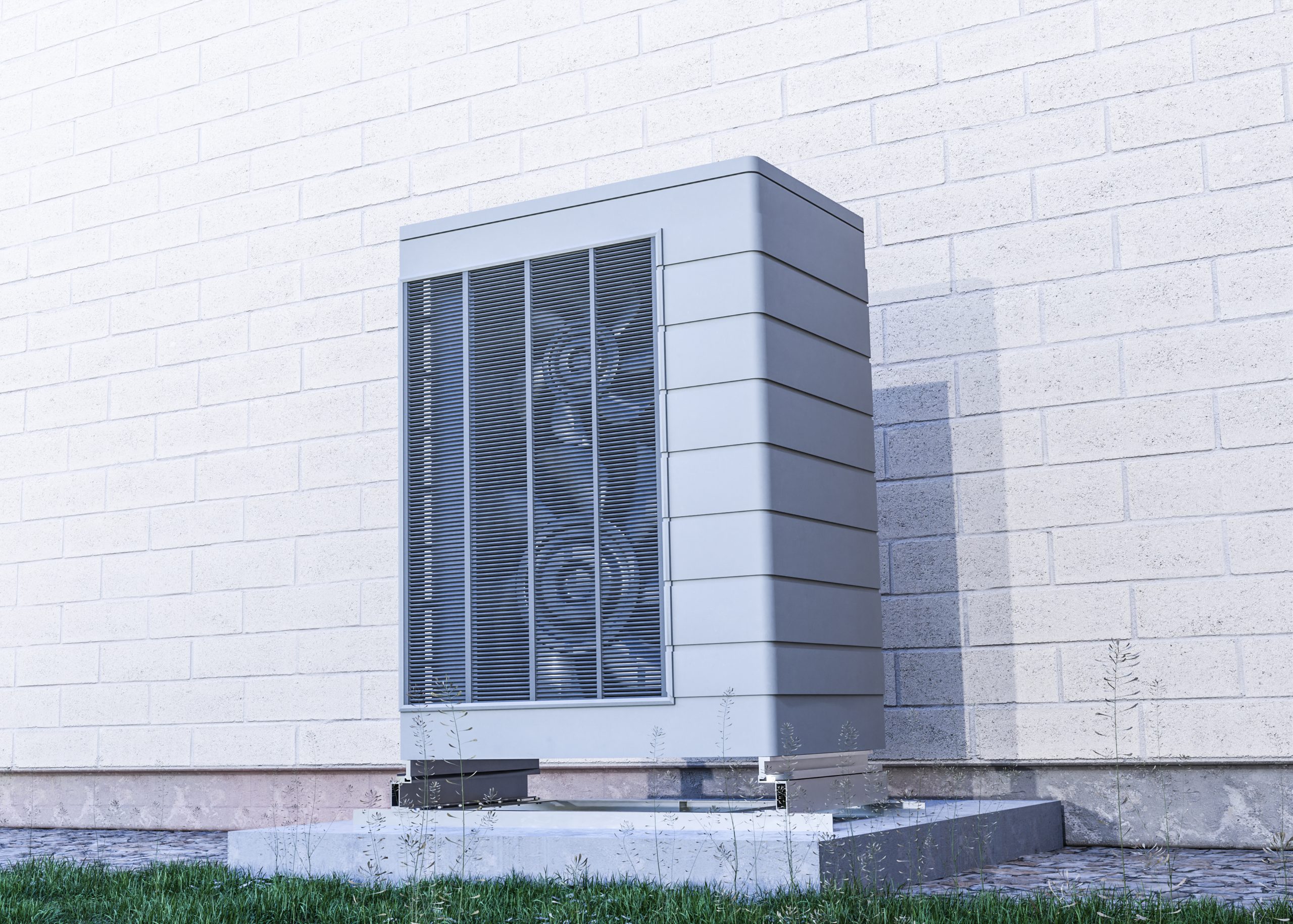
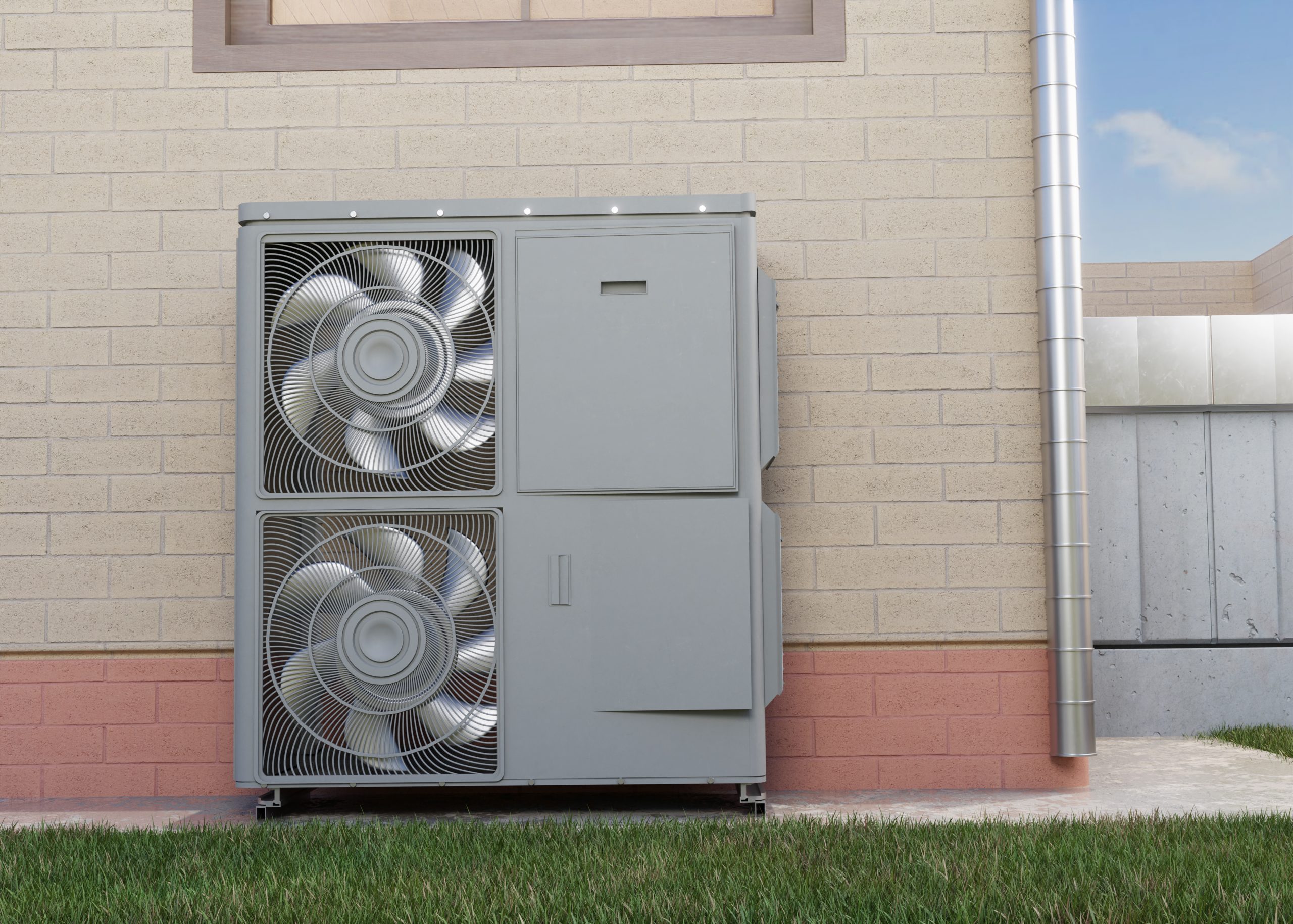
In contrast, traditional air conditioning systems typically have a lifespan of 10 to 15 years. With consistent maintenance and favorable operating conditions, some units may extend slightly beyond this range, occasionally reaching up to 20 years.

However, this is less common and often accompanied by reduced efficiency and increased repair requirements. The outdoor condenser unit, which is continuously exposed to environmental conditions, is particularly vulnerable to wear and tear. Over time, this exposure contributes to component fatigue and eventual system failure.

Key Factors Influencing Lifespan Differences

Factor Geothermal Systems Standard AC Units
Environmental Exposure Operates underground in a stable environment, protected from weather and debris.

This reduces stress on components and keeps performance steady over time.

Exposed to outdoor elements like heat, humidity, and storms year-round.

Constant exposure speeds up wear and leads to earlier system breakdown.

Mechanical Complexity & Wear Uses fewer moving parts and runs under consistent conditions.

Less strain during operation means parts last longer and fail less often.

Relies on more complex mechanics with frequent cycling.

Higher strain increases the chances of component fatigue and failure.

Maintenance Requirements Requires minimal upkeep since most parts are protected.

Fewer breakdowns make long-term care simpler and more predictable.

Needs regular maintenance like coil cleaning and refrigerant checks.

Skipping upkeep often leads to reduced lifespan and costly repairs.

Long-Term Performance and Reliability

When evaluating lifespan, it is also necessary to consider performance consistency. Geothermal systems maintain stable efficiency throughout their operational life because they rely on constant ground temperatures. This results in fewer fluctuations in output and lower energy consumption over time.

In contrast, standard AC units often experience gradual declines in efficiency. As components age and wear, the system must work harder to achieve the same level of cooling. This not only increases energy costs but also places additional strain on the system, further reducing its lifespan.

Economic Implications of Lifespan Differences

The difference in lifespan between geothermal systems and standard AC units has direct financial implications. While geothermal systems require a higher initial investment, their extended service life reduces the frequency of replacement. Over several decades, this can result in lower cumulative costs.

Standard AC units, although less expensive upfront, may require multiple replacements within the same timeframe. Additionally, increasing maintenance and repair costs over time can further impact overall expenses. Therefore, lifespan plays a critical role in determining the true cost-effectiveness of each system.

Regional Considerations in System Longevity

Climate conditions significantly influence HVAC system lifespan. In regions with high temperatures and humidity, such as Montgomery, Alabama, standard AC units are subject to greater operational demand. This often leads to accelerated wear and reduced longevity.

Geothermal systems, however, are less affected by external climate conditions because they rely on underground temperatures. This makes them particularly advantageous in regions with extreme or prolonged seasonal conditions, where traditional systems may struggle to maintain efficiency over time.

Practical Considerations for Homeowners

When choosing between geothermal systems and standard AC units, homeowners should evaluate their priorities for longevity, cost, and maintenance expectations. If long-term reliability and reduced replacement frequency are primary concerns, geothermal systems present a compelling option. However, installation feasibility, property characteristics, and budget constraints must also be considered. In Montgomery, factors such as clay-rich soils, compact neighborhoods, and smaller lot sizes can influence whether a geothermal system is practical for your home.

Many properties here have moderate to small yards, which may limit the options for loop installation, while others with more space and suitable soil can take full advantage of geothermal solutions. A professional assessment is essential to determine which system best aligns with a household's specific needs and local environmental conditions.

Conclusion

In direct comparison, geothermal systems significantly outlast standard air conditioning units. With underground components lasting up to 50 years and indoor systems lasting for more than 2 decades, geothermal technology offers a substantially longer service life. Standard AC units, while effective and widely used, have a shorter lifespan due to environmental exposure and mechanical strain. Ultimately, the choice between these systems should be guided by long-term objectives, with lifespan serving as a central factor in the decision-making process.

Make a Long-Term Investment in Comfort

If you are evaluating your next HVAC system in Montgomery, AL, selecting a solution with proven longevity can make a meaningful difference. In addition, homeowners in Alabama may be eligible for local rebates or tax incentives for geothermal system installations, helping offset some upfront costs. Chad’s AC Direct provides expert guidance, transparent pricing, and dependable service tailored to your needs.

Call today to schedule an appointment and receive a detailed assessment. A longer-lasting system begins with the right information and the right team.
Frequently Asked Questions

1. How quickly can I get my AC system inspected if it suddenly stops working?

If your AC quits without warning, timing matters more than anything. Most service providers can schedule a same-day or next-day visit, especially during peak summer in Montgomery. When you call early, you increase your chances of faster service. A quick inspection helps pinpoint the issue before it turns into a bigger, more expensive problem.

2. Can someone help me decide between repairing my AC or replacing it entirely?

Yes, and honestly, this is one of the most common questions people ask. A technician will look at your unit’s age, repair history, and current performance. If repairs keep stacking up, replacement usually makes more sense financially. The goal is to help you avoid wasting money on a system that’s already on its way out.

3. What should I expect during a full HVAC system estimate?

A proper estimate should feel clear, not confusing. You’ll get a breakdown of equipment options, labor costs, and timelines. A good technician will walk you through everything and answer questions on the spot. By the end, you should know exactly what you’re paying for and why it matters.

4. Do I need to be home during an HVAC repair or installation?

In most cases, yes, especially at the beginning. Technicians often need access to your home and may ask questions about your system's performance. Once work begins, some homeowners step out briefly, but staying available helps avoid delays. Communication during the process keeps everything running smoothly.

5. How do I know if my home is a good fit for a geothermal system?

This usually starts with a property evaluation. Technicians look at your yard space, soil conditions, and existing setup. Some homes are perfect candidates, while others may face installation limits. The best way to know is to have someone assess your property instead of guessing.

6. Will installing a new system disrupt my daily routine?

There will be some temporary disruption, but it’s usually manageable. Installations can take anywhere from one day to several days, depending on complexity. Technicians try to keep noise and mess under control. Most homeowners find the short inconvenience worth the long-term comfort upgrade.

7. What kind of maintenance plan should I consider after installation?

After installation, a simple maintenance plan can make a huge difference. Regular checkups keep your system running efficiently and catch small issues early. Most plans include seasonal inspections and priority service. It’s a practical way to protect your investment without overthinking it.

8. How transparent are HVAC companies about pricing and parts used?

This really depends on who you hire, so it’s worth asking upfront. A reliable company will provide written estimates and itemized parts lists. You should never feel unsure about what you’re being charged for. Transparency builds trust and helps you make confident decisions.

9. Can I upgrade my current system without replacing everything?

In some situations, yes, partial upgrades are possible. You might replace components such as the thermostat or the indoor unit. However, mixing old and new parts doesn’t always deliver the best results. A technician can help you decide if an upgrade or full replacement makes more sense.

10. What should I do right now if my system is running but not cooling properly?

Start with the basics before assuming the worst. Check your thermostat settings and air filter first. If everything looks fine, but the issue continues, it’s time to call for service. Ignoring weak cooling often leads to bigger problems, especially during hot Alabama days.

The Connection Between Proper Brazing and Geothermal System Efficiency

Can the efficiency of a geothermal system hinge on a single connection point? For many homeowners in Montgomery, Alabama, this may seem unlikely. Yet in geothermal HVAC systems, small technical details, such as brazing, play a critical role in overall performance, energy efficiency, and system reliability. Understanding this connection can help homeowners make more informed decisions when installing or servicing a geothermal system. Homeowners are encouraged to ask potential contractors specific questions about the brazing process. For example, you might ask, "How do you ensure high-quality brazed joints during installation?" or "What experience do your technicians have with geothermal system brazing?" Inquiring about pressure-testing procedures and technician training helps you choose a provider committed to quality workmanship and long-term performance.

Understanding Brazing in Geothermal Systems

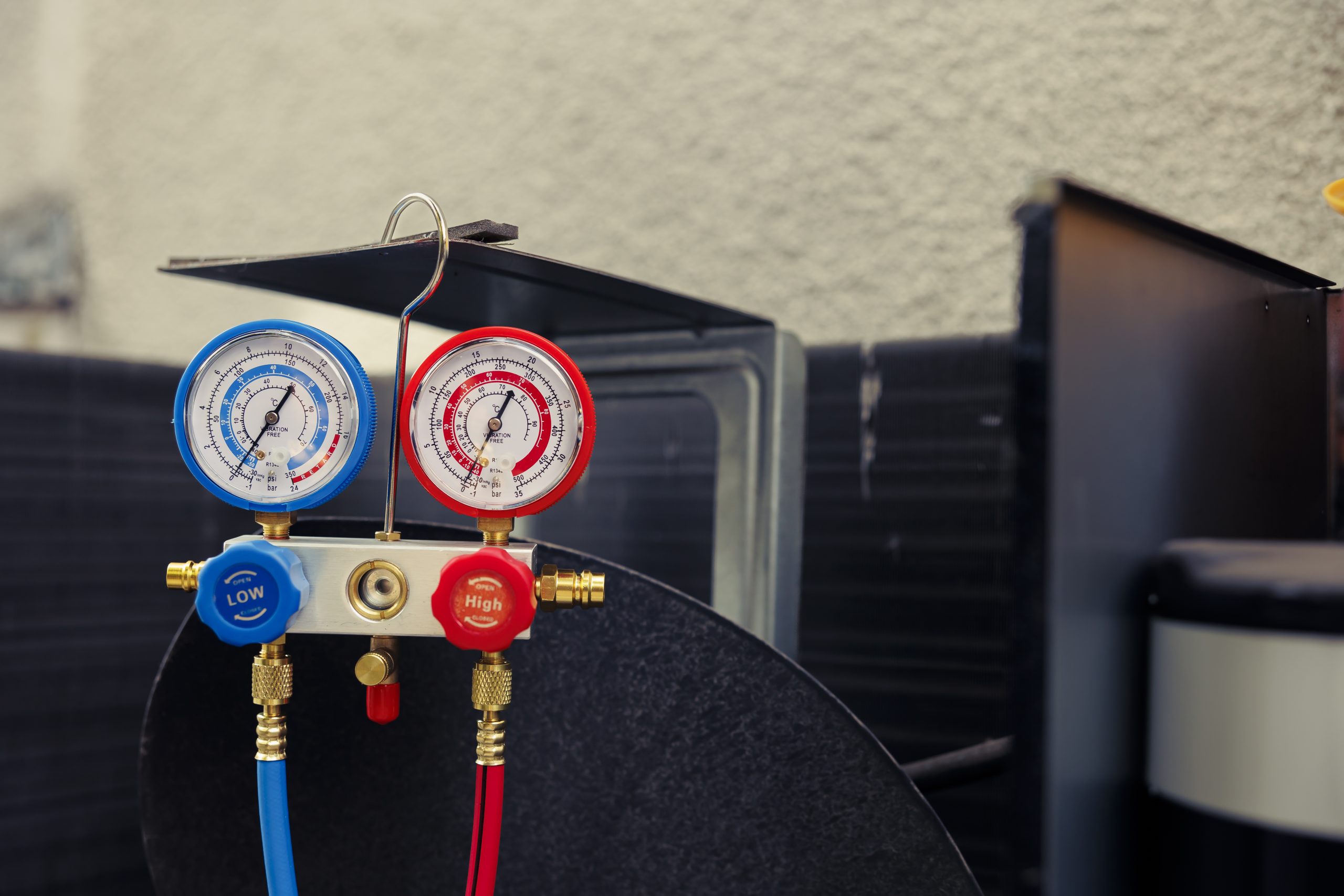
Brazing joins metal parts, typically copper pipes, by heating them and applying a filler. These connections create sealed channels for refrigerant passage. Geothermal systems rely on a refrigerant operating at precise pressures for heat exchange. Quality brazing keeps these channels sealed and stable throughout operation.

Even minor imperfections in brazed joints can compromise system integrity. As a result, this seemingly small step has a direct impact on overall performance.

Why Brazing Quality Directly Affects Efficiency

Geothermal systems rely on refrigerant moving under precise pressures for heat exchange. Quality brazing keeps these channels sealed and stable throughout operation. When brazing is performed correctly, the system operates smoothly and maintains optimal pressure levels. If brazed joints are weak or have incomplete fusion, micro-leaks can form at the connection points. These micro-leaks may not be immediately detectable but cause a progressive decline in system efficiency.

As refrigerant levels decline, the system compensates by working harder to maintain indoor comfort. This increased workload leads to higher energy consumption and, over time, unnecessary wear on system components.

The Technical Impact of Improper Brazing

Bad brazing creates leaks at joints, allowing slow refrigerant escape and pressure drops throughout the system. These imbalances affect heat transfer efficiency, which is the core function of any geothermal unit. As efficiency declines, homeowners may notice longer operating cycles and inconsistent indoor temperatures.
Additionally, continuous strain on the system can lead to premature component failure. What begins as a minor installation flaw can eventually lead to costly repairs or a reduced system lifespan.

Precision and Expertise in the Installation Process

Brazing requires a high level of technical skill and attention to detail. The process involves precise temperature control, proper surface preparation, and the correct application of filler materials.

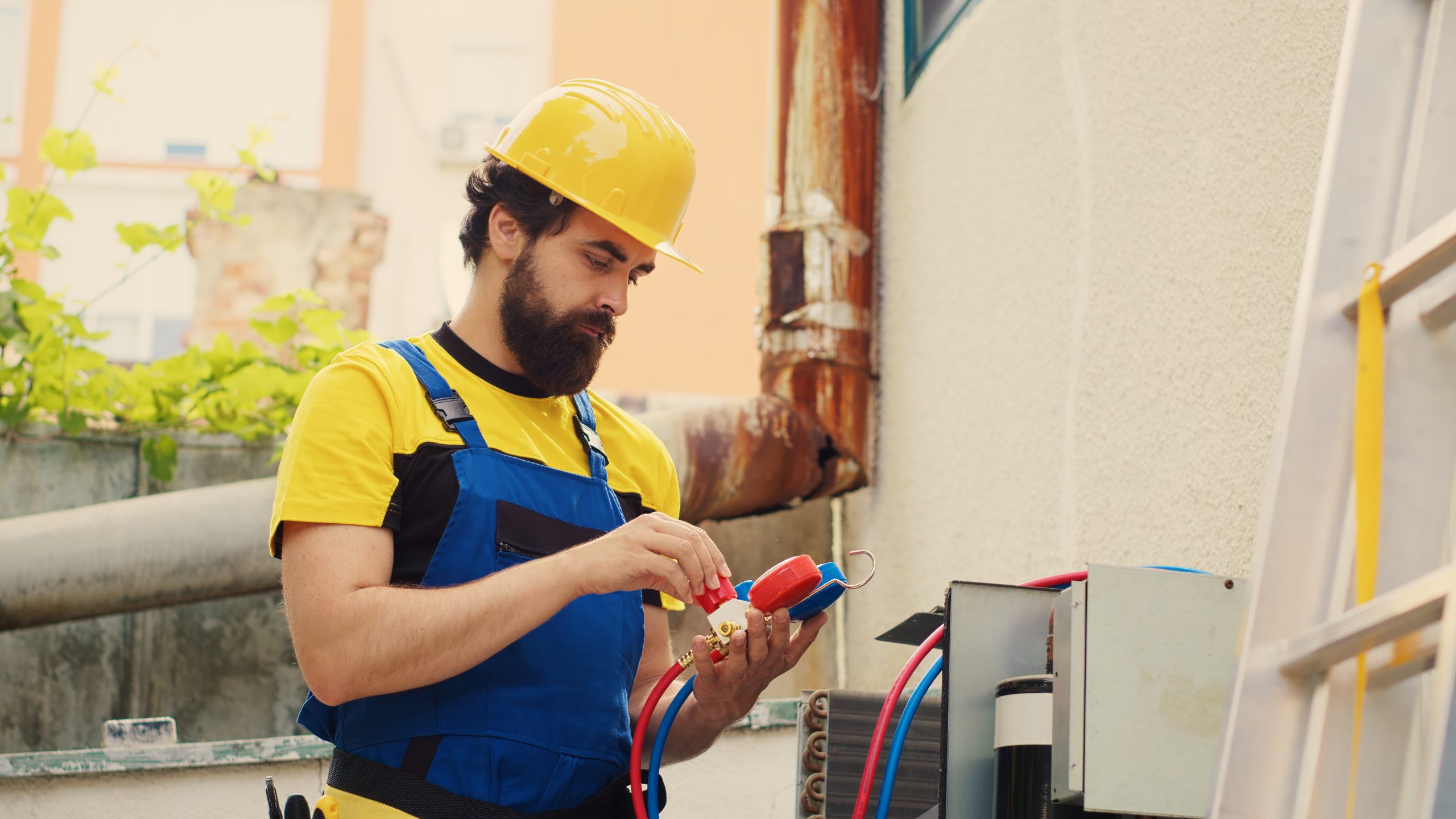
An experienced technician ensures that each joint is clean, properly heated, and securely sealed. They also conduct pressure testing and inspections to verify the integrity of every connection before the system becomes fully operational.

This level of precision distinguishes high-quality installations from those that may encounter performance issues over time.

Long-Term Benefits of Proper Brazing

When brazing is executed with precision, the benefits extend far beyond initial installation. A properly sealed system maintains stable pressure levels, allowing refrigerant to circulate efficiently.

This stability supports consistent indoor comfort and reduces overall energy consumption. Homeowners benefit from lower utility costs and fewer unexpected service calls.

Furthermore, well-executed brazing contributes to the longevity of the system. Minimizing stress on internal components helps ensure that the geothermal unit performs reliably for many years.

Why Homeowners in Montgomery Choose Chad’s AC Direct

Selecting a qualified HVAC contractor is essential for achieving optimal geothermal system performance. Chad’s AC Direct has earned the trust of homeowners throughout Montgomery and the surrounding areas by emphasizing precision, transparency, and professionalism.

Each project is approached with careful planning and attention to detail. Homeowners receive clear written estimates, complete with itemized parts and labor explanations, ensuring full transparency from the beginning.

In addition, every installation is completed with a commitment to cleanliness and respect for the property. This structured, customer-focused approach helps eliminate uncertainty and ensure a smooth experience.

A Practical Consideration for Homeowners

When evaluating geothermal installation or service options, it is important to look beyond equipment specifications. The quality of workmanship, particularly in processes such as brazing, plays a defining role in system performance. To assess contractor workmanship, homeowners can ask for references from recent installations, request proof of technician training or certifications, and inquire about the company’s experience with geothermal systems. 

Verifying these factors helps ensure you choose a contractor who values skill and professionalism. Asking informed questions about installation methods, testing procedures, and technician experience can provide valuable insight. These considerations often determine whether a system operates efficiently or encounters avoidable issues.

We're Montgomery's Geothermal Experts.

For homeowners in Montgomery, Alabama seeking reliable geothermal system installation or service, Chad’s AC Direct brings years of direct experience working with the specific climate and unique needs of local homes. Our team understands the demands posed by Montgomery’s weather patterns and soil conditions, so every installation and service is tailored to perform efficiently in this environment. Chad’s AC Direct offers the expertise and attention to detail required for long-term performance.

To schedule an appointment or request a consultation, call us today. Experience a service process designed to be clear, efficient, and tailored to your comfort needs.

Frequently Asked Questions

1. Can someone come out and check if my geothermal system has hidden connection leaks?

Yes, and that’s actually a smart move if your system feels off. A technician can run pressure tests and inspect key connection points closely. These leaks are often small but still affect performance over time. Catching them early keeps your system running efficiently. It also helps you avoid higher energy bills later.

2. Who should I call if I think my geothermal system was installed incorrectly?

You’ll want a technician who has real geothermal experience, not just general HVAC knowledge. They can review the installation and spot anything that was missed. Sometimes it’s a minor fix; sometimes it needs adjustment. Either way, you’ll finally get clear answers. That alone can be a relief.

3. How quickly can I get service if my geothermal system is losing efficiency?

In most cases, you can get an appointment within a few days. If the issue feels urgent, some companies offer faster scheduling. It really depends on the season and demand. Calling early gives you better options. The sooner it’s checked, the easier it is to fix.

4. Can small connection issues really affect my monthly energy bill that much?

Yes, and it often surprises homeowners. Even a small leak can force your system to work harder than necessary. That extra effort shows up on your energy bill over time. It’s not always obvious right away. But once fixed, the difference becomes noticeable.

5. Do technicians test the system after repairs to make sure everything is sealed properly?

They should, and you can always ask about it. After repairs, technicians usually run pressure and performance tests. This confirms everything is sealed and working correctly. It’s not just about fixing the issue. It’s about making sure it stays fixed.

6. Is it possible to prevent these issues before they even start?

Yes, regular maintenance goes a long way here. During a routine visit, technicians check connections and system pressure. This helps identify weak spots before they become real problems. It’s a simple step that protects your system. Think of it as staying ahead instead of catching up.

7. Will fixing connection issues require tearing into walls or major work?

Most of the time, no. Many of these connections are accessible without major disruption. A skilled technician can usually handle the repair quickly. It depends on your system layout, of course. But in general, it’s less invasive than people expect.

8. What should I do if my system suddenly starts running longer than usual?

That’s usually a sign that something isn’t working efficiently. It could be a connection issue or pressure imbalance. The best move is to schedule a service check right away. Waiting tends to make things worse. A quick inspection can pinpoint the cause.

9. Can older geothermal systems still be repaired, or do they need replacement?

In many cases, they can absolutely be repaired. Age doesn’t always mean failure. A technician can evaluate the system and recommend the best option. Sometimes a simple fix restores performance. Other times, an upgrade might make more sense.

10. Is emergency service available if my geothermal system stops working completely?

Yes, many HVAC providers offer emergency support for situations like that. If your system stops suddenly, it’s best not to wait. Quick service can prevent further damage. It also helps restore your comfort faster. Always check whether emergency services are available when choosing a provider.

How Installation Quality Impacts Geothermal System Performance

Let us ask you something that most people don’t think about until it’s too late—what if the real problem with your HVAC system isn’t the equipment… but how it was installed? Sounds a little uncomfortable, right? Because here’s the truth: you can invest in the most advanced geothermal system on the market, but if the installation is off—even slightly—you’re not getting what you paid for. Not even close.

But here’s the good news: in this guide, we’ll break down exactly what you need to look for to avoid costly pitfalls. You’ll learn how the right installation makes all the difference, how to spot a quality installer, and what steps you can take to make sure your comfort and investment are fully protected.


Why Installation Quality Matters More Than You Think

Most homeowners focus on the system's brand. That makes sense. It’s the visible part, the thing you feel like you’re buying. But geothermal systems are different. They rely heavily on what’s underground, what’s calibrated, and what’s aligned behind the scenes. That means installation isn’t just part of the process—it is the process.

The Hidden Reality of Poor Installation

A poorly installed geothermal system doesn’t usually fail right away. Instead, it slowly underperforms. You might notice higher energy bills, uneven temperatures, or a system that runs constantly. At first, it feels like a minor annoyance. Over time, it becomes expensive.

The Ground Loop: Where Everything Begins

If geothermal systems had a heartbeat, it would be the ground loop. This network of buried pipes transfers heat between your home and the earth. If it’s not installed correctly, everything else struggles to keep up. Too small, and the system works harder than it should. Too large, and you’ve overpaid without gaining efficiency. It has to be just right.

Soil Conditions Matter More Than You Expect

Montgomery’s soil composition varies more than people realize. Clay, sand, and moisture levels all impact how heat transfers underground. Before digging even begins, a skilled installer will assess your property’s soil in a few clear steps. This usually starts with a physical site visit to observe your land, followed by soil testing to check texture and moisture content. Sometimes, we’ll even dig small test holes to see the makeup below the surface. This careful evaluation helps the installer design a system that truly fits your property—and lets you know exactly what to expect from the very beginning.

System Design: Not One-Size-Fits-All

No two homes in Montgomery are exactly alike. Different layouts, insulation levels, and usage patterns all play a role in how a geothermal system should be designed.

Customized Load Calculations

A proper installation starts with accurate load calculations. This determines how much heating and cooling your home actually needs. Guessing here? That’s where problems begin.

Matching Equipment to Your Lifestyle

Do you work from home? Have rooms that never seem to stay comfortable? These details matter more than you think. A thoughtful installer accounts for how you live, not just the size of your house.

The Installation Process: Where Precision Counts

Installing a geothermal system isn’t just about connecting parts. It’s about precision at every step.

Correct Loop Placement

The depth and spacing of the loops must be exact. Too shallow or uneven placement reduces efficiency.

Proper Fluid Levels and Pressure

The circulating fluid in the system must be perfectly balanced. Even small inconsistencies can impact performance.

Seamless Integration Indoors

Your indoor unit must connect flawlessly with existing ductwork or distribution systems. If not, you lose efficiency before the air even reaches your living space.

What Happens When Installation Is Done Right

When installation is done correctly, geothermal systems feel almost effortless.

Consistent Comfort

Every room feels balanced. No hot spots. No cold corners.

Lower Energy Bills

You’re not overworking the system, so energy usage stays in check.

Long-Term Reliability

A properly installed geothermal system lasts longer and requires fewer repairs.

That’s the experience homeowners are actually hoping for.

Why Homeowners in Montgomery Trust Chad’s AC Direct

Here’s the thing—installation quality comes down to the people doing the work. Chad’s AC Direct has built trust across Montgomery, Prattville, and surrounding areas by focusing on doing things the right way the first time.

We don’t rush jobs. We don’t cut corners.

Instead, they focus on transparency and precision.

What You Can Expect

  • Written estimates with clear details
  • Itemized parts so you understand what’s being used
  • Fully accounted labor with no hidden surprises
  • A clean workspace when the job is complete
It’s a straightforward process designed to remove stress, not add to it. During installation, you can expect daily disruptions, including temporary loss of access to areas where work is being done, increased noise from the crew and equipment, and occasional interruptions as loop trenches are dug and pipes are installed. Our team communicates every step clearly so you know what to expect and can plan around any short-term inconveniences.

A Quick Reality Check Before You Decide

If you’re considering geothermal, take a moment to think beyond the system itself. Ask about installation experience. Ask how they evaluate soil conditions. Ask how they size the system. Because the difference between a good investment and a frustrating one often comes down to those answers.

Geothermal Done Right, Support That Lasts.

If you’re ready to explore geothermal or want to make sure your system is installed the right way, Chad’s AC Direct is ready to help.

Call today to schedule your appointment.

You'll get clear answers, honest recommendations, and a team that treats your home with the care it deserves. After installation, our support doesn’t stop. We offer ongoing maintenance and responsive post-installation service to ensure your geothermal system continues to run smoothly for years to come. If you ever have questions or need assistance, our team is always ready to help.

Frequently Asked Questions

1. How does geothermal system installation quality affect efficiency?

Installation quality directly impacts how efficiently a geothermal system operates. Poor installation can lead to energy loss and higher utility bills over time. Proper sizing and setup ensure the system runs at peak performance. This is why professional installation is essential for long-term savings.

2. Can a geothermal installation in Montgomery be done without damaging my yard?

Yes, but some disruption is unavoidable during loop installation. A skilled team will plan carefully to minimize the impact. They will also restore the area once the work is complete. Clear communication helps set expectations before starting. Most homeowners find the results worth the temporary inconvenience.

3. Why is loop design important in geothermal systems?

Loop design determines how effectively heat transfers between your home and the ground. A poorly designed loop can limit system performance. Proper design ensures consistent heating and cooling. It also improves energy efficiency over time.

4. Can bad installation shorten a geothermal system’s lifespan?

Yes, poor installation can shorten a geothermal system's lifespan. When components are not properly installed, they experience additional wear and tear. This can lead to frequent repairs and early replacement. Quality installation helps protect your investment.

5. How do I know if my geothermal system was installed correctly?

Signs of proper installation include consistent indoor temperatures and stable energy bills. If your system runs smoothly without frequent issues, it was likely installed well. Unusual noises or uneven comfort may indicate a problem. A professional inspection can confirm the quality of the installation.

6. Does soil type affect geothermal system installation?

Yes, soil type plays a significant role in geothermal performance. Different soil conditions impact how heat is transferred underground. Proper evaluation ensures the system is designed for your specific property. This helps maximize efficiency and reliability.

7. Is professional installation necessary for geothermal systems?

Professional installation is crucial for geothermal systems to function correctly. These systems require precise calculations and careful setup. Improper installation can lead to costly issues later. Hiring experienced professionals ensures optimal performance.

8. How long does geothermal installation take?

The installation process typically takes several days to a few weeks. The timeline depends on system complexity and property conditions. Ground loop installation is usually the most time-consuming step. Proper planning helps ensure a smooth process.

9. Can installation errors be fixed later?

Some installation errors can be corrected, but not all are easy to fix. Addressing issues early can prevent further damage. In some cases, major adjustments may be required. This is why getting it right the first time is important.

10. Will Geothermal Installation Montgomery work with my existing ductwork?

In many cases, yes, but it depends on your current setup. A technician will inspect your ductwork for compatibility and efficiency. Sometimes minor adjustments are needed for better airflow. This ensures your system performs the way it should. A proper assessment avoids performance issues later.

Is Geothermal Worth the Investment in Montgomery, AL

Is it truly possible to achieve year-round indoor comfort in Montgomery, Alabama, while significantly reducing long-term energy costs? This question has become increasingly relevant as homeowners across Montgomery seek more efficient and sustainable alternatives to traditional HVAC systems. Geothermal technology, once considered a niche solution, is now gaining serious attention for its reliability, efficiency, and long-term financial benefits.
However, determining whether geothermal HVAC is a worthwhile investment requires a careful evaluation of cost, performance, and local conditions. This article provides a comprehensive, practical overview tailored to homeowners in the Montgomery area.

Understanding Geothermal HVAC Systems

Geothermal HVAC systems utilize the consistent temperature beneath the earth’s surface to regulate indoor climate. Unlike conventional systems that depend on fluctuating outdoor air temperatures, geothermal systems transfer heat to and from the ground.

How the System Operates

A network of underground pipes, known as a loop system, circulates a fluid that absorbs heat from the earth during colder months and disperses heat during warmer months. This process enables efficient heating and cooling without excessive energy consumption.

The result is a system that operates with greater stability and less strain than traditional air conditioning and heating units.

Why Geothermal Works Well in Montgomery, AL

Montgomery’s climate conditions make it particularly suitable for geothermal technology. The region’s extended cooling seasons and moderate winter temperatures allow geothermal systems to operate at optimal efficiency.

1. Extended Cooling Demand

Air conditioning systems in Montgomery operate for a significant portion of the year. Geothermal systems are designed to handle prolonged usage efficiently, resulting in reduced energy consumption.

2. Stable Subsurface Temperatures

Soil temperatures in Alabama remain relatively consistent throughout the year. This stability enhances system performance and contributes to predictable energy savings.

3. Improved Humidity Control

High humidity levels are a defining characteristic of the Montgomery climate. Geothermal systems provide superior moisture regulation, improving indoor comfort and air quality.

Cost Considerations and Long-Term Value

One of the primary concerns for homeowners is the initial cost associated with geothermal installation.

Installation Costs

The cost to install a geothermal HVAC system in Montgomery typically ranges from $15,000 to $30,000. Factors influencing this cost include property size, loop configuration, and soil conditions. For example, a 2,000-square-foot home might expect installation costs of around $18,000, while larger properties with more complex layouts could incur higher expenses. Providing a specific scenario helps homeowners better understand how these figures relate to their own situation.

Available Incentives

Federal tax credits may cover up to 30% of the installation cost, significantly reducing the financial burden for eligible homeowners. In addition to federal incentives, Alabama residents may be eligible for state or local energy efficiency programs, utility rebates, or grants that further offset the upfront cost of geothermal systems. Montgomery-area homeowners are encouraged to research current local incentives or consult with their HVAC provider to learn about any available rebates or special financing options in Alabama.

Energy Savings

Geothermal systems can reduce energy consumption by approximately 30% to 70%. Over time, these savings contribute to a favorable return on investment, particularly in regions with high cooling demands like Montgomery.

Performance Benefits Beyond Cost Savings

While financial considerations are important, geothermal systems offer additional advantages that enhance overall home comfort.

Consistent Indoor Temperatures

Geothermal systems provide uniform heating and cooling, eliminating common issues such as uneven temperature distribution.

Quiet Operation

These systems operate with minimal noise, creating a more comfortable and peaceful indoor environment.

Extended System Lifespan

Indoor components typically last 20 to 25 years, while underground loop systems can remain functional for over 50 years. This longevity reduces the need for frequent replacements.

When Geothermal May Not Be the Right Choice

Despite its advantages, geothermal HVAC is not suitable for every homeowner.

Situations where it may not be ideal include:

  • Short-term homeownership plans
  • Limited property space for loop installation
  • Preference for lower upfront investment
In such cases, high-efficiency traditional HVAC systems may provide a more practical solution. Compared to geothermal, these systems typically have lower upfront installation costs and can still deliver strong energy savings and reliable indoor comfort. However, geothermal systems often surpass traditional systems in long-term efficiency, operating costs, and indoor temperature consistency. Weighing these differences can help homeowners choose the best fit for their needs and budget.

Why Choose Chad’s AC Direct in Montgomery, AL

Selecting a qualified HVAC contractor is essential for achieving the full benefits of a geothermal system. Chad’s AC Direct has established a strong reputation throughout Montgomery and surrounding communities by delivering reliable, transparent, and customer-focused service.

What You Can Expect

  • Detailed written estimates before work begins
  • Itemized breakdown of parts and materials
  • Transparent labor costs with no hidden fees
  • Clean and efficient job completion
Every project is handled with precision and professionalism, ensuring homeowners fully understand each step.

Conclusion

In conclusion, geothermal HVAC presents a compelling option for homeowners in Montgomery, Alabama, seeking long-term efficiency, comfort, and sustainability. By carefully evaluating costs, benefits, and property suitability, you can make an informed decision that aligns with your household needs and financial goals.

We Make Upgrading to Geothermal Easy!

If you are considering upgrading your home’s comfort system, now is the time to explore whether geothermal HVAC is the right investment for your property.

Contact Chad’s AC Direct today to schedule an immediate appointment. Our experienced team will evaluate your home, clearly explain your options, and provide a solution tailored to your needs and budget.

Frequently Asked Questions

1. Can I get a home evaluation for Geothermal Montgomery before committing?

Yes, and honestly, you should start there. A proper evaluation looks at your yard space, soil, and current system setup. That way, you are not guessing or overspending. It also helps you understand what type of loop system fits your property. By the end, you will know if geothermal truly makes sense for your home.

2. Who should I call for fast Geothermal Montgomery installation services?

You want a team that handles everything without delays or confusion. Look for contractors who manage both the ground loop and indoor system together. That keeps the process smooth and avoids miscommunication. A reliable local company will also schedule quickly and keep you updated. Fast service matters, especially when comfort is on the line.

3. Is financing available for Geothermal Montgomery systems?

Yes, most homeowners do not pay everything up front. Many HVAC companies offer financing plans to spread out the cost. This makes geothermal more manageable without draining your savings. Monthly payments often balance out with energy savings over time. It is worth asking about flexible options that fit your budget.

4. Can Geothermal Montgomery systems be repaired if something goes wrong?

Absolutely, and repairs are usually straightforward when handled early. Most issues happen with indoor components, not the underground loops. That means fixes are less invasive than you might expect. A trained technician can quickly diagnose and resolve the problem. Regular checkups help avoid bigger repairs later.

5. How quickly can I schedule Geothermal Montgomery service near me?

In most cases, you can schedule within a few days, depending on demand. During peak seasons, it might take slightly longer. That is why calling early makes a difference. A good company will work around your schedule as much as possible. They will also give you a clear timeline upfront.

6. Do Geothermal Montgomery systems require special maintenance services?

They do, but it is simpler than most people think. You will need routine inspections to keep everything running efficiently. This usually includes checking fluid levels and system performance. The good news is that fewer moving parts mean fewer breakdowns. Maintaining consistency keeps your system reliable.

7. Can I replace my current HVAC with Geothermal Montgomery without major disruption?

Yes, but it depends on your property layout. Most installations are planned to minimize disruption to your home. The outdoor work is the most involved part, especially for ground loops. Inside your home, the transition is usually smooth. A good installer will walk you through each step beforehand.

8. What kind of warranty comes with Geothermal Montgomery systems?

Most systems come with strong warranties, especially for indoor units. Some components are covered for up to 10 years. The underground loops often have even longer coverage periods. This gives you peace of mind after installation. Always review warranty details so you know exactly what is included.

9. Can Geothermal Montgomery improve indoor air quality in my home?

Yes, and homeowners often notice this right away. The system helps control humidity more effectively than traditional units. That means less sticky air and fewer airborne irritants. Cleaner air also supports overall comfort and health. It is a quiet upgrade you will feel daily.

10. Who provides emergency support for Geothermal Montgomery systems?

Many local HVAC companies offer emergency services for urgent issues. This is especially helpful during extreme weather conditions. You should look for a provider that offers reliable after-hours support. Quick response times can prevent small issues from becoming major problems. It is always smart to have a trusted contact ready.

Geothermal vs Traditional HVAC Systems: Which Is Better for Montgomery Homes?

Choosing the right HVAC system for your home in Alabama is a decision that carries long-term implications for comfort, energy efficiency, and overall cost. With the region’s intense summer heat and occasional winter chill, homeowners need a system that performs reliably under varying conditions. At Chad’s AC Direct, we regularly assist homeowners in evaluating whether to continue with a traditional HVAC system or transition to a geothermal system. While both options can maintain indoor comfort, they differ significantly in how they operate, how much energy they consume, and how they perform over time.

Understanding these differences is essential before making an investment. In this guide, we take a closer look at geothermal vs traditional HVAC systems in Alabama, breaking down their performance, cost, and long-term value to help you make a well-informed decision.

What’s the Real Difference Between These Systems?

Traditional HVAC Systems

These are the systems most Alabama homes already have. They use outdoor air to heat and cool your home. That means when it’s blazing hot outside, your system is working overtime just to keep up.

It’s familiar. It’s accessible. But it’s also heavily dependent on outdoor temperatures—and that’s where efficiency starts to dip.

Geothermal HVAC Systems

Geothermal systems work differently. Instead of battling the outdoor air, they tap into the stable temperature underground. A few feet below the surface, the earth stays relatively constant year-round.

So instead of fighting Alabama heat, geothermal systems sidestep it completely. That’s a big deal.

1. Energy Efficiency – Where Things Get Serious

If you’re comparing geothermal vs traditional HVAC systems in Montgomery, efficiency is where geothermal pulls ahead. Traditional systems lose efficiency when temperatures spike. And in Montgomery? That’s basically a seasonal guarantee. Geothermal systems, on the other hand, stay consistent because underground temperatures don’t swing wildly. That translates into significantly lower energy use—and yes, lower bills.

2. Upfront Cost vs Long-Term Savings

Geothermal systems cost more upfront. There’s excavation, specialized installation, and more planning involved. But here’s the part most people miss: geothermal systems can cut energy costs by up to 50% or more over time. That means the system starts paying you back. Traditional systems are cheaper to install, but they keep charging you month after month through higher utility bills. So the real question becomes: are you thinking short-term or long-term?

3. Performance in Montgomery’s Climate

Alabama weather isn’t subtle. It swings between humid heat and chilly winters. Traditional systems struggle during extreme heat waves. You’ve probably felt that moment when your AC just can’t quite catch up. Geothermal systems don’t care about outdoor extremes. They operate in a stable environment underground, which means consistent indoor comfort—even on the hottest July afternoon.

4. Maintenance and Reliability

Here’s something most homeowners don’t think about until something breaks. Traditional HVAC systems have outdoor units exposed to weather, debris, and wear. Over time, that adds up to repairs and maintenance calls. Geothermal systems have fewer exposed components. The underground loops are protected, and indoor equipment tends to last longer. Less exposure usually means fewer surprises.

5. Lifespan of the System

A traditional HVAC system typically lasts around 12–15 years. Geothermal systems? They often last 20–25 years for indoor components, and even longer for underground loops. Most geothermal systems also come with strong manufacturer warranties—typically 10–25 years on the underground loops—which gives homeowners added reassurance about long-term reliability. That difference matters more than you think. It’s not just about replacement costs—it’s about peace of mind.

6. Environmental Impact

If you care about reducing your footprint, this is where geothermal really stands out. Traditional systems rely on fossil fuels or high electricity use. That contributes to emissions. Geothermal systems use renewable energy from the earth. That means lower environmental impact and cleaner operation. It’s one of the few upgrades that helps both your home and the planet.

7. Which One Is Actually Better for Your Home?

Here’s the honest answer—it depends. If you’re looking for a lower upfront cost and a quick install, traditional HVAC might make sense. But if you’re planning to stay in your home long-term and want lower bills, better efficiency, and fewer headaches, geothermal is hard to beat. At Chad’s AC Direct, we walk homeowners through both options without pressure. We explain everything upfront—written estimates, itemized parts, clear labor costs, and no mess left behind.

Because choosing the right system shouldn’t feel like guesswork.

Upgrade Your Home's HVAC: Get Your Geothermal vs. Traditional Analysis!

Still weighing your options? Let’s make it simple.

Call Chad’s AC Direct today and talk to a real comfort specialist who understands Montgomery homes. We’ll walk you through geothermal and traditional systems, answer your questions, and help you make the right call for your space and your budget.

No surprises. No confusion. Just honest answers and reliable service.

Frequently Asked Questions

1. How do I know if geothermal vs. traditional HVAC systems in Montgomery are right for my home?

It really comes down to your goals and property setup. If you want long-term savings and efficiency, geothermal is worth exploring. Traditional systems are easier to install but cost more to run. A professional evaluation helps you decide based on your home’s layout and energy use.

2. Can I switch from a traditional system to geothermal easily?

Yes, but it requires proper planning and space for underground loops. Your property needs enough yard area for the loop installation, and factors such as soil type, available land, and accessibility for drilling or trenching can affect the installation. The process is more involved than a standard replacement. Once installed, the system runs efficiently with minimal adjustments. Many homeowners find the upgrade worth the effort.

3. How long does installation take for geothermal systems?

Geothermal installation typically takes several days, depending on the property. The loop system requires excavation or drilling, so you can expect some digging in your yard. Most landscaping can be restored afterward, but there may be a temporary disruption. Indoor setup is usually quicker after that step. Planning ahead helps minimize inconvenience and keeps your installation on track.

4. Are geothermal systems reliable in extreme heat?

Yes, they perform exceptionally well in high temperatures. Because they rely on stable ground temperatures, they avoid performance drops. This makes them ideal for Alabama’s hot climate. Consistent cooling is one of their biggest advantages.

5. Do geothermal systems really save money over time?

Yes, they reduce energy consumption significantly. Lower utility bills add up over the years. While the upfront cost is higher, the long-term savings are substantial. Many homeowners see a return on investment over time.

6. What kind of maintenance do geothermal systems need?

Maintenance is generally minimal compared to traditional systems. Routine inspections and filter changes keep them running efficiently. There are fewer exposed components to repair. This makes them a low-maintenance option.

7. Can geothermal systems handle both heating and cooling?

Yes, they provide both heating and cooling in one system. They adapt to seasonal needs without switching equipment. This makes them versatile and efficient. One system handles year-round comfort.

8. Are there incentives for installing geothermal systems in Montgomery?

In many cases, yes. Federal tax credits and local incentives may apply. These can significantly reduce the upfront cost. To see which incentives are currently available, visit sites like energystar.gov and dsireusa.org to learn about federal and state programs

9. Is geothermal better than traditional HVAC systems in Montgomery for resale value?

Energy-efficient homes often attract more buyers. Geothermal systems can increase property appeal. Lower utility costs are a strong selling point. It may help your home stand out in the market.

10. What should I ask before choosing between geothermal and traditional systems?

Ask about installation costs, energy savings, and system lifespan. Understanding maintenance and repair expectations is also important. A professional can walk you through both options clearly. This helps you make a confident decision.