
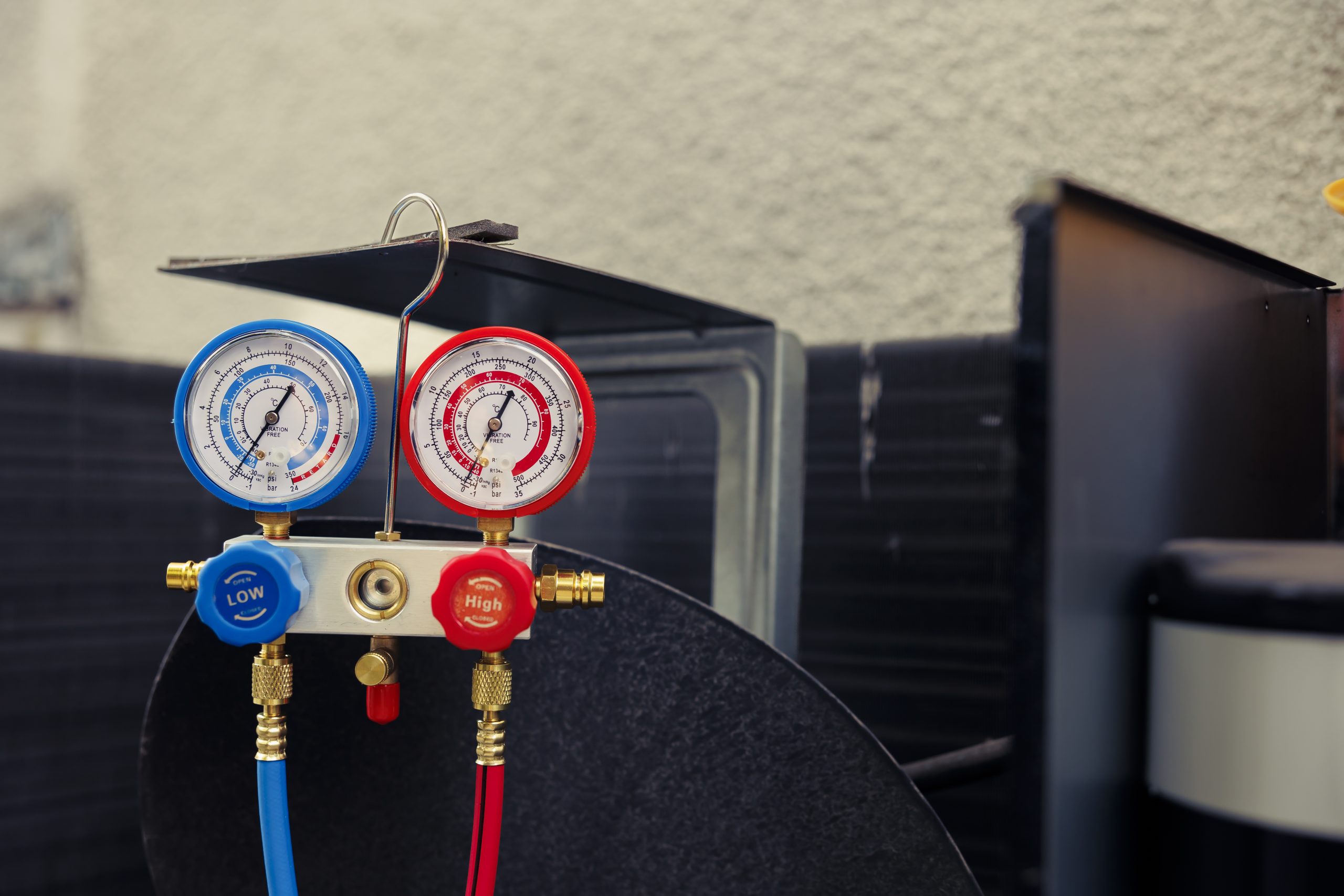
Understanding Brazing in Geothermal Systems
Brazing joins metal parts, typically copper pipes, by heating them and applying a filler. These connections create sealed channels for refrigerant passage. Geothermal systems rely on a refrigerant operating at precise pressures for heat exchange. Quality brazing keeps these channels sealed and stable throughout operation.
Even minor imperfections in brazed joints can compromise system integrity. As a result, this seemingly small step has a direct impact on overall performance.
Why Brazing Quality Directly Affects Efficiency
Geothermal systems rely on refrigerant moving under precise pressures for heat exchange. Quality brazing keeps these channels sealed and stable throughout operation. When brazing is performed correctly, the system operates smoothly and maintains optimal pressure levels. If brazed joints are weak or have incomplete fusion, micro-leaks can form at the connection points. These micro-leaks may not be immediately detectable but cause a progressive decline in system efficiency.
As refrigerant levels decline, the system compensates by working harder to maintain indoor comfort. This increased workload leads to higher energy consumption and, over time, unnecessary wear on system components.
The Technical Impact of Improper Brazing
Precision and Expertise in the Installation Process
Brazing requires a high level of technical skill and attention to detail. The process involves precise temperature control, proper surface preparation, and the correct application of filler materials.
An experienced technician ensures that each joint is clean, properly heated, and securely sealed. They also conduct pressure testing and inspections to verify the integrity of every connection before the system becomes fully operational.
This level of precision distinguishes high-quality installations from those that may encounter performance issues over time.
Long-Term Benefits of Proper Brazing
When brazing is executed with precision, the benefits extend far beyond initial installation. A properly sealed system maintains stable pressure levels, allowing refrigerant to circulate efficiently.
This stability supports consistent indoor comfort and reduces overall energy consumption. Homeowners benefit from lower utility costs and fewer unexpected service calls.
Why Homeowners in Montgomery Choose Chad’s AC Direct
Each project is approached with careful planning and attention to detail. Homeowners receive clear written estimates, complete with itemized parts and labor explanations, ensuring full transparency from the beginning.
A Practical Consideration for Homeowners
When evaluating geothermal installation or service options, it is important to look beyond equipment specifications. The quality of workmanship, particularly in processes such as brazing, plays a defining role in system performance. To assess contractor workmanship, homeowners can ask for references from recent installations, request proof of technician training or certifications, and inquire about the company’s experience with geothermal systems.
Verifying these factors helps ensure you choose a contractor who values skill and professionalism. Asking informed questions about installation methods, testing procedures, and technician experience can provide valuable insight. These considerations often determine whether a system operates efficiently or encounters avoidable issues.
We're Montgomery's Geothermal Experts.
For homeowners in Montgomery, Alabama seeking reliable geothermal system installation or service, Chad’s AC Direct brings years of direct experience working with the specific climate and unique needs of local homes. Our team understands the demands posed by Montgomery’s weather patterns and soil conditions, so every installation and service is tailored to perform efficiently in this environment. Chad’s AC Direct offers the expertise and attention to detail required for long-term performance.
To schedule an appointment or request a consultation, call us today. Experience a service process designed to be clear, efficient, and tailored to your comfort needs.
Frequently Asked Questions
1. Can someone come out and check if my geothermal system has hidden connection leaks?
Yes, and that’s actually a smart move if your system feels off. A technician can run pressure tests and inspect key connection points closely. These leaks are often small but still affect performance over time. Catching them early keeps your system running efficiently. It also helps you avoid higher energy bills later.
2. Who should I call if I think my geothermal system was installed incorrectly?
You’ll want a technician who has real geothermal experience, not just general HVAC knowledge. They can review the installation and spot anything that was missed. Sometimes it’s a minor fix; sometimes it needs adjustment. Either way, you’ll finally get clear answers. That alone can be a relief.
3. How quickly can I get service if my geothermal system is losing efficiency?
In most cases, you can get an appointment within a few days. If the issue feels urgent, some companies offer faster scheduling. It really depends on the season and demand. Calling early gives you better options. The sooner it’s checked, the easier it is to fix.
4. Can small connection issues really affect my monthly energy bill that much?
Yes, and it often surprises homeowners. Even a small leak can force your system to work harder than necessary. That extra effort shows up on your energy bill over time. It’s not always obvious right away. But once fixed, the difference becomes noticeable.
5. Do technicians test the system after repairs to make sure everything is sealed properly?
6. Is it possible to prevent these issues before they even start?
7. Will fixing connection issues require tearing into walls or major work?
Most of the time, no. Many of these connections are accessible without major disruption. A skilled technician can usually handle the repair quickly. It depends on your system layout, of course. But in general, it’s less invasive than people expect.
8. What should I do if my system suddenly starts running longer than usual?
9. Can older geothermal systems still be repaired, or do they need replacement?
In many cases, they can absolutely be repaired. Age doesn’t always mean failure. A technician can evaluate the system and recommend the best option. Sometimes a simple fix restores performance. Other times, an upgrade might make more sense.