
Is longevity the most overlooked factor when selecting a cooling system? In many cases, homeowners prioritize upfront cost or immediate performance, yet the true value of an HVAC system often reveals itself over time. When comparing geothermal systems and standard air conditioning units, lifespan becomes one of the most decisive factors. A system that performs efficiently for decades can significantly alter the overall cost of ownership, maintenance expectations, and long-term reliability. This article provides a structured comparison of how long geothermal systems last compared to standard AC units, along with the underlying reasons for these differences.
Understanding System Lifespan in HVAC Technology
Before comparing the two systems directly, it is important to define what “lifespan” entails in HVAC terms. Lifespan refers not only to how long a system operates but also to how effectively it performs during that period.
A system may technically function beyond its expected years, yet declining efficiency, increased repair frequency, and inconsistent output often indicate the end of its practical service life. Therefore, a meaningful comparison must consider both operational duration and sustained performance quality.
Average Lifespan of Geothermal Systems
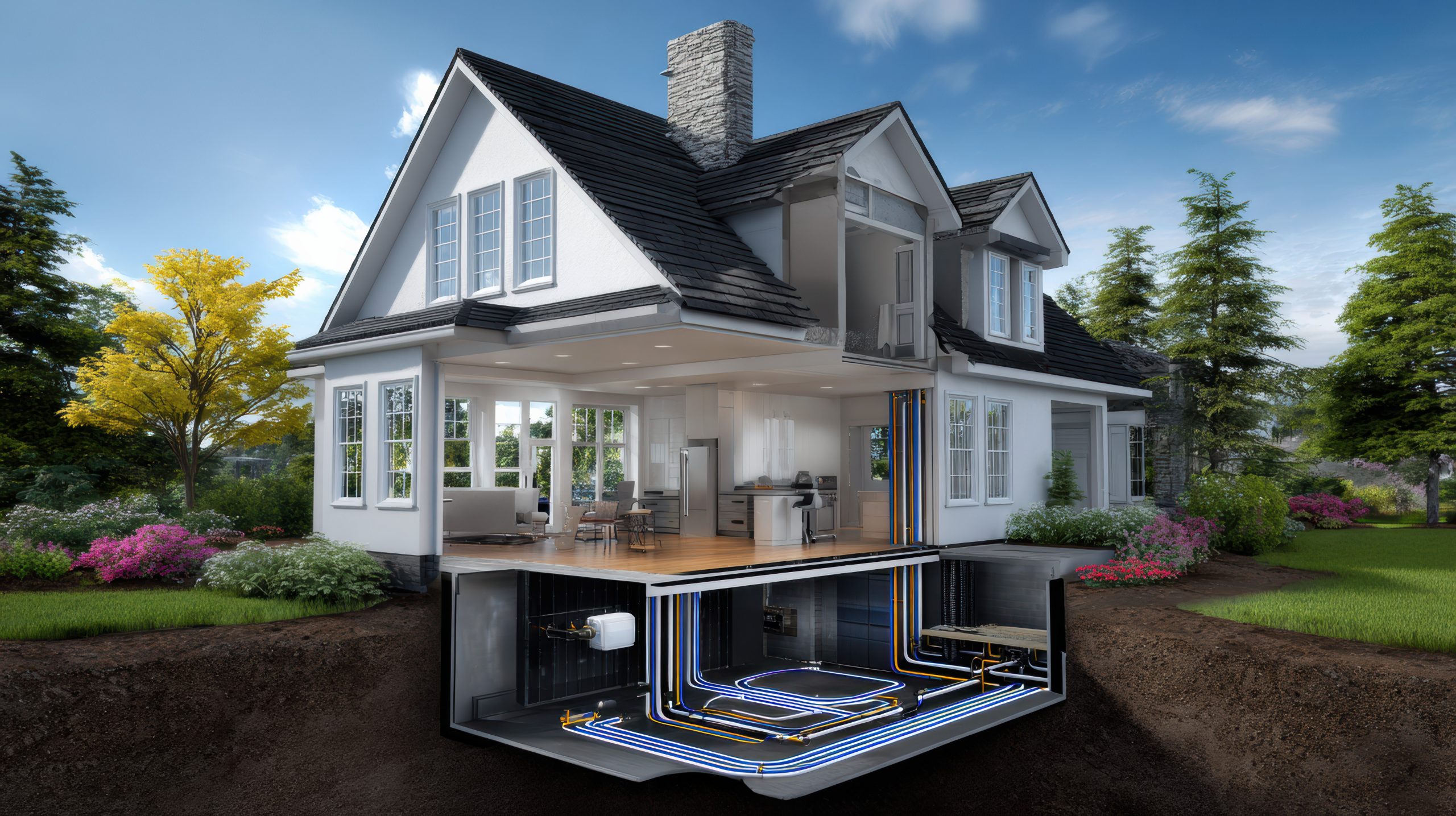
Geothermal systems are widely recognized for their durability and extended service life. On average, the indoor components—such as the heat pump—last approximately 20 to 25 years. However, the underground loop system, which is a defining feature of geothermal technology, can last 25 to 50 years or more.
This extended lifespan is primarily due to the stable and protected environment in which these components operate. Buried beneath the surface, the loops are shielded from weather extremes, physical damage, and environmental contaminants. As a result, degradation occurs at a much slower rate compared to exposed systems.
Average Lifespan of Standard AC Units
In contrast, traditional air conditioning systems typically have a lifespan of 10 to 15 years. With consistent maintenance and favorable operating conditions, some units may extend slightly beyond this range, occasionally reaching up to 20 years.
However, this is less common and often accompanied by reduced efficiency and increased repair requirements. The outdoor condenser unit, which is continuously exposed to environmental conditions, is particularly vulnerable to wear and tear. Over time, this exposure contributes to component fatigue and eventual system failure.
Key Factors Influencing Lifespan Differences
| Factor | Geothermal Systems | Standard AC Units |
|---|---|---|
| Environmental Exposure | Operates underground in a stable environment, protected from weather and debris.
This reduces stress on components and keeps performance steady over time. |
Exposed to outdoor elements like heat, humidity, and storms year-round.
Constant exposure speeds up wear and leads to earlier system breakdown. |
| Mechanical Complexity & Wear | Uses fewer moving parts and runs under consistent conditions.
Less strain during operation means parts last longer and fail less often. |
Relies on more complex mechanics with frequent cycling.
Higher strain increases the chances of component fatigue and failure. |
| Maintenance Requirements | Requires minimal upkeep since most parts are protected.
Fewer breakdowns make long-term care simpler and more predictable. |
Needs regular maintenance like coil cleaning and refrigerant checks.
Skipping upkeep often leads to reduced lifespan and costly repairs. |
Long-Term Performance and Reliability
When evaluating lifespan, it is also necessary to consider performance consistency. Geothermal systems maintain stable efficiency throughout their operational life because they rely on constant ground temperatures. This results in fewer fluctuations in output and lower energy consumption over time.
In contrast, standard AC units often experience gradual declines in efficiency. As components age and wear, the system must work harder to achieve the same level of cooling. This not only increases energy costs but also places additional strain on the system, further reducing its lifespan.
Economic Implications of Lifespan Differences
The difference in lifespan between geothermal systems and standard AC units has direct financial implications. While geothermal systems require a higher initial investment, their extended service life reduces the frequency of replacement. Over several decades, this can result in lower cumulative costs.
Standard AC units, although less expensive upfront, may require multiple replacements within the same timeframe. Additionally, increasing maintenance and repair costs over time can further impact overall expenses. Therefore, lifespan plays a critical role in determining the true cost-effectiveness of each system.
Regional Considerations in System Longevity
Climate conditions significantly influence HVAC system lifespan. In regions with high temperatures and humidity, such as Montgomery, Alabama, standard AC units are subject to greater operational demand. This often leads to accelerated wear and reduced longevity.
Geothermal systems, however, are less affected by external climate conditions because they rely on underground temperatures. This makes them particularly advantageous in regions with extreme or prolonged seasonal conditions, where traditional systems may struggle to maintain efficiency over time.
Practical Considerations for Homeowners
When choosing between geothermal systems and standard AC units, homeowners should evaluate their priorities for longevity, cost, and maintenance expectations. If long-term reliability and reduced replacement frequency are primary concerns, geothermal systems present a compelling option. However, installation feasibility, property characteristics, and budget constraints must also be considered. In Montgomery, factors such as clay-rich soils, compact neighborhoods, and smaller lot sizes can influence whether a geothermal system is practical for your home.
Many properties here have moderate to small yards, which may limit the options for loop installation, while others with more space and suitable soil can take full advantage of geothermal solutions. A professional assessment is essential to determine which system best aligns with a household's specific needs and local environmental conditions.
Conclusion
Make a Long-Term Investment in Comfort
If you are evaluating your next HVAC system in Montgomery, AL, selecting a solution with proven longevity can make a meaningful difference. In addition, homeowners in Alabama may be eligible for local rebates or tax incentives for geothermal system installations, helping offset some upfront costs. Chad’s AC Direct provides expert guidance, transparent pricing, and dependable service tailored to your needs.
Call today to schedule an appointment and receive a detailed assessment. A longer-lasting system begins with the right information and the right team.