
Choosing the right HVAC system for your home in Alabama is a decision that carries long-term implications for comfort, energy efficiency, and overall cost. With the region’s intense summer heat and occasional winter chill, homeowners need a system that performs reliably under varying conditions. At Chad’s AC Direct, we regularly assist homeowners in evaluating whether to continue with a traditional HVAC system or transition to a geothermal system. While both options can maintain indoor comfort, they differ significantly in how they operate, how much energy they consume, and how they perform over time.
Understanding these differences is essential before making an investment. In this guide, we take a closer look at geothermal vs traditional HVAC systems in Alabama, breaking down their performance, cost, and long-term value to help you make a well-informed decision.
What’s the Real Difference Between These Systems?
Traditional HVAC Systems
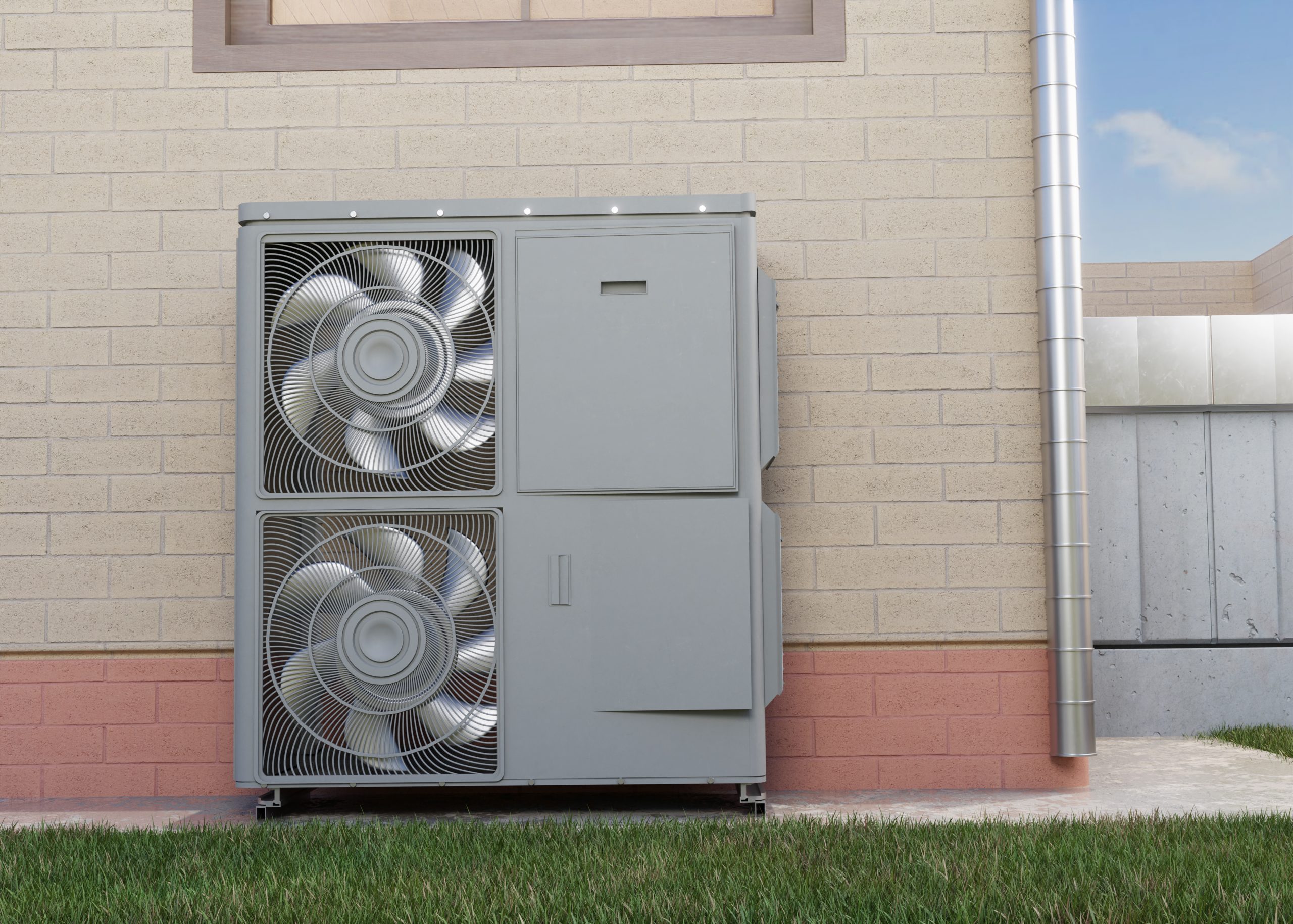
These are the systems most Alabama homes already have. They use outdoor air to heat and cool your home. That means when it’s blazing hot outside, your system is working overtime just to keep up.
It’s familiar. It’s accessible. But it’s also heavily dependent on outdoor temperatures—and that’s where efficiency starts to dip.
Geothermal HVAC Systems
Geothermal systems work differently. Instead of battling the outdoor air, they tap into the stable temperature underground. A few feet below the surface, the earth stays relatively constant year-round.
So instead of fighting Alabama heat, geothermal systems sidestep it completely. That’s a big deal.
1. Energy Efficiency – Where Things Get Serious
2. Upfront Cost vs Long-Term Savings
3. Performance in Montgomery’s Climate
Alabama weather isn’t subtle. It swings between humid heat and chilly winters. Traditional systems struggle during extreme heat waves. You’ve probably felt that moment when your AC just can’t quite catch up. Geothermal systems don’t care about outdoor extremes. They operate in a stable environment underground, which means consistent indoor comfort—even on the hottest July afternoon.
4. Maintenance and Reliability
Here’s something most homeowners don’t think about until something breaks. Traditional HVAC systems have outdoor units exposed to weather, debris, and wear. Over time, that adds up to repairs and maintenance calls. Geothermal systems have fewer exposed components. The underground loops are protected, and indoor equipment tends to last longer. Less exposure usually means fewer surprises.
5. Lifespan of the System
6. Environmental Impact
If you care about reducing your footprint, this is where geothermal really stands out. Traditional systems rely on fossil fuels or high electricity use. That contributes to emissions. Geothermal systems use renewable energy from the earth. That means lower environmental impact and cleaner operation. It’s one of the few upgrades that helps both your home and the planet.
7. Which One Is Actually Better for Your Home?
Because choosing the right system shouldn’t feel like guesswork.
Upgrade Your Home's HVAC: Get Your Geothermal vs. Traditional Analysis!
Still weighing your options? Let’s make it simple.
Call Chad’s AC Direct today and talk to a real comfort specialist who understands Montgomery homes. We’ll walk you through geothermal and traditional systems, answer your questions, and help you make the right call for your space and your budget.
No surprises. No confusion. Just honest answers and reliable service.
Frequently Asked Questions
1. How do I know if geothermal vs. traditional HVAC systems in Montgomery are right for my home?
It really comes down to your goals and property setup. If you want long-term savings and efficiency, geothermal is worth exploring. Traditional systems are easier to install but cost more to run. A professional evaluation helps you decide based on your home’s layout and energy use.
2. Can I switch from a traditional system to geothermal easily?
3. How long does installation take for geothermal systems?
4. Are geothermal systems reliable in extreme heat?
Yes, they perform exceptionally well in high temperatures. Because they rely on stable ground temperatures, they avoid performance drops. This makes them ideal for Alabama’s hot climate. Consistent cooling is one of their biggest advantages.
5. Do geothermal systems really save money over time?
Yes, they reduce energy consumption significantly. Lower utility bills add up over the years. While the upfront cost is higher, the long-term savings are substantial. Many homeowners see a return on investment over time.
6. What kind of maintenance do geothermal systems need?
Maintenance is generally minimal compared to traditional systems. Routine inspections and filter changes keep them running efficiently. There are fewer exposed components to repair. This makes them a low-maintenance option.
7. Can geothermal systems handle both heating and cooling?
Yes, they provide both heating and cooling in one system. They adapt to seasonal needs without switching equipment. This makes them versatile and efficient. One system handles year-round comfort.
8. Are there incentives for installing geothermal systems in Montgomery?
9. Is geothermal better than traditional HVAC systems in Montgomery for resale value?
Energy-efficient homes often attract more buyers. Geothermal systems can increase property appeal. Lower utility costs are a strong selling point. It may help your home stand out in the market.
10. What should I ask before choosing between geothermal and traditional systems?
Ask about installation costs, energy savings, and system lifespan. Understanding maintenance and repair expectations is also important. A professional can walk you through both options clearly. This helps you make a confident decision.