

Auburn, Alabama, is known for its warm, humid climate. While the weather can be beautiful, the sticky air inside your home can feel far from comfortable. High humidity levels not only affect comfort but also threaten your home’s structure and indoor air quality.
That’s where whole-home dehumidifiers come in. These systems work alongside your existing HVAC equipment to maintain ideal humidity levels year-round. At Chad’s AC Direct, we help Auburn homeowners create a healthier, more comfortable indoor environment with professional humidity control solutions.
Let’s explore how dehumidifiers work, why they matter, and how to know if your home needs one.
What Is a Whole-Home Dehumidifier?
A whole-home dehumidifier is an integrated system that reduces excess moisture in the air throughout your entire home. Unlike portable dehumidifiers, which treat a single room, these units connect directly to your HVAC system.
By pulling in moist air, cooling it to remove humidity, and redistributing dry air, these systems keep indoor comfort steady. The result? Balanced humidity, cleaner air, and a more energy-efficient home.
Benefits of Installing a Whole-Home Dehumidifier in Auburn
1. Enhanced Indoor Comfort
Humidity makes your home feel warmer than it actually is. By controlling moisture levels, dehumidifiers allow your AC to operate efficiently while keeping the air crisp and cool.
2. Improved Air Quality
Balanced humidity discourages bacteria, mold, and allergens from thriving indoors. This helps your family breathe easier and reduces unpleasant odors.
3. Energy Efficiency
When your air conditioner doesn’t have to battle humidity, it runs less often. Lower humidity means reduced cooling costs and longer equipment life.
4. Protection for Your Home and Belongings
Wooden furniture, flooring, and musical instruments are sensitive to moisture. A dehumidifier preserves them by keeping your indoor air stable.
5. Healthier Living Environment
Lower humidity prevents mold spores, dust mites, and musty smells from taking over. This makes your home cleaner, fresher, and healthier.
Signs Your Auburn Home Might Need a Dehumidifier
If you notice condensation on windows, sticky walls, or musty odors, your humidity levels are likely too high. Mold spots on ceilings, damp basements, or persistent allergy symptoms are also red flags.
Excess moisture is often invisible but easy to detect with professional indoor air quality testing. Our HVAC technicians can measure humidity levels and recommend the best solution for your home.
How Whole-Home Dehumidifiers Work With Your HVAC System
Whole-home dehumidifiers integrate directly into your home’s ductwork. They draw in warm, moist air, extract the water vapor, and circulate dry, comfortable air back through your vents.
The collected moisture drains safely away, so you never have to empty a bucket like with portable units. Once installed, the system operates automatically, adjusting based on real-time humidity levels.
This seamless operation means less hassle and more comfort, without changing how you use your HVAC system.
Testimonial: Comfort Restored
“We Finally Feel Comfortable Again!”
“We used to feel sticky and uncomfortable even with the AC running all day. After installing a whole-home dehumidifier, the difference was incredible. The air feels cooler, our energy bill dropped, and the musty smell in our basement disappeared. The installation process was smooth, and the technicians explained everything clearly. Best home improvement decision we’ve made!”
— Megan L., Auburn, AL
This is a perfect example of how humidity control transforms everyday comfort. Many Auburn homeowners notice improvements in just a few days after installation.
Maintenance Tips for Long-Term Efficiency
Like all HVAC components, your dehumidifier needs periodic care to stay efficient. Follow these steps for long-lasting performance:
-
Clean or replace filters regularly to maintain airflow and efficiency.
-
Check drainage lines to prevent clogs and water buildup.
-
Schedule seasonal tune-ups to catch potential issues early.
Routine maintenance ensures your investment continues to improve comfort and air quality for years.
Professional Installation You Can Trust
Whole-home dehumidifier installation should always be handled by a certified HVAC professional. Proper sizing and setup are essential for balanced performance and energy savings.
Our Auburn technicians are trained to evaluate your home’s needs and recommend the right system for your HVAC configuration. We ensure every installation is clean, efficient, and fully tested before completion.
We also provide detailed estimates and upfront pricing. No surprises, just honest service you can count on!
The Cost of Comfort: Is It Worth It?
While a whole-home dehumidifier is an investment, the benefits far outweigh the cost. You’ll save on energy bills, extend your HVAC system’s lifespan, and protect your home from moisture-related damage.
Most homeowners in Auburn find that the improvement in comfort and air quality makes it worth every penny.
Take Control of Your Home’s Humidity Today!
If your Auburn home feels sticky, stuffy, or musty, it’s time to take control. A whole-home dehumidifier can make a world of difference.
Contact Chad’s AC Direct today to schedule your in-home humidity assessment. Our expert team will help you find the perfect balance of comfort and efficiency.
Breathe easier, feel better, and enjoy a fresher home environment, starting today!
Frequently Asked Questions
1. Do Auburn homes really need whole-home dehumidifiers?
Yes, Auburn’s humid climate makes whole-home dehumidifiers a valuable addition for consistent comfort and air quality. These systems remove excess moisture that causes sticky air, mold growth, and discomfort. They also help your HVAC system run more efficiently year-round.
2. How does a whole-home dehumidifier work in Auburn homes?
A whole-home dehumidifier connects directly to your HVAC system to reduce moisture throughout your house. It pulls in humid air, removes excess water, and redistributes dry air evenly. This process maintains balanced humidity without constant manual adjustment.
3. What are the main benefits of installing a whole-home dehumidifier in Auburn?
Whole-home dehumidifiers improve air quality, protect your home’s structure, and lower energy costs. They also prevent mold, mildew, and musty odors from forming. Homeowners enjoy a cooler, fresher, and healthier indoor environment.
4. How can I tell if my Auburn home needs a dehumidifier?
Signs include condensation on windows, damp walls, musty odors, or allergy flare-ups. Humidity can also make rooms feel warmer than usual. If these issues persist, a whole-home dehumidifier can restore balance and comfort.
5. Are whole-home dehumidifiers better than portable units for Auburn homes?
Yes, whole-home systems offer complete coverage and require less maintenance than portable dehumidifiers. They automatically regulate moisture levels in every room. Portable units treat limited spaces and often need frequent emptying.
6. Will a whole-home dehumidifier reduce my energy bills in Auburn?
Yes, lower humidity makes your air conditioner run more efficiently. When air feels cooler, you can set the thermostat higher without losing comfort. This efficiency can significantly reduce monthly energy costs.
7. Can a whole-home dehumidifier help with mold problems in Auburn homes?
Absolutely. By maintaining ideal humidity levels, a whole-home dehumidifier prevents mold spores from growing. This helps protect walls, ceilings, and furniture from long-term moisture damage.
8. How often should a whole-home dehumidifier be serviced in Auburn, AL?
Most systems should be inspected at least once a year by an HVAC professional. Regular maintenance includes filter cleaning, drainage checks, and performance testing. Routine service keeps your system efficient and long-lasting.
9. What is the ideal indoor humidity level for homes in Auburn?
Experts recommend maintaining indoor humidity between 40% and 50%. This range prevents mold, dust mites, and condensation while keeping the air comfortable. Whole-home dehumidifiers automatically monitor and maintain this balance.
10. How long does a whole-home dehumidifier last in Auburn homes?
With proper maintenance, a whole-home dehumidifier can last 8 to 15 years. Longevity depends on system quality, installation, and care. Investing in regular service helps extend its lifespan and performance.

 Did you know that your HVAC system plays an essential role in ensuring that your home’s air is safe to breathe?
 One key way that you can maintain or improve indoor air quality is by regularly replacing air filters. The average air filter needs to be replaced every 45 to 90 days, yet it’s a good idea to check your filters monthly to ensure that they are clean and functioning properly.
 As you get your family ready to go back to school this August, make sure that you’re preparing your home for back to school too. School means your kids are exposed to more illnesses and germs.
 Remember all the dust and pollen in the air? Without a good air filtration system, all of those allergens can find their way into your house. This will make allergy sufferers miserable but it can impact everyone in some way.
 Normally, the biggest problem with indoor air quality is poorly maintaining the existing air filtration system. This can be pretty simple, just requiring regular changing of the filters themselves.
 Some of those subtle aggravations that you previously blamed on stress or a cold will go away with improved air quality. If you have allergies, you’ll find that your house becomes a safe place to recover from exposure to all the allergens, making it the comforting spot it was always meant to be.
 While they look recyclable because of their paper and cardboard exterior, the additional materials are the problem. Many filters include materials like:
 In order for your air filter to be “green,” you’re either going to have to use one that’s completely bio-degradable, which can be found with the help of an HVAC company or by using a washable air filter.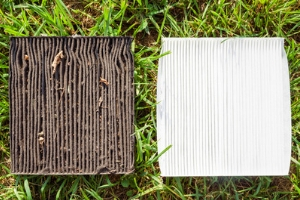
 Mold has a distinctive, strong smell. If you have mold growing in an isolated spot (say under your kitchen sink) you’d just be able to smell the odor within that room or right in the vicinity.
 Does it seem like you’ve had more colds than usual this year? How about worsening allergy symptoms? Guess what? Those aren’t colds or allergies.
 One of the most trusted ways to determine if you have mold in your air ducts is if you can see signs of mold. When it is growing inside your ducts, there will be stains on the exterior.