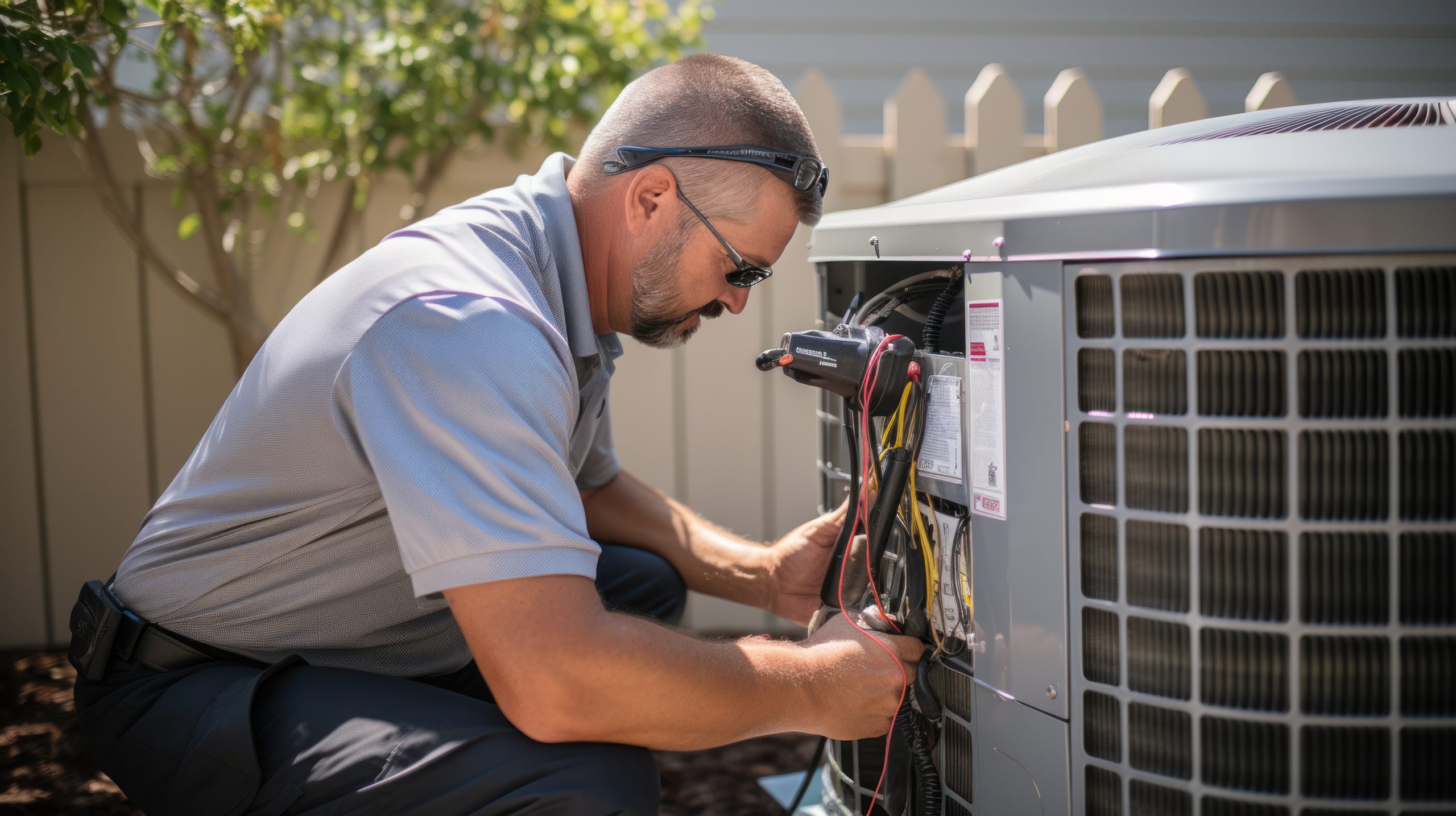
Top Signs Your Air Handler Needs Repair in Montgomery, AL

Have you ever walked from one room in your house to another and felt like you just crossed state lines? One space feels cool and comfortable, while the next feels like a humid afternoon sitting right on your shoulders. It is frustrating, confusing, and honestly a little exhausting. Here is the thing: most homeowners do not realize right away. That uneven comfort often has nothing to do with your thermostat or even your outdoor unit. More often than not, your air handler is quietly struggling behind the scenes.

And when it struggles, your entire HVAC system follows. Let’s talk about the real signs your air handler is asking for help—before it completely gives out on you.

Why Your Air Handler Matters More Than You Think

Your air handler is not just another piece of equipment tucked away in a closet or attic. It is the part of your system that actually moves air through your home. Without it, neither cool nor warm air would reach you.
In Montgomery, where humidity lingers, and summer heat stretches for months, your air handler works harder than you probably realize. It constantly pulls in air, conditions it, and pushes it back through your vents.

When it starts to slip, you feel it almost immediately.

Top Signs Your Air Handler Needs Repair

1. Your Airflow Feels Weak or Inconsistent

Let’s start with the most obvious one. You turn on your system, stand by a vent, and… barely anything comes out. That weak airflow usually points to a problem inside the air handler. It could be the blower motor, a clogged filter, or even buildup on internal components. Either way, your system is working harder than it should just to push air.

And that means higher energy bills for you.

2. Some Rooms Feel Completely Different

You should not need a hoodie in one room and a fan in another. If your home feels uneven, your air handler is likely not distributing air properly. This happens when airflow is unbalanced or restricted. Instead of circulating evenly, air gets stuck or diverted. Over time, that creates hot and cold spots that never seem to settle.

3. You Hear Strange Noises You Cannot Ignore

Your HVAC system should not sound like it is having a bad day. If you hear rattling, buzzing, or grinding, your air handler may have loose or worn parts. These noises usually start small. But they rarely stay that way. Ignoring them often leads to bigger and more expensive repairs later.

4. Your Energy Bills Are Climbing Without Explanation

Nobody likes opening a power bill and wondering what just happened. If your usage hasn't changed but your costs have, your air handler could be the culprit. When airflow is restricted, your system runs longer to reach the same temperature. That extra effort shows up directly on your bill.

5. Your Home Feels More Humid Than Usual

Montgomery's humidity is already enough to deal with outside. You should not feel it inside your home, either. A properly working air handler helps remove moisture as air passes through the system. If it is not doing that job well, the air becomes damp and uncomfortable. That is often an early sign that something needs attention.

6. You Notice a Musty or Dusty Smell

If the air coming through your vents smells off, your air handler might be the source. Dust, debris, or even moisture buildup inside the unit can create unpleasant odors. It is not just about comfort. That smell can also point to air quality issues you do not want to ignore.

7. Your System Turns On and Off Too Frequently

Short cycling is when your system starts and stops more often than it should. This can be linked to airflow problems caused by the air handler. It puts extra stress on your system and reduces overall efficiency. Over time, it can shorten the lifespan of your equipment.

8. Water Is Pooling Around the Unit

Seeing water where it should not be is never a good sign. Your air handler removes moisture, but it should properly drain it. If the drain line is clogged or the system is not functioning correctly, water can build up. That can lead to damage if not addressed quickly.

Why Quick Repairs Matter in Montgomery, AL

In a place like Montgomery, you cannot afford to wait on HVAC issues. The heat does not give you a break, and the humidity certainly does not either. Delaying repairs often turns a small fix into a major problem. What could have been a quick adjustment may turn into a full replacement if left unaddressed for too long.

Chad’s AC Direct understands exactly what homes in Montgomery go through. Our team focuses on fast, accurate service without the runaround. You get clear communication, written estimates, and a clean workspace when the job is done. Plus, every repair is backed by a satisfaction guarantee and warranty coverage, so you can feel confident that your comfort and investment are protected.

No guessing. No surprises.

What It Feels Like When Everything Works Right

When your air handler is doing its job properly, you notice the difference immediately. Air flows evenly. Rooms feel consistent. The humidity stays under control. Your system runs smoothly without constantly turning on and off. And maybe most importantly, you stop thinking about it altogether. That is how it should be.


We Know the Signs. Trust Us to Fix Your Air Handler Right

If any of these signs sound familiar, it is time to take action before things get worse. Your air handler is too important to ignore.

Here is what you can expect when you call: First, a friendly team member will listen to your concerns and help you schedule a convenient appointment time. When your technician arrives, they will inspect your system, explain what they find, and walk you through your options. Most repairs can be completed quickly, and you will always know the estimated cost before any work begins. From scheduling to final cleanup, Chad's AC Direct makes sure every step is straightforward and worry-free.

Call today to schedule your service and get your home feeling comfortable again.

Frequently Asked Questions

1. Can someone check my air handler if my vents suddenly stop pushing strong air?

Yes, that is one of the most common service calls homeowners make. Weak airflow usually means something inside the air handler is not working correctly. A technician will carefully inspect the blower, filter, and internal components. They will explain what is causing the issue and recommend the right fix.

2. How quickly can I get an appointment for air handler repair in Montgomery?

Most HVAC companies in Montgomery try to offer fast scheduling, especially during peak seasons. When you call, they will ask about your issue and availability. This helps them prioritize urgent cases, such as complete airflow loss. In many situations, you can expect a visit within a day or two.

3. Will I know the repair cost before any work begins?

Yes, and that should always be the case with a reliable service provider. The technician will diagnose the issue first and then walk you through the cost. You will see what parts are needed and how labor is calculated. This keeps everything transparent and easy to understand.

4. Can my air handler be repaired without replacing the entire system?

In many cases, yes, repairs are enough to restore proper function. Issues like worn motors, clogged coils, or electrical faults can often be fixed. A technician will evaluate your unit's condition before recommending a replacement. This ensures you are not spending more than necessary.

5. What should I do if my air handler starts making loud noises?

Yes, cleaning is a common and helpful service for maintaining performance. Dust and debris can accumulate, restricting airflow inside the unit. A professional cleaning removes that buildup and improves efficiency. It also helps maintain better indoor air quality.

6. Can I request just a cleaning service for my air handler?

Yes, cleaning is a common and helpful service for maintaining performance. Dust and debris can build up and restrict airflow inside the unit. A professional cleaning removes that buildup and improves efficiency. It also helps maintain better indoor air quality.

7. What happens during an air handler repair visit?

The technician will start by inspecting the unit and asking about the symptoms you noticed. They will test airflow, check electrical components, and examine internal parts. Once the issue is identified, they will explain the solution clearly. Repairs are typically done after your approval.

8. Will fixing my air handler help lower my energy bills?

In most cases, yes, it makes a noticeable difference. When airflow improves, your system does not have to work as hard. That reduces energy usage and lowers your monthly costs. Over time, the savings can offset the repair expense.

9. Can humidity problems in my home be linked to the air handler?

Yes, the air handler plays a role in removing moisture from indoor air. If it is not working properly, humidity levels can rise. This makes your home feel uncomfortable even when the temperature is set correctly. A repair can restore proper moisture control.

10. How do I know if I should repair or replace my air handler?

A technician will evaluate the age, condition, and performance of your unit. If repairs are minor and cost-effective, they will recommend fixing it. If the unit is older and frequently failing, replacement may be the better option. You will receive clear guidance based on your situation.

Improving Indoor Air Quality in Dadeville Residences

Most homeowners in Dadeville focus on the thermostat. Is it cool enough? Warm enough? But here’s the real question: Is the air you’re breathing clean enough? As an HVAC contractor who’s crawled through more attics and duct systems, we can tell you this—what’s floating around in your home might surprise you.

Improving indoor air quality in Dadeville residences isn’t just about comfort. It’s about health, sleep, allergies, energy bills, and even how your home smells when you walk through the door after a long Alabama summer day.

Let’s talk about what’s really going on inside your home—and what you can do about it.

Why Indoor Air Quality Matters More Than You Think

The EPA reports that indoor air can be 2 to 5 times more polluted than outdoor air. That’s not exactly comforting, especially when most people spend the majority of their time inside.

Improving indoor air quality in Dadeville residences starts with understanding that your HVAC system is the lungs of your home. If those lungs are clogged, everything suffers.

Signs Your Indoor Air Isn’t as Clean as It Should Be

Here’s what we tell homeowners all the time: your house will give you clues.

Watch for:

  • Persistent allergy symptoms indoors
  • Dust is building up quickly after cleaning
  • Uneven airflow from vents
  • Frequent headaches or fatigue
  • Musty or stale odors

If any of that sounds familiar, it’s time to stop guessing and start testing.

Solutions That Actually Work

Improving indoor air quality in Dadeville residences isn’t about gimmicks. It’s about practical, proven upgrades that make sense for your home.

1. High-Efficiency Air Filters

Not all filters are created equal. Those thin, cheap filters? They catch the big stuff, but microscopic particles slide right through.

Upgrading to a higher MERV-rated filter can dramatically reduce airborne contaminants. Just make sure your system can handle it, some units need adjustments to maintain airflow.

2. Whole-Home Air Purifiers

These systems integrate directly with your HVAC unit and actively neutralize pollutants. We’re talking bacteria, viruses, smoke particles—the stuff you don’t see but definitely breathe.

For families with asthma or severe allergies, this can be a game-changer.

3. UV Light Systems

UV lights installed inside the HVAC system target mold and microbial growth on coils and components. In humid areas like Dadeville, that’s huge.

It’s like giving your HVAC system its own internal defense system.

4. Duct Cleaning and Sealing

If ducts are dirty or leaking, they spread contaminants and waste energy. Sealing ductwork improves efficiency and air quality simultaneously.

Two birds. One solution.

5. Proper System Maintenance

Regular tune-ups aren’t just about preventing breakdowns. They keep coils clean, airflow balanced, and moisture levels controlled.

That’s why routine service matters more than people realize.

What Working With Chad's AC Direct Looks Like

Nobody enjoys calling for HVAC service. Usually, it means something went wrong.

At Chad's AC Direct, the goal is simple: make it easy. No guesswork. No surprise charges. No mess left behind.

Here’s what you can expect:

  • Written estimates before work begins
  • Itemized parts list
  • All labor clearly explained
  • Clean workspace when the job is done

Finding a trusted HVAC contractor in Montgomery, AL, and the surrounding areas shouldn’t feel stressful. When you call 334-264-6464, you’re getting fast, accurate service at a real value.

And what if your system decides to quit in the middle of July? We’ve got you covered.

Ready to Breathe Easier?

Improving indoor air quality in Dadeville residences doesn’t have to feel complicated. Sometimes it starts with a simple filter change. Other times it requires a bigger upgrade.

Either way, you deserve clean, healthy air inside your home.

If something feels off—or if you want peace of mind—call Chad's AC Direct and schedule your appointment today. Let’s get your air right.

Frequently Asked Questions 

1. Why does the air inside my Dadeville home sometimes feel stuffy or heavy?

That heavy, almostthickfeeling usually comes down to trapped humidity and poor airflow. In Dadeville, the outdoor moisture sneaks in, and if your HVAC system isn’t balancing it properly, that damp air sits inside. When air isn’t circulating well, it holds onto dust, odors, and allergens, which makes everything feel stale. So if your home feels stuffy even with the AC running, your system may not be moving or filtering air the way it should.

2. What usually causes poor indoor air quality in homes around here?

Most of the time, it’s not just one thing—it’s a combination. High humidity, clogged filters, dirty coils, and leaky ductwork all work together to recycle the same contaminated air. Add in pet hair, pollen from outside, and everyday cleaning products, and suddenly your air isn’t as fresh as you think. When all those factors build up over time, the difference becomes noticeable in how the house smells and how you feel.

3. Does humidity really make that big of a difference?

Absolutely, especially in this part of Alabama. Too much moisture creates the perfect environment for mold and mildew to grow, even in places you can’t see, like inside ductwork or on coils. On the other hand, when indoor air is too dry in winter, it can irritate your throat and skin. Keeping humidity balanced doesn’t just make the house comfortable — it keeps the air healthier overall.

4. How often should I really change my HVAC filter?

If it’s been longer than three months, it’s probably overdue. In homes with pets, kids, or allergy issues, filters can clog much faster because they’re catching more debris. When that filter gets packed with dust, airflow drops, and your system has to work harder to push air through. Swapping it out regularly is one of the easiest and cheapest ways to keep your air cleaner and your system happier.

5. Are whole-home air purifiers actually worth the investment?

If someone in the house struggles with allergies, asthma, or constant sinus issues, they can absolutely make a noticeable difference. Unlike portable units that clean just one room, a whole-home purifier treats the air every time your system runs. That means fewer floating particles and fewer irritants moving through the vents. Over time, many homeowners notice they dust less and breathe easier.

6. Can dirty air ducts really affect my health?

They can, especially if there’s mold or heavy dust buildup inside. Every time your system turns on, those particles can circulate through your living space. That constant exposure may worsen allergies or trigger coughing and congestion. Clean, sealed ducts help ensure you’re not re-breathing the same contaminants repeatedly.

7. How would I know if mold is growing inside my HVAC system?

The first sign is often a musty smell that doesn’t go away, even after cleaning. Sometimes you’ll notice stronger allergy symptoms when the AC kicks on. In more obvious cases, there may be visible mold around vents or near the air handler. Because mold can grow out of sight on coils and in ducts, a professional inspection is usually the safest way to confirm its presence.

8. Does regular HVAC maintenance really improve air quality, or is it just about preventing breakdowns?

It definitely helps with both. During maintenance, coils are cleaned, drains are cleared, and airflow is checked, all of which directly affect how clean the air remains. When dirt builds up inside the system, it doesn’t just hurt performance — it circulates contaminants. A well-maintained system runs cleaner, smoother, and more efficiently.

9. What air quality upgrades work best in humid climates like Dadeville?

In areas with year-round humidity, dehumidifiers and UV lights perform well. Dehumidifiers remove excess moisture from the air, helping prevent mold growth. UV lights target microbial buildup inside the system itself. Pair those with a strong filtration system, and you’ve got a solid defense against our climate.

10. When should I call an HVAC contractor in Dadeville, AL, about indoor air concerns?

If the house smells musty, feels sticky, or leaves you sneezing more indoors than outside, that’s a good time to make the call. Uneven airflow, constant dust, or rising energy bills are also signs that something isn’t right. An experienced HVAC contractor in Dadeville, AL, can test airflow, inspect ductwork, and check humidity levels to pinpoint the issue. The sooner the problem is diagnosed, the easier and less expensive it usually is to fix.

How to Reduce Allergy & Dust Issues with HVAC in Montgomery

If allergies or dust are taking over your home in Montgomery, your HVAC system can either be the problem or the solution. The good news is that with the right setup, maintenance, and habits, your heating and cooling system can actively improve your indoor air instead of making you sneeze.

Montgomery pollen is no joke. Add humidity, dust, pet dander, and that mystery buildup on your ceiling fan, and suddenly your house doesn’t feel like a safe haven anymore. The goal here is simple: help you breathe easier, sleep better, and stop fighting your own air.

Why HVAC Systems Play a Huge Role in Allergies

Your HVAC system moves more air through your home than anything else. Every time it kicks on, it circulates whatever is floating around inside your walls.

That means:

  • Clean systems = cleaner air
  • Dirty systems = recycled allergens

When neglected, HVAC units can spread dust, mold spores, pollen, and even bacteria. When properly maintained, they filter and control the air so your home actually feels fresh.

This is where working with a trusted HVAC contractor in Montgomery really matters. Chad's AC Direct focuses on red carpet service because details make the difference, especially when health is involved.


Start with Better Air Filters, Not Just Any Filter

Upgrading your air filter is the fastest way to reduce airborne irritants. Not all filters are created equal, and grabbing the cheapest one at the store usually backfires.

What actually works:

  • MERV 8–11 filters for most homes with allergies
  • High-efficiency pleated filters instead of flat fiberglass
  • Consistent replacement every 1–3 months

A clogged or low-quality filter can restrict airflow and allow allergens to bypass filtration entirely. Chad's AC Direct helps homeowners choose filters that balance air quality with system performance so your unit doesn’t struggle.


Schedule Regular HVAC Maintenance Before Allergy Season Hits

If your system hasn’t been serviced in a while, it’s likely holding onto dust inside the blower, coils, and drain pan. That buildup doesn’t stay put.

Routine maintenance helps by:

  • Removing internal dust and debris
  • Preventing mold growth from moisture
  • Improving airflow and filtration efficiency

In Montgomery’s humid climate, skipping maintenance is like inviting allergens to settle in. Chad's AC Direct offers tune-ups where everything is explained upfront, so there are no surprises and no lingering dust storms afterward.


Control Humidity to Stop Mold Before It Starts

Humidity is allergy fuel. When moisture levels climb above 50 percent, mold and dust mites thrive.

HVAC-based humidity control includes:

  • Proper system sizing
  • Clean condensate drain lines
  • Optional whole-home dehumidifiers

A system that’s too large will cool too fast and leave moisture behind. A properly designed system removes humidity while cooling. This is something Chad's AC Direct evaluates carefully during installations and upgrades.


Seal Ductwork to Keep Dust Out for Good

Leaky ducts pull air from attics, crawl spaces, and wall cavities. That air is loaded with dust, insulation fibers, and allergens.

Duct sealing helps:

  • Reduce dust buildup on furniture
  • Improve indoor air quality
  • Increase system efficiency

If you constantly dust and it never seems to help, duct leakage may be the hidden culprit. Professional inspection can reveal issues you’d never see on your own.


Clean Air Registers and Vents the Right Way

Wiping vent covers helps, but it doesn’t solve everything. Dust inside the duct boot can still circulate.

Do this instead:

  • Remove and wash vent covers
  • Vacuum inside the vent opening
  • Avoid blocking vents with furniture

If vents show visible mold or excessive buildup, professional duct cleaning may be recommended. Chad's AC Direct will always be honest about whether it’s necessary or not.


Upgrade to a Zoned or Smart Thermostat System

Temperature inconsistencies can stir up dust and reduce comfort. Smart thermostats and zoning help regulate airflow more evenly.

Benefits include:

  • Fewer hot and cold spots
  • Reduced system cycling
  • Better humidity control

When airflow is balanced, allergens are less likely to accumulate in specific rooms. Plus, you get better comfort with lower energy bills.


Keep Your Home HVAC Friendly

Your habits matter more than you think. Even the best HVAC system can’t overcome certain household issues.

Allergy-friendly habits:

  • Vacuum with HEPA filters
  • Wash bedding weekly in hot water
  • Keep doors and windows closed during high pollen days

When your home and HVAC system work together, the results are noticeable fast.


Why Montgomery Homeowners Trust Chad's AC Direct

Finding a trusted HVAC contractor in Montgomery shouldn’t feel like rolling the dice. At Chad's AC Direct, we make it easy, transparent, and stress-free for you.

Here’s what we offer more:

  • Written estimates before work begins
  • Itemized parts lists
  • All labor is accounted for
  • No mess left behind

Whether it’s a repair, tune-up, or full installation, our comfort specialists explain every option so you feel confident instead of pressured.

Tired of Sneezing in Your Home? Chad's AC Direct is Here to Help! 

If allergies and dust are making your home uncomfortable, it’s time to fix the root of the problem. Call Chad's AC Direct at 334-264-6464 today to schedule an immediate appointment and start breathing easier in your very own home.


Frequently Asked Questions 

1. How does an HVAC system affect allergies in Montgomery homes?

HVAC systems circulate air throughout the home, which can either trap or spread allergens. When filters and components are dirty, allergens recirculate continuously. Proper maintenance and filtration significantly reduce airborne irritants.

2. What HVAC filter is best for allergies?

High-quality pleated filters with a MERV rating between 8 and 11 work well for most homes. They trap pollen, dust, and pet dander without restricting airflow. Filters should be changed regularly for best results.

3. How often should HVAC maintenance be done for allergy control?

Maintenance should be performed at least twice a year. Regular service removes dust buildup and prevents mold growth. It also ensures proper airflow and humidity control.

4. Can HVAC systems help reduce dust buildup?

Yes, when ducts are sealed, and filters are effective. Leaky ductwork pulls dust from unconditioned spaces. A well-maintained system dramatically reduces dust circulation.

5. Does humidity affect allergies indoors?

High humidity encourages mold and dust mites. HVAC systems that manage moisture help keep allergens under control. Maintaining humidity between 30 and 50 percent is ideal.

6. Is duct cleaning necessary for allergy relief?

Duct cleaning may help if there is visible mold or heavy dust buildup. It is not always required for every home. A professional inspection can determine if it’s beneficial.

7. Can smart thermostats improve air quality?

Smart thermostats help regulate airflow and reduce uneven temperatures. This consistency improves filtration effectiveness. They also support better humidity control.

8. Why does my home get dusty so quickly?

Dust can enter through leaky ducts, poor filtration, or open doors and windows. HVAC systems play a major role in how dust moves. Addressing airflow issues often solves the problem.

9. Do HVAC upgrades help with seasonal allergies?

Yes, newer systems provide better filtration and humidity control. Proper sizing and airflow design reduce allergen circulation. Upgrades can make a noticeable difference during pollen season.

10. When should I call an HVAC professional for allergy issues?

If allergies persist despite cleaning and filter changes, it’s time to call a professional. HVAC issues are often hidden inside the system. Early evaluation prevents bigger problems later.

How to Improve Indoor Air Quality in Montgomery Homes

If you live in Montgomery, you already know our air has a personality. One day it’s heavy with humidity, the next it’s full of pollen that sticks to everything like glitter after a parade. Indoor air quality in Montgomery homes isn’t just a “nice to have.” It’s a daily comfort issue that affects your sleep, your energy, and sometimes your sanity. Let’s talk honestly about what’s floating around inside your house and what you can actually do about it without turning your home into a science experiment.

Why Indoor Air Quality Matters More Than You Think

Most people assume the air inside their home is cleaner than what’s outside. Surprisingly, studies from the Environmental Protection Agency show indoor air can be two to five times more polluted. In Montgomery, that gap can grow because homes stay closed up to keep cool air in and swampy heat out. Over time, dust, pet dander, mold spores, and chemical particles build up and recirculate.

Poor indoor air quality can cause headaches, allergy flare-ups, lingering coughs, and that mysterious “why do I always feel tired at home” feeling. If your HVAC system isn’t helping the situation, it might actually be making it worse. That’s where smart habits and professional support come in.


Common Indoor Air Pollutants in Montgomery Homes

Humidity and Mold Growth

Montgomery’s humidity is no joke. Excess moisture creates the perfect playground for mold and mildew, especially in ductwork, bathrooms, and poorly ventilated spaces. Once mold spores get airborne, they’re tough to escape.

Pollen and Outdoor Allergens

Thanks to our long allergy season, pollen sneaks in through doors, windows, and even your clothes. Without proper filtration, it settles into carpets and vents. Every time your system cycles on, it sends those allergens right back into the air.

Household Chemicals and VOCs

Cleaning products, air fresheners, paints, and even furniture can release volatile organic compounds. These invisible particles can irritate lungs and worsen respiratory conditions. Good ventilation and filtration make a noticeable difference here.


How Your HVAC System Impacts Indoor Air Quality

Your HVAC system is basically your home’s lungs. If it’s dirty, neglected, or outdated, it can’t filter air effectively. Clean air filters, sealed ductwork, and properly balanced airflow help trap pollutants instead of spreading them around.

This is where working with a reliable local contractor matters. Chad’s AC Direct focuses on red carpet service for Montgomery homeowners, making sure systems are not only cooling or heating but also supporting healthier air. When your HVAC system is dialed in correctly, you’ll feel the difference almost immediately.


Practical Ways to Improve Indoor Air Quality Today

Upgrade Your Air Filters

Standard filters catch big particles, but higher-rated filters can trap pollen, pet dander, and fine dust. Changing them regularly is one of the simplest improvements you can make. Set a reminder so it doesn’t become an “I’ll do it later” task.

Control Moisture Levels

Using a dehumidifier or ensuring your AC system is sized correctly helps reduce indoor humidity. Ideally, indoor humidity should stay between 30 and 50 percent. This discourages mold growth and makes the air feel lighter.

Schedule Routine HVAC Maintenance

Regular tune-ups keep coils clean, drains clear, and airflow consistent. A neglected system can circulate contaminants for years. Routine service also catches small issues before they turn into expensive emergencies.


Ventilation Still Matters in the South

It might feel counterintuitive to bring outside air in when it’s hot and sticky. However, controlled ventilation helps dilute indoor pollutants. Bathroom fans, kitchen exhausts, and properly designed ventilation systems improve air exchange without wrecking efficiency.

Modern HVAC solutions can balance fresh air intake with humidity control. That balance is key for indoor air quality in Montgomery homes, where opening windows isn’t always practical.

Clean Homes Breathe Better

Vacuuming with HEPA filters, washing bedding often, and reducing clutter all help minimize airborne particles. Houseplants can help slightly, but they’re not miracle workers. Think of them as helpers, not heroes.

Also, don’t forget your ducts. Over time, they can collect dust and debris that recirculate throughout your home. Professional inspections help determine whether cleaning is actually needed.


Why Professional Guidance Makes a Difference

DIY tips go a long way, but indoor air quality is connected to system design, airflow, and humidity control. Chad’s AC Direct makes the process hassle-free by discussing everything upfront, providing written estimates, itemized parts lists, and leaving no mess behind. If you’re dealing with frequent allergies or lingering odors, professional insight can uncover problems you didn’t know existed.

A Simple Call That Changes How Your Home Feels

There is nothing more frustrating than unexpected heating or AC problems, especially when they affect the air you breathe. Whether you’re installing a new system, tuning up your current one, or chasing down air quality issues, getting expert help saves time and stress.

Call Chad’s AC Direct at 334-264-6464 today and experience red carpet service that helps your Montgomery home feel cleaner, fresher, and more comfortable.


Frequently Asked Questions 

1. What causes poor indoor air quality in Montgomery homes?

First, high humidity allows mold and mildew to thrive indoors. Additionally, pollen from outside easily enters homes and circulates through HVAC systems. Over time, dust, pet dander, and chemicals build up. As a result, air quality declines without proper filtration and ventilation.

2. How does humidity affect indoor air quality?

Humidity creates an environment where mold spores multiply quickly. Moreover, damp air feels heavier and less comfortable to breathe. When moisture levels stay high, allergens remain airborne longer. Therefore, controlling humidity is essential for healthier indoor air.

3. Can HVAC systems improve indoor air quality?

Yes, HVAC systems play a major role in filtering and circulating air. However, dirty filters or poorly maintained units can spread pollutants instead. With proper maintenance, systems trap allergens effectively. Consequently, clean HVAC components directly support better air quality.

4. How often should air filters be changed?

Generally, filters should be changed every one to three months. Homes with pets or allergies may need more frequent changes. Over time, clogged filters reduce airflow and efficiency. Therefore, regular replacement keeps the air cleaner and systems running smoothly.

5. Are air purifiers effective for whole homes?

Air purifiers can help reduce airborne particles in specific areas. However, they work best when combined with proper HVAC filtration. Standalone units may not address pollutants throughout the house. As a result, whole-home solutions are often more effective.

6. Does duct cleaning improve indoor air quality?

Duct cleaning can help if there is visible dust buildup or mold. However, it is not always necessary for every home. A professional inspection determines whether cleaning is beneficial. Therefore, assessment should come before action.

7. How can I reduce allergens inside my home?

Start by vacuuming regularly with a HEPA filter. Next, wash bedding and curtains often to remove pollen and dust. Sealing gaps around doors and windows also helps. Over time, these habits significantly lower allergen levels.

8. Is ventilation important even in hot climates?

Yes, ventilation helps remove stale indoor air. Although opening windows isn’t always practical, mechanical ventilation works efficiently. Fresh air exchange dilutes pollutants indoors. Consequently, proper ventilation supports healthier breathing.

9. Can indoor air quality affect sleep?

Poor air quality can irritate airways and disrupt breathing at night. Additionally, allergens may trigger congestion or coughing. Cleaner air helps the body relax more easily. As a result, many people sleep better with improved air quality.

10. When should I seek professional help for air quality issues?

If allergies worsen indoors or odors persist, it’s time to act. Recurring humidity or mold problems also signal deeper issues. Professionals can identify system-related causes quickly. Ultimately, expert guidance prevents long-term health and comfort problems.

The Role of Ventilation & Fresh Air in Auburn Homes


With unpredictable weather and high humidity, local homeowners often struggle to maintain clean, breathable indoor air. That is where understanding the role of ventilation & fresh ir in Auburn homes becomes incredibly important. With the right HVAC guidance, you can enhance both comfort and overall home health.

Chad’s AC Direct has long been a trusted HVAC partner in Auburn. We offer fast, accurate service backed by honest pricing and professional care. Our team understands how fresh air affects your entire heating and cooling system. Whether you need installation, repair, or routine maintenance, we’re ready to help keep your home’s airflow balanced and efficient.

Why Fresh Air Matters in Auburn Homes

Auburn homes often face challenges like pollen, moisture buildup, and stagnant air, especially in older or tightly sealed houses. Proper ventilation helps cycle out old air and replace it with cleaner, healthier air. This creates a more stable indoor climate and reduces risks like mold growth or respiratory irritation.

When your home is properly ventilated, your HVAC system also runs more efficiently. It won’t work as hard to maintain your desired temperature, which can reduce energy bills. Better airflow also helps extend the life of your heating and cooling units.

Common Ventilation Issues in Auburn, AL

Many homeowners experience similar ventilation problems throughout the year. High humidity can trap warm, moist air inside your home, especially during the summer months. Poor insulation or sealed windows can also reduce natural airflow. Over time, these issues can lead to unpleasant odors, uneven temperatures, and poor indoor air quality.

Homes without updated ventilation systems may also struggle with dust accumulation. Lack of fresh air movement allows particles to settle, making rooms feel stuffy. If your home feels stale or difficult to cool, ventilation could be the missing piece. Chad’s AC Direct are equipped to diagnose and resolve these issues quickly.

How HVAC Systems Improve Fresh Air Flow

Modern heating and cooling units are designed to pull in outside air, filter it, and distribute it evenly throughout the home. This constant circulation helps regulate temperature and remove impurities. With proper maintenance, your system can deliver balanced airflow year-round.

Air purifiers, dehumidifiers, and fresh air intake systems also enhance indoor air quality. These additions help ensure that the air circulating in your home is clean, dry, and safe. Regular tune-ups can also prevent unexpected system failures. Chad’s AC Direct offers reliable service to keep your HVAC system running smoothly.

The Importance of Professional Ventilation Assessment

A professional inspection is often the best way to determine if your ventilation system is working properly. Experts can identify issues like duct leaks, inadequate airflow, or outdated equipment. They can also recommend changes that improve performance and indoor air quality. This ensures a healthier and more comfortable home environment.

A detailed assessment can also prevent future complications. Professionals provide written estimates, itemized parts lists, and transparent service recommendations. This allows you to understand exactly what your home needs. Chad’s AC Direct prioritizes clear communication so homeowners never feel uncertain about their HVAC decisions.

Fresh Air Solutions Offered by Chad’s AC Direct

Chad’s AC Direct provides a wide range of solutions to help homeowners like you enjoy cleaner and healthier air. Our comfort specialists are trained to identify ventilation problems quickly and provide effective options. We handle everything from fresh air intake installation to ductwork repair. Because our priority is always delivering value and long-lasting results.

We also offer preventive maintenance plans. These include tune-ups, filter replacements, and thorough inspections. With our red-carpet service, homeowners can enjoy peace of mind throughout the year. Their transparent pricing ensures no surprises.

Ready for Cleaner, Fresher Air in Your Home?

Chad’s AC Direct is ready to help you upgrade your ventilation system and enhance your home’s overall comfort. Our team brings fast, honest, and reliable service to Auburn families every day.

Call today to enjoy fresher air and a healthier home!

Frequently Asked Questions 

1. Why is ventilation important in Auburn homes?

Ventilation helps remove pollutants and stale air from your living space. It reduces humidity that can trigger mold and mildew growth. Proper airflow also improves indoor comfort and air quality. Auburn’s climate makes reliable ventilation essential for healthy homes.

2. How does fresh air improve indoor air quality?

Fresh air dilutes indoor contaminants such as dust and chemicals. It helps maintain balanced humidity levels throughout the home. Better airflow reduces odors and promotes healthier breathing. This creates a more comfortable indoor environment.

3. What are common signs of poor ventilation?

Stale odors or lingering smells often indicate poor airflow. High humidity or condensation on windows may also signal ventilation issues. Uneven temperatures can suggest air movement problems. Indoor air that feels heavy or stuffy is another sign.

4. How does ventilation affect energy efficiency?

Good ventilation helps your HVAC system maintain stable temperatures. When air flows properly, your system uses less energy. Reduced strain on the equipment lowers monthly bills. Efficient airflow also extends equipment lifespan.

5. Can ventilation help reduce humidity in Auburn homes?

Yes, proper ventilation helps remove excess moisture from indoor air. It prevents mold and mildew growth caused by high humidity. Better airflow keeps rooms feeling cooler and fresher. This is especially important in humid Auburn summers.

6. What types of ventilation systems improve fresh air flow?

Mechanical ventilation systems help pull in fresh outdoor air. Exhaust fans remove unwanted indoor air and pollutants. Whole-home systems distribute clean air throughout the house. Each option supports healthier and more balanced airflow.

7. How often should ventilation be checked?

Most experts recommend evaluating ventilation at least once a year. Regular checks help catch airflow problems early. Inspections also ensure systems run efficiently throughout the seasons. Annual assessments support better indoor air quality.

8. Does poor ventilation affect my health?

Yes, poor ventilation can increase exposure to pollutants. It may trigger allergies, respiratory irritation, or headaches. Stagnant air can worsen indoor comfort and sleep quality. Healthy airflow supports better well-being overall.

9. How does ventilation impact heating and cooling performance?

Proper ventilation helps distribute conditioned air evenly. This reduces strain on heating and cooling equipment. Better airflow leads to consistent temperatures in every room. Efficient systems last longer and perform more reliably.

10. Can opening windows improve ventilation?

Opening windows can increase airflow temporarily. However, it does not provide controlled or filtered ventilation. Outdoor pollen and dust may enter your home. A balanced ventilation system offers better long-term results.