
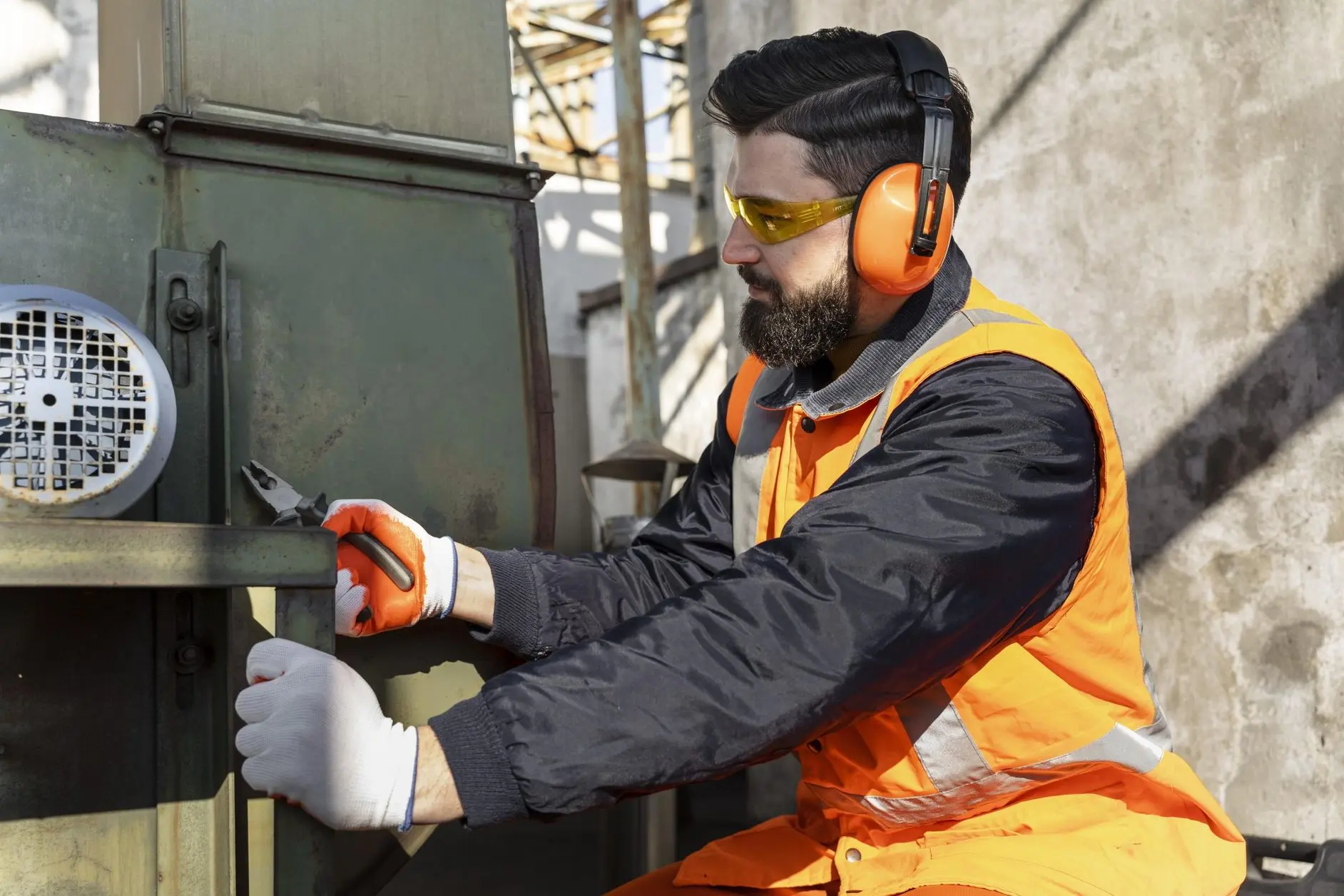
In reality, annual tune-ups directly affect indoor air quality, humidity balance, electrical safety, and even how long your ductwork lasts. If you live in Dadeville, your system operates in a high-moisture environment for most of the year. That changes everything. Humidity here isn’t just uncomfortable. It affects refrigerant pressure, coil performance, microbial growth inside drain lines, and even how efficiently your thermostat reads room temperature.
At Chad’s AC Direct, we approach tune-ups differently. It’s not a quick filter swap and goodbye. It’s a system calibration designed for Tallapoosa County conditions. If you’ve ever wondered why your home feels sticky even when the AC is running or why your power bill jumps in late summer despite steady thermostat settings, keep reading.
You might be surprised by what’s really going on inside your system.
Why You Shouldn't Skip Tune-Ups
1. Your Drain Line Is a Mold Hotspot
Without cleaning, biofilm builds up. That slime can clog the line and cause water to back up into your system.
A tune-up includes clearing and treating the drain line before it becomes a hidden water damage issue.
2. Voltage Imbalance Can Shorten Compressor Life
Power fluctuations happen more often than you think, especially during summer peak usage. Slight voltage imbalance stresses motors and compressors over time.
During maintenance, electrical readings are tested. Catching abnormal voltage early can prevent a major compressor failure later.
3. Static Pressure Problems Are Common in Older Dadeville Homes
Many homes weren’t designed for modern high-efficiency systems. Ductwork may be undersized or partially restricted.
High static pressure forces your system to strain quietly. It doesn’t always shut down, it just ages faster. Measuring airflow during a tune-up helps identify this silent stress.
4. Refrigerant Isn’t “Used Up," but It Can Leak Slowly
Air conditioners operate in a closed loop. Refrigerant doesn’t disappear. If levels are low, there’s a leak.
Small leaks reduce efficiency long before you notice weak cooling. Annual checks catch these issues early, when repair is far less expensive.
5. Dirty Coils Don’t Just Reduce Cooling
When evaporator coils are coated in dust, they can’t absorb heat efficiently. That increases run time and shortens system lifespan.
Cleaning coils during routine service restores proper heat exchange, which improves performance and lowers energy consumption.
6. Your Thermostat Might Be Lying to You
Even a slight calibration issue can cause temperature swings. Two degrees off might not sound like much, but it impacts comfort and runtime significantly.
Part of a comprehensive tune-up includes verifying thermostat accuracy.
7. Minor Component Wear Predicts Major Failures
Capacitors and contactors often fail without warning. However, testing their strength during maintenance can reveal weakening components.
Replacing a worn capacitor during a scheduled visit is far cheaper than replacing a burned motor during an emergency call.
The Real Cost of Skipping Maintenance
Skipping annual service doesn’t just risk breakdowns. It reduces system lifespan by years. A properly maintained HVAC system can last 15–20 years. A neglected one may struggle by year 10. That’s a significant financial difference.
Additionally, energy efficiency declines gradually. You might not notice a sudden spike, but over time, higher utility bills quietly add up. Maintenance isn’t an expense. It’s protection.
Ready to Protect Your Comfort?
Your HVAC system works quietly every day. It deserves more than neglect. Call Chad’s AC Direct today. We’ll walk you through every detail, provide clear written estimates, and leave your home exactly how we found it.
Frequently Asked Questions
1. How often should HVAC systems be serviced in Alabama?
At least once a year, no question. Twice is better if you run heat and air heavily. Our summers are long and brutal. That constant workload stresses parts quietly. Annual service catches wear before it becomes a Saturday night emergency.
2. Can skipping maintenance increase my energy bill?
Yes, and it happens slowly. Your system runs longer to hit the same temperature. Longer runtime means higher power usage. You may not notice at first. Then you compare last year’s bill and wonder what changed.
3. What actually happens during a professional HVAC tune-up?
It’s more than swapping a filter. We check refrigerant levels, electrical readings, airflow, and coil condition. We test components that fail quietly, like capacitors. We also clear the drain line, which most homeowners never see. It’s a full system check, not a quick glance.
4. Does maintenance really extend HVAC lifespan?
Absolutely. Systems fail early when they run under constant strain. High pressure, low refrigerant, and airflow problems add up. Fixing those small stresses keeps parts from overheating. Over time, that can add years to your unit’s life.
5. If my AC is cooling fine, do I still need a tune-up?
Yes, because “cooling fine” doesn’t mean “running efficiently.” Many systems cool while slowly damaging themselves. You won’t hear a warning sound. Performance drops gradually. Maintenance makes sure everything is operating the way it was designed to.
6. Can maintenance improve indoor air quality?
It definitely can. Dirty coils and clogged drains create moisture pockets. Moisture leads to mold growth inside the system. Cleaning those areas improves airflow and reduces contaminants. Your air feels fresher, not heavy or stale.
7. What’s the biggest hidden risk of skipping tune-ups?
Electrical failure. Loose connections and weak capacitors don’t always show symptoms. They just quit suddenly. And when they fail, they can damage larger components. A quick electrical test during maintenance prevents expensive surprises.
8. Is refrigerant something that needs to be refilled every year?
No, refrigerant doesn’t get “used up.” If it’s low, there’s a leak somewhere. That leak reduces efficiency and stresses the compressor. We check levels and look for problems early. Fixing small leaks now prevents major repairs later.
9. When is the best time to schedule HVAC maintenance in Dadeville?
Spring is ideal for air conditioning service. Fall works best for heating checks. Scheduling before peak season avoids long wait times. It also gives you peace of mind before extreme weather hits.
10. How do I know if my HVAC system is already struggling?
Look for subtle signs. Longer cooling cycles are one clue. Uneven room temperatures are another. Rising energy bills without thermostat changes also matter. If something feels slightly off, it probably is.