
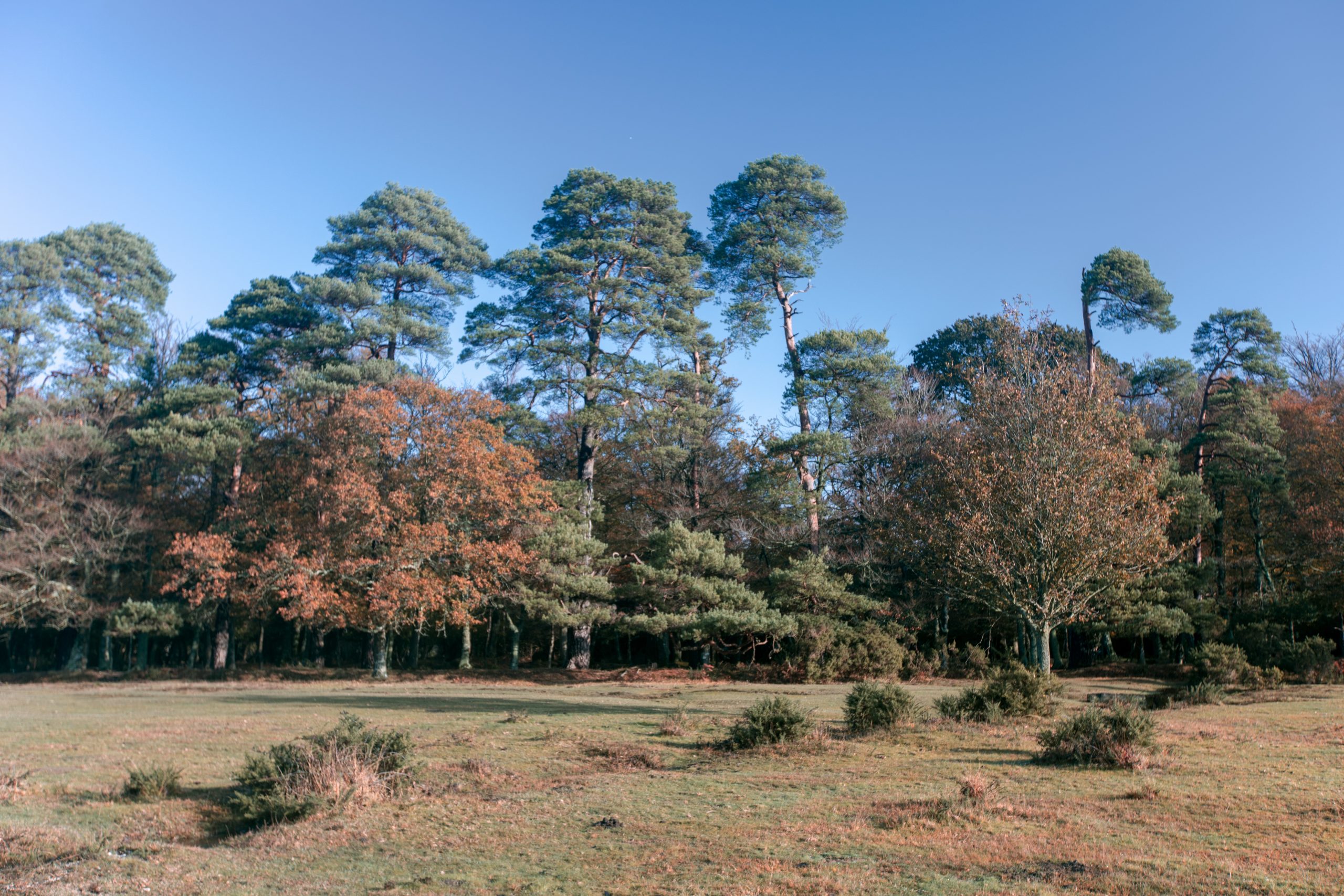
When it comes to heating and cooling their homes, many homeowners focus solely on the HVAC unit. What’s often overlooked is how your environment directly affects performance and longevity. In Dadeville, Alabama, the combination of rolling terrain, dense vegetation, red clay soil, and proximity to Lake Martin creates unique challenges for HVAC systems.
Understanding how local terrain and vegetation affect HVAC systems in Dadeville can save you money, extend the life of your system, and prevent unexpected breakdowns. At Chad’s AC Direct, we take all these factors into account when installing, repairing, or maintaining systems, ensuring your home stays comfortable year-round.
How Soil and Terrain Affect Your HVAC
Dadeville’s red clay soil is notorious for holding moisture long after rainfall. While great for gardens, it can affect outdoor HVAC units in ways homeowners rarely consider:
- Mineral Splashback: Rain can push iron-rich clay particles onto condenser coils, reducing heat transfer efficiency.
- Corrosion Risk: Moist soil around the base accelerates rusting of metal components.
- Drainage Issues: Poor natural drainage can lead to standing water around outdoor pads, potentially destabilizing the unit.
Proactive solutions include:
- Elevated installation pads
- Proper yard grading
- Drainage channels to redirect water
Even a minor adjustment in placement can protect your system from long-term wear.
Vegetation and Shade: Both Friend and Foe
Tree coverage provides relief from Dadeville’s summer heat but can also affect HVAC performance.
Benefits of Trees and Shade:
- Reduces direct sunlight on the condenser
- Lowers surface temperature around the unit
- Helps improve seasonal cooling efficiency
Potential Risks:
- Leaves, pine needles, and pollen accumulate on coils, blocking airflow
- Branches can physically damage the unit if not trimmed
- Dense foliage can trap heat around the system, forcing longer runtime
Best Practices: Maintain at least 24 inches of clearance around outdoor units, trim overhanging branches, and schedule seasonal cleaning. This ensures shade benefits without sacrificing airflow.
Humidity and Microclimates
Proximity to Lake Martin creates higher humidity levels that persist even outside the summer months.
- Humidity extends cooling cycles, increasing energy consumption.
- Constant moisture exposure accelerates corrosion, especially on aluminum fins and copper coils.
- Microclimates created by hills or wooded areas can cause subtle temperature differences across your property, affecting how your system operates.
Homes on lower ground or in shaded valleys may experience damp conditions that reduce efficiency, while homes on elevated lots may face wind exposure that stresses components.
Pine Pollen and Seasonal Debris
Alabama’s pine forests introduce another invisible factor: pollen. Each spring, pollen can accumulate on condenser coils. When combined with humidity:
- A thin film forms on fins, reducing heat exchange
- Airflow is restricted, forcing longer system runtime
- Energy consumption rises, and wear accelerates
At Chad’s AC Direct, we recommend targeted spring maintenance to remove pollen buildup and check the condenser's performance before the peak cooling season.
Elevation and Wind Patterns
Even slight elevation changes affect HVAC efficiency:
- Lower elevations can trap moisture around the system, increasing the risk of corrosion.
- Higher elevations may be more exposed to wind, which can disrupt airflow around the condenser.
- Directional wind exposure may increase debris accumulation on coils.
Proper placement during installation ensures optimal airflow and minimizes environmental stressors.
Storms and Electrical Considerations
Dadeville experiences frequent summer thunderstorms that affect electrical components:
- Voltage fluctuations can damage capacitors, contactors, and control boards.
- Outdoor units in exposed areas face higher surge risk.
- Routine inspections and surge protection devices safeguard system integrity.
Combining storm resilience with environmental awareness helps prevent unexpected breakdowns.
Best Practices for HVAC Longevity in Dadeville
Homeowners can take simple steps to protect their systems from environmental stressors:
- Maintain clearance: Keep at least 24 inches around outdoor units.
- Trim vegetation: Prevent leaves and branches from blocking airflow.
- Monitor drainage: Ensure water drains away from pads.
- Schedule seasonal maintenance: Spring and fall inspections catch pollen, debris, and corrosion early.
- Install surge protection: Reduce risk from electrical storms.
Implementing these steps not only improves efficiency but also extends system lifespan.
What to Expect Working with Chad’s AC Direct
At Chad’s AC Direct, we integrate environmental analysis into every service visit. Customers can expect:
- Comprehensive site assessment considering terrain and vegetation
- Written estimates before work begins
- Itemized parts lists and transparent labor costs
- Clean and organized workspaces after completion
From new installations to seasonal tune-ups or emergency repairs, we ensure your system is optimized for Dadeville’s unique conditions.
Protect Your HVAC Today!
Environmental conditions in Dadeville significantly impact HVAC efficiency and durability. From clay soil to lake humidity and dense tree coverage, your system faces unique challenges.
Call Chad’s AC Direct today for a professional assessment. Fast, reliable, and environmentally aware service ensures your home stays comfortable year-round.
Frequently Asked Questions
1. How does Dadeville’s clay soil affect HVAC systems?
Clay soil holds water much longer than sandy soil. That moisture can sit around your unit, causing rust on metal parts. Over time, mineral buildup from rain reduces heat transfer efficiency. A proper pad and good drainage make a huge difference and help your system last longer.
2. Does living near Lake Martin increase HVAC wear?
Yes, the lake adds humidity that your AC constantly works to remove. That extra moisture stresses coils and compressors. Over time, it speeds up corrosion and wear. Regular inspections and seasonal maintenance help prevent surprises before the peak summer heat hits.
3. Is shade always beneficial for AC units?
Shade is good, but only if airflow isn’t blocked. A tree can keep your condenser cool, which saves energy. But leaves or branches touching the unit reduce efficiency. You need both shade and clearance to get the real benefit.
4. Why is pine pollen a concern for HVAC systems?
Pine pollen is fine, sticky, and it clings to moist coils. That reduces airflow, making the system work harder. If it builds up during spring, your energy bills go up. Cleaning the unit after pollen season keeps everything running smoothly.
5. Can elevation impact HVAC performance?
Yes, even small changes in height make a difference. Low areas trap moisture, which can corrode components. High spots face stronger winds, which may disturb airflow or drop debris on the unit. Proper installation placement accounts for these variations and helps the system run efficiently.
6. Does humidity affect energy bills?
Absolutely. High humidity forces your AC to remove extra moisture from the air. That means longer run times and higher electricity usage. Properly sized systems and routine maintenance reduce strain. A well-tuned system keeps both energy costs and wear under control.
7. How do storms affect HVAC systems?
Storms cause sudden voltage spikes that stress capacitors and control boards. Outdoor units are also exposed to wind and debris. Without surge protection, damage can happen quickly. Inspections after storms ensure small issues don’t become expensive repairs.
8. Why is proper drainage important for outdoor units?
Standing water around a condenser accelerates rusting and corrodes pads. If the unit tilts slightly, refrigerant flow can get affected. Even small shifts reduce efficiency. Proper grading and a stable installation pad prevent all of these problems.
9. How often should HVAC systems be serviced in Dadeville?
Twice a year is ideal—spring and fall. Humidity, pollen, and storms add stress to systems here. Seasonal inspections catch minor issues before they become major repairs. Regular maintenance keeps performance high and energy bills lower.
10. Can landscaping choices affect HVAC efficiency?
Yes, shrubs or fences too close restrict airflow. Restricted airflow makes your unit work harder, which raises energy bills. Branches and leaves can also damage components over time. Keeping at least two feet of clearance ensures both safety and efficiency.