Why You Shouldn’t Skip Annual HVAC Tune-Ups in Dadeville

In reality, annual tune-ups directly affect indoor air quality, humidity balance, electrical safety, and even how long your ductwork lasts. If you live in Dadeville, your system operates in a high-moisture environment for most of the year. That changes everything. Humidity here isn’t just uncomfortable. It affects refrigerant pressure, coil performance, microbial growth inside drain lines, and even how efficiently your thermostat reads room temperature.

At Chad’s AC Direct, we approach tune-ups differently. It’s not a quick filter swap and goodbye. It’s a system calibration designed for Tallapoosa County conditions. If you’ve ever wondered why your home feels sticky even when the AC is running or why your power bill jumps in late summer despite steady thermostat settings, keep reading.

You might be surprised by what’s really going on inside your system.

Why You Shouldn't Skip Tune-Ups

1. Your Drain Line Is a Mold Hotspot

Without cleaning, biofilm builds up. That slime can clog the line and cause water to back up into your system.

A tune-up includes clearing and treating the drain line before it becomes a hidden water damage issue.

2. Voltage Imbalance Can Shorten Compressor Life

Power fluctuations happen more often than you think, especially during summer peak usage. Slight voltage imbalance stresses motors and compressors over time.

During maintenance, electrical readings are tested. Catching abnormal voltage early can prevent a major compressor failure later.

3. Static Pressure Problems Are Common in Older Dadeville Homes

Many homes weren’t designed for modern high-efficiency systems. Ductwork may be undersized or partially restricted.

High static pressure forces your system to strain quietly. It doesn’t always shut down, it just ages faster. Measuring airflow during a tune-up helps identify this silent stress.

4. Refrigerant Isn’t “Used Up," but It Can Leak Slowly

Air conditioners operate in a closed loop. Refrigerant doesn’t disappear. If levels are low, there’s a leak.

Small leaks reduce efficiency long before you notice weak cooling. Annual checks catch these issues early, when repair is far less expensive.

5. Dirty Coils Don’t Just Reduce Cooling

When evaporator coils are coated in dust, they can’t absorb heat efficiently. That increases run time and shortens system lifespan.

Cleaning coils during routine service restores proper heat exchange, which improves performance and lowers energy consumption.

6. Your Thermostat Might Be Lying to You

Even a slight calibration issue can cause temperature swings. Two degrees off might not sound like much, but it impacts comfort and runtime significantly.

Part of a comprehensive tune-up includes verifying thermostat accuracy.

7. Minor Component Wear Predicts Major Failures

Capacitors and contactors often fail without warning. However, testing their strength during maintenance can reveal weakening components.

Replacing a worn capacitor during a scheduled visit is far cheaper than replacing a burned motor during an emergency call.

The Real Cost of Skipping Maintenance

Skipping annual service doesn’t just risk breakdowns. It reduces system lifespan by years. A properly maintained HVAC system can last 15–20 years. A neglected one may struggle by year 10. That’s a significant financial difference.

Additionally, energy efficiency declines gradually. You might not notice a sudden spike, but over time, higher utility bills quietly add up. Maintenance isn’t an expense. It’s protection.

Ready to Protect Your Comfort?

Your HVAC system works quietly every day. It deserves more than neglect. Call Chad’s AC Direct today. We’ll walk you through every detail, provide clear written estimates, and leave your home exactly how we found it.


Frequently Asked Questions

1. How often should HVAC systems be serviced in Alabama?

At least once a year, no question. Twice is better if you run heat and air heavily. Our summers are long and brutal. That constant workload stresses parts quietly. Annual service catches wear before it becomes a Saturday night emergency.

2. Can skipping maintenance increase my energy bill?

Yes, and it happens slowly. Your system runs longer to hit the same temperature. Longer runtime means higher power usage. You may not notice at first. Then you compare last year’s bill and wonder what changed.

3. What actually happens during a professional HVAC tune-up?

It’s more than swapping a filter. We check refrigerant levels, electrical readings, airflow, and coil condition. We test components that fail quietly, like capacitors. We also clear the drain line, which most homeowners never see. It’s a full system check, not a quick glance.

4. Does maintenance really extend HVAC lifespan?

Absolutely. Systems fail early when they run under constant strain. High pressure, low refrigerant, and airflow problems add up. Fixing those small stresses keeps parts from overheating. Over time, that can add years to your unit’s life.

5. If my AC is cooling fine, do I still need a tune-up?

Yes, because “cooling fine” doesn’t mean “running efficiently.” Many systems cool while slowly damaging themselves. You won’t hear a warning sound. Performance drops gradually. Maintenance makes sure everything is operating the way it was designed to.

6. Can maintenance improve indoor air quality?

It definitely can. Dirty coils and clogged drains create moisture pockets. Moisture leads to mold growth inside the system. Cleaning those areas improves airflow and reduces contaminants. Your air feels fresher, not heavy or stale.

7. What’s the biggest hidden risk of skipping tune-ups?

Electrical failure. Loose connections and weak capacitors don’t always show symptoms. They just quit suddenly. And when they fail, they can damage larger components. A quick electrical test during maintenance prevents expensive surprises.

8. Is refrigerant something that needs to be refilled every year?

No, refrigerant doesn’t get “used up.” If it’s low, there’s a leak somewhere. That leak reduces efficiency and stresses the compressor. We check levels and look for problems early. Fixing small leaks now prevents major repairs later.

9. When is the best time to schedule HVAC maintenance in Dadeville?

Spring is ideal for air conditioning service. Fall works best for heating checks. Scheduling before peak season avoids long wait times. It also gives you peace of mind before extreme weather hits.

10. How do I know if my HVAC system is already struggling?

Look for subtle signs. Longer cooling cycles are one clue. Uneven room temperatures are another. Rising energy bills without thermostat changes also matter. If something feels slightly off, it probably is.
Tips for Extending HVAC Lifespan in Dadeville

An HVAC system is one of the most significant mechanical investments in your home. Yet, most homeowners rarely think about it until performance declines or a breakdown occurs. In Dadeville, where humidity levels remain high and summer heat places extended demand on cooling systems, preventative care is essential rather than optional.

If you are looking for practical, experience-driven advice on extending the lifespan of your HVAC system in Dadeville, this guide offers more than surface-level recommendations. We will explain how local climate conditions, system usage habits, and maintenance practices directly affect long-term performance.

With the right strategy, your system can operate efficiently for many years beyond its expected average.

Tips for Extending HVAC Lifespan in Dadeville

1. Maintain Consistent Thermostat Settings

Frequent and extreme thermostat adjustments create unnecessary stress on your HVAC equipment. Lowering the temperature dramatically during hot afternoons does not cool the home faster. Instead, it forces the system to operate continuously for extended periods.

Maintaining steady and reasonable settings allows the unit to cycle normally. This reduces strain on the compressor and electrical components. Over time, controlled operation contributes to longer service life.

Installing a programmable or smart thermostat can further optimize performance while minimizing excess runtime.

2. Replace Air Filters on a Strict Schedule

Air filters do more than trap dust. They regulate airflow and system pressure. When filters become clogged, airflow restriction increases internal strain. Restricted airflow causes the blower motor to work harder. This added resistance elevates operating temperatures and shortens component lifespan.

In Dadeville, pollen levels during spring and early summer may require more frequent filter changes. Monthly inspection is recommended, even if replacement is not always necessary.


3. Protect the Outdoor Condenser Unit

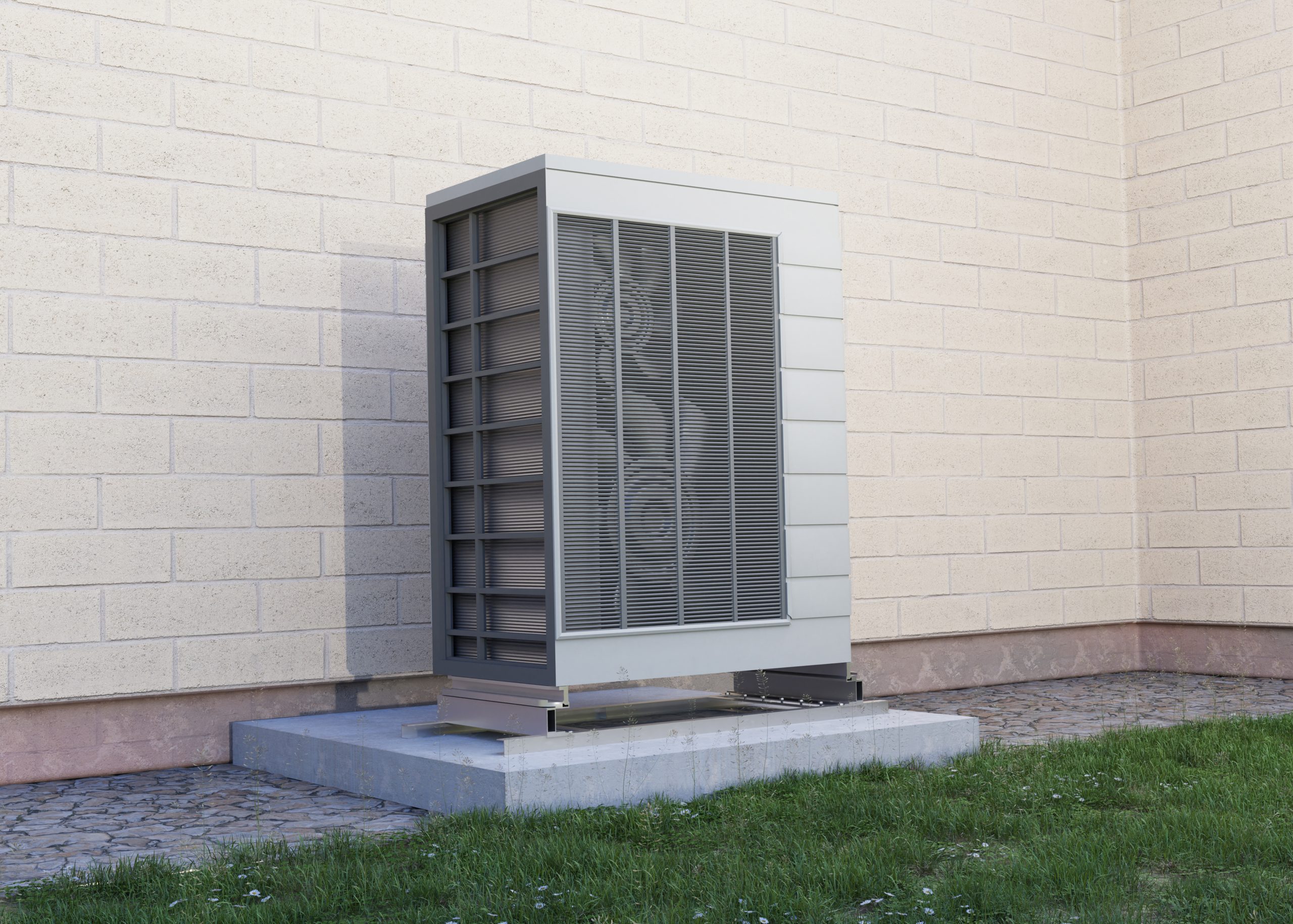
The outdoor condenser plays a critical role in heat transfer. When airflow around the unit is restricted, heat cannot dissipate effectively. This raises internal pressure and reduces compressor efficiency.

Ensure at least two feet of clearance around the condenser. Trim vegetation regularly and remove debris such as leaves and grass clippings. Periodically rinsing the unit with a garden hose can prevent dirt accumulation.


4. Prioritize Biannual Professional Maintenance

Preventative maintenance is the single most effective way to extend HVAC lifespan in Dadeville. Professional inspections identify small issues before they evolve into major failures.

A comprehensive service visit should include:

  • Electrical connection testing
  • Refrigerant level verification
  • Coil cleaning
  • Airflow measurement
  • Drain line inspection

At Chad's AC Direct, every service appointment is handled with transparency. Customers receive written estimates, itemized parts lists, and detailed explanations of labor. All work areas are left clean upon completion.

5. Inspect and Seal Ductwork

Leaking ductwork is a hidden contributor to system strain. In Alabama, attic temperatures can become extremely high. If conditioned air escapes into unsealed duct areas, the system must operate longer to compensate.

Extended runtime increases wear on mechanical components. Sealing duct leaks improves efficiency, stabilizes indoor temperatures, and reduces unnecessary cycling. Duct inspections are often overlooked but can substantially extend overall equipment lifespan.

6. Ensure Proper System Sizing

An improperly sized HVAC system shortens operational life. Oversized units cycle on and off frequently, causing repeated electrical stress. Undersized systems run continuously, leading to overheating.

A professional load calculation should be conducted before any system replacement. Factors such as square footage, insulation levels, window placement, and occupancy all influence proper sizing.

7. Maintain Clean Coils for Optimal Heat Exchange

Both evaporator and condenser coils must remain clean for effective heat transfer. Dirt accumulation reduces efficiency and increases workload.

When coils cannot release or absorb heat properly, the system compensates by running longer. This extended operation accelerates wear. Professional cleaning during routine maintenance ensures efficient heat exchange and stable internal pressures.

8. Monitor Energy Usage Trends

Unexpected increases in energy bills may indicate declining system efficiency. When internal components struggle, power consumption rises.

Monitoring monthly utility statements provides insight into performance changes. Addressing inefficiencies early prevents excessive mechanical stress.

9. Keep the Condensate Drain Line Clear

High humidity environments increase the risk of condensate drain clogs. Blocked drain lines can trigger system shutdowns or cause water damage.

Routine drain line flushing prevents algae buildup and protects internal components. Though minor, this maintenance step contributes to long-term system health.

Work With a Contractor Focused on Long-Term Value

Extending HVAC lifespan in Dadeville depends not only on homeowner habits but also on the quality of professional service received.

Chad's AC Direct provides structured, transparent, and customer-focused HVAC solutions throughout Montgomery and surrounding communities. Every project is discussed upfront so you understand expectations from start to finish.

Whether you require system installation, furnace repair, or seasonal maintenance, our comfort specialists deliver precise solutions at competitive value. We believe reliable service should feel seamless and professional.

Schedule Service With Confidence

Unexpected heating or cooling problems are inconvenient and stressful. However, preventative action significantly reduces that risk. Call  today to schedule your appointment

Protect your HVAC investment. Extend its lifespan. And experience the level of service your home deserves.

Frequently Asked Questions

1. How often should I service my HVAC system in Dadeville?

In Dadeville, you really should service your HVAC system twice a year. Our summers are long and humid, and that kind of workload adds up fast. A spring checkup prepares your AC for heavy use, and a fall visit gets your heating ready. Skipping those tune-ups usually means higher bills and surprise breakdowns later.

2. What is the most important HVAC maintenance task?

If I had to pick one thing, it would be changing your air filter. A clogged filter chokes airflow, and your system has to fight to breathe. When that happens, the blower motor and compressor take the hit. It’s a small habit that protects some very expensive parts.

3. How can I make my HVAC system last longer?

You make your system last longer by reducing stress on it. That means steady thermostat settings, clean filters, and regular inspections. Think of it like maintaining a car. The more consistent you are, the fewer surprises you’ll face in Dadeville’s peak heat.

4. Why is my energy bill suddenly higher?

When your energy bill jumps, your HVAC system is usually working harder than it should. Something may be dirty, low, or slightly off balance. The system runs longer to compensate, and that shows up on your bill. It’s often an early warning sign, not just random bad luck.

5. Should I cover my outdoor AC unit in winter?

In Dadeville, you usually don’t need to fully cover your AC unit in winter. These systems are built for outdoor conditions. What matters more is clearing debris and keeping airflow open. If you use a cover, make sure it breathes so moisture does not get trapped inside.

6. How do I know if my HVAC system needs maintenance?

You’ll usually notice small changes first. Maybe airflow feels weaker, or rooms cool unevenly. You might hear a new buzz or rattle that was not there before. Those subtle signs are your system asking for attention before something bigger breaks.

7. Does thermostat setting affect HVAC lifespan?

Yes, it absolutely does. Dropping the thermostat way down on a hot Dadeville afternoon makes the system run nonstop. That extended runtime increases wear on internal parts. Keeping a steady, reasonable setting helps protect the equipment over time.

8. What happens if I skip HVAC maintenance?

When you skip maintenance, problems build quietly. Dirt collects, parts loosen, and efficiency slowly drops. Nothing dramatic happens at first. Then one day, usually during peak summer, the system shuts down and you’re stuck reacting instead of preventing.

9. Is professional maintenance really necessary?

Yes, because there are things you simply cannot see or measure yourself. A technician checks refrigerant levels, electrical connections, and internal pressures. Those details matter more than most homeowners realize. Cleaning around the unit helps, but it is not the whole picture.

10. When is the best time to schedule HVAC maintenance in Dadeville?

The best time is before you actually need heavy heating or cooling. Early spring and early fall are ideal in Dadeville. Waiting until July heat hits is risky and stressful. Scheduling ahead keeps your home comfortable when it matters most.

Cost vs Longevity: Investing in High Efficiency HVAC in Dadeville

When homeowners face a failing air conditioner, the conversation quickly shifts to the budget. It is a common dilemma: should you pay less now for a standard unit or invest more upfront for a high-efficiency system? While the lower price tag of a base-model unit is tempting, the long-term realities of Dadeville’s climate often make the "expensive" choice the more economical one.

In the HVAC industry, we look at two main factors: upfront cost and total cost of ownership. In our region, where humidity and heat levels remain high for over half the year, an inefficient system can end up costing you twice its original price through energy waste and premature repairs.

The True Cost of "Saving" Money Upfront

It is very tempting to pick the cheapest unit available. The lower upfront cost feels like a win for your bank account today. However, in our neck of the woods, the purchase price is actually only a small fraction of what you’ll pay over the life of the system.

A standard efficiency unit (around 14.3 SEER2) is like a car that gets poor gas mileage. It might be cheaper to buy, but you’ll pay for it every single month at the pump—or in this case, on your Alabama Power bill. In Dadeville’s "you-can-wear-the-air" humidity, an inefficient unit has to work twice as hard to keep you cool, which leads to higher monthly costs and more frequent breakdowns.

$5,000 to $12,500 (The Standard Replacement Range)

For a typical home in Dadeville, a standard-efficiency HVAC replacement generally falls between $5,000 and $12,500. This covers the unit and basic labor. While this is the most common path for many homeowners, keep in mind that these units typically have a shorter lifespan. Typically 10 to 12 years because they have to work so hard to fight our local heat.


Why High Efficiency is a "Longevity" Champion

When we talk about high efficiency, we aren't just talking about saving a few bucks on electricity. These systems are built differently. Most high-efficiency units use variable-speed technology.

A standard AC is like a light switch: it’s either 100% on or 100% off. That constant "kicking on" is what wears out your motor and compressor. A high-efficiency unit is more like a dimmer switch. It sips power and runs at lower speeds for longer periods. Because it isn't constantly slamming on and off, the parts don't wear out nearly as fast. This is why high-efficiency systems often last 15 to 20 years.

$10,500 to $18,500+ (The High-Efficiency Investment)

Investing in a high-efficiency system or a full heat pump setup typically costs between $10,500 and $18,500. For larger homes or compleinstallations,s, this can exceed $20,000. While the number is higher, this investment usually pays for itself through lower energy bills and a system that lasts nearly twice as long as a budget model.


Tax Credits and Savings

Here is some news that people often miss: the government actually wants to help you pay for that high-efficiency system. Under current federal programs, you can often claim tax credits of up to $2,000 for installing qualified high-efficiency heat pumps.

When you combine that tax credit with the monthly energy savings (which can be 20% to 50% lower than an old unit), the "expensive" high-efficiency system often ends up being the cheapest option over its lifetime. You’re essentially letting the energy savings pay for the upgrade.

Your Home, Your Choice

At the end of the day, you have to decide what fits your life. If you’re planning on moving in a year, a standard unit might be fine. But if you plan to stay in Dadeville and enjoy your home for the next decade, investing in high-efficiency upgrades is a move your future self will thank you for. You’ll have a more comfortable home, a longer-lasting system, and lower bills to show for it.

Whether you need to install a new air conditioning system, repair your furnace, or tune up your unit, our comfort specialists will carry out the right solution for you. We don't believe in high-pressure sales. We provide fast, accurate service at a great value so you can get back to your life.

Get the Coolest Deal in Dadeville Today!

Don't spend another day sweating the small stuff or the big stuff. Whether you're ready for an upgrade or need a professional eye on your current system, we are here to help. Chad's AC Direct provides fast, accurate service at a great value every single time.

Call Chad's AC Direct to schedule an immediate appointment. Our comfort specialists are standing by to help you find the perfect balance between cost and longevity. Let’s get your AC running right today!


Frequently Asked Questions

1. How much does high-efficiency HVAC installation cost in Dadeville?

A high-efficiency setup usually runs between $10,500 and $18,500, depending on your home's size. While this is more than a base model, it includes more advanced technology and better warranties. These systems also qualify for larger rebates that help offset that initial price. You should always get a written estimate to see the exact numbers for your property.

2. Is high-efficiency HVAC worth the extra cost in Alabama?

Given our extreme heat and humidity, high-efficiency systems are almost always worth the investment. They use significantly less power to keep your home comfortable during the long summer months. Most homeowners find that the lower monthly bills pay back the price difference fairly quickly. Additionally, you get much better humidity control than a standard unit can offer.

3. How much can I save monthly with an energy-efficient AC?

Most of our customers see their cooling bills drop by 20% to 50% after upgrading. This happens because variable-speed motors use only the exact amount of power needed. During a typical hot July, that could mean $50 to $100 back in your pocket. Over a decade, that adds up to a massive amount of found money.

4. What is the average lifespan of a high-efficiency HVAC system?

With regular maintenance, these units typically last 15 to 20 years. They stay healthy longer because they don't have to "slam" on and off throughout the day. Standard units often burn out after 10 or 12 years because they are constantly running at full blast. Buying high efficiency is buying yourself an extra five to ten years of peace of mind.

5. Are there tax credits for high-efficiency HVAC in 2026?

Yes, federal tax credits currently allow you to claim up to $2,000 for qualifying heat pumps. There are also smaller credits available for high-efficiency central air and furnaces. These incentives are designed to make the jump to a better system much more affordable. Make sure to keep your receipts and AHRI certificates for your tax preparer.

6. Does high-efficiency HVAC improve indoor air quality?

High-efficiency systems are much better at filtering the air and removing Alabama's famous pollen. Since they run longer cycles at lower speeds, the air is constantly being pulled through your filters. This removes more dust, pet dander, and allergens than a standard "on/off" unit ever could. It’s a huge plus if anyone in your household has asthma or allergies.

7. What does the SEER2 rating mean for my Dadeville home?

Think of SEER2 as the "miles per gallon" rating for your air conditioner. A higher number means the unit is more efficient and will cost you less to run. In Alabama, you want the highest SEER2 rating your budget allows to combat our high energy rates. It is the best way to ensure you aren't overpaying the power company every month.

8. How do variable-speed motors help with Alabama humidity?

These motors allow the system to run slowly and steadily, which gives the cooling coils more time to "squeeze" water out of the air. A standard unit often cools the air too fast and shuts off, leaving the humidity behind. This creates that "cold but sticky" feeling that is so common in older homes. Variable-speed technology ensures your home stays crisp and dry.

9. Will a new HVAC system increase my home's resale value?

Buyers in Dadeville are always looking for homes with low utility bills and reliable equipment. A brand-new, high-efficiency system is a major selling point that can set your home apart. It shows that the home has been well-maintained and won't require a major expense soon. It’s one of the few home improvements that offers both daily comfort and financial equity.

10. How often should I service my high-efficiency unit?

You should have a professional tune-up done twice a year—once before the heat and once before the cold. These systems have sensitive electronics that need to be kept clean and calibrated. Regular service is the only way to ensure you actually get the 20-year lifespan you paid for. It’s much cheaper to pay for a check-up than to pay for an emergency repair.

What to Expect During an HVAC Service Call in Dadeville

If you have never scheduled HVAC service, you may not know what happens once the technician arrives. And if you have had a bad experience in the past, you might expect confusion, vague answers, or unexpected costs. Let’s change that. This guide explains what to expect during an HVAC service call in Dadeville, step by step. Not just the surface-level overview, but the technical and practical details that matter to homeowners in Central Alabama. Because when your system fails in July, with high humidity, or during a winter cold snap, you deserve clarity, not guesswork.

Chad’s AC Direct believes informed homeowners make better decisions. So here is exactly how a professional service call should unfold.

Why HVAC Service in Dadeville Requires a Specific Approach

Dadeville’s climate is demanding. Long cooling seasons, high humidity, heavy pollen, and occasional winter freezes create stress on HVAC systems year-round.

That means service calls here often involve:

  • High condensate drain buildup
  • Dirty evaporator coils from pollen exposure
  • Refrigerant strain during peak cooling months
  • Electrical wear from extended summer use

Understanding these regional patterns enables technicians to look beyond obvious symptoms and identify root causes more quickly.

1. System Interview and Performance Review

A proper HVAC service call begins with information gathering.

The technician should ask structured questions such as

  • When did the issue begin?
  • Is the problem constant or intermittent?
  • Have you noticed unusual sounds or smells?
  • Has your energy bill increased recently?

These details help narrow diagnostic possibilities before tools are even used. HVAC systems are mechanical and electrical systems combined. Small performance changes often signal larger internal problems.

This step is not casual conversation. It is foundational diagnostics.

2. Thermostat and Control Verification

Before inspecting major components, technicians verify the thermostat and control systems.

This includes:

  • Confirming calibration accuracy
  • Checking wiring connections
  • Testing response times
  • Verifying programmed settings

A surprising number of service calls stem from thermostat miscommunication rather than mechanical failure. Ruling this out early saves time and unnecessary part replacement.

3. Electrical System Inspection

HVAC systems rely heavily on electrical integrity. In Alabama’s humid conditions, corrosion and voltage irregularities are common.

A detailed electrical inspection typically includes:

  • Testing capacitors for proper microfarad ratings
  • Checking contactors for pitting or wear
  • Inspecting wiring connections
  • Measuring voltage under load

Weak capacitors are among the most common causes of AC failure in this region. Identifying them before complete failure prevents emergency breakdowns.

4. Refrigerant and Cooling Cycle Analysis

If the issue involves cooling performance, refrigerant levels are carefully measured using gauges and temperature readings.

However,adding refrigerantis not a responsible solution.

Low refrigerant often indicates a leak. A qualified technician will:

  • Measure superheat and subcooling
  • Check for pressure imbalances
  • Inspect for visible oil residue
  • Evaluate coil condition

Accurate readings ensure the system operates at the manufacturer's specifications. Overcharging or undercharging refrigerant reduces efficiency and shortens equipment lifespan.

5. Airflow and Mechanical Component Evaluation

Airflow problems are common in Dadeville homes due to humidity and dust buildup.

A comprehensive airflow check includes:

  • Inspecting the blower motor
  • Evaluating duct connections
  • Checking static pressure
  • Examining air filters
  • Inspecting evaporator and condenser coils

Restricted airflow forces your system to work harder, increasing energy costs and accelerating wear.

This stage often reveals preventable maintenance issues rather than major system failure.

6. Clear Documentation and Written Estimates

After diagnostics are complete, you should receive clear documentation.

This includes:

  • A written estimate
  • An itemized list of parts
  • Labor costs broken down
  • Explanation of urgency level

At Chad’s AC Direct, every detail is discussed before work begins. That transparency prevents misunderstandings and builds trust.

Professional HVAC service should never feel rushed or vague.

7. Repair, Calibration, and Final Testing

Once approved, repairs are completed in accordance with the manufacturer's guidelines.

After installation or repair, the technician:

  • Re-tests system operation
  • Verifies temperature split
  • Confirms safe electrical readings
  • Ensures proper airflow balance

This final testing confirms that the issue is fully resolved, not temporarily masked.

The goal is system stability, not short-term fixes.

What Separates a Professional HVAC Contractor in Montgomery, AL

The difference between average service and professional service lies in the process and communication.

Chad’s AC Direct emphasizes:

  • Upfront discussion of job details
  • Full labor accountability
  • No leftover debris
  • Accurate scheduling
  • Value-focused solutions

HVAC systems represent a significant home investment. Proper servicing extends system life, improves efficiency, and reduces long-term repair costs.

Education empowers homeowners to make confident choices.

When Replacement Becomes Part of the Conversation

If diagnostics indicate a major compressor failure, coil damage, or aging equipment beyond repair, replacement may be considered.

This evaluation includes:

  • SEER2 efficiency ratings
  • Proper load calculation for your home
  • Duct compatibility
  • Warranty options
  • Estimated operational savings

System sizing is critical. Oversized units short cycle. Undersized units overwork. Both reduce lifespan.

Professional recommendations should be data-driven, not sales-driven.

Schedule Your Service with Confidence

Understanding what to expect during an HVAC service call in Dadeville removes uncertainty and stress. When you know the process, you can recognize quality artistry immediately.

If your system needs attention, call Chad's AC Direct. Experience structured diagnostics, upfront pricing, and dependable service from a trusted HVAC contractor.

Comfort should be predictable. Professional service makes it that way.

Frequently Asked Questions 

1. How long does an HVAC service call usually take?

Most HVAC service calls take about one to two hours, depending on the issue. That time is necessary because proper diagnostics cannot be rushed. The technician has to test components, measure performance, and verify safety controls. If it’s a deeper mechanical problem, it may take longer. The goal is accuracy, not speed, because guessing leads to repeated breakdowns and higher costs later.

2. Why is refrigerant testing important during service?

Refrigerant testing tells us whether your cooling system is actually operating efficiently. If levels are low, it usually means there is a leak, not normal usage. Simply adding refrigerant without testing pressures can damage the compressor. By measuring superheat and subcooling, the technician ensures the system operates within the manufacturer's specifications. That protects your equipment and keeps your energy bills from climbing unnecessarily.

3. What electrical components are checked during HVAC service?

Electrical components are carefully inspected because they are common failure points. The technician checks capacitors, contactors, wiring connections, and voltage levels under load. In Alabama’s humidity, corrosion can weaken these parts over time. Catching a failing capacitor early can prevent your system from shutting down completely. Electrical testing ensures your HVAC unit runs safely and reliably.

4. Will I receive a written estimate before repairs?

Yes, you should always receive a written estimate before repairs begin. That document clearly outlines parts, labor, and total cost. It also explains which repairs are urgent and which may wait. This transparency protects you from surprise charges later. When everything is discussed upfront, you can make a confident decision without feeling pressured or rushed.

5. How does airflow affect HVAC performance?

Airflow directly impacts how well your system heats or cools your home. If filters are clogged or coils are dirty, the unit has to work harder. That extra strain increases energy use and shortens equipment life. During a service call, airflow is measured and evaluated. Restoring proper circulation improves comfort and helps prevent future mechanical problems.

6. Is HVAC maintenance really necessary in Alabama?

Yes, maintenance is especially important in Alabama’s climate. Long cooling seasons and heavy humidity put constant strain on HVAC systems. Without routine service, small issues quietly grow into expensive repairs. Seasonal maintenance keeps components clean and balanced. It also helps your system handle extreme temperatures without breaking down when you need it most.

7. What causes frequent AC breakdowns in Dadeville?

Frequent AC breakdowns often come from neglected maintenance. Capacitors weaken, refrigerant leaks develop, and coils collect debris over time. Alabama heat forces systems to run longer cycles, which increases wear. When these smaller problems go unchecked, they eventually trigger total failure. Regular inspections catch these issues early and prevent emergency service calls.

8. How do technicians determine if replacement is needed?

Technicians look at the system’s age, repair history, and efficiency levels. If major components, such as the compressor, fail in an older unit, replacement may make more financial sense. They also compare repair costs to long-term energy savings. The recommendation should be based on numbers, not sales pressure. A good contractor explains the reasoning clearly.

9. How often should HVAC systems be serviced?

Most HVAC systems should be serviced twice per year. One visit prepares the unit for the cooling season, and another prepares it for the heating season. This timing helps catch issues before heavy use begins. Regular servicing keeps efficiency steady and reduces the risk of surprise failures. Think of it like routine maintenance for your car.

10. What should I do if my HVAC system suddenly stops working?

If your HVAC system suddenly stops, start by checking your thermostat settings and circuit breaker. Sometimes the fix is surprisingly simple. If the issue continues, avoid repeatedly turning the system on and off. That can cause further damage. Call a licensed technician right away so the problem can be diagnosed properly and safely.

Seasonal HVAC Prep for Dadeville

Most people don’t think about their heating and cooling system until it stops working. That’s human nature. But a little preparation before each season can mean the difference between a smooth transition and an emergency call when everyone else is calling too.  As contractors who’ve spent years crawling through attics, replacing worn-out parts, and explaining the same preventable breakdowns, we can tell you this straight: seasonal HVAC prep in Dadeville isn’t optional if you want comfort and lower repair bills.

Let’s talk about what actually matters, what gets overlooked, and how to keep your system running like it should all year long.

What Happens When You Skip Seasonal HVAC Prep

We’ve seen it too many times. A homeowner ignores routine checks, then the first heatwave hits, and the AC won’t cool. Or winter rolls in, and the furnace struggles to start. Most of these breakdowns don’t come out of nowhere.

Dirty filters restrict airflow, worn parts fail under pressure, and refrigerant issues go unnoticed until performance drops. Seasonal HVAC prep in Dadeville helps catch these problems early, when they’re cheaper and easier to fix.

Spring Prep: Getting Ready for Heat

Clean Air Filters and Clear Airflow

Spring is when your air conditioner starts waking up after months of rest. The first thing to check is the air filter. A clogged filter forces your system to work harder, raises energy costs, and shortens equipment life.

Make sure vents are open and unobstructed throughout the house. Furniture, rugs, and curtains blocking airflow can throw off temperature balance and stress your system unnecessarily.

Outdoor Unit Inspection

Your outdoor condenser has been sitting through pollen, rain, and debris. Clear leaves, grass, and dirt from around the unit so it can breathe properly. Even a few inches of buildup can reduce efficiency.

If you notice bent fins, unusual noises, or oil stains, that’s your cue to call a professional before summer hits full force.

Summer Prep: Keeping Cool Without Breaking the System

Thermostat Settings That Make Sense

Setting your thermostat too low won’t cool your home faster. It just forces the system to run longer and harder. A steady, realistic temperature helps your AC maintain comfort without overworking itself.

Smart thermostats can help manage this automatically, especially when you’re away from home during the day.

Humidity Control Awareness

Dadeville humidity is no joke. Your AC does more than cool the air; it also removes moisture. If your home feels sticky even when temperatures are reasonable, your system may need adjustment or maintenance.

Ignoring humidity issues can lead to discomfort, mold growth, and higher energy bills.

Fall Prep: Transitioning to Heating Season

Furnace and Heat Pump Checks

Before cold weather settles in, your heating system needs attention. Fall is the perfect time to test it while outdoor temperatures are still mild. That way, if something’s off, repairs can be handled without urgency.

Listen for unusual sounds and pay attention to smells during the first run. Anything out of the ordinary should be checked out promptly.

Ductwork and Insulation Review

Leaky ducts waste heated air and drive up energy costs. Fall prep is a good time to check visible ductwork for gaps or damage. Proper insulation also plays a big role in keeping warm air where it belongs.

These small improvements make a noticeable difference once winter arrives.

Winter Prep: Reliable Heat When You Need It Most

Safety Comes First

Heating systems need to operate safely, especially gas furnaces. Carbon monoxide risks increase when equipment isn’t properly maintained. Regular inspections help ensure everything is venting correctly and burning efficiently.

Carbon monoxide detectors should be tested and placed near sleeping areas for added peace of mind.

Don’t Ignore Minor Issues

If your system cycles frequently, struggles to maintain temperature, or produces uneven heat, don’t wait. Winter breakdowns often start as minor symptoms that get ignored. Seasonal HVAC prep in Dadeville helps avoid those midnight emergency calls.

What to Expect from a Professional HVAC Contractor

Working with a professional should feel straightforward, not stressful. At Chad’s AC Direct, the goal is to make HVAC service clear and comfortable from start to finish. Every job starts with an upfront discussion, so there are no surprises later.

Customers receive written estimates, an itemized list of parts, and full transparency into labor costs. The job isn’t done until the space is clean and the system is running properly. That’s what red carpet service should actually look like.

Why Local Experience Matters

A contractor who understands Montgomery and Dadeville weather knows what systems face year after year. Local experience means knowing which components fail first, which setups work best, and how to prepare homes for real conditions, not textbook scenarios.

That’s why choosing a trusted local HVAC contractor matters more than chasing the lowest price. Quality work upfront saves money and frustration down the road.

Ready to Get Ahead of the Seasons?

Seasonal HVAC prep in Dadeville doesn’t have to be complicated or stressful. It just takes the right timing, the right information, and the right contractor. If you want reliable comfort without surprises, working with a trusted local professional makes all the difference.

Call Chad’s AC Direct today and schedule your seasonal HVAC service. Fast response, honest pricing, and comfort done right.

Frequently Asked Questions 

1. Why do HVAC systems struggle so much during seasonal changes in Dadeville?

Dadeville weather doesn’t ease systems into change; it flips the switch fast. One week it’s mild, the next it’s extreme heat or a sudden cold snap. That quick shift puts stress on parts that haven’t been used in months. Seasonal prep helps your system handle that transition without breaking down.

2. How often should I really have my HVAC system checked?

Twice a year is the sweet spot, no shortcuts. One visit before the cooling season and another before the heating season keep everything balanced. Waiting until something feels wrong usually means you’ve waited too long. Regular checks catch wear early, rather than during a breakdown.

3. Can seasonal HVAC prep actually save me money?

Yes, and not in a vaguemaybeway. A tuned system runs more smoothly, which means it uses less energy to do the same job. That shows up on your power bill month after month. It also helps you avoid surprise repairs that hit at the worst possible time.

4. How can I tell if my HVAC system needs attention right now?

If your system sounds different, runs longer, or can’t keep a steady temperature, it’s trying to tell you something. Hot and cold spots around the house are another big clue. Higher energy bills without a lifestyle change usually seal the deal. Those signs mean it’s time to take a closer look.

5. Do air filters really make that much of a difference?

They do, more than most people expect. A dirty filter chokes airflow, forcing your system to work harder to keep up. That strain wears down parts faster and harms air quality. Changing the filter is simple, but skipping it causes real problems.

6. Should I do anything special with my outdoor unit during winter?

You don’t need to wrap it like a present, but you shouldn’t ignore it either. Keeping leaves, dirt, and debris cleared away is what actually matters. Moisture-trapping covers can cause more harm than good. A clean, open unit handles winter just fine.

7. Why does my house still feel humid even when the AC is running?

Cooling and humidity control go hand in hand, but they don’t always stay balanced. If your system isn’t running efficiently, moisture lingers in the air. That sticky feeling usually means airflow or system performance needs attention. Fixing it improves comfort immediately, not just temperature.

8. What’s the real risk of skipping HVAC maintenance?

The biggest risk is thinking everything’s fine until it suddenly isn’t. Small issues don’t disappear; they grow quietly. By the time the system fails, repairs cost more, and comfort is already gone. Maintenance prevents that chain reaction.

9. Does a newer HVAC system still need seasonal prep?

Yes, because new doesn’t mean bulletproof. Early wear, installation issues, or factory defects can show up quickly. Catching those early protects performance and keeps warranties intact. Even new systems need attention to stay reliable.

10. When is the smartest time to schedule HVAC seasonal prep?

Before the weather forces everyone else to call, spring and fall give you flexibility, faster scheduling, and fewer surprises. Waiting until extreme heat or cold hits limits your options. Planning keeps you in control instead of reacting.