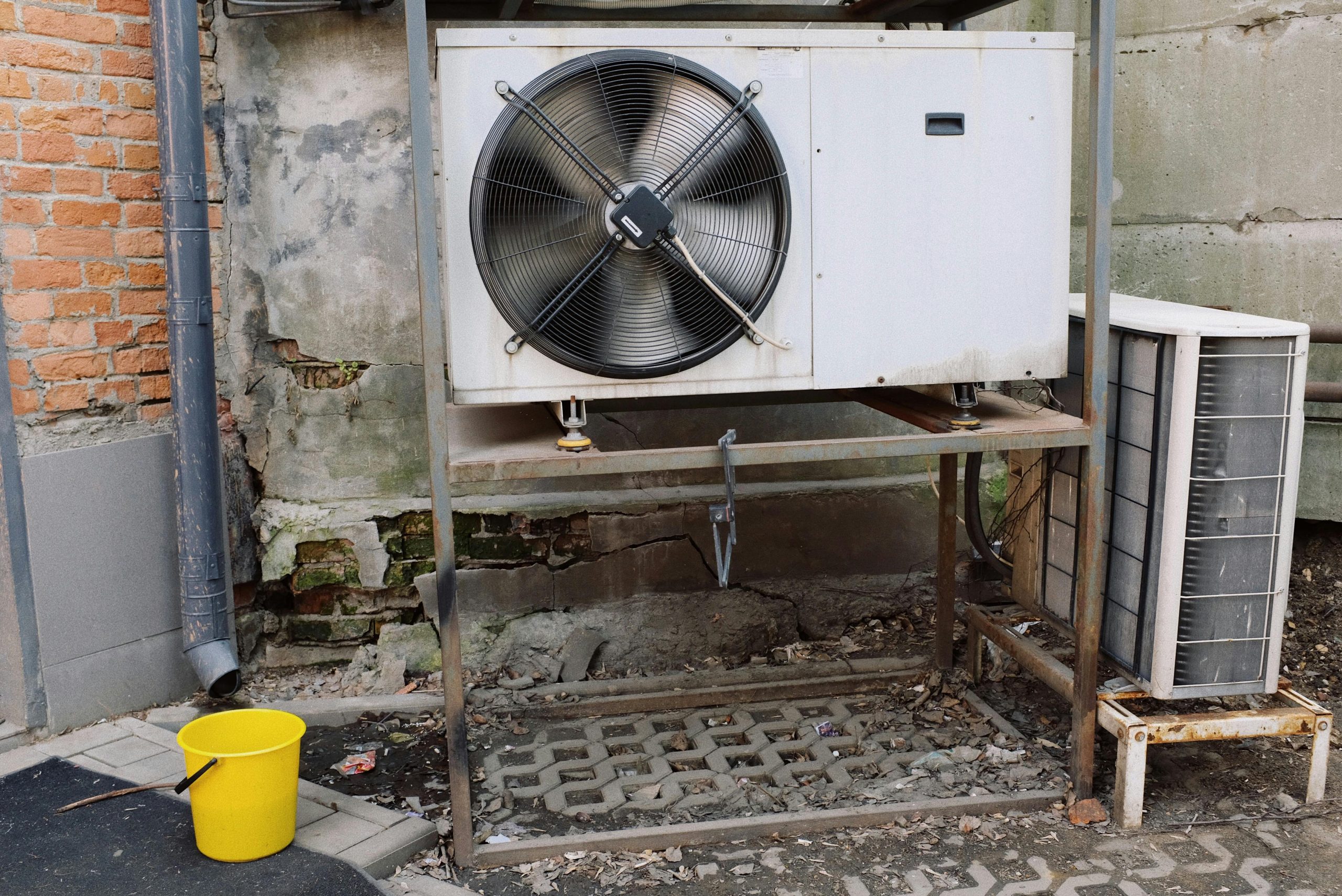
Signs Your HVAC System Is Aging in Dadeville

Your air conditioner didn’t completely quit, but something feels off. The house takes longer to cool, while the unit sounds louder than it used to. The power bill jumps for no good reason. Heat, humidity, and long summers have a way of aging HVAC systems faster than folks expect. We talk to homeowners every week who say the same thing: “It worked fine last year.” That’s usually how it starts.

This guide breaks down the signs your HVAC system is aging in Dadeville, what those signs actually mean, and how to decide whether it’s time to repair, tune up, or move on to a new system without getting ripped off.

Early Warning Signs Most Homeowners Ignore

Knowing the early warning signs saves money and prevents breakdowns at the worst possible time.

1. Your System Is Still Running, but Comfort Is Inconsistent

That’s not just annoying. It often means the system is losing efficiency or airflow due to aging components.

Duct leaks, worn blower motors, or failing sensors can all cause this. The system works harder but delivers less comfort. That’s a classic aging signal.

2. Strange Noises You Never Heard Before

Every system makes noise, but new noises matter. Rattling, buzzing, grinding, or banging are not personality quirks. They usually mean parts are wearing out or loosening.

Older systems lose their tight tolerances. When metal parts wear down, noise follows. Ignoring it almost always leads to bigger repairs later.

3. Repairs Are Becoming Routine

One repair every few years is normal, while two repairs in one season are a warning. When fixes start stacking up, the system is telling you something.

At some point, you’re maintaining an aging machine instead of fixing a problem. That’s when replacement conversations start making financial sense.

Energy Bills Don’t Lie

If your energy usage habits haven’t changed but your bills have, your HVAC system is likely the culprit. Aging systems lose efficiency slowly, so the cost increase feels sneaky.

Older units:

  • Run longer cycles
  • Struggle to reach set temperatures
  • Waste energy through worn parts

Those inefficiencies add up month after month.

Old SEER Ratings Cost You Money

Systems installed 10 to 15 years ago often have SEER ratings well below today’s standards. Newer systems cool better using less power.

In Alabama heat, that efficiency difference hits hard. Over time, an old system can cost more to keep than to replace.

How Long HVAC Systems Typically Last Here

In ideal conditions, HVAC systems last 15 to 20 years. In Central Alabama, it’s often less.

Factors that shorten lifespan include:

  • Heavy seasonal use
  • Missed maintenance
  • Improper installation
  • Poor airflow design

If your system is over 12 years old and showing multiple warning signs, it’s officially in the “watch closely” stage.

Repair or Replace? How Contractors Really Decide

When Repair Still Makes Sense

Repairs are reasonable when:

  • The system is under 10 years old
  • Issues are isolated and inexpensive
  • Efficiency is still solid

A good contractor will never push replacement to sell equipment.

When Replacement Becomes the Smarter Move

Replacement becomes logical when:

  • Repair costs exceed 30 to 40 percent of replacement cost
  • Breakdowns are frequent
  • Comfort complaints are ongoing

A new system gives predictable performance and lower operating costs—that peace of mind matters.

What Working With Chad’s AC Direct Looks Like

Finding a contractor shouldn’t feel like rolling the dice. Chad’s AC Direct focuses on transparency and no-pressure service in Montgomery and surrounding areas, including Dadeville.

Here’s what customers appreciate:

  • Written estimates before work begins
  • Itemized parts and labor
  • No surprise charges
  • Clean work areas when the job is done

When your AC or heat goes down, fast and accurate service makes all the difference. Call 334-264-6464 to set up an appointment and get things handled without the headache.

Practical Steps You Can Take Right Now

Before the next breakdown hits, do this:

  • Check the system’s age
  • Review recent repair history
  • Monitor energy bills
  • Schedule a professional inspection

Catching aging issues early gives you options instead of emergencies.

Call Chad's AC Direct Before It's Too Late!

If you’re noticing the signs your HVAC system is aging in Dadeville, don’t wait until it quits on the hottest day of the year. A simple evaluation can save you money, stress, and sleepless nights. Call Chad's AC Direct today and get honest answers from people who actually care about your comfort.


Frequently Asked Questions 

1. How do I know if my HVAC system is getting old or needs a quick fix?

That depends on patterns, not on a single bad day. If the system consistently struggles, needs repeat repairs, or no longer feels right, age is probably part of the problem. A quick fix solves a specific issue, while aging shows up as multiple small frustrations stacking together. When those frustrations become normal, it’s time to look deeper.

2. Why does my HVAC system still run but not cool or heat as it used to?

That’s a classic aging symptom. Over time, parts wear down and become less efficient, even though the system technically still works. The unit takes longer to reach the desired temperature. That extra effort increases both wear and energy costs.

3. Is it normal for older HVAC systems to make new noises?

Yes, and those noises are rarely good news. As components loosen, motors strain, and metal expands unevenly, sounds start creeping in. What used to be a quiet system becomes noticeable, then annoying. Those noises are often early warnings, not harmless quirks.

4. Why does my energy bill keep climbing even though nothing changed?

When nothing inside the house changes, the system is usually the reason. Aging HVAC units gradually lose efficiency, so the increase feels sneaky. The system has to work harder to do the same job it once handled easily. That extra run time shows up on your bill every month.

5. Does poor airflow mean my HVAC system is wearing out?

It can, especially if filters and vents are already clean. Older blowers lose strength, and internal buildup restricts air movement. That leads to weak airflow and uneven temperatures around the house. Poor airflow is often one of the first comfort issues people notice.

6. Why does my house feel humid even when the AC is running?

Humidity control weakens as systems age. Older units struggle to pull moisture out of the air while cooling. That’s why the house can feel clammy even when the temperature seems fine. In Alabama, that moisture problem becomes noticeable fast.

7. How often is too often for HVAC repairs?

Once repairs begin each season, it’s time to pause and reassess. Occasional fixes are normal, but repeated issues signal deeper wear. At that point, you’re maintaining decline instead of solving problems. That’s when replacement conversations usually make sense.

8. Can an aging HVAC system affect indoor air quality?

Yes, and most homeowners don’t connect the dots. Older systems circulate dust, allergens, and moisture less effectively. Leaky ductwork and worn components worsen the problem. Better airflow and filtration often come with newer equipment.

9. Is it risky to keep running an old HVAC system?

Risk increases with age, especially with electrical and heating components. Most systems don’t fail safely or conveniently. Small issues can turn into sudden breakdowns or safety concerns. Staying ahead of those risks is always the smarter move.

10. When is the best time to check if my HVAC system is aging?

Before it fails is the honest answer. Evaluations during mild weather give you time to think, compare options, and plan. Waiting until extreme heat or cold limits choices and raises stress. A calm decision beats an emergency every time.

Energy Saving Habits for Dadeville Residents

Your HVAC system in Dadeville is working overtime to keep up. The good news is you don’t need to live in the dark or sweat through summer to save money on energy. A few small, intentional changes around your home can lower your utility bills, extend the life of your HVAC system, and make your home more comfortable. And when you want professional help without the runaround, Chad’s AC Direct is here to make HVAC service simple, honest, and stress-free. From tune-ups to full system replacements, we deliver red-carpet service every time.
Let’s get into practical, real-world energy-saving tips that actually work in homes like yours.

Why Energy Efficiency Matters in Dadeville

Living in Central Alabama means heavy AC use in summer and steady heating needs in winter. Your HVAC system is one of the biggest energy consumers in your home, which means it’s also one of the biggest opportunities for savings.

But energy efficiency isn’t just about lowering your bills. It’s also about:

  • Reducing wear and tear on your system
  • Preventing breakdowns during extreme weather
  • Improving indoor air quality
  • Making your home feel more consistently comfortable

When your home runs efficiently, everything works better, and you feel the difference every day.

Get Regular Maintenance

One of the most overlooked energy-saving habits for Dadeville residents is simple: regular HVAC maintenance. A well-maintained system runs more smoothly, uses less energy, and lasts longer.
Dirty coils, clogged filters, and worn parts force your system to work harder than it needs to. That extra strain means higher power bills and a higher chance of breakdowns.

Chad’s AC Direct offers tune-ups that keep your system running efficiently while catching small issues before they turn into expensive repairs.

Change Your Air Filters Consistently

This might sound small, but it makes a big difference. A dirty air filter restricts airflow, making your system work harder and use more energy.

Replace your filter every 1–3 months, depending on pets, allergies, and usage. You’ll notice better airflow, cleaner air, and lower energy consumption almost immediately.

Stop Overcooling or Overheating Your Home

You don’t need your house to feel like a meat locker in summer or a sauna in winter. Setting your thermostat just a few degrees closer to the outdoor temperature can save you significantly over time.

Try this:

  • Summer: Set your thermostat to 78°F when home, higher when away.
  • Winter: Set it to 68°F when home, lower when sleeping or away.

Your comfort won’t suffer, but your energy bill will definitely improve.

Use Programmable or Smart Thermostats

If you’re not already using a programmable or smart thermostat, you’re leaving money on the table. These devices adjust your home’s temperature automatically based on your schedule, so you’re not cooling or heating an empty house.

Smart thermostats also learn your habits and optimize your system’s performance without you having to think about it.

Seal the Leaks You Can’t See

Air leaks around doors, windows, attics, and ductwork allow your conditioned air to escape while letting outdoor air sneak in. That forces your HVAC system to work harder to maintain your desired temperature.

Common leak spots include:

  • Window frames
  • Door thresholds
  • Attic access points
  • Duct connections

Sealing these gaps with weatherstripping or caulk is inexpensive and can dramatically improve your home’s energy efficiency.

Check Your Insulation

Proper insulation keeps your home cooler in summer and warmer in winter. If your attic or walls are under-insulated, your HVAC system has to compensate for that loss.

Upgrading insulation is one of the most effective long-term energy-saving habits for Dadeville residents, especially in older homes.

Use Ceiling Fans the Right Way

Ceiling fans don’t cool the air, but they make you feel cooler by circulating air across your skin. That means you can raise your thermostat setting by a few degrees without sacrificing comfort.

In summer, make sure your fan spins counterclockwise to push air downward. In winter, reverse it to circulate warm air trapped near the ceiling.

Turn Off What You’re Not Using

Lights, electronics, and appliances draw power even when idle. Get in the habit of turning things off when you leave a room, and unplug devices you don’t use often.

Smart power strips can help eliminate “phantom energy” from electronics that stay in standby mode.

Upgrade Appliances When It Makes Sense

When it’s time to replace appliances, look for ENERGY STAR-rated models. These use less electricity and water while performing just as well, if not better, than older units.

Appliances that make the biggest difference include:

  • HVAC systems
  • Water heaters
  • Refrigerators
  • Washing machines

Upgrading these can significantly reduce your household energy consumption over time.

Don’t Ignore Your Water Heater

Your water heater is another major energy user. Lowering the temperature setting to 120°F can save energy while still providing plenty of hot water for daily needs.

If your water heater is over 10 years old, consider replacing it with a more efficient model for better performance and long-term savings.


How Your HVAC Contractor Plays a Role in Energy Savings

Not all HVAC companies operate the same way. Some rush through jobs, offer vague pricing, or push unnecessary replacements. That can cost you more money and lead to inefficient system performance.

Chad’s AC Direct takes a different approach. They:

  • Provide written estimates
  • Offer itemized parts lists
  • Account for all labor upfront
  • Leave no mess behind

That transparency ensures you know exactly what you’re paying for and why, while getting solutions that actually improve your home’s efficiency and comfort.

Small Changes That Add Up Big Over Time

Energy efficiency isn’t about one big upgrade. It’s about stacking small, smart habits that compound over time.

When you:

  • Maintain your HVAC system
  • Adjust your thermostat wisely
  • Seal air leaks
  • Use fans strategically
  • Upgrade when needed

You create a home that’s easier to live in, cheaper to operate, and more comfortable year-round.

And honestly, who doesn’t want that?

Schedule Your HVAC Appointment Today!

If your energy bills are climbing or your home just never feels quite comfortable, it’s time to bring in the pros. Chad’s AC Direct delivers fast, honest, hassle-free HVAC service across  Dadeville.

Call 334-264-6464 today to schedule your appointment and experience red carpet service that puts your comfort first. Your home, your wallet, and your future self will thank you.


Frequently Asked Questions

1. What are the best energy-saving habits for Dadeville residents?

Some of the best energy-saving habits for Dadeville residents include maintaining your HVAC system, sealing air leaks, and using your thermostat more wisely. These simple changes help your home stay comfortable without wasting energy. Over time, they also reduce wear on your system and lower your monthly bills. It’s really about making small adjustments that add up in a big way.

2. How often should HVAC systems be serviced to save energy?

Your HVAC system should be serviced at least once a year to keep it running efficiently. Regular maintenance helps catch small issues early and prevents your system from working harder than it needs to. When everything runs smoothly, your home stays more comfortable and uses less energy. It’s one of the easiest ways to protect your system and your wallet at the same time.

3. Does changing air filters really affect energy use?

Yes, changing your air filters makes a noticeable difference in energy use and comfort. When filters are clogged, airflow is restricted, which forces your system to work harder and use more electricity. Clean filters allow air to move freely, improving efficiency and indoor air quality. This simple habit can lower your energy bills and extend the life of your system.

4. What thermostat settings save the most energy?

Keeping your thermostat around 78 degrees in summer and 68 degrees in winter helps balance comfort and energy savings. Adjusting it a few degrees when you’re sleeping or away can reduce energy use without making your home uncomfortable. A smart thermostat can handle these changes automatically. Over time, this one habit can lead to noticeable savings on your utility bills.

5. How do air leaks affect home energy efficiency?

Air leaks let conditioned air escape while allowing outdoor air to sneak in, making your system work harder than necessary. This not only raises your energy bills but also makes your home feel drafty and unevenly heated. Sealing gaps around doors, windows, and ducts helps your home hold its temperature better. As a result, your HVAC system runs more efficiently and comfortably.

6. Are ceiling fans effective for saving energy?

Ceiling fans don’t cool the air, but they make you feel cooler by improving air circulation. This means you can raise your thermostat a few degrees without feeling uncomfortable. Because fans use much less electricity than air conditioners, they help reduce overall energy use. Using them correctly is an easy way to stay comfortable while saving money.

7. Do energy-efficient appliances really make a difference?

Yes, energy-efficient appliances can significantly reduce your household’s energy use over time. They’re designed to perform well while using less electricity and water than older models. While the upfront cost may be higher, the long-term savings often make it worth it. These upgrades help create a more efficient and affordable home.

8. How can insulation improve energy efficiency?

Good insulation helps keep cool air inside during summer and warm air inside during winter, which reduces the strain on your HVAC system. When your home holds its temperature better, your system doesn’t have to run as often or as long. This leads to lower energy use and more consistent comfort. Improving insulation is one of the most effective ways to boost efficiency in any home.

9. What role does my HVAC contractor play in energy savings?

Your HVAC contractor plays a major role in how efficiently your system operates. Proper installation, maintenance, and repairs ensure your system runs smoothly and uses energy wisely. Poor workmanship can lead to higher energy bills and more frequent breakdowns. Choosing a reliable contractor helps protect your comfort and your long-term savings.

10. How quickly can energy-saving habits lower my utility bills?

Some changes, such as adjusting your thermostat or replacing your air filters, can lower your bills almost immediately. Other improvements, such as insulation upgrades or new equipment, take time but provide lasting savings. The key is consistency and sticking with good habits. Over time, these changes can make a noticeable difference in your monthly expenses.

Ductless Mini Splits: A Good Option for Dadeville Homes?

Many homes in this area were built without modern ductwork or have additions that never quite heat or cool the way they should. As an HVAC contractor, we’ve seen firsthand how traditional systems struggle in these situations, especially during Dadeville's long, humid summers. That’s why ductless mini-splits have become a practical option worth serious consideration. When installed and sized correctly, they offer efficient temperature control, flexibility, and reliable performance tailored to the way Dadeville homes are actually built. At Chad's AC Direct, we spend a lot of time helping homeowners determine whether ductless systems make sense for their space, comfort, and budget. In this blog, let's discuss how ductless mini-splits can be a good option for Dadeville homes.

What Are Ductless Mini Splits?

A ductless mini-split system heats and cools your home without ductwork. You’ve got an outdoor unit paired with one or more indoor air handlers mounted on walls or ceilings. Each indoor unit serves a specific room or zone.

Instead of pushing air through long ducts, the system delivers air right where you want it. That means fewer energy losses and more control over comfort. For many homes, especially older ones, this setup fits better than you might expect.

Why Dadeville Homes Are a Good Match for Ductless Systems

Many homes in Dadeville were built before central HVAC was standard. Some have additions, converted garages, or bonus rooms that never quite feel comfortable. Installing new ductwork in those spaces can be expensive and disruptive.

Ductless mini splits solve that problem by skipping ducts entirely. You can cool or heat the exact areas you use the most without tearing into walls. That’s a big win for homeowners who want comfort without a major remodel.

Less Waste, More Control

One of the biggest selling points of ductless mini splits for Dadeville homes is efficiency. Traditional duct systems can lose significant energy before air ever reaches a room. Ductless systems avoid that loss altogether.

You also get zoned control. Each room can be set to its own temperature, which means you’re not paying to cool empty spaces. Over time, that kind of control adds up to noticeable savings.

No More Hot Spots or Cold Corners

If you’ve ever had one room that feels like a sauna and another that feels like a freezer, you’ll appreciate what ductless systems offer. Each indoor unit works independently, delivering consistent airflow.

That means bedrooms stay comfortable at night and living spaces stay cool during the day. Comfort becomes predictable instead of frustrating.

Minimal Disruption, Faster Results

Installing a ductless mini-split system is usually faster and cleaner than installing or replacing a full ducted system. Most installations only require a small hole for refrigerant lines and wiring.

At Chad’s AC Direct, we walk homeowners through the process step by step. You know what’s being installed, what parts are used, and what the final result will look like before work even begins. No surprises and no mess left behind.

Are Ductless Mini Splits Good for Heating Too?

A lot of people assume ductless systems are just for cooling. In reality, modern mini-splits are heat pumps, meaning they efficiently handle both heating and cooling.

Alabama winters aren’t extreme, but you still want reliable heat. Ductless systems perform well in mild to moderate cold and provide steady, even warmth without drying out the air.

Cost Considerations for Dadeville Homeowners

Ductless systems can have a higher upfront cost per room compared to central systems. However, you’re often saving money by avoiding duct installation or repairs.

When you factor in energy savings, targeted comfort, and lower maintenance needs, many homeowners find that the long-term value outweighs the initial investment. It’s about spending smarter, not just spending less.

Maintenance Is Straightforward

Ductless systems are easier to maintain because there’s no ductwork to clean or repair. Regular filter cleaning and annual professional checkups keep them running efficiently.

At Chad’s AC Direct, we focus on preventative care so small issues don’t turn into big breakdowns. That’s how you avoid surprise repairs in the middle of summer.

When Ductless Mini Splits Might Not Be the Best Fit

Ductless systems aren’t perfect for every situation. Large homes that need whole-house cooling may still benefit from a central HVAC system. Some homeowners also prefer the look of hidden vents.

That’s why a professional evaluation matters. A good contractor helps you decide based on your home, not just the equipment.

What to Expect When You Work With Chad’s AC Direct

We believe HVAC service should be simple and transparent. Every job starts with a clear conversation and a written estimate. You get an itemized list of parts, accounted labor, and no mess left behind.

If you’re in Montgomery, Dadeville, or the surrounding areas, we’re here to make comfort easy. Fast response, accurate service, and red carpet treatment every step of the way.

Energy Bills Too High? Ductless Mini Splits Can Help

If you’re tired of fighting hot rooms, high energy bills, or outdated systems, it might be time to look at ductless mini splits for your Dadeville home. Call Chad’s AC Direct today at 334-264-6464 to schedule an appointment. Let’s talk through your options and find the right solution for your comfort.

Frequently Asked Questions

1. Are ductless mini-splits actually a smart choice for homes in Dadeville?

Yes, for many Dadeville homes, ductless mini splits make a lot of sense. They work especially well in houses without ductwork or in rooms that never cool evenly. Because they deliver air directly into each space, comfort improves quickly. Homeowners also like the added control over energy use.

2. How energy efficient are ductless mini-splits compared to central AC?

Ductless mini-splits are generally more efficient than traditional systems. Since there are no ducts, there is far less energy loss. Each room can be controlled separately, which prevents wasted cooling. Over time, this often leads to lower utility bills.

3. Can ductless mini-splits keep up with Alabama heat?

Yes, ductless systems are designed to handle hot and humid climates. They cool steadily while also pulling moisture out of the air. This helps the home feel more comfortable without overworking the system. Proper sizing makes a big difference in performance.

4. Do ductless mini-splits work for heating, too?

Most ductless mini-splits also provide heating. They use heat pump technology to deliver warm air efficiently. In Alabama’s mild winters, they perform very well. This makes them a year-round comfort solution.

5. How difficult is it to install a ductless mini-split system?

Installation is usually quicker and less disruptive than installing ductwork. Small openings are made to connect the indoor and outdoor units. Most projects are completed quickly. Homeowners are often surprised by how clean the process is.

6. Are ductless mini-splits loud inside the home?

No, ductless systems are known for being very quiet. The indoor units operate at low sound levels. Most of the noise stays outside at the condenser. This makes them great for bedrooms and living areas.

7. How many rooms can one ductless system handle?

One system can support multiple indoor units. Each unit serves a specific room or zone. This allows customized comfort throughout the house. The number of rooms depends on the system design.

8. Do ductless mini-splits need a lot of maintenance?

Maintenance is fairly simple. Filters should be cleaned regularly to maintain strong airflow. A professional checkup once a year helps prevent problems. Overall upkeep is easier than many traditional systems.

9. Are ductless mini splits a good option for older homes?

Yes, they are often ideal for older homes. Many older houses were not built with ductwork in mind. Ductless systems avoid major renovations. This makes them a practical and efficient solution.

10. Are ductless mini splits worth the cost in the long run?

For many homeowners, the answer is yes. Energy savings and improved comfort add up over time. They also offer flexibility that traditional systems cannot. When properly installed, they deliver strong long-term value.

Preventing HVAC Breakdowns in Dadeville

When people search for ways to prevent HVAC breakdowns in Dadeville, they’re usually not just browsing. They’re either worried their system is acting strangely or they’ve already dealt with a breakdown once and don’t want to repeat the experience. As a contractor serving Central Alabama, we can tell you with confidence that most HVAC failures don’t come out of nowhere. They build slowly and quietly, often giving plenty of warning.

At Chad’s AC Direct, we help homeowners stay ahead of heating and cooling problems before they turn into costly emergencies. Whether it’s the peak of summer or a chilly winter night, our goal is simple. We keep your system reliable, efficient, and stress-free.

Why HVAC Breakdowns Hit Dadeville Homes So Hard

Dadeville’s climate pushes HVAC systems to their limits. Long stretches of heat, heavy humidity, and sudden temperature changes all take a toll. Systems that aren’t maintained properly tend to fail at the worst possible time.

Here’s what makes breakdowns more common in this area:

  • Extended cooling seasons
  • High moisture levels
  • Aging HVAC equipment
  • Skipped maintenance
  • Overworked components

The good news? Most of these issues are preventable.

1. Dirty Air Filters Causing System Strain

This is the most common HVAC breakdown cause we see, and it’s also the easiest to fix. A clogged filter restricts airflow, which forces your system to work harder than it should.

Over time, this can lead to:

  • Overheating
  • Frozen coils
  • Motor failure
  • Higher energy bills

What to do:
Change your air filter every one to three months, especially during heavy-use seasons.

2. Lack of Regular HVAC Maintenance

Skipping routine maintenance is like never changing your car's oil. Things may run fine for a while, but eventually something gives.

During professional tune-ups, we:

  • Inspect electrical components
  • Check refrigerant levels
  • Test airflow and performance
  • Tighten loose connections
  • Spot wear before failure happens

Preventive maintenance keeps small issues from turning into big repairs.

3. Electrical Component Wear and Tear

Your HVAC system relies on electrical components such as capacitors, contactors, and wiring. Over time, heat and usage weaken these components.

Signs of electrical trouble include:

  • System won’t turn on
  • Random shutdowns
  • Burning smells
  • Tripped breakers

Catching these issues early helps prevent full system failure.

4. Refrigerant Problems That Reduce Cooling Power

Low or leaking refrigerant doesn’t just affect comfort. It puts serious strain on the compressor, one of the most expensive components in your system.

Common warning signs:

  • Warm air from vents
  • Ice buildup on coils
  • Hissing sounds
  • Longer cooling cycles

Refrigerant issues should always be handled by a licensed professional.

5. Poor Airflow and Blocked Vents

Your HVAC system can’t do its job if air can’t move freely. Blocked vents, dirty ducts, or collapsed ductwork all reduce airflow.

Poor airflow leads to:

  • Uneven temperatures
  • Increased wear on parts
  • Higher utility costs
  • Reduced comfort

Quick check:
Make sure vents are open, clean, and not covered by furniture or rugs.

6. Thermostat Misuse and Inconsistent Settings

Constantly adjusting the thermostat puts unnecessary stress on your system. Big temperature swings force the HVAC unit to cycle more often.

Better habits include:

  • Keeping steady temperature settings
  • Avoiding frequent manual changes
  • Using programmable thermostats wisely

Consistency helps your system last longer and run more efficiently.

7. Ignoring Strange Noises and Smells

HVAC systems don’t usually fail silently. They warn you first. Clicking, grinding, rattling, or musty smells are signals that something isn’t right.

Ignoring those signs can lead to:

  • More damage
  • Higher repair costs
  • Sudden system shutdowns

If it sounds or smells off, it probably is.

8. Aging HVAC Systems Nearing the End of Their Lifespan

Most HVAC systems last 12 to 15 years with proper care. As systems age, parts wear down, and repairs become more frequent.

Signs your system may be aging out:

  • Frequent breakdowns
  • Rising energy bills
  • Inconsistent temperatures
  • Outdated efficiency ratings

Sometimes replacing the system is more cost-effective than repeated repairs.

What Working With Chad’s AC Direct Looks Like

We believe HVAC service should be simple, honest, and hassle-free. When you work with Chad’s AC Direct, you’ll always know what’s happening and why.

Our service includes:

  • Written, upfront estimates
  • Itemized parts lists
  • All labor clearly explained
  • No mess left behind

Simple Ways Homeowners Can Prevent HVAC Breakdowns

You don’t need to be an expert to protect your system. A few smart habits go a long way.

  • Change air filters regularly
  • Schedule professional maintenance twice a year
  • Keep vents clear and clean
  • Pay attention to performance changes
  • Address issues early

These small steps can prevent major headaches.

Prevent HVAC Breakdowns Before They Happen!

If you’re serious about preventing HVAC breakdowns in Dadeville, don’t wait until your system gives out. A quick check today can save you from an emergency tomorrow. Call Chad’s AC Direct at 334-264-6464 to schedule your appointment now. We’ll take care of the hard part so you can stay comfortable year-round.


Frequently Asked Questions

1. How often should HVAC systems be serviced in Dadeville?

Most homes in Dadeville benefit from HVAC service twice a year, once before summer and once before winter. That timing makes sense because those are the seasons when your system works the hardest. Regular checkups help catch small problems early, before they turn into breakdowns. It also gives you peace of mind knowing your system is ready when you need it most.

2. What is the leading cause of HVAC breakdowns?

In my experience, dirty air filters cause more problems than almost anything else. When a filter gets clogged, airflow drops and the system has to work overtime just to keep up. That extra strain slowly wears down important components. Changing filters regularly is one of the easiest ways to avoid unnecessary repairs.

3. Does preventive maintenance really make a difference?

Preventive maintenance makes a bigger difference than most people realize. A quick inspection can uncover worn parts, loose connections, or airflow issues that would otherwise go unnoticed. Fixing those small problems early helps the system run more smoothly and last longer. Over time, that consistency adds up to fewer breakdowns and lower costs.

4. Are HVAC breakdowns more common during summer?

Yes, summer is when HVAC systems tend to fail most often, especially in hot Alabama weather. That’s because air conditioners are running longer and harder every day. Any weak component is more likely to give out under that kind of demand. Getting the system checked before summer starts greatly reduces the risk.

5. What should I do if my system makes unusual noises?

If your HVAC system starts making noises you’ve never heard before, that’s usually a sign that something isn’t right. It could be a loose part, a motor issue, or even an electrical problem. Letting it run without checking it out can make the damage worse. Calling for service early often keeps repairs simple and affordable.

6. Can thermostat settings affect system lifespan?

They absolutely can. Constantly changing the thermostat forces your system to cycle on and off more than necessary. That repeated strain adds wear over time. Maintaining a steady temperature or using a programmable thermostat helps your system operate more efficiently and last longer.

7. How do power surges impact HVAC systems?

Power surges can quietly damage electrical components inside your HVAC system. You might not notice anything right away, but the damage can show up later as sudden failures. Over time, weakened parts are more likely to stop working without warning. Surge protection helps reduce that risk.

8. Is weak airflow a serious concern?

Weak airflow is definitely something you shouldn’t ignore. It often means the system is struggling, whether from a dirty filter, a duct issue, or a failing component. When airflow is restricted, the system works harder to heat or cool your home. That extra stress can lead to breakdowns if left unaddressed.

9. Should older systems be maintained more frequently?

Older HVAC systems usually need a little more attention. As parts age, they’re more likely to wear down or fail unexpectedly. Regular inspections help catch those issues before they cause bigger problems. With proper care, even older systems can stay reliable longer.

10. Can HVAC breakdowns be completely prevented?

No system is completely breakdown-proof, but most failures can be avoided. Regular maintenance, filter changes, and paying attention to warning signs go a long way. Small issues are much easier to fix than major ones. Prevention is really about staying one step ahead.


Choosing the Right HVAC System for a Home in Dadeville

Choosing a new HVAC system isn’t something most homeowners plan to do for fun. It usually starts when the house feels hotter than it should, the system makes a noise you’ve never heard before, or the power bill suddenly looks like a car payment. As an HVAC contractor, we can tell you this decision matters more than most people realize, especially here in Dadeville, where heat, humidity, and long summers put serious demand on your system. The right HVAC system doesn’t just cool your house. It keeps your family comfortable, controls humidity, protects air quality, and saves you money every single month. The wrong system does the opposite, and once it’s installed, you’re stuck with it for years.

Let’s walk through how to choose the right one without overthinking it or getting talked into something you don’t actually need.

Why Dadeville Homes Need the Right HVAC Setup

Summers are long, hot, and humid, while winters are mild but unpredictable. That means your system has to handle moisture as much as it does temperature. Oversized systems cool fast but don’t dehumidify well. Undersized systems run nonstop and still can’t keep up.

Start With Your Home, Not the Equipment

The system has to match the house, not just the square footage written on a spec sheet.

Size Is About More Than Square Footage

Many homeowners assume bigger is better. It’s not. The right system size depends on insulation, ceiling height, window placement, sun exposure, and even how your home was built. A proper load calculation tells the real story.

Older Homes Need Special Attention

Many Dadeville homes weren’t designed with modern HVAC systems in mind. Ductwork, insulation, and airflow often need adjustments. Ignoring those details leads to uneven temperatures and wasted energy.


Understanding Your HVAC System Options

Central Air Systems

Central air is still the most common option and works well for most homes. It’s reliable, familiar, and efficient when sized correctly. Paired with a quality furnace or air handler, it handles Dadeville heat without breaking a sweat.

Heat Pumps

Heat pumps are popular in Alabama for a reason. They cool efficiently in summer and heat in winter without a traditional furnace. For mild winters like ours, they make a lot of sense.

Ductless Mini-Splits

Mini-splits are great for additions, older homes, or rooms that never seem comfortable. They offer zone control and high efficiency. They’re not always the answer for the whole house, but they solve specific problems beautifully.


Efficiency Ratings That Actually Matter

SEER ratings get a lot of attention, but higher isn’t always better if the system isn’t installed properly. A mid-range efficient system installed correctly often outperforms a high-SEER system installed poorly. Balance matters more than bragging rights.

Don’t Ignore Humidity Control

Cooling the air is only half the job in Dadeville. Humidity makes homes feel sticky and uncomfortable even when temperatures are low. The right HVAC system removes moisture steadily instead of blasting cold air in short bursts.

This is where experience matters. A seasoned HVAC contractor knows how to design systems that feel comfortable, not just cold.

Budgeting Without Regret

Upfront Cost vs Long-Term Cost

The cheapest upfront usually costs the most over time. Higher-quality systems last longer, break down less, and cost less to operate. Think of it as buying comfort insurance.

Rebates and Energy Savings

Some systems qualify for energy rebates or utility incentives. A professional contractor helps you understand what applies and what’s just marketing noise.


Installation Matters More Than the Brand

You can buy the best equipment on the market, but if it’s installed incorrectly, it won’t perform. Proper airflow, sealed ducts, correct refrigerant charge, and calibrated controls make all the difference.

This is why homeowners working with Chad’s AC Direct appreciate the process. Every detail is discussed upfront, estimates are written clearly, parts are itemized, and the job is finished without leaving a mess behind.

Maintenance Is Part of the Decision

A system is only as good as the care it receives. Choosing equipment that’s easy to maintain saves headaches later. Regular tune-ups keep efficiency high and catch problems early.

Signs You’re Ready for a New System

  • Your system is over 15 years old
  • Repairs are becoming frequent
  • Energy bills keep climbing
  • Rooms heat and cool unevenly
  • The system struggles on hot days

If this list feels familiar, it’s time to talk options instead of waiting for a breakdown.


Why Homeowners Choose Chad’s AC Direct

Finding a trusted HVAC contractor in Montgomery, AL, shouldn’t feel like a gamble. Chad’s AC Direct focuses on fast, accurate service and honest recommendations. From system selection to installation, everything is explained clearly, so there are no surprises. When comfort matters, experience shows.

Your Partner in Choosing the Perfect HVAC System

Choosing the right HVAC system for your Dadeville home doesn’t have to feel overwhelming. With the right guidance, it becomes a smart investment in comfort, efficiency, and peace of mind. Call Chad’s AC Direct at 334-264-6464 and schedule your appointment today.


Frequently Asked Questions

1. What type of HVAC system works best in Dadeville?

Most homes in Dadeville do best with either a traditional central air system or a heat pump, and the right choice usually depends on how the home is built and how it holds air. Because our winters are fairly mild, heat pumps tend to shine here and can efficiently handle both heating and cooling. That said, some homes are better suited for central air paired with a furnace, especially older layouts. The key is matching the system to the house instead of forcing the house to adapt.

2. How do I know what size HVAC system I need?

This is where many people get misled, because square footage alone doesn’t tell the whole story. Things like insulation quality, ceiling height, window placement, and even how much sun hits the house affect sizing. When a system is too big, it cools quickly but leaves humidity behind, which can feel uncomfortable. A proper load calculation looks at all of that and removes the guesswork.

3. Are heat pumps good for Alabama weather?

Heat pumps are actually a great fit for Alabama because they’re designed to work efficiently in moderate winter temperatures. Instead of generating heat, they move it, which uses less energy overall. In the summer, they cool just as effectively as traditional systems. As long as the system is sized and installed correctly, performance is very reliable.

4. Is a higher SEER rating always better?

A higher SEER rating sounds great on paper, but it doesn’t automatically mean better comfort or savings. If the system isn’t installed correctly, even the highest-rated unit won’t perform the way it should. In many homes, a mid-range efficiency system installed properly will outperform a high-SEER unit installed poorly. Real-world results matter more than marketing numbers.

5. How long does a new HVAC system last?

Most modern HVAC systems last 15 to 20 years, but that depends heavily on how well they’re maintained. Regular tune-ups keep parts clean, airflow balanced, and components from wearing out early. Systems that are ignored tend to fail much sooner. Maintenance really determines whether you get the full lifespan.

6. Should I replace the ductwork with a new system?

Not automatically, but it definitely needs to be looked at before installing new equipment. Old ductwork can leak air, collapse in places, or restrict airflow without you realizing it. Sometimes sealing or repairing sections is enough, and other times replacement makes sense. A good inspection helps you avoid wasting money either way.

7. How important is humidity control in Dadeville?

Humidity control is huge here, and it’s one of the biggest comfort issues homeowners deal with. Even when the temperature feels okay, high humidity makes the house feel sticky and uncomfortable. A properly sized system runs long enough to remove moisture instead of short-cycling. When humidity is under control, the whole house feels better.

8. Can a new HVAC system lower my energy bills?

In most cases, yes, especially if the existing system is older or struggling. New systems are more efficient and don’t have to work as hard to keep up. When the system is sized correctly, it runs more smoothly and uses less energy. Over time, those monthly savings really add up.

9. Is it better to replace my system before it breaks?

Planning a replacement is almost always better than being forced into one. When a system breaks unexpectedly, you’re making decisions under stress and time pressure. Replacing ahead of time gives you options, better pricing, and more control. It also means your comfort isn’t interrupted.

10. How do I choose the right HVAC contractor?

You want someone who takes the time to explain things instead of rushing you. Clear pricing, written estimates, and honest answers matter more than flashy promises. A good contractor listens first, then recommends solutions that actually fit your home. Trust usually shows up in how transparent the process feels.