
Benefits of Sealing Ductwork in Dadeville Houses

If there’s one thing learned after years working as an HVAC contractor in central Alabama, it’s this: ductwork is the quiet troublemaker nobody thinks about. Homeowners in Dadeville often call because the AC runs nonstop, certain rooms never cool down, or power bills feel downright offensive. In many cases, the equipment isn’t the problem at all. The real issue is air leaking out of ductwork before it ever reaches the living space.

Sealing ductwork isn’t like installing a brand-new system, but it might be one of the smartest upgrades a homeowner can make. The benefits of sealing ductwork in Dadeville houses go far beyond comfort. Energy savings, healthier air, longer system life, and fewer breakdowns all come from fixing leaks that often hide in attics and crawl spaces.

Chad’s AC Direct sees this issue daily. Leaky ducts waste money, strain HVAC systems, and make summers feel even worse than they already are. Let’s break down why sealing ductwork matters and why it’s especially important for homes in Dadeville.

What Ductwork Actually Does in a Home

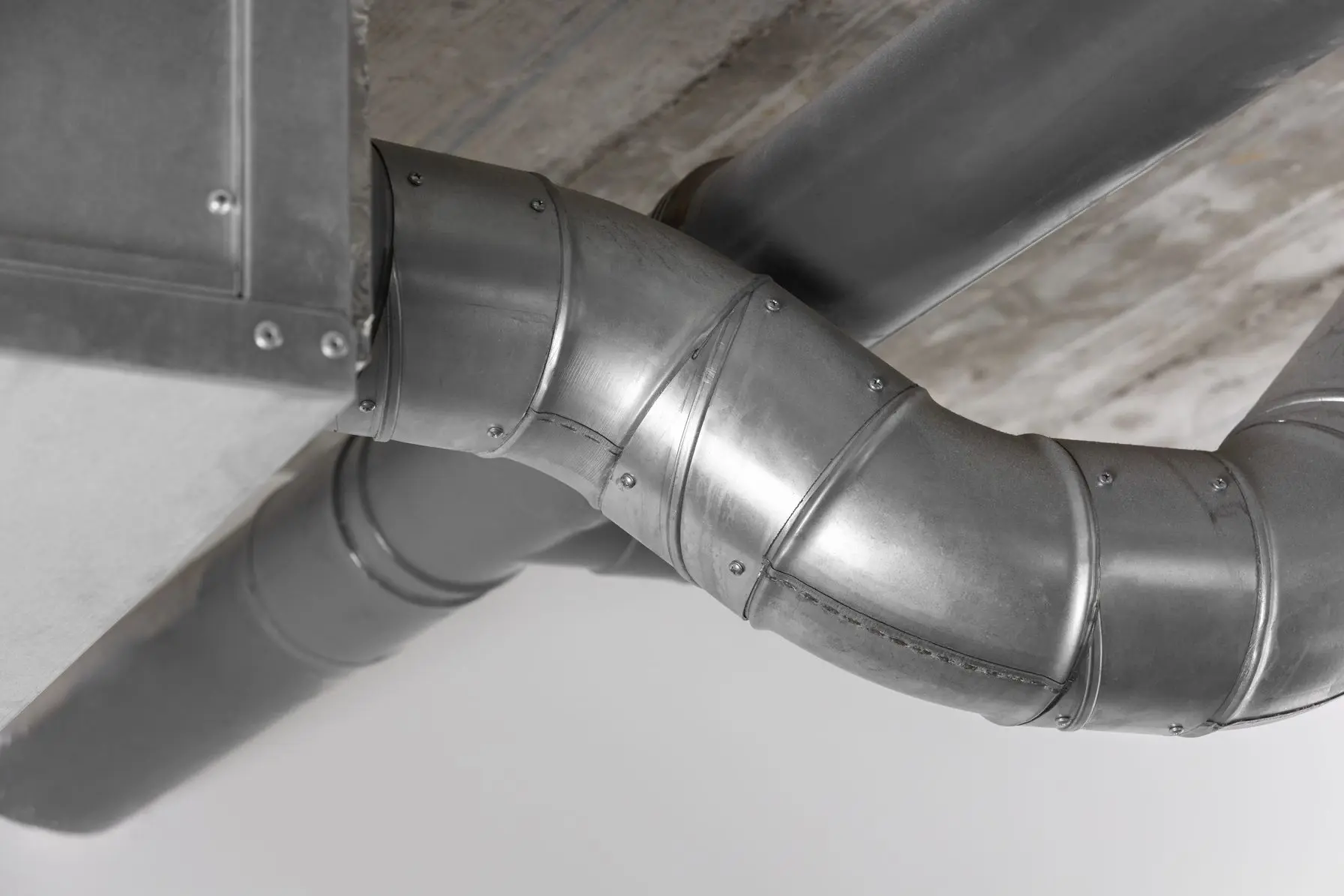
Ductwork acts as the delivery system for heated or cooled air. Once the HVAC unit conditions the air, the ducts are supposed to deliver it directly to each room. When ducts leak, air escapes into attics, wall cavities, or crawlspaces instead of reaching the vents.

Studies from the U.S. The Department of Energy shows that homes can lose 20% to 30% of conditioned air through poorly sealed duct systems. That means a third of the energy paid for never reaches the living space.

Key Benefits of Sealing Ductwork in Dadeville Houses

1. Lower Monthly Energy Bills

This is usually the benefit homeowners notice first. Sealed ducts keep conditioned air where it belongs. Instead of cooling the attic, the system cools the living space more efficiently, reducing run time and energy use.

2. Improved Indoor Comfort

Uneven temperatures are a classic sign of duct leakage. One room is freezing, another is stuffy, and the thermostat never feels right. Sealed ductwork helps deliver consistent airflow to every room.

3. Better Indoor Air Quality

Leaky ducts pull in dust, insulation fibers, mold spores, and humidity from attics or crawlspaces. Sealing prevents those contaminants from entering the air supply, making indoor air cleaner and healthier.

4. Longer HVAC System Lifespan

When air escapes through leaks, HVAC systems compensate by running longer cycles. Over time, that strain wears down components like compressors and blowers. Sealed ducts reduce stress and help systems last longer.

Signs That Ductwork May Need Sealing

Homeowners often live with duct problems for years without realizing it. Some common red flags include:

  • High energy bills with no clear explanation
  • Rooms that never feel comfortable
  • Excess dust buildup inside the home
  • Weak airflow from vents
  • HVAC systems that run constantly

If any of these sound familiar, ductwork should be inspected before replacing expensive equipment.

How Professional Duct Sealing Works

Sealing ductwork properly requires more than store-bought tape. Professional HVAC contractors use specialized sealants, mastic, and sometimes aerosol-based sealing systems. Leaks are identified, sealed, and insulated to prevent future loss.

At Chad’s AC Direct, every duct sealing job includes upfront discussions, written estimates, and itemized materials.

Why DIY Duct Sealing Usually Falls Short

While online videos make duct sealing look easy, most leaks occur in areas homeowners can’t safely access. Store-bought duct tape dries out quickly and often makes the problem worse over time.

Professional sealing focuses on long-term durability, proper airflow balance, and compliance with building standards. That level of detail makes a noticeable difference.

How Duct Sealing Impacts Heating Performance Too

Even in mild Alabama winters, sealed ductwork matters. Heated air escaping into unconditioned spaces leads to cold floors and drafty rooms. Sealed ducts help furnaces and heat pumps deliver steady warmth without overworking.

What to Expect When Working With Chad’s AC Direct

HVAC work shouldn’t feel stressful or confusing. The process stays simple:

  • Clear explanation of the problem
  • Written estimates before work begins
  • Itemized parts and labor
  • Clean work areas after completion

Red carpet service isn’t a slogan. It’s how HVAC work should be done.

Seal the Leaks, Save the Cash!

If high energy bills or uncomfortable rooms are wearing thin, duct sealing may be the missing piece. Chad’s AC Direct makes the process simple, honest, and hassle-free for homeowners throughout the Dadeville area. Call 334-264-6464 today to schedule an appointment and start getting more comfort from the system already in place.


Frequently Asked Questions

1. What does duct sealing actually fix in a home?

Duct sealing fixes the hidden air leaks most homeowners never see but definitely feel. When air slips out into the attic or crawlspace, the system has to work harder just to keep up. By closing those gaps, the air finally reaches the rooms it’s meant to cool or heat. That’s when comfort starts to feel consistent again.

2. How much energy can sealed ducts really save?

In many homes, more air is lost than people realize. Once the leaks are sealed, the system doesn’t have to run as long to hit the set temperature. That shows up as lower power bills without changing how the thermostat is used. Over time, those savings really add up.

3. Does duct sealing help with humidity issues?

Yes, and that surprises many homeowners. Leaky ducts can pull damp air from the attic or crawlspace into the system. That extra moisture makes the house feel sticky even when the AC is running. Sealing the ducts helps keep humidity levels where they should be.

4. Can duct leaks affect indoor air quality?

They sure can, and it’s not always obvious at first. When ducts leak, they can pull in dust, insulation, and other particles from places that were never meant to supply air. That stuff ends up circulating through the house. Once the ducts are sealed, the air tends to feel cleaner and fresher.

5. How long does professional duct sealing take?

Most of the time, it’s quicker than people expect. For an average home, duct sealing can usually be handled in one visit. The exact time depends on how easy it is to access the ductwork. Either way, it’s not a drawn-out project.

6. Is duct sealing worth it for older homes?

Older homes are often the best candidates for duct sealing. Over the years, materials dry out, shift, or come loose. That creates more leaks than homeowners realize. Sealing things up brings those systems closer to modern efficiency standards.

7. Will duct sealing make rooms more comfortable?

Yes, and that’s one of the biggest differences people notice. Rooms that used to feel warmer or colder than the rest of the house start to balance out. Airflow becomes more even from room to room. Comfort stops being a guessing game.

8. Can sealed ducts help HVAC systems last longer?

When ducts leak, HVAC systems run longer and harder than they should. That extra strain wears out important components. Sealing the ducts reduces that workload. In the long run, that can help the system last longer and break down less often.

9. How can homeowners tell if ductwork is leaking?

High energy bills usually raise the first red flag. Uneven temperatures and weak airflow are also common signs. Some homeowners notice extra dust around vents. A professional inspection is the best way to know for sure.
10. Should duct sealing be done before replacing an HVAC system?

In most cases, yes, and here’s why. New equipment won’t perform well if the ductwork is still leaking. Sealing first ensures the new system works as designed. It’s a smarter use of money in the long run.

How to Reduce Allergy & Dust Issues with HVAC in Montgomery

If allergies or dust are taking over your home in Montgomery, your HVAC system can either be the problem or the solution. The good news is that with the right setup, maintenance, and habits, your heating and cooling system can actively improve your indoor air instead of making you sneeze.

Montgomery pollen is no joke. Add humidity, dust, pet dander, and that mystery buildup on your ceiling fan, and suddenly your house doesn’t feel like a safe haven anymore. The goal here is simple: help you breathe easier, sleep better, and stop fighting your own air.

Why HVAC Systems Play a Huge Role in Allergies

Your HVAC system moves more air through your home than anything else. Every time it kicks on, it circulates whatever is floating around inside your walls.

That means:

  • Clean systems = cleaner air
  • Dirty systems = recycled allergens

When neglected, HVAC units can spread dust, mold spores, pollen, and even bacteria. When properly maintained, they filter and control the air so your home actually feels fresh.

This is where working with a trusted HVAC contractor in Montgomery really matters. Chad's AC Direct focuses on red carpet service because details make the difference, especially when health is involved.


Start with Better Air Filters, Not Just Any Filter

Upgrading your air filter is the fastest way to reduce airborne irritants. Not all filters are created equal, and grabbing the cheapest one at the store usually backfires.

What actually works:

  • MERV 8–11 filters for most homes with allergies
  • High-efficiency pleated filters instead of flat fiberglass
  • Consistent replacement every 1–3 months

A clogged or low-quality filter can restrict airflow and allow allergens to bypass filtration entirely. Chad's AC Direct helps homeowners choose filters that balance air quality with system performance so your unit doesn’t struggle.


Schedule Regular HVAC Maintenance Before Allergy Season Hits

If your system hasn’t been serviced in a while, it’s likely holding onto dust inside the blower, coils, and drain pan. That buildup doesn’t stay put.

Routine maintenance helps by:

  • Removing internal dust and debris
  • Preventing mold growth from moisture
  • Improving airflow and filtration efficiency

In Montgomery’s humid climate, skipping maintenance is like inviting allergens to settle in. Chad's AC Direct offers tune-ups where everything is explained upfront, so there are no surprises and no lingering dust storms afterward.


Control Humidity to Stop Mold Before It Starts

Humidity is allergy fuel. When moisture levels climb above 50 percent, mold and dust mites thrive.

HVAC-based humidity control includes:

  • Proper system sizing
  • Clean condensate drain lines
  • Optional whole-home dehumidifiers

A system that’s too large will cool too fast and leave moisture behind. A properly designed system removes humidity while cooling. This is something Chad's AC Direct evaluates carefully during installations and upgrades.


Seal Ductwork to Keep Dust Out for Good

Leaky ducts pull air from attics, crawl spaces, and wall cavities. That air is loaded with dust, insulation fibers, and allergens.

Duct sealing helps:

  • Reduce dust buildup on furniture
  • Improve indoor air quality
  • Increase system efficiency

If you constantly dust and it never seems to help, duct leakage may be the hidden culprit. Professional inspection can reveal issues you’d never see on your own.


Clean Air Registers and Vents the Right Way

Wiping vent covers helps, but it doesn’t solve everything. Dust inside the duct boot can still circulate.

Do this instead:

  • Remove and wash vent covers
  • Vacuum inside the vent opening
  • Avoid blocking vents with furniture

If vents show visible mold or excessive buildup, professional duct cleaning may be recommended. Chad's AC Direct will always be honest about whether it’s necessary or not.


Upgrade to a Zoned or Smart Thermostat System

Temperature inconsistencies can stir up dust and reduce comfort. Smart thermostats and zoning help regulate airflow more evenly.

Benefits include:

  • Fewer hot and cold spots
  • Reduced system cycling
  • Better humidity control

When airflow is balanced, allergens are less likely to accumulate in specific rooms. Plus, you get better comfort with lower energy bills.


Keep Your Home HVAC Friendly

Your habits matter more than you think. Even the best HVAC system can’t overcome certain household issues.

Allergy-friendly habits:

  • Vacuum with HEPA filters
  • Wash bedding weekly in hot water
  • Keep doors and windows closed during high pollen days

When your home and HVAC system work together, the results are noticeable fast.


Why Montgomery Homeowners Trust Chad's AC Direct

Finding a trusted HVAC contractor in Montgomery shouldn’t feel like rolling the dice. At Chad's AC Direct, we make it easy, transparent, and stress-free for you.

Here’s what we offer more:

  • Written estimates before work begins
  • Itemized parts lists
  • All labor is accounted for
  • No mess left behind

Whether it’s a repair, tune-up, or full installation, our comfort specialists explain every option so you feel confident instead of pressured.

Tired of Sneezing in Your Home? Chad's AC Direct is Here to Help! 

If allergies and dust are making your home uncomfortable, it’s time to fix the root of the problem. Call Chad's AC Direct at 334-264-6464 today to schedule an immediate appointment and start breathing easier in your very own home.


Frequently Asked Questions 

1. How does an HVAC system affect allergies in Montgomery homes?

HVAC systems circulate air throughout the home, which can either trap or spread allergens. When filters and components are dirty, allergens recirculate continuously. Proper maintenance and filtration significantly reduce airborne irritants.

2. What HVAC filter is best for allergies?

High-quality pleated filters with a MERV rating between 8 and 11 work well for most homes. They trap pollen, dust, and pet dander without restricting airflow. Filters should be changed regularly for best results.

3. How often should HVAC maintenance be done for allergy control?

Maintenance should be performed at least twice a year. Regular service removes dust buildup and prevents mold growth. It also ensures proper airflow and humidity control.

4. Can HVAC systems help reduce dust buildup?

Yes, when ducts are sealed, and filters are effective. Leaky ductwork pulls dust from unconditioned spaces. A well-maintained system dramatically reduces dust circulation.

5. Does humidity affect allergies indoors?

High humidity encourages mold and dust mites. HVAC systems that manage moisture help keep allergens under control. Maintaining humidity between 30 and 50 percent is ideal.

6. Is duct cleaning necessary for allergy relief?

Duct cleaning may help if there is visible mold or heavy dust buildup. It is not always required for every home. A professional inspection can determine if it’s beneficial.

7. Can smart thermostats improve air quality?

Smart thermostats help regulate airflow and reduce uneven temperatures. This consistency improves filtration effectiveness. They also support better humidity control.

8. Why does my home get dusty so quickly?

Dust can enter through leaky ducts, poor filtration, or open doors and windows. HVAC systems play a major role in how dust moves. Addressing airflow issues often solves the problem.

9. Do HVAC upgrades help with seasonal allergies?

Yes, newer systems provide better filtration and humidity control. Proper sizing and airflow design reduce allergen circulation. Upgrades can make a noticeable difference during pollen season.

10. When should I call an HVAC professional for allergy issues?

If allergies persist despite cleaning and filter changes, it’s time to call a professional. HVAC issues are often hidden inside the system. Early evaluation prevents bigger problems later.

When Is It Time to Replace Ductwork in Auburn Homes?

If your Auburn home never feels quite comfortable, even with the HVAC running full blast, your ductwork might be the hidden culprit. Many homeowners focus on their furnace or air conditioner when performance drops. They forget that air ducts quietly carry the entire system’s workload.

At Chad’s AC Direct, we’ve seen countless Auburn homes where aging or damaged ductwork wastes energy and reduces comfort. Let’s explore the telltale signs that it’s time to replace your ductwork, jand why acting sooner can save you money and stress.

The Role of Ductwork in Your Home Comfort

Your ductwork is the unseen network that delivers heated or cooled air throughout your home. When it’s in good condition, your system runs smoothly and efficiently. But when leaks, blockages, or corrosion take hold, your comfort and energy bills both suffer.

Over time, Auburn’s humid climate can take a toll on duct materials. Moisture, dust, and temperature swings gradually weaken seals and joints. That’s when the trouble begins.

1. Your Energy Bills Keep Rising

Notice your energy bills are climbing even though your usage habits haven’t changed? That’s one of the most common red flags. Leaky or damaged ducts force your HVAC system to work harder to reach set temperatures. Replacing aging ductwork restores efficiency, helping Auburn homeowners reduce monthly utility costs.

2. Inconsistent Temperatures Throughout the House

If one room feels like an oven while another feels like a freezer, you’re likely dealing with uneven airflow. Cracked or poorly connected ducts allow air to escape before reaching certain areas. New ductwork ensures balanced airflow, so every corner of your home stays comfortable year-round.

3. Poor Air Quality or Dust Buildup

Do you find yourself dusting more often than usual? Faulty ducts might be pulling in dust, dirt, and insulation particles. As leaks develop, contaminants from crawl spaces or attics get sucked into your air supply. Replacing the ductwork seals out pollutants and keeps Auburn homes fresher and healthier.

4. Unusual Noises Coming from the Ducts

Your ducts shouldn’t pop, bang, or rattle every time your system turns on. Those noises usually mean parts of the ductwork are loose or collapsing. Replacement eliminates those irritating sounds and prevents air from escaping through damaged joints. Silence can be golden—especially when it means better airflow and fewer repairs.

5. Ductwork Age Exceeds 15–20 Years

Most duct systems last around 15 to 20 years, depending on maintenance and material quality. Beyond that, wear and tear become unavoidable. Older metal ducts can corrode, while flexible ducts may crack or sag. If your home’s system has passed this age range, a full replacement is the smart move.

6. Visible Damage or Mold Growth

Take a quick peek at exposed duct sections in your attic or basement. Do you see rust, holes, or mold spots? Moisture from Auburn’s humid weather often causes mold to grow inside neglected ducts. Replacement not only solves the issue but also protects your family’s health from airborne mold spores.

7. Weak Airflow from Vents

If your vents barely push out air, it’s time to investigate. Collapsed or disconnected ducts restrict airflow and strain your HVAC system. Replacing damaged sections or upgrading the full duct system restores powerful, even air circulation. You’ll feel the difference immediately, literally.

8. Frequent HVAC Repairs

When your HVAC system keeps breaking down, the ducts might be the hidden cause. Leaks and inefficiencies make equipment work harder, shortening its lifespan. Replacing faulty ductwork reduces wear and helps your unit perform at peak efficiency again. It’s an investment that pays off through fewer repairs and lower stress.

9. Musty or Unpleasant Odors

That strange smell when your system kicks on isn’t your imagination. Leaky ducts can draw in odors from attics, basements, or crawl spaces. Replacing old ductwork removes trapped debris and ensures your home smells clean and fresh once again.

10. You’re Upgrading or Renovating Your HVAC System

If you’re installing a new furnace or AC unit, it’s the perfect time to check your ducts. A modern system paired with outdated ductwork won’t perform efficiently. Upgrading both ensures proper sizing, airflow balance, and long-term comfort for your Auburn property.

The Benefits of Replacing Ductwork

  • Improved Efficiency: No more wasted air or energy leaks.
  • Better Indoor Air Quality: Sealed ducts prevent dust and allergens from entering your home.
  • Balanced Comfort: Consistent airflow in every room, every season.
  • Lower Utility Bills: Efficient airflow equals energy savings month after month.
  • System Longevity: Reduced strain means your HVAC lasts longer.

Replacing ductwork is an investment in your home’s comfort and health.

Homeowner Experiences

“Finally, My Home Feels Evenly Comfortable!”

“We couldn’t figure out why our upstairs was always warmer. After replacing the old ductwork, everything feels balanced again. Our energy bill even dropped noticeably the next month!”
Sarah M., Auburn, AL

“Cleaner Air and No More Strange Smells!”

“Our vents used to blow dusty air with a musty odor. Since replacing the ducts, the difference is night and day. The air feels fresher, and my allergies have improved.”
Jake L., Auburn, AL

Stories like these remind us how much proper ductwork affects comfort, health, and peace of mind.

Why Auburn Homes Need Regular Duct Inspections

Auburn’s humid climate and seasonal temperature shifts make duct inspection essential. Moisture, dust, and minor leaks can escalate into major efficiency losses over time. Having professionals inspect your ducts every few years ensures early detection of issues before they become costly. Well-maintained ductwork keeps your HVAC running quietly, cleanly, and reliably.

Your ductwork might be out of sight, but it shouldn’t be out of mind. Replacing worn-out ducts restores efficiency, comfort, and air quality in your Auburn home. Don’t wait until a minor issue turns into a system-wide headache.

Upgrade Your Ductwork. Upgrade Your Comfort!

Stop wasting energy and start breathing cleaner air today. Call Chad’s AC Direct to schedule your ductwork inspection or replacement service. Experience red-carpet HVAC care designed for Auburn homeowners who value comfort, honesty, and great results.


Frequently Asked Questions

1. When is it time to replace ductwork in Auburn homes?

Homeowners should consider replacing ductwork when air quality decreases, airflow weakens, or energy bills rise unexpectedly. Auburn’s humid climate accelerates duct deterioration. Regular inspections help identify issues early and prevent wasted energy.

2. How long does ductwork last in Auburn homes?

Most duct systems last between 15 and 20 years with proper maintenance. Beyond that, leaks and inefficiency become common. Replacing older ductwork restores performance and indoor comfort.

3. What are the signs of bad ductwork in Auburn houses?

Uneven temperatures, dusty air, and whistling noises often indicate duct problems. Visible damage or mold growth are also warning signs. Replacing or sealing ducts resolves these comfort and safety issues.

4. Can damaged ductwork increase energy bills in Auburn homes?

Yes, air leaks cause HVAC systems to run longer, raising energy costs. Auburn’s hot summers make this especially costly. Replacing worn ducts helps homeowners save significantly on utilities.

5. How does Auburn’s humidity affect ductwork lifespan?

High humidity leads to rust, condensation, and mold growth in ducts. Over time, this weakens materials and seals. Proper insulation and timely replacement protect against moisture-related damage.

6. Is ductwork replacement worth it for older Auburn homes?

Absolutely. Older homes often have outdated or leaky duct systems that waste air. Replacing them improves energy efficiency, comfort, and indoor air quality.

7. Can poor ductwork cause HVAC system problems?

Yes, inefficient ducts strain your HVAC unit, causing it to work harder. This leads to more frequent repairs and shorter equipment life. Replacing ducts restores balance and reduces wear.

8. What happens if ductwork isn’t replaced when needed?

Neglecting bad ductwork leads to air leaks, mold growth, and uneven heating or cooling. Over time, these issues raise energy costs. Early replacement prevents damage and discomfort.

9. How can Auburn homeowners tell if ducts are leaking?

Common signs include weak airflow, dust buildup, and higher-than-usual bills. A professional inspection can confirm leaks using pressure tests. Replacing damaged sections restores efficiency.

10. Does new ductwork improve indoor air quality in Auburn homes?

Yes, clean and sealed ductwork prevents dust, pollen, and mold from entering your air supply. Auburn’s humid conditions make this especially important. Upgraded ducts create fresher, healthier indoor air.

Benefits of Spray Foam Duct Sealing in Auburn Homes

Homeowners deserve reliable professionals who deliver quality service and real results. Chad’s AC Direct provides Auburn residents with precise, efficient, and affordable HVAC solutions.

If you’ve noticed uneven temperatures, rising energy bills, or poor air quality, your ductwork may be the problem. Over time, leaks and gaps in your air ducts can waste energy and strain your heating and cooling systems. Spray foam duct sealing is a proven solution that can transform the way your HVAC system performs.

What Is Spray Foam Duct Sealing?

Spray foam duct sealing involves applying a specialized foam material to seal leaks and gaps in air ducts. This process ensures air travels efficiently from your HVAC unit to every room in your home.

Unlike traditional duct tape or mastic, spray foam creates an airtight seal that lasts for years. It’s designed to handle temperature changes and prevent air loss more effectively than older sealing methods.

Why It Works So Well

The foam expands to fill even the smallest cracks and seams, locking in conditioned air. As a result, your system doesn’t have to work as hard to maintain your desired temperature. This process improves both energy efficiency and indoor comfort almost immediately.

The Real Benefits of Spray Foam Duct Sealing in Auburn Homes

1. Improved Energy Efficiency

When ducts leak, your HVAC system must push harder to keep your home comfortable. This wastes energy and money every month. By sealing your ducts with spray foam, you can reduce energy waste and lower your utility bills significantly.

Homeowners often see noticeable savings within their first billing cycle. Less air loss means your system runs more efficiently, reducing wear and extending its lifespan.

2. Consistent Indoor Comfort

Few things are more frustrating than hot and cold spots throughout your home. Spray foam duct sealing eliminates these uneven temperature zones by ensuring balanced airflow.

Every room receives the right amount of conditioned air, creating consistent comfort year-round. Whether it’s a humid summer or a chilly winter evening, you’ll enjoy steady temperatures across your home.

3. Better Indoor Air Quality

Leaky ducts can pull dust, allergens, and contaminants from attics or crawl spaces into your living areas. This not only affects comfort but also impacts health.

Sealing ducts with spray foam prevents outside air from entering your system. Cleaner airflow means fewer allergens circulating indoors, helping families with asthma or allergies breathe easier.

4. Quieter Operation

Many are surprised to discover that sealed ducts reduce HVAC noise. When ducts are properly sealed, air moves smoothly without rattling or whistling sounds.

The foam absorbs vibration and stabilizes your duct system. That means you can relax in a quieter home without background noise from your vents.

5. Extended HVAC System Lifespan

Overworking your HVAC system leads to premature wear and costly repairs. Spray foam duct sealing eases that strain by allowing your system to run at optimal efficiency.

With less stress on motors and components, your equipment lasts longer and performs better. Preventing unnecessary breakdowns also helps you save on long-term maintenance costs.


Satisfied Auburn Customers

“I Could Feel the Difference Instantly!”

“After Chad’s team sealed our ducts, the house felt completely different. Every room finally stayed the same temperature. I wish we’d done it years ago!”
Caroline M., Auburn, AL

“Worth Every Penny”

“Our energy bills dropped noticeably after spray foam sealing. The technicians were on time, professional, and explained everything clearly. Highly recommend their services!”
Marcus L., Opelika, AL

“Clean, Fast, and Professional”

“The team showed great attention to detail. They finished the work quickly and left the place spotless. The improvement in airflow is amazing.”
Tina H., Auburn, AL

These testimonials highlight what Auburn homeowners already know, professional duct sealing delivers real comfort and efficiency.

Conclusion

Energy efficiency isn’t just about saving money. It’s about sustainability and comfort. Spray foam duct sealing supports both goals. By preventing energy waste, homeowners can enjoy a smaller carbon footprint while reducing monthly expenses.

This one-time investment pays for itself through lower bills, longer HVAC life, and a healthier home environment. It’s a practical, forward-thinking choice for Auburn families.

Spray foam duct sealing is one of the most effective ways to improve comfort, air quality, and energy efficiency in Auburn homes. With a properly sealed duct system, your HVAC unit will perform better, last longer, and cost less to operate.

Experience Auburn’s Most Reliable HVAC Service Today!

Don’t let leaky ducts waste your energy and comfort. Call Chad’s AC Direct today to schedule your spray foam duct sealing service in Auburn, AL.

Experience the difference that expert craftsmanship and local care can make. Your home deserves the best!


Frequently Asked Questions

1. What are the main benefits of spray foam duct sealing in Auburn homes?

Spray foam duct sealing improves energy efficiency, indoor comfort, and air quality in Auburn homes. It prevents air leaks that waste conditioned air and raise energy bills. Homeowners enjoy consistent temperatures, cleaner air, and lower long-term HVAC costs.

2. How does spray foam duct sealing work in Auburn homes?

The process uses expanding foam to fill gaps, cracks, and leaks in the ductwork. Once applied, the foam creates a tight, durable seal that stops air from escaping. This helps HVAC systems distribute air more evenly throughout the home.

3. Why is spray foam duct sealing more effective than traditional duct tape?

Unlike duct tape or mastic, spray foam forms a permanent, airtight seal that doesn’t peel or weaken over time. It expands to cover hard-to-reach areas, ensuring full coverage. The result is a stronger, longer-lasting seal that improves HVAC performance.

4. Can spray foam duct sealing lower energy bills in Auburn homes?

Yes, sealing air ducts with spray foam reduces energy waste and lowers monthly utility costs. Less conditioned air escapes through leaks, meaning the HVAC system runs more efficiently. Auburn homeowners often see noticeable savings within their first energy bill cycle.

5. Does spray foam duct sealing improve indoor air quality?

Sealing duct leaks prevents dust, allergens, and contaminants from entering the air circulation system. This reduces airborne irritants and creates a cleaner, healthier indoor environment. Homeowners with allergies or respiratory concerns often notice immediate relief.

6. How long does spray foam duct sealing last?

Spray foam duct sealing provides long-term protection that can last for many years. The foam is resistant to temperature changes, humidity, and air pressure fluctuations. Once applied, it maintains its seal without frequent reapplications or maintenance.

7. Is spray foam duct sealing safe for Auburn homes?

Yes, the materials used in spray foam duct sealing are safe and approved for residential use. Once cured, the foam is non-toxic and odor-free. Professional application ensures safe installation with no damage to your HVAC system or indoor air.

8. When should homeowners in Auburn consider spray foam duct sealing?

Homeowners should consider spray foam duct sealing when noticing uneven room temperatures, high energy bills, or poor airflow. It’s also beneficial for older homes with aging duct systems. Early sealing helps prevent costly repairs and improves overall HVAC performance.

9. Does spray foam duct sealing help reduce HVAC noise?

Yes, sealing ducts with spray foam can make your HVAC system quieter. The foam absorbs vibrations and stops air leaks that cause whistling or rattling noises. Auburn homeowners appreciate the added comfort of a peaceful indoor environment.

10. How does spray foam duct sealing support energy efficiency in Auburn homes?

By sealing leaks, spray foam keeps conditioned air inside the duct system, maximizing HVAC efficiency. Less energy is wasted, so systems don’t work as hard to heat or cool the home. This process supports both lower utility costs and environmental sustainability.


Expert Hacks for Maintaining Your Air Ducts & Lowering Your Energy Bill

Cut Costs

Fortunately for the residents of Alabama, the weather we have to worry about the most in these parts is heat. We don’t usually get buried in snow the way some people in the northern or central states do, but even a hot summer can bring its own problems.

Electronics are delicate, and you if you rely on computers to do your work, a hot, humid summer can endanger your hardware. Thankfully, we have air conditioning to take care of that, but it also means paying an energy bill every month to keep things cool. If you’d like to reduce how much you pay, we have some easy hacks to implement, and all you have to do is answer these three questions.

Do You Have Leaky Ducts?

Duct SystemA common HVAC configuration is the use of air ducts built to carry cold—or warm!—air throughout the home to be pumped out into vents in all rooms.

However, air ducts are simply pipes, and, like any pipe, it’s possible for structural defects to occur.

This means leaks can be interfering with the efficiency of your air delivery, and that costs you to pay more on your bills than you need to.

Have an HVAC professional inspect the condition of your ducts, and, if leaks are found, quickly seal them to restore your efficiency.

Do You Have Drapes Or Curtains?

Curtains & DrapesWindows don’t just admit light; they admit heat as well. So when the brightest part of the day arrives, depending on the placement and direction of your home and windows, sunlight flooding certain rooms can raise the temperature significantly.

This results in your AC having to work even harder not just against the already warm summer air, but the effects of sunlight heating the room up as well.

If you have curtains, drapes, or even blinds and put them into use for those rooms that get the full brunt of sunlight, you can keep your AC from working harder than it needs to during the day. If you’re not at home during the day, keep these window dressings drawn for an even cooler indoor environment.

How Old Is Your Thermostat?

Home ThermostatIf your thermostat doesn’t even have a digital interface, it’s time to upgrade. Older thermostats are simple but inefficient. They only allow you to set a temperature, and then they can be switched on or off, and that’s all there is to it.

Newer thermostats give you many more options. Inexpensive new thermostats still come with programmable features that let you set the temperature for different parts of the day.

So if no one is home during the day, you can keep the AC minimal, but power it up 20 minutes before people come home. High end new thermostats are “smart,” monitoring home activity, learning habitation patterns, and even providing consumption data so you can see how your energy is being used. You can even operate your thermostat from your phone for the ultimate convenience with some of these latest models.

While we enjoy warmer, milder weather here in Montgomery, AL, that doesn’t mean our energy bills are much cheaper. Wasteful practices at home can drive your cooling bills up by making your AC work more than it needs to. With smart usage, and following our suggested hacks, you can keep those bills under control.