
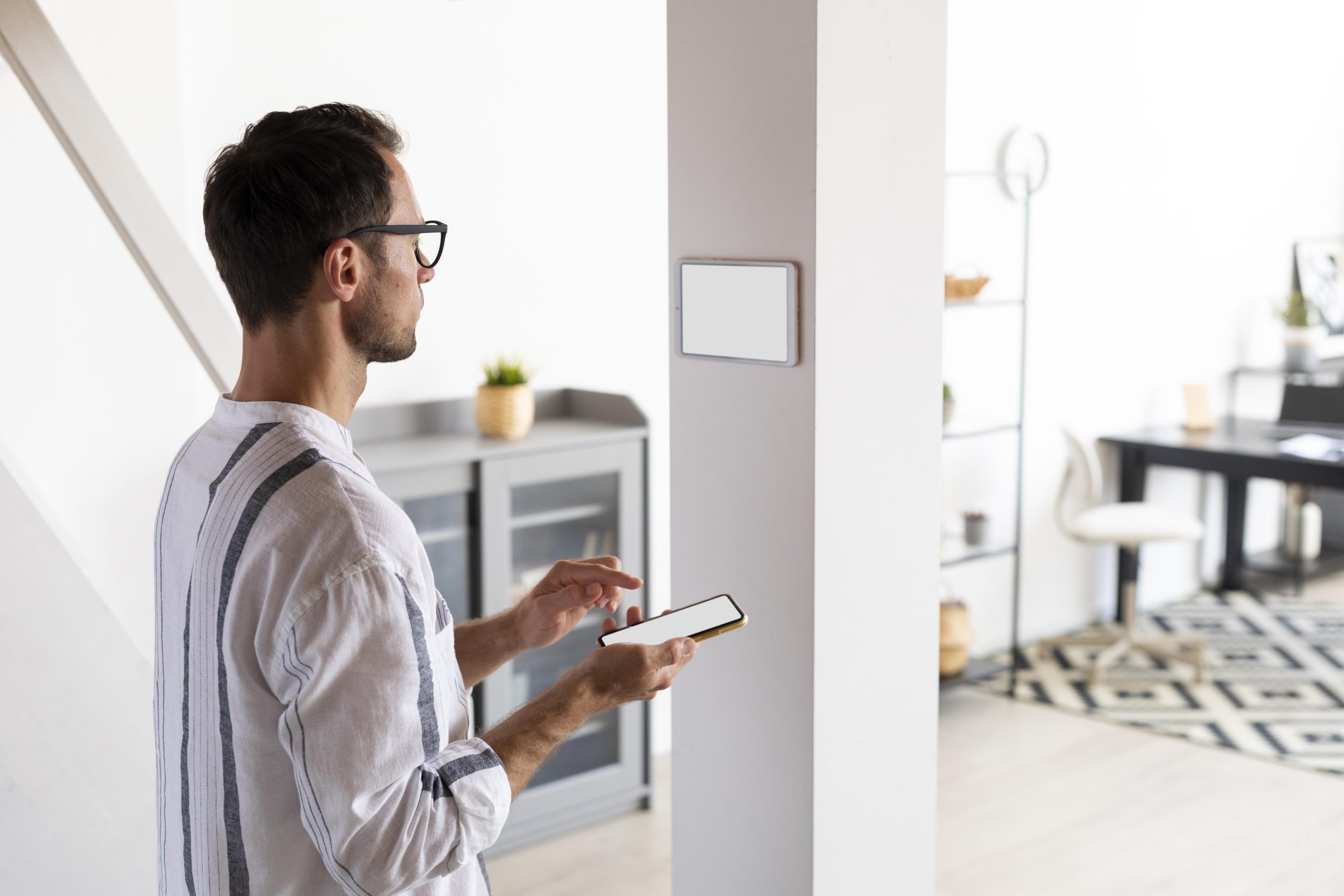
Living in Montgomery means one room in your house can feel like a sauna while another feels like a meat locker. You bump the thermostat down, someone else bumps it back up, and suddenly the AC is working overtime while nobody is really comfortable. That exact frustration is why homeowners keep asking about zone control systems in Montgomery, AL, and whether they actually solve the problem or just sound good on paper.
We’re going to break this down in a way that actually makes sense, no HVAC dictionary required.
What Is a Zone Control System Anyway?
A zone control system lets you divide your home into separate temperature zones. Each zone is controlled independently using dampers in your ductwork and multiple thermostats. Instead of cooling or heating the entire house the same way, your system responds to how each area is actually used.
Think of it like lighting in your house. You don’t turn on every light when you walk into one room, right? Zoning applies that same logic to heating and cooling, which is why it’s gaining traction with homeowners around Montgomery.
Why Zone Control Systems Matter in Montgomery, AL
Our Climate Doesn’t Play Nice
Montgomery weather keeps HVAC systems on their toes. Summers are long, humid, and unforgiving. Mild winters still bring cold snaps that demand reliable heating. That constant swing means your system is rarely getting a break.
Zone control systems in Montgomery, AL, shine because they reduce unnecessary strain. Cooling unused rooms less often helps your system breathe and keeps energy use under control.
Older Homes, Unique Layouts
Montgomery has no shortage of charming older homes with uneven insulation, add-ons, and quirky layouts. These houses often heat and cool unevenly, no matter how powerful the unit is. Zoning helps balance that out without requiring a full system overhaul.
How Zone Control Systems Actually Work
Zone control systems rely on three main components:
- Motorized dampers inside the ductwork
- Multiple thermostats are placed in different zones
- A central control panel that tells the system where to send air
When one zone needs cooling, and another doesn’t, the dampers adjust automatically. The system delivers air only where it’s needed, when it’s needed.
It’s Smarter Than It Sounds
Modern zoning systems communicate continuously with your HVAC unit. That means fewer temperature swings, better humidity control, and a more consistent indoor feel. It’s not flashy tech, but it’s incredibly practical.
Are Zone Control Systems Worth the Cost?
Upfront Cost vs Long-Term Value
Let’s not dodge the big question. Zone control systems cost more upfront than a standard setup. However, many Montgomery homeowners see noticeable savings on monthly energy bills, especially during peak summer months.
Over time, those savings help offset the initial investment. Add in improved comfort and reduced system wear, and the value becomes easier to justify.
Reduced Wear on Your HVAC System
When your system isn’t constantly pushing air into unused spaces, it runs more efficiently. That can extend equipment lifespan and reduce repair frequency. Less stress equals fewer emergency calls during heat waves.
Who Benefits Most From Zone Control Systems?
Larger Homes and Multi-Story Houses
If you’ve got multiple floors, you’ve probably noticed heat rises and cool air sinks. Zoning addresses that imbalance by letting each level regulate itself. No more freezing downstairs while upstairs feels stuffy.
Families With Different Comfort Preferences
One person’s “perfect temperature” is another person’s nightmare. Zoning helps keep peace in the household by giving everyone more control over their space.
Common Myths About Zone Control Systems
“They’re Too Complicated”
Most homeowners never touch the system once it’s set up. Thermostats work just like standard ones, and adjustments are simple. The complexity stays behind the scenes where it belongs.
“They Don’t Work With Existing Systems”
Many modern HVAC systems can be retrofitted for zoning. While not every home qualifies, you don’t always need a brand-new unit to make it happen.
Installation Matters More Than You Think
Zone control systems only work well when they’re designed correctly. That includes proper damper placement, correct zone sizing, and smart thermostat locations. Poor design can cancel out the benefits.
That’s where working with a trusted local contractor like Chad’s AC Direct makes all the difference. Our comfort specialists take time to evaluate your home and explain everything upfront, so there are no surprises.
What the Process Looks Like
Homeowners working with Chad’s AC Direct can expect:
- Written estimates before work begins
- Itemized parts lists for transparency
- All labor is clearly explained
- No mess left behind
It’s red carpet service without the red tape.
Energy Efficiency and Utility Savings
Zone control systems in Montgomery, AL, often lead to noticeable efficiency gains. By avoiding over-conditioning unused areas, your system runs fewer cycles. That means lower utility bills and a smaller environmental footprint.
Utility companies and energy experts consistently point to zoning as a practical efficiency upgrade, especially in warm, humid climates like ours.
Is Zoning Right for Your Home?
The short answer is it depends. Home size, duct layout, insulation, and lifestyle all play a role. A professional evaluation is the best way to know for sure.
If you’re tired of fighting your thermostat and want comfort that actually makes sense, zoning is absolutely worth exploring.
Ready to Take Control of Your Comfort?
If uneven temperatures are driving you crazy, it might be time to look into zone control systems in Montgomery AL. Chad’s AC Direct makes the process easy, transparent, and stress-free from the first call to final walkthrough. Call 334-264-6464 today to schedule your appointment and start enjoying comfort that finally listens to you.
Frequently Asked Questions
1. What is a zone control system?
First, a zone control system divides your home into separate temperature areas. Each zone has its own thermostat for independent control. This allows better comfort and efficiency. As a result, the system only conditions spaces that need it.
2. Do zone control systems save energy?
Yes, they often reduce energy use by limiting unnecessary heating or cooling. Instead of conditioning the entire home, air is directed where it’s needed. Over time, this leads to lower utility bills. Therefore, zoning supports long-term efficiency.
3. Are zone control systems good for Montgomery’s climate?
Montgomery’s hot, humid summers make zoning especially useful. It helps manage temperature differences throughout the day. Additionally, it reduces strain during peak cooling months. Consequently, comfort stays consistent even in extreme heat.
4. Can zoning work with an existing HVAC system?
In many cases, yes, zoning can be added to an existing system. However, duct design and system capacity must be evaluated. Some homes may need modifications. Therefore, a professional assessment is important.
5. How many zones can a home have?
Most homes have two to four zones, depending on size and layout. Larger homes may support additional zones. Each zone requires its own thermostat. As a result, customization options are flexible.
6. Do zone control systems require more maintenance?
Not significantly compared to standard systems. Regular HVAC maintenance still applies. Dampers and controls are designed to be durable. Therefore, upkeep remains manageable.
7. Will zoning increase indoor comfort?
Yes, zoning improves comfort by reducing hot and cold spots. Each area responds to its own needs. This creates a more balanced indoor environment. Consequently, temperature disputes become less common.
8. Are zone control systems noisy?
Modern zoning systems operate quietly. Dampers adjust smoothly within the ductwork. Most homeowners never notice them working. Thus, noise is rarely an issue.
9. How long does installation take?
Installation time varies depending on home size and complexity. Many projects are completed within a few days. Planning and design are key steps. Therefore, timelines are usually predictable.
10. Is zoning worth it for smaller homes?
Smaller homes can still benefit, especially if rooms are used differently. Zoning adds targeted comfort even in compact spaces. However, the cost-benefit should be evaluated. As a result, professional guidance helps determine suitability.