
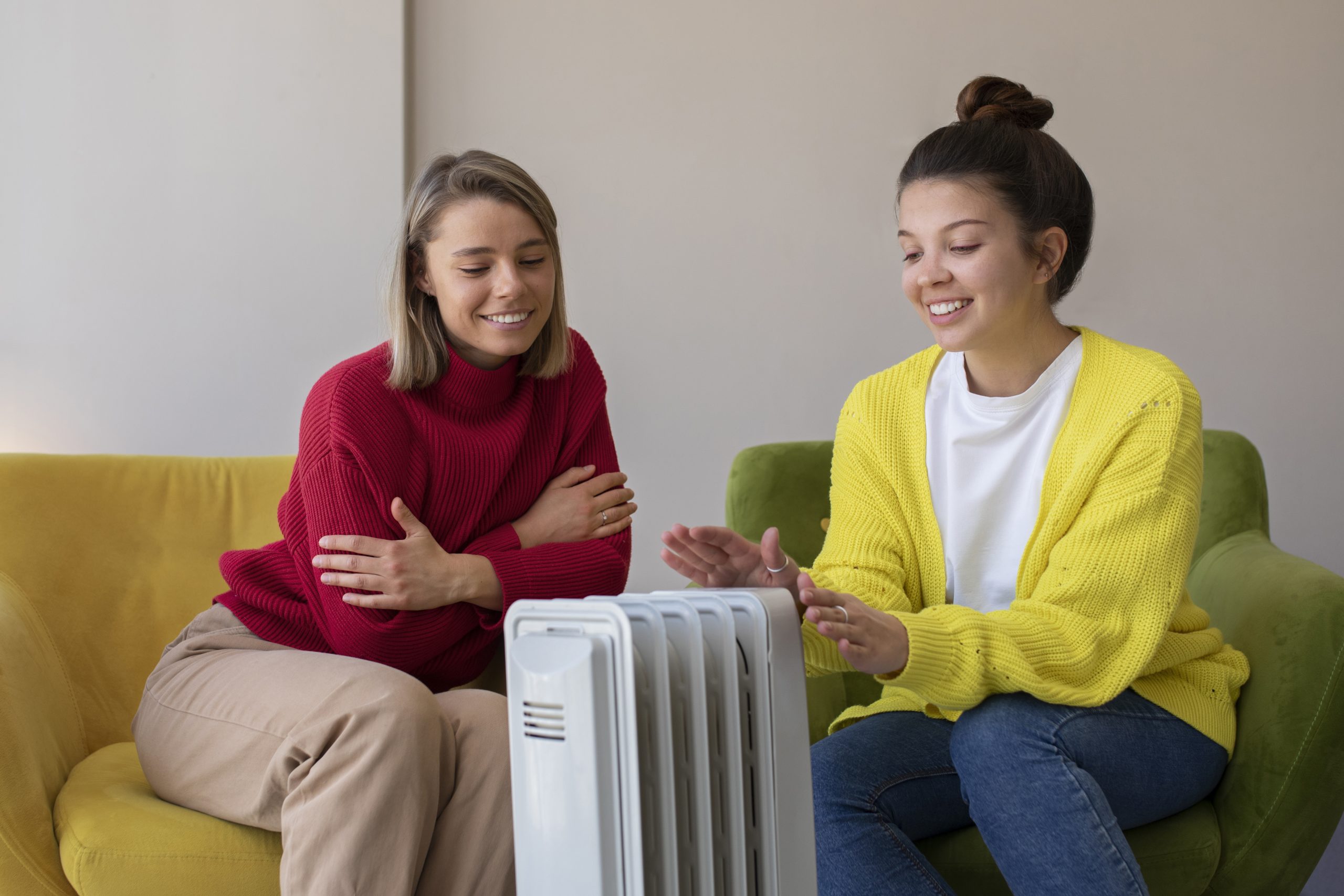
Managing comfort inside your Auburn home should never feel stressful. But when temperatures swing from heavy summer heat to chilly winter nights, it can feel overwhelming fast! That is exactly why we are here. We want to help you understand how seasonal energy use patterns affect your daily comfort, and your monthly bills.
You deserve an HVAC partner who treats your home with respect. Our goal is simple. We want to help you understand how Auburn’s seasonal climate affects your energy habits, and how you can stay in control. Once you learn these patterns, your home instantly becomes easier to manage.
How Auburn Weather Shapes Your Energy Patterns
Summer arrives quickly and brings high temperatures with high humidity. Winter comes with cool, sometimes surprising cold spells. Your home reacts to every one of these changes. And your energy use shifts right along with it.
During summer, your AC becomes your lifeline. It works hard just to keep your space comfortable. But in winter, your heating system takes over, pushing warmth through every room. Each season asks different things from your home, and each season pulls different amounts of energy.
Why Auburn Summers Increase Your Energy Use
If your comfort system fights against clogged filters or blocked vents, the strain increases even more. Airflow becomes restricted and your system needs more energy to cool your home. You might feel tempted to drop your thermostat much lower. But doing that makes your AC cycle constantly, and raises your energy bill quickly.
Even small changes help during the summer. A clean filter improves airflow. A few temperature adjustments reduce strain. When your AC can breathe properly, everything becomes easier for you and your home.
What Winter Brings to Auburn Homes
Winter in Auburn might be mild compared to northern states, but it still brings challenges. Colder nights push your heating system to work longer. Drafts around windows and doors allow precious warmth to escape. That forces your heater to run repeatedly to replace lost heat.
You may notice your bills rise during December or January. This is normal for many homes. Heating requires more energy, and less sunlight enters your home. Every bit of cold air that slips inside increases your energy use!
Why Maintenance Matters in Every Season?
Your HVAC system works hard all year long. It deserves proper care, just like your car or your own body. Regular maintenance helps keep everything running smoothly, no matter the season.
Dust gets cleared out. Airflow improves. Small issues get discovered before they become stressful emergencies. And your home stays more comfortable with less strain.
Most homeowners benefit from two seasonal checkups each year. One in spring and one in fall. These checkups prepare your system for heavy seasonal demands. When your system is clean and ready, it uses less energy. And that creates noticeable savings for your household.
Smarter Thermostat Choices for Auburn Weather
Your thermostat plays a huge role in your seasonal energy patterns. If you use it wisely, it becomes a powerful tool for comfort and savings. Smart thermostats learn your routines automatically. They gently adjust your home’s temperature based on your schedule.
When you leave for work, the system slows down. When you return, comfort returns with you. These small changes help reduce waste throughout the year.
Easy Habits That Improve Seasonal Energy Use
Small daily habits create big long-term benefits. And you do not need expensive upgrades to start seeing improvements. Close blinds during summer afternoons to block heat. Seal cold drafts during winter evenings to hold warmth. Clean your filters regularly.
Move furniture away from vents. These simple habits support your comfort system every day. You deserve a home that feels balanced and efficient. When your daily habits align with seasonal patterns, energy use becomes predictable and manageable.
Ready to Love Your Home Again? Let's Talk
Your home deserves comfort without stress. Your wallet deserves relief from unpredictable bills. And your heart deserves peace knowing everything is running the way it should. Call Chad's AC DIrect to schedule your visit!
If you want a home that feels steady through every Auburn season, reach out today. Let us help you understand your system, reduce your energy use, and protect the comfort you care about.
Frequently Asked Questions
1. What are seasonal energy use patterns in Auburn homes?
Seasonal energy use patterns show how the Auburn weather affects energy needs. Homes use more power during extreme temperatures. Heating and cooling cycles increase based on the season. These shifts influence your overall energy costs.
2. Why does summer increase energy use in Auburn homes?
Summer brings high temperatures and heavy humidity. Air conditioners work longer to maintain comfort. This increases daily energy consumption. Homes naturally experience higher summer bills.
3. How does winter affect Auburn's home energy patterns?
Winter temperatures cause more heating cycles. Homes often lose heat through leaks and drafts. Heating systems work harder to maintain warmth. This raises winter energy usage.
4. What causes sudden energy spikes during seasonal changes?
Extreme weather conditions increase system strain. Poor insulation increases temperature loss. Outdated equipment uses more energy. These factors create noticeable spikes.
5. How can Auburn homeowners manage seasonal energy increases?
Better insulation reduces heat loss. Smart thermostats optimize system use. Regular system care prevents energy waste. Small adjustments create big improvements.
6. Why does humidity impact Auburn homes so heavily?
Humidity forces cooling systems to work harder. Moist air slows efficient temperature control. This increases system run times. Higher humidity leads to higher bills.
7. How do smart thermostats help with seasonal patterns?
Smart thermostats adjust settings automatically. They help limit unnecessary energy use. Usage reports highlight problem areas. These features improve efficiency.
8. Why is seasonal maintenance important?
Seasonal maintenance prevents breakdowns. Clean systems run more efficiently. Tune-ups prepare equipment for heavy use. This helps reduce energy waste.
9. How can homeowners better understand their energy habits?
Usage monitoring reveals seasonal patterns. Monthly comparisons show shifts clearly. Awareness helps guide better decisions. Tracking tools support homeowners easily.
10. Do seasonal shifts affect long-term system performance?
Seasonal stress increases equipment wear. Frequent cycling shortens system lifespan. Lack of maintenance worsens damage. Long-term performance depends on consistent care.