
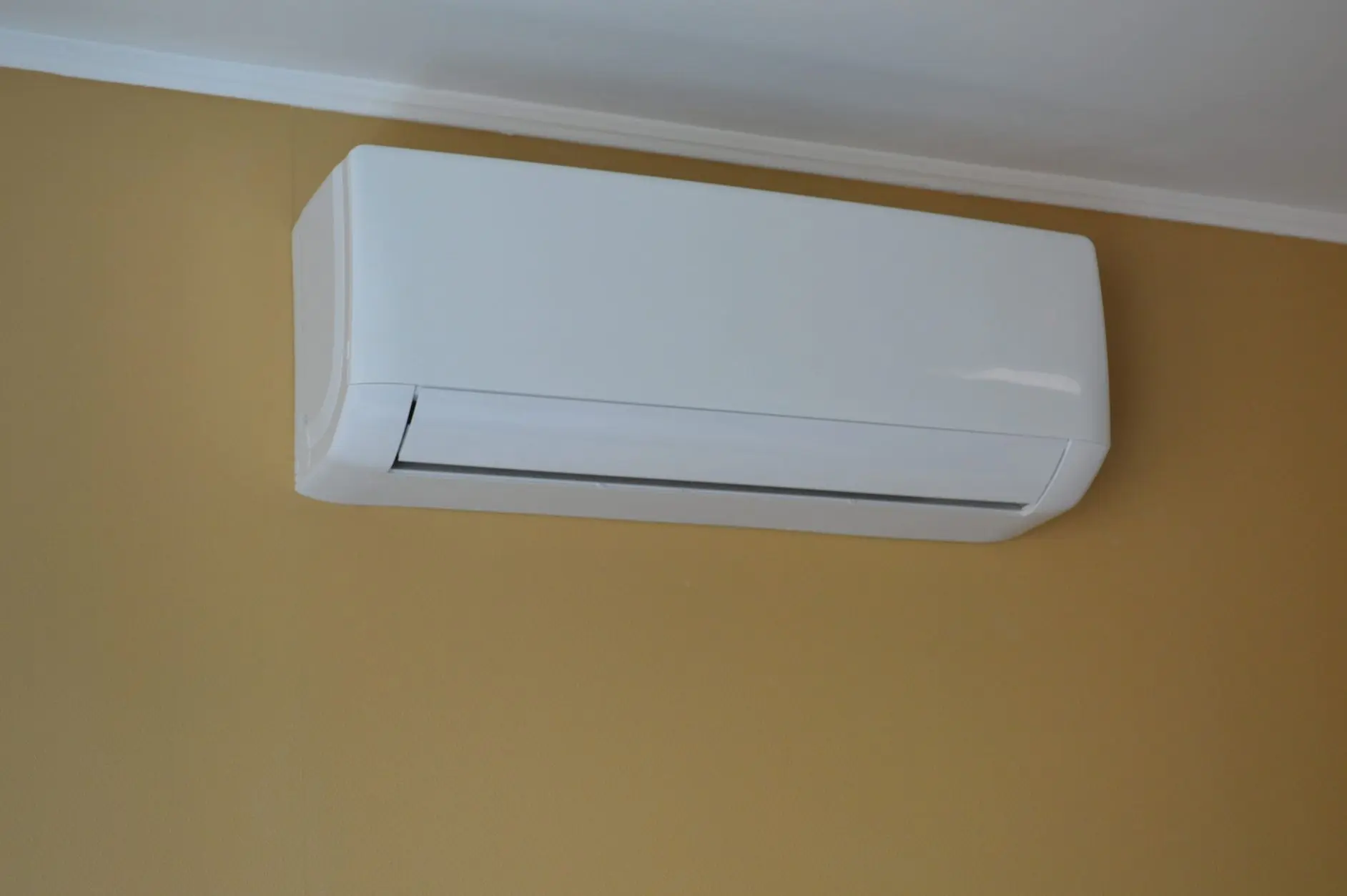
Few things ruin your day faster than turning on your AC and getting hit with a smell that makes you question every decision you’ve made in life. And if you live in Auburn, AL, where summer heat doesn’t play around, your air conditioner isn’t just a luxury. It’s a sanity-saver.
The good news? You’re not stuck dealing with weird odors alone. At Chad’s AC Direct, we make getting help fast, simple, and stress-free. Whether your AC smells like dirty socks, burnt wires, or something you can’t even describe without face-cringing, we’re here to get your comfort back on track.
Now let’s break down what those strange AC smells actually mean—and what you can do about them before they get worse.
Common AC Smells and What They Mean
Musty or Moldy Smell
This one is the classic “dirty sock syndrome.” It happens when moisture builds up on your evaporator coils, creating a breeding ground for mold and mildew. Pine trees and humidity in Auburn don’t help either.
If your AC smells musty, don’t ignore it. Mold can spread through your ductwork quickly.
Burning or Electrical Smell
This smell is never good news. Burning odors in AC units usually come from overheating components, frayed wiring, or a failing motor. Turn the system off immediately until a technician can diagnose it.
Rotten or Dead Animal Smell
Yes, it’s exactly what it sounds like. Small critters sometimes crawl into ductwork or AC cabinets and—well—don’t make it out. When your air blows across them, the smell spreads through the entire house.
Chemical or Sweet Smell
If your AC smells like chemicals, acetone, or something sweet, it could be a refrigerant leak. Refrigerant leaks reduce cooling power and can be dangerous if inhaled. This is an immediate “call a professional” situation.
Sewer or Sulfur Smell
This one is rare but alarming. It usually means a sewage line issue near your HVAC system or a backup in the drain line. The odor can get sucked into your AC and distributed through your home.
How to Handle AC Smells or Odors in Auburn Before They Get Worse
Here’s what you can do right now, before calling in the experts.
1. Change Your Air Filter
Old, clogged filters trap moisture and dust, making odors stronger. A dirty filter also forces your system to work harder, increasing energy bills. If it’s been more than 60 days since you changed it, start here.
2. Check for Visible Mold
Look around vents, registers, and the indoor AC unit. If you see dark spots or fuzzy growth, mold is likely the culprit. Do not clean mold in ducts yourself, it needs a professional solution.
3. Inspect for Standing Water
Condensation lines can clog and cause water to pool around the system. Standing water is the perfect environment for bacteria and mold. Clearing the line can make a huge difference in eliminating odor.
4. Look for Electrical Issues
If you smell burning, stop using the AC. Electrical components can spark, overheat, or fail completely. Until a pro checks it out, leave the system off for safety.
5. Listen for Unusual Sounds
Sounds often go hand-in-hand with smells. Buzzing, grinding, or squealing noises usually mean a component is failing, which can produce odors as parts overheat.
6. Schedule a Professional Cleaning
Dirt, dust, and debris on coils and inside the air handler are common sources of AC odor. A full system cleaning eliminates buildup, boosts efficiency, and extends the life of your unit.
This is where Chad’s AC Direct shines—fast, thorough service that gets your home smelling fresh again.
How Chad’s AC Direct Handles AC Odors Like Pros
When you call us to deal with an AC odor issue, here’s how we tackle it step-by-step:
• Full system inspection to identify the true cause
• Coil and drain line cleaning to eliminate bacteria and mold
• Wiring and motor checks for overheating problems
• Ductwork evaluation to detect trapped odors or dead animals
• Airflow testing to ensure your system is running efficiently
• Honest recommendations—no upsells, no nonsense
We don’t guess. We diagnose. And we fix it right the first time.
Why Acting Quickly Matters
AC odors aren’t just annoying, they can be dangerous if left untreated. Mold exposure can trigger allergies or respiratory issues. Electrical smells could be warning signs of fire hazards. Refrigerant leaks can worsen and reduce your system’s performance.
The sooner you handle the problem, the safer and more comfortable your home will be.
Fresh Air Starts Here!
If your AC is producing a smell you wouldn’t wish on your worst enemy, it’s time to bring in the experts. Chad’s AC Direct delivers fast, accurate, and affordable HVAC service throughout Auburn, AL.
From system cleaning to odor removal to full AC repairs, we’re the team you can trust to get your air smelling fresh and your home feeling comfortable again.
Call 334-264-6464 now to schedule your appointment.
Frequently Asked Questions
1. What causes my AC to smell musty?
A musty smell usually comes from moisture buildup on the evaporator coil or inside the ductwork. Mold and mildew thrive in damp areas, especially during humid Alabama summers. Cleaning the coil and drain line typically fixes the issue.
2. Why does my AC smell like something is burning?
A burning odor often indicates overheating components or electrical issues. It could be a failing motor, worn wiring, or a damaged capacitor. Turn off the system immediately until a professional can inspect it.
3. What does a chemical smell from my AC mean?
Chemical or sweet odors can indicate a refrigerant leak. Refrigerant problems reduce cooling performance and may pose health risks. A licensed HVAC technician should inspect and repair the leak as soon as possible.
4. Why does my AC smell like rotten eggs?
A sulfur or rotten-egg odor may come from a sewage issue near your HVAC system. The smell can be pulled into your AC and distributed through your home. Check your plumbing and AC drain system to locate the source.
5. Can a clogged air filter cause AC odors?
Yes, a dirty filter can trap moisture, dust, and bacteria. This buildup can create unpleasant smells when air passes through. Replacing the filter regularly helps prevent odor issues.
6. Why does my AC smell like a dead animal?
Small animals can get stuck in ductwork or the AC cabinet. When this happens, the odor spreads through your home when the system runs. A technician can locate and remove the source safely.
7. Should I run my AC if it smells odd?
It depends on the smell. Burning or chemical odors require the system to be turned off immediately. Musty smells are less urgent but should still be addressed quickly.
8. What can I do to prevent AC odors?
Regular maintenance is the best prevention. Changing filters, cleaning drain lines, and scheduling annual tune-ups keep your system fresh and efficient. Small problems get caught early before they turn into bigger issues.
9. Are AC odors harmful to my health?
Some odors can be harmful, especially those caused by mold or chemical leaks. Breathing contaminated air can irritate your lungs or worsen allergies. Prompt inspection helps keep your home safe.
10. When should I call an HVAC professional for AC smells?
Call a professional if the odor is persistent, severe, or accompanied by strange sounds or reduced cooling. Electrical, chemical, or dead-animal smells should always be checked right away. Early intervention prevents system damage.