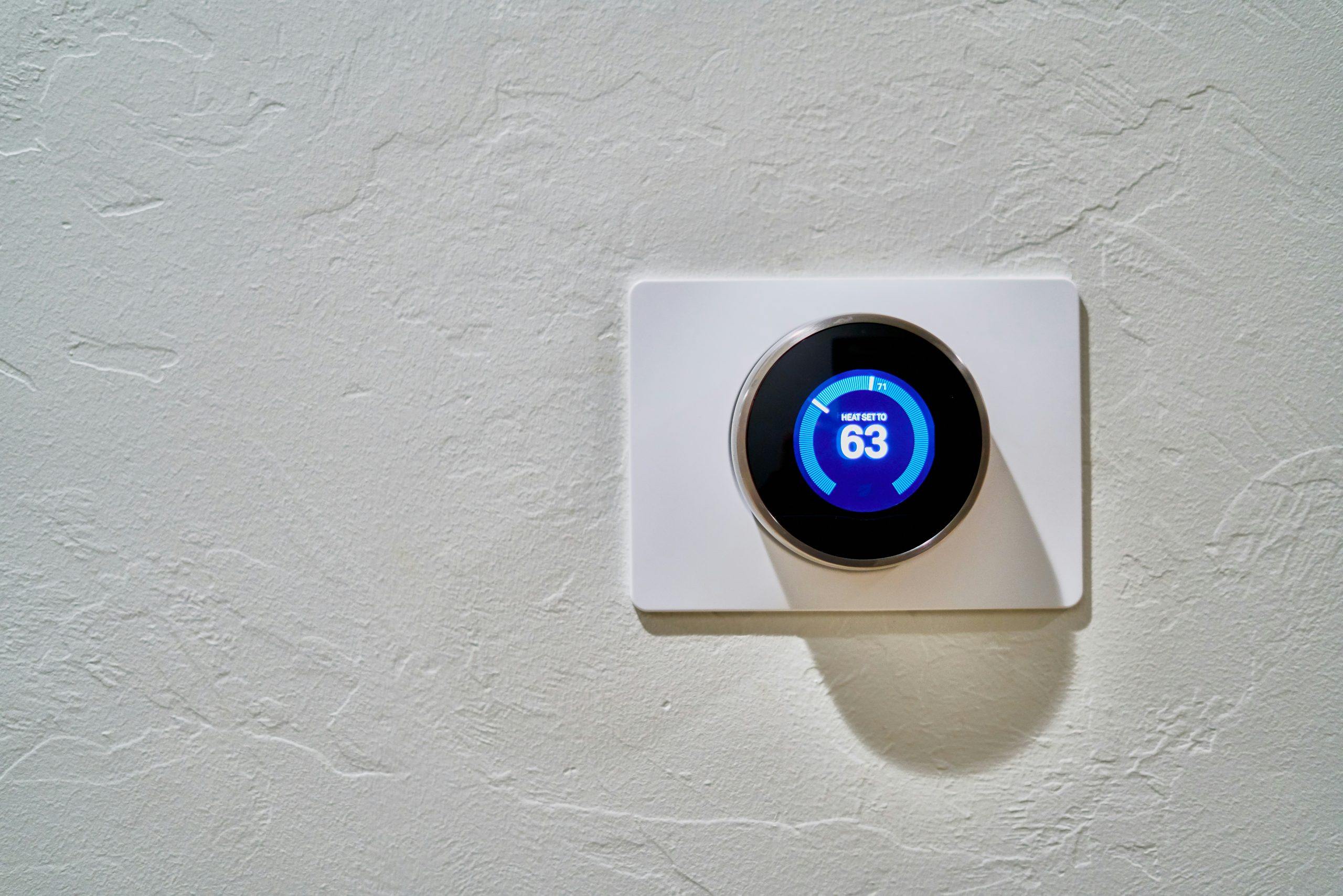
Should Dadeville Homeowners Invest in Smart Thermostats?

The AC works hard for months, while the heater jumps in when it can. Somewhere in the middle, people start wondering if their system is running efficiently or just running all the time. That’s usually when homeowners start looking at their thermostat and asking whether it’s actually helping or just sitting there doing the bare minimum. Smart thermostats are often talked about, but most people still aren’t sure whether they’re worth the money or just another gadget. Lately, homeowners keep asking us the same question at the job site or over the phone: Are smart thermostats actually worth it?

Short answer? Sometimes yes. Sometimes no. And that’s exactly what we’re going to unpack here. Just real talk from someone who works with heating and cooling systems every day.


How Smart Thermostats Actually Work in Real Homes

Let’s clear something up right away. A smart thermostat does not magically fix a bad HVAC system. If your unit is undersized, outdated, or struggling, no thermostat on earth will save it. What smart thermostats do is help a healthy system run smarter.

They learn when you’re home, when you’re away, and how long your house takes to cool down or warm up. Instead of blasting the AC nonstop, the system runs more efficiently. That’s especially helpful in older Dadeville homes where insulation and airflow aren’t always perfect.

Energy Savings for Dadeville Homeowners

This is where most folks lean in, and understandably so. Power bills in Alabama can climb fast. Smart thermostats are designed to reduce unnecessary runtime, especially during peak hours.

According to the U.S. Department of Energy, homeowners can save up to 10 percent a year on heating and cooling by using programmable or smart thermostats correctly. In real life, savings depend on your habits. If you’re already good at adjusting temps, savings may be modest. If you forget constantly, the difference can be noticeable.

Are Smart Thermostats Easy to Use?

This is where we see hesitation, especially from homeowners who don’t want another app to deal with. The good news is that most smart thermostats are actually simpler than old programmable ones. You don’t need to schedule every hour of your day.

Once installed, many models adjust automatically. You can still override them anytime, from the wall or your phone. And if tech really isn’t your thing, you can keep it simple and let it run in the background.

Installation Matters More Than People Realize

We’ll be blunt here. A smart thermostat installed incorrectly is worse than a basic one installed right. Wiring compatibility, system type, and setup all matter. Heat pumps, dual fuel systems, and older wiring can complicate things.

Chad's AC Direct installs smart thermostats the right way, making sure they actually communicate with your HVAC system instead of fighting it.

When a Smart Thermostat Might Not Be Worth It

If your HVAC system is already on its last leg, a smart thermostat may not be the best first investment. The same goes if your home has serious insulation issues or duct leaks.

In those cases, fixing airflow or upgrading equipment will deliver bigger results. A smart thermostat works best as part of a well-maintained system, not as a band-aid.

What to Expect When You Work With Chad's AC Direct

Nobody wants surprises when it comes to home repairs. That’s why Chad's AC Direct focuses on clear, upfront communication. We'll let you know what’s happening before work starts.

You’ll get written estimates, an itemized list of parts, and full transparency on labor. No mess left behind and no pressure tactics. Just straightforward service designed for Dadeville homeowners who want comfort without stress.

Is a Smart Thermostat Right for You? Call Today!

If you’re curious about smart thermostats in Dadeville, AL, or want honest advice from someone who works in the field, Chad's AC Direct is ready to help. Call 334-264-6464 today to schedule an appointment and find out if a smart thermostat is the right move for your home.


Frequently Asked Questions

1. What exactly is a smart thermostat?

It’s basically a thermostat that stops you from having to do all the work. It pays attention to when your system runs, when you’re home, and when you’re not. After a while, it starts adjusting things on its own so the house stays comfortable. You still control it, it just doesn’t need babysitting.

2. Will a smart thermostat actually lower my power bill?

Yeah, it can, especially if your system runs more than it should. The big savings come from cutting out times when the AC or heat is on for no real reason. Instead of blasting all day, it eases up when it can. That’s where the money stays in your pocket.

3. Will it work with my current HVAC system?

Most of the time, yes, but it’s not automatic. Older systems or odd wiring setups can need a little extra attention. That’s why it’s smart to check before installing anything. It’s easier to fix on the front end than deal with issues later.

4. Are smart thermostats hard to use?

Not really, and that’s coming from people who hate tech. Once it’s set up, you don’t have to mess with it much. You can still walk up and change the temperature like always. The difference is you’re not constantly adjusting it throughout the day.

5. Can a smart thermostat help with humidity?

Absolutely, and that’s a big deal around here. It helps the system run in a way that keeps the air from feeling sticky. That means the house feels cooler without having to drop the temperature way down. It’s a comfort thing you notice pretty quickly.

6. Do I really need a professional to install one?

You don’t have to, but it usually goes better when you do. Wiring and settings matter more than people think. If it’s installed incorrectly, you won’t get the benefits you paid for. A proper install saves headaches down the road.

7. Will it help my HVAC system last longer?

It can help, yeah. Systems wear out faster when they’re constantly kicking on and off. A smart thermostat smooths that out. It won’t make an old unit brand new, but it can help a good system last longer.

8. Are smart thermostats safe to use on Wi-Fi?

For normal home use, yes. As long as your Wi-Fi is secure and the device is updated, there’s not much to worry about. Most people never think about it again after setup. It’s no different than having a phone or smart TV connected.

9. How long before I notice a difference?

Some folks notice the house feels more even pretty fast. Others really see it when the power bill shows up after a couple of months. It takes a little time for the thermostat to learn your habits. The longer it runs, the better it works.

10. Is a smart thermostat worth it for a smaller home?

It can be, depending on how the system gets used. Even small homes waste energy when the AC runs nonstop. A smart thermostat helps tighten that up. If comfort and efficiency matter to you, size doesn’t really change that.
Mistakes Montgomery Residents Make with Their Thermostats

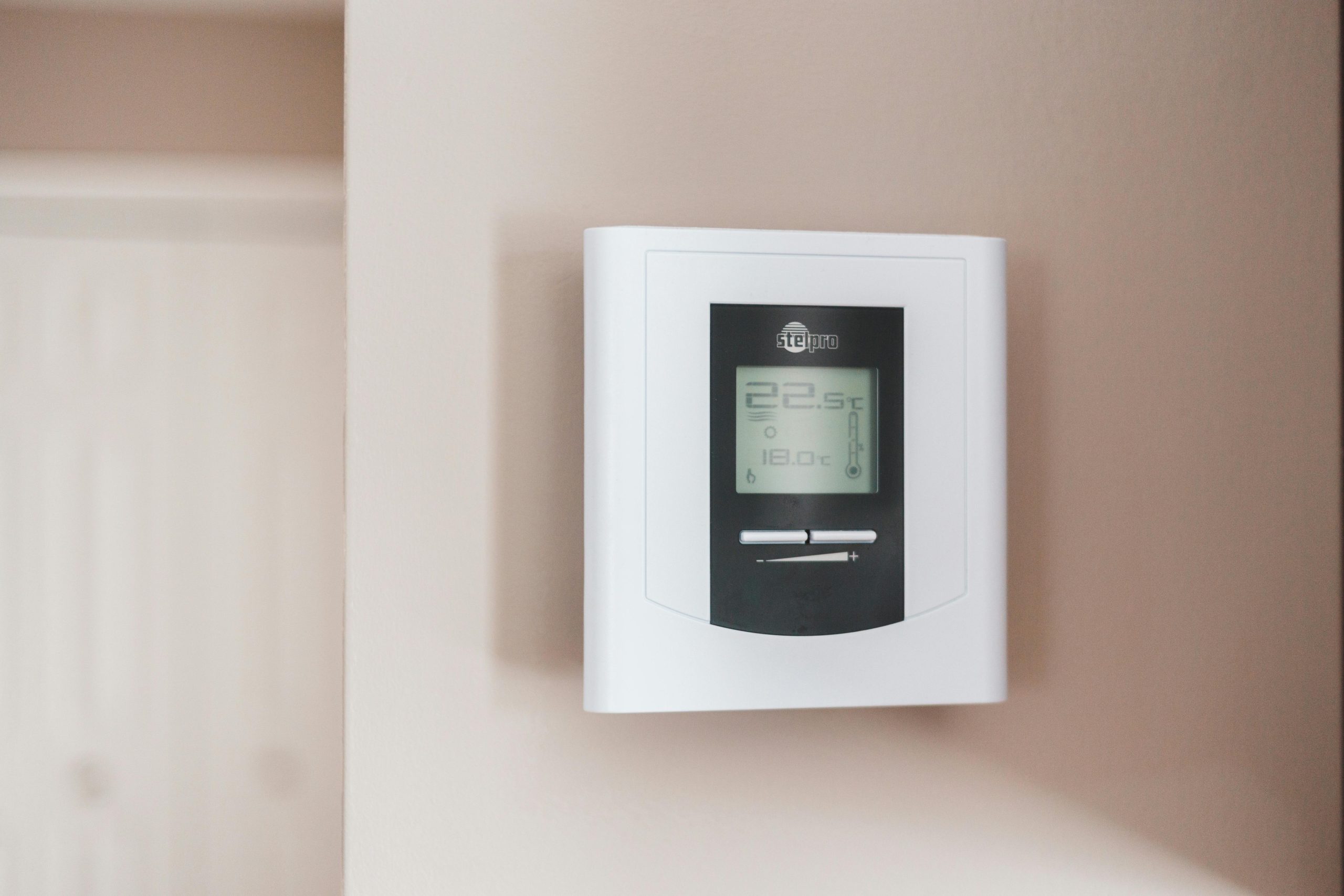
Have you ever walked into your house, felt that thick heat wrap around you like a wet blanket, and immediately blamed your AC? Most people do. But more often than not, the problem isn’t the system itself. It’s the thermostat.

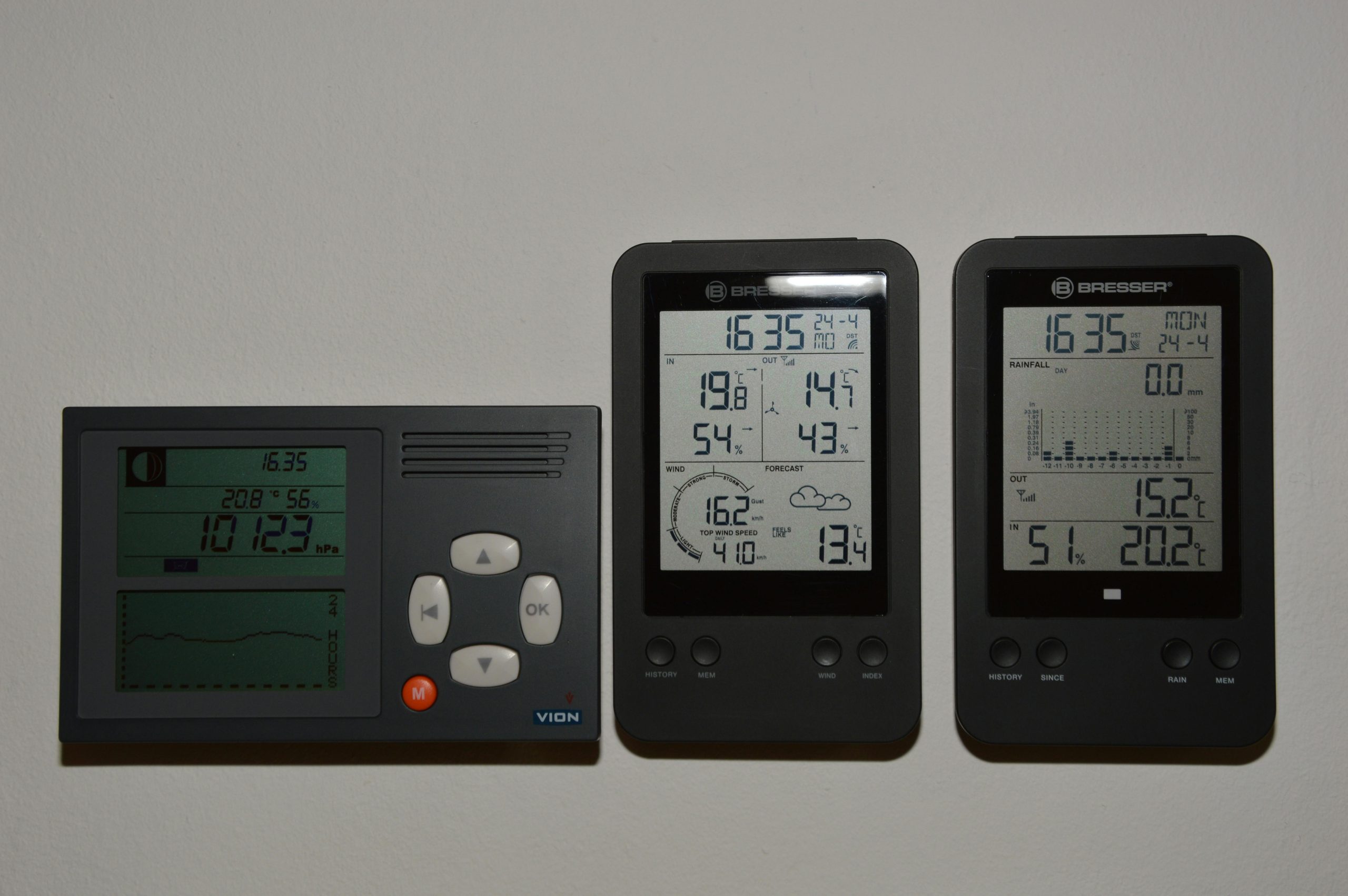
Thermostats look innocent. They sit on the wall quietly, blinking numbers at you like they’ve got everything under control. Meanwhile, they’re silently sabotaging your comfort and your energy bill. I see it all the time. And if you’re working with an HVAC contractor in Montgomery AL long enough, you start noticing the same patterns over and over again.

Let’s talk about the mistakes Montgomery residents make with their thermostats, why they matter, and how fixing them can seriously change how your home feels day to day.

Why Your Thermostat Matters More Than You Think

Your thermostat is the brain of your heating and cooling system. It tells your unit when to turn on, when to shut off, and how hard to work. If that brain is confused, outdated, or misused, your system suffers.

That leads to higher energy bills, uneven temperatures, and breakdowns that always seem to happen at the worst possible time. Sound familiar? Yeah, you’re not alone.


Common Thermostat Mistakes That Cost You Comfort and Cash

1. Turning the Temperature Way Down or Up

This is probably the most common mistake. People think cranking the thermostat to extreme settings will cool or heat their home faster. It won’t. Your system works at the same speed no matter what number you punch in.

All you’re doing is forcing the unit to run longer than necessary, which increases wear and tear. That’s a fast track to calling an HVAC contractor in Montgomery AL sooner than you’d like.

2. Constantly Adjusting the Thermostat

Some homeowners treat the thermostat like a volume knob, constantly adjusting it throughout the day. This confuses the system and prevents it from maintaining a steady, efficient cycle.

Your HVAC system works best when it can settle into a rhythm. Let it do its thing instead of micromanaging it every hour.

3. Ignoring Thermostat Placement

Where your thermostat is located matters more than most people realize. If it’s near a window, door, or heat-producing appliance, it’s getting false readings.

That means your system might be running when it doesn’t need to or shutting off too early. A professional HVAC contractor in Montgomery AL can help determine whether relocation makes sense.

4. Forgetting to Change Batteries

Yes, it sounds simple. But dead or weak thermostat batteries cause all kinds of weird behavior. Systems not turning on, inaccurate readings, or random shutdowns often trace back to this tiny issue.

Set a reminder to change batteries twice a year. Your future self will thank you.


Smart Thermostats Aren’t Always Set Up Smart

Smart thermostats are great. They learn your habits, help save energy, and give you control from your phone. But they’re only smart if they’re programmed correctly.

Many Montgomery homeowners install them and never customize the settings. Others override the schedule constantly, which defeats the purpose. Getting professional setup ensures you’re actually using the features you paid for.

Seasonal Settings Matter in Alabama

Montgomery weather is unpredictable. Hot springs, mild winters, and humidity that feels personal. Your thermostat settings should change with the seasons.

Leaving summer settings on during cooler months wastes energy. Adjusting schedules seasonally helps your system run efficiently year-round.


What Working with Chad’s AC Direct Feels Like

Here’s where things get easier. Chad’s AC Direct takes the confusion out of HVAC service. When you call, you’re not getting a runaround. You’re getting straight answers, written estimates, and no surprises.

We walk you through every step. Itemized parts. All labor explained. No mess left behind. It’s the kind of red carpet service that makes you wonder why all contractors don’t operate this way.

If you’re tired of guessing what’s wrong with your thermostat or system, working with a trusted HVAC contractor in Montgomery AL changes everything.

When It’s Time to Call a Pro

If your home never feels quite right, your energy bills keep climbing, or your system runs nonstop, it’s time. Thermostat issues are often the warning sign of bigger problems.

The good news is that most of these mistakes are easy to fix when caught early. And having someone local who understands Montgomery homes makes all the difference.

Ready to Ditch the Thermostat Drama? Chad's AC Direct Makes HVAC Easy

If your thermostat has been running the show and you’re not loving the results, it’s time to take control back. Chad’s AC Direct is ready to help you get comfortable without the stress. Call 334-264-6464 now to schedule your appointment and experience HVAC service that actually feels easy.


Frequently Asked Questions 

1. What is the most common thermostat mistake homeowners make in Montgomery?

The biggest mistake is constantly adjusting the thermostat throughout the day, especially when the weather feels unpredictable. People do this hoping to feel comfortable faster, but it actually confuses the system and makes it work harder. Over time, this habit leads to uneven temperatures and higher energy bills. Letting the thermostat maintain a steady setting usually keeps the home more comfortable overall.

2. Does turning the thermostat lower cool my house faster?

This is a really common belief, but it’s not how HVAC systems work. Your air conditioner cools at the same pace no matter how low the thermostat is set. When you drop it way down, the system simply runs longer than necessary. That extra runtime adds wear and tear without giving you faster results.

3. How does thermostat placement affect performance?

Thermostats rely on the air around them to make decisions for the whole house. If one is placed near a window, doorway, or heat source, it can get misleading temperature readings. That causes the system to turn on or off at the wrong times. Over time, this leads to hot and cold spots that never seem to go away.

4. Are smart thermostats worth it in Montgomery homes?

Smart thermostats can be incredibly helpful, especially with Montgomery’s heat and humidity. However, many homeowners install them and never take the time to customize the settings properly. When that happens, the thermostat can’t really “learn” your habits. With proper setup and use, smart thermostats can absolutely improve comfort and energy efficiency.

5. How often should thermostat batteries be changed?

Most people don’t think about thermostat batteries until something stops working. Weak batteries can cause inaccurate readings, system delays, or even complete shutdowns. Changing them twice a year is a simple habit that prevents a lot of frustration. It’s one of the easiest ways to avoid unnecessary service calls.

6. Can thermostat issues increase energy bills?

Yes, and it happens more often than people realize. A thermostat that’s misreading temperatures or set incorrectly can cause your system to run longer than it should. That extra runtime shows up on your monthly energy bill. Fixing the thermostat problem often leads to noticeable savings.

7. Is it bad to turn the HVAC system off completely when leaving home?

Turning the system completely off can actually make it work harder later. When you come home, the unit has to push the house back to a comfortable temperature all at once. A better approach is adjusting the temperature a few degrees while you’re away. This keeps things balanced and easier on the system.

8. Why does my home feel uneven in temperature?

Uneven temperatures usually point back to thermostat issues or airflow problems. If the thermostat is reading one part of the house, the rest may not get the comfort it needs. This is especially common in multi-room or older homes. Small adjustments or professional recommendations can make a big difference.

9. Do seasonal thermostat changes really matter?

Seasonal changes matter more than most homeowners expect. Leaving the same settings year-round doesn’t account for shifting outdoor temperatures and humidity levels. Adjusting your thermostat with the seasons helps the system run more efficiently. It also helps maintain comfort without overworking the equipment.

10. When should I call an HVAC professional for thermostat issues?

If your home never seems comfortable no matter what you set the thermostat to, that’s a clear sign to call a professional. Ongoing issues usually mean there’s more going on than just a setting problem. Catching thermostat-related issues early can prevent bigger repairs down the road. A professional can quickly pinpoint what’s actually causing the problem.

The Role of Thermostat Placement in Auburn HVAC Efficiency

If you’ve ever wondered why your home in Auburn feels warm in one room but chilly in another, your thermostat placement might be the secret culprit. Yep, that little box on your wall has way more power than you think. And before you stress about it, breathe easy: you’re not alone, and you’re definitely not doomed. With the right help from Chad’s AC Direct, your local HVAC comfort pros, you can fix uneven temperatures and boost efficiency like a boss.

Today, let’s break down thermostat placement in Auburn homes in a way that actually makes sense. Let's talk about how your thermostat affects your comfort, your HVAC performance, and yes — even your energy bill.

Why Thermostat Placement Matters More Than You Think

Think of your thermostat like the “director” of your heating and cooling system. It senses the temperature around it and tells your HVAC unit when to turn on, when to turn off, and how long to run. But here’s the kicker: if that thermostat is placed in the wrong spot, it’s basically getting bad intel. And when the brain gets bad intel, the whole system goes haywire.

Imagine trying to cook with someone shouting the wrong measurements at you. That’s your HVAC system with a badly placed thermostat,  confused, inefficient, and wasting energy.

The Auburn Climate Makes Placement Even More Important

Auburn has hot summers, humid air that clings to everything, and winters that toggle between mild and downright frosty. That means the thermostat reading needs to be accurate year-round, not skewed by sudden blasts of heat, cold drafts, or direct sunlight.

A misplaced thermostat in Auburn isn't just "less efficient." It can:

  • Lead to uneven temperatures
  • Increase energy bills
  • Reduce HVAC lifespan
  • Cause constant cycling
  • Make your home feel uncomfortable no matter what you set

No one wants that.

Where Should You Actually Put Your Thermostat?

1. Choose an Interior Wall in a Central Spot

Your thermostat needs a stable, representative temperature. Exterior walls get heat from the sun and cold drafts, so avoid them. Place your thermostat on an interior wall where the airflow is calm and natural.

This helps the thermostat read the actual temperature your home averages, not some distorted version.

2. Keep It Away From Heat Sources

Things that heat up the thermostat and confuse it include:

  • Lamps
  • TVs
  • Ovens
  • Sunlight
  • Fireplaces
  • Electronics

If your thermostat sits near one of these, it may think your whole home is hotter than it is. That means unnecessary AC cycles and higher bills.

3. Avoid Drafty Areas

Drafts trick your thermostat into thinking your home is cold. Then boom — heat kicks on, and you’re sweating through your T-shirt for no reason.

Common drafty areas include:

  • Near doors
  • Hallways with constant foot traffic
  • Next to windows
  • Close to supply vents

Your thermostat needs peace and quiet, not chaos.

The Best Thermostat Height

Most HVAC experts recommend installing thermostats at about 52 to 60 inches above the floor. This height gives a reading that feels closest to the temperature people actually experience while living their daily lives.

Too high, and heat rises. Too low, and cold air pools. Get the right height, get the right comfort.

Smart Thermostats Make a Big Difference in Auburn

Auburn homeowners love saving on energy, and smart thermostats are absolute game-changers. They learn your habits, adjust automatically, and help your system run smoothly.

But even a smart thermostat becomes a “dumb thermostat” if it’s placed in a terrible spot. Proper placement + smart features = chef's kiss comfort.

Signs Your Thermostat Is in the Wrong Place

If any of these sound familiar, you may be dealing with bad thermostat positioning:

  • Your AC or heater turns on and off constantly
  • Rooms feel uneven
  • Your energy bill keeps climbing
  • You keep adjusting the thermostat without feeling a difference
  • Your HVAC system seems louder or works harder
  • You can never hit the “sweet spot” temperature

A quick thermostat relocation can transform your home comfort faster than you think.

Why Auburn Homeowners Choose Chad’s AC Direct

Working with Chad’s AC Direct feels like working with a neighbor who actually knows what they’re doing. Here’s what you can expect:

  • Written estimates you can actually understand
  • Itemized parts list
  • All labor explained upfront
  • No mess left behind
  • Fast appointments
  • Long-term solutions, not quick patches

If thermostat placement is messing with your home comfort, our techs can evaluate your setup and move your thermostat to the ideal location.

Ready for a Home That Actually Feels Comfortable?

If your thermostat isn’t where it should be, your HVAC system is working harder than it needs to. Call Chad’s AC Direct today at 334-264-6464 and let Auburn’s trusted HVAC experts optimize your comfort. You deserve an efficient home, and we’re here to make it happen.

Frequently Asked Questions 

1. How does thermostat placement affect HVAC efficiency?

Thermostat placement affects how accurately your HVAC system reads the temperature in your home. When a thermostat sits in a hot or drafty area, it sends incorrect signals to the HVAC system. This causes unnecessary heating or cooling cycles that waste energy. Proper placement ensures consistent comfort and better efficiency.

2. Where is the best place to install a thermostat for even temperatures?

The best place for a thermostat is on an interior wall in a central area of the home. This helps the device measure a natural, average temperature instead of extreme hot or cold spots. Avoid areas with direct sunlight or appliances that produce heat. Good placement leads to stable, balanced indoor comfort.

3. Can a thermostat placed too close to vents affect HVAC performance?

Yes, vents can blow hot or cold air directly onto the thermostat, causing inaccurate readings. The thermostat may think the home is warmer or cooler than it truly is. This leads to short cycling and poor energy efficiency. Keeping it away from vents prevents misleading temperature readings.

4. Does thermostat height matter for accurate readings?

Thermostat height plays a big role in temperature accuracy. Installing it too high exposes it to warmer rising air, while installing it too low exposes it to cooler air near the floor. A height of around 52 to 60 inches usually provides the most realistic reading. This helps your HVAC system operate more efficiently.

5. Can sunlight interfere with thermostat readings?

Direct sunlight can heat the thermostat and trick it into thinking the entire home is too warm. This often leads to unnecessary cooling cycles, especially during summer. Sunlight exposure is one of the most common thermostat placement mistakes. Keeping it in a shaded area ensures more accurate temperature control.

6. How does thermostat placement impact energy bills?

Bad placement causes your HVAC system to run longer or more often than needed. This results in increased energy consumption and higher monthly costs. Correct placement ensures your system only operates when necessary. Over time, this can significantly reduce utility bills.

7. Why shouldn't thermostats be placed near kitchens or appliances?

Kitchens and appliances give off heat that can interfere with temperature readings. When a thermostat senses this extra warmth, it may activate cooling cycles unnecessarily. This wastes energy and makes your home less comfortable. Placing the thermostat away from heat sources ensures normal system behavior.

8. Can poor thermostat placement cause uneven room temperatures?

Yes, incorrect placement often leads to inconsistent temperatures throughout the home. The thermostat may detect the wrong temperature and shut off the system too early. This prevents other areas from heating or cooling properly. Accurate placement helps maintain balanced comfort in every room.

9. Is it possible to move a thermostat if it’s in a bad spot?

Thermostats can be moved to a better location by a trained professional. Relocating it improves temperature accuracy and system performance. This is a common fix for homes with comfort issues. The improvement in efficiency is usually noticeable right away.

10. How do I know if my thermostat needs to be relocated for better efficiency?

If your home has uneven temperatures, rising energy bills, or constant HVAC cycling, relocation may help. Unusual thermostat behavior is often a sign that it’s reading the wrong environment. Evaluating its current position can reveal airflow or heat issues affecting its accuracy. A better location results in more reliable system operation.