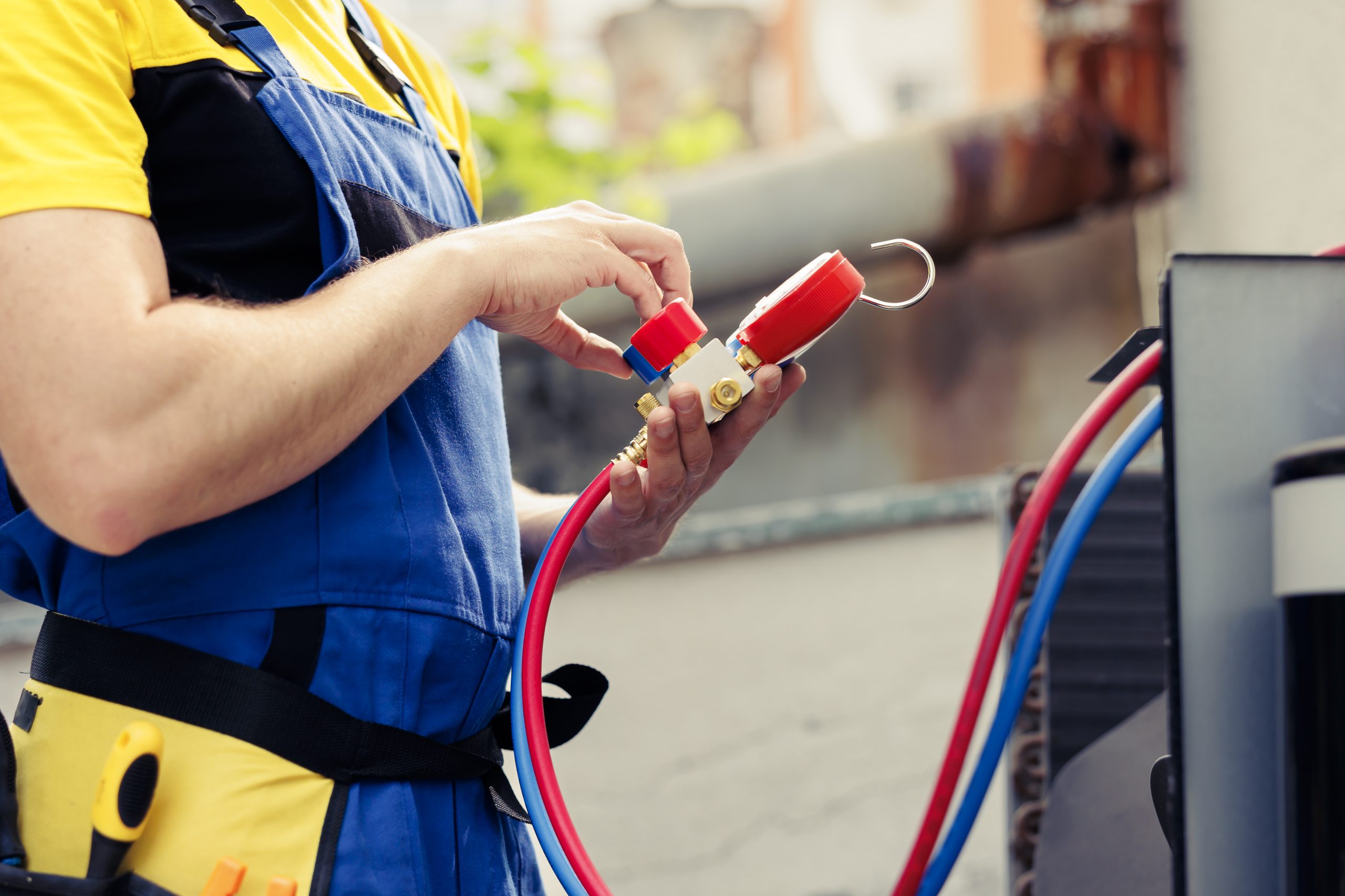
HVAC Safety & Maintenance Tips for Dadeville Homes

Your heating and cooling  systems are essential to maintaining comfort, safety, and energy efficiency in your home in Dadeville. With Alabama’s high humidity, intense summer heat, and occasional winter cold snaps, HVAC systems operate under significant demand throughout the year. Proper maintenance directly affects system lifespan, indoor air quality, and household safety. At Chad's AC Direct, we work with homeowners across Dadeville, AL, who want dependable performance without unexpected breakdowns. Understanding HVAC safety and maintenance is the first step toward protecting your home investment.

Why Does HVAC Maintenance Matter So Much in Dadeville?

Your HVAC system works harder here than in many other parts of the country. According to the U.S. Department of Energy, heating and cooling account for nearly half of the average household’s energy use. In Alabama, that number can feel even higher during peak summer.

When your system runs constantly, small problems don’t stay small. A clogged filter becomes frozen coils. Dirty components become overheated motors. And before you know it, you’re Googling “emergency AC repair near me."

Routine maintenance keeps everything running smoothly. It improves efficiency, lowers utility bills, and extends the life of your system. It’s like getting an oil change for your car. Skip it long enough, and you’ll pay for it later.

What Are the Most Important HVAC Safety Tips?

Let’s start with safety because comfort doesn’t matter if your home isn’t safe.

Change Your Air Filter

This is the simplest thing you can do, yet it’s the most ignored. A dirty air filter blocks airflow. When airflow is blocked, your system has to strain to push air through. That strain builds heat. Excessive heat can damage components and shorten your unit's lifespan.

In Dadeville, especially during pollen season, filters  can clog faster than you think. Check them monthly. Replace them every 1 to 3 months, depending on pets, allergies, and usage. It’s a five-minute job that can save you thousands.

Keep the Outdoor Unit Clear

Take a walk outside and look at your condenser unit. Is it surrounded by leaves, grass, or weeds? Your outdoor unit needs breathing room. At least two feet of clearance on all sides is ideal. When airflow is restricted, efficiency drops. And when efficiency drops, energy bills rise.

Test Your Carbon Monoxide Detectors

If your home has a gas furnace, this one is critical. Carbon monoxide is odorless and invisible. A malfunctioning furnace can produce dangerous levels without warning. Test your carbon monoxide detectors monthly and replace batteries regularly.

How Can You Make Your HVAC System Last Longer?

Nobody wants to replace an HVAC system before they have to. They’re a big investment. The good news is, with proper care, most systems last 15 to 20 years.

Here’s how you help yours stick around.

Schedule Professional Maintenance Once a Year

Even if everything “seems fine," a professional inspection includes checking refrigerant levels, cleaning coils, inspecting electrical components, tightening connections, and testing overall system performance. Small issues get fixed before they become expensive repairs.

Seal Air Leaks in Your Home

If cool air is escaping through gaps around doors or attic spaces, your HVAC system has to work overtime. Weather stripping, insulation, and sealing visible leaks can reduce strain on your system. That means lower bills and fewer breakdowns.

Upgrade to a Smart Thermostat

Smart thermostats help reduce unnecessary runtime by adjusting temperatures when you’re away. Less runtime equals less wear and tear. And less wear and tear equals fewer emergency repair calls.

Ready to Stop Worrying About Your HVAC?

Your HVAC system should quietly do its job in the background. It shouldn’t stress you out or cause breakdowns at the worst possible time.

Give us a call and schedule your appointment. Let’s keep your Dadeville home cool in the summer, warm in the winter, and comfortable all year long.


Frequently Asked Questions

1. How often should I schedule HVAC maintenance in Dadeville, AL?

Once a year is the minimum. In Dadeville, your AC works overtime during summer, so spring maintenance is smart. Then have your heat checked in the fall before cold weather hits. Regular service keeps surprise breakdowns away. It also helps your system run more smoothly and more cheaply.

2. What are common signs my HVAC system needs repair?

If your house feels uneven, pay attention. One room freezing, another warm? That’s a clue. Strange banging or buzzing noises are never “normal.” And if your power bill suddenly jumps, your system may be struggling. When something feels off, it usually is.

3. Can a dirty air filter cause serious HVAC problems?

Yes, and it happens more than you think. A clogged filter chokes airflow, so your system strains to breathe. That strain builds heat and stress inside the unit. Over time, parts wear out faster. Changing a filter is cheap. Replacing a system isn’t.

4. Is annual HVAC maintenance really necessary?

If you want your system to last, yes. Skipping maintenance is like never changing your car’s oil. It might run fine for a while. Then one day, it doesn’t. Yearly tune-ups catch small issues early. That alone can save you thousands.

5. What temperature should I set my thermostat at during summer?

Most experts say 78 degrees when you’re home. It feels comfortable without overworking your system. When you leave, bump it up a few degrees. That small adjustment lowers energy use fast. Your system gets a break, and your bill shrinks.

6. How long does an HVAC system typically last in Alabama?

In Alabama heat, most systems last 15 to 20 years. But that depends on how you treat it. Regular maintenance helps it reach that full lifespan. Ignore it, and you may replace it early. Climate matters here, so upkeep really counts.

7. Why is my AC running but not cooling properly?

If it’s running but not cooling, something’s wrong. Often it’s low refrigerant or a dirty coil. Sometimes it’s just a clogged filter blocking airflow. Either way, the system can’t do its job. Don’t wait too long. It won’t fix itself.

8. Is it safe to perform HVAC repairs without professional help?

You can safely change filters and clear debris. Beyond that, it gets risky fast. HVAC systems involve electricity and refrigerant. Both can be dangerous if handled incorrectly. A quick DIY mistake can become an expensive repair. When in doubt, call a pro.

9. How can I improve indoor air quality in my home?

Start with your air filter. If it’s dirty, your air probably is too. Then check humidity levels. Dadeville humidity can make indoor air feel heavy and stale. A dehumidifier helps a lot. Clean ducts and proper ventilation also make a difference.

10. How do I choose a trusted HVAC contractor in Dadeville, AL?

Look for someone who explains things clearly. You should understand the problem and the price. Written estimates matter. So does showing up on time. Check local reviews, but trust your gut too. If they communicate well, that’s a good sign.

Signs Your HVAC System Is Aging in Dadeville

Your air conditioner didn’t completely quit, but something feels off. The house takes longer to cool, while the unit sounds louder than it used to. The power bill jumps for no good reason. Heat, humidity, and long summers have a way of aging HVAC systems faster than folks expect. We talk to homeowners every week who say the same thing: “It worked fine last year.” That’s usually how it starts.

This guide breaks down the signs your HVAC system is aging in Dadeville, what those signs actually mean, and how to decide whether it’s time to repair, tune up, or move on to a new system without getting ripped off.

Early Warning Signs Most Homeowners Ignore

Knowing the early warning signs saves money and prevents breakdowns at the worst possible time.

1. Your System Is Still Running, but Comfort Is Inconsistent

That’s not just annoying. It often means the system is losing efficiency or airflow due to aging components.

Duct leaks, worn blower motors, or failing sensors can all cause this. The system works harder but delivers less comfort. That’s a classic aging signal.

2. Strange Noises You Never Heard Before

Every system makes noise, but new noises matter. Rattling, buzzing, grinding, or banging are not personality quirks. They usually mean parts are wearing out or loosening.

Older systems lose their tight tolerances. When metal parts wear down, noise follows. Ignoring it almost always leads to bigger repairs later.

3. Repairs Are Becoming Routine

One repair every few years is normal, while two repairs in one season are a warning. When fixes start stacking up, the system is telling you something.

At some point, you’re maintaining an aging machine instead of fixing a problem. That’s when replacement conversations start making financial sense.

Energy Bills Don’t Lie

If your energy usage habits haven’t changed but your bills have, your HVAC system is likely the culprit. Aging systems lose efficiency slowly, so the cost increase feels sneaky.

Older units:

  • Run longer cycles
  • Struggle to reach set temperatures
  • Waste energy through worn parts

Those inefficiencies add up month after month.

Old SEER Ratings Cost You Money

Systems installed 10 to 15 years ago often have SEER ratings well below today’s standards. Newer systems cool better using less power.

In Alabama heat, that efficiency difference hits hard. Over time, an old system can cost more to keep than to replace.

How Long HVAC Systems Typically Last Here

In ideal conditions, HVAC systems last 15 to 20 years. In Central Alabama, it’s often less.

Factors that shorten lifespan include:

  • Heavy seasonal use
  • Missed maintenance
  • Improper installation
  • Poor airflow design

If your system is over 12 years old and showing multiple warning signs, it’s officially in the “watch closely” stage.

Repair or Replace? How Contractors Really Decide

When Repair Still Makes Sense

Repairs are reasonable when:

  • The system is under 10 years old
  • Issues are isolated and inexpensive
  • Efficiency is still solid

A good contractor will never push replacement to sell equipment.

When Replacement Becomes the Smarter Move

Replacement becomes logical when:

  • Repair costs exceed 30 to 40 percent of replacement cost
  • Breakdowns are frequent
  • Comfort complaints are ongoing

A new system gives predictable performance and lower operating costs—that peace of mind matters.

What Working With Chad’s AC Direct Looks Like

Finding a contractor shouldn’t feel like rolling the dice. Chad’s AC Direct focuses on transparency and no-pressure service in Montgomery and surrounding areas, including Dadeville.

Here’s what customers appreciate:

  • Written estimates before work begins
  • Itemized parts and labor
  • No surprise charges
  • Clean work areas when the job is done

When your AC or heat goes down, fast and accurate service makes all the difference. Call 334-264-6464 to set up an appointment and get things handled without the headache.

Practical Steps You Can Take Right Now

Before the next breakdown hits, do this:

  • Check the system’s age
  • Review recent repair history
  • Monitor energy bills
  • Schedule a professional inspection

Catching aging issues early gives you options instead of emergencies.

Call Chad's AC Direct Before It's Too Late!

If you’re noticing the signs your HVAC system is aging in Dadeville, don’t wait until it quits on the hottest day of the year. A simple evaluation can save you money, stress, and sleepless nights. Call Chad's AC Direct today and get honest answers from people who actually care about your comfort.


Frequently Asked Questions 

1. How do I know if my HVAC system is getting old or needs a quick fix?

That depends on patterns, not on a single bad day. If the system consistently struggles, needs repeat repairs, or no longer feels right, age is probably part of the problem. A quick fix solves a specific issue, while aging shows up as multiple small frustrations stacking together. When those frustrations become normal, it’s time to look deeper.

2. Why does my HVAC system still run but not cool or heat as it used to?

That’s a classic aging symptom. Over time, parts wear down and become less efficient, even though the system technically still works. The unit takes longer to reach the desired temperature. That extra effort increases both wear and energy costs.

3. Is it normal for older HVAC systems to make new noises?

Yes, and those noises are rarely good news. As components loosen, motors strain, and metal expands unevenly, sounds start creeping in. What used to be a quiet system becomes noticeable, then annoying. Those noises are often early warnings, not harmless quirks.

4. Why does my energy bill keep climbing even though nothing changed?

When nothing inside the house changes, the system is usually the reason. Aging HVAC units gradually lose efficiency, so the increase feels sneaky. The system has to work harder to do the same job it once handled easily. That extra run time shows up on your bill every month.

5. Does poor airflow mean my HVAC system is wearing out?

It can, especially if filters and vents are already clean. Older blowers lose strength, and internal buildup restricts air movement. That leads to weak airflow and uneven temperatures around the house. Poor airflow is often one of the first comfort issues people notice.

6. Why does my house feel humid even when the AC is running?

Humidity control weakens as systems age. Older units struggle to pull moisture out of the air while cooling. That’s why the house can feel clammy even when the temperature seems fine. In Alabama, that moisture problem becomes noticeable fast.

7. How often is too often for HVAC repairs?

Once repairs begin each season, it’s time to pause and reassess. Occasional fixes are normal, but repeated issues signal deeper wear. At that point, you’re maintaining decline instead of solving problems. That’s when replacement conversations usually make sense.

8. Can an aging HVAC system affect indoor air quality?

Yes, and most homeowners don’t connect the dots. Older systems circulate dust, allergens, and moisture less effectively. Leaky ductwork and worn components worsen the problem. Better airflow and filtration often come with newer equipment.

9. Is it risky to keep running an old HVAC system?

Risk increases with age, especially with electrical and heating components. Most systems don’t fail safely or conveniently. Small issues can turn into sudden breakdowns or safety concerns. Staying ahead of those risks is always the smarter move.

10. When is the best time to check if my HVAC system is aging?

Before it fails is the honest answer. Evaluations during mild weather give you time to think, compare options, and plan. Waiting until extreme heat or cold limits choices and raises stress. A calm decision beats an emergency every time.

How to Clean & Maintain HVAC in Dadeville

If we had a dollar for every time someone in Dadeville said, “It was working fine yesterday,” we could probably retire early. Cleaning and maintaining your system isn’t about perfection or technical expertise. It’s about paying attention. We’ve walked into homes where a five-dollar filter swap would’ve prevented a thousand-dollar repair. We’ve also seen systems struggle simply because outdoor units were buried under leaves and lawn clippings.

This guide is written to give you the same practical advice we give homeowners when we’re standing in their driveway, tools in hand. A little maintenance goes a long way here, and when you know what to look for, you can keep your system running smoother, longer, and with fewer surprises.

Why HVAC Maintenance Matters More in Dadeville

Dadeville’s climate is tough on heating and cooling systems. High humidity puts extra strain on air conditioners, while pollen and dust clog systems faster than most people realize. When airflow gets restricted, your system works harder, uses more energy, and wears out faster.

Regular maintenance helps your HVAC system breathe again. It also keeps indoor air cleaner, which matters if you have allergies or kids at home. Most importantly, it reduces the chance of waking up to a house that feels like a sauna in July or an icebox in January.

The Basics of Cleaning Your HVAC System

You don’t need special tools or years of experience to handle basic HVAC care. A few simple steps can make a noticeable difference.

Change Your Air Filters Regularly

This is the easiest win and the most ignored. Dirty filters choke airflow and force your system to overwork itself. In Dadeville, filters should usually be changed every 1 to 3 months, depending on pets, dust, and usage.

A clean filter helps your system run more smoothly and keeps dust from circulating through your home. If you can’t remember the last time you changed it, that’s your sign.

Keep Vents and Registers Clear

Furniture, rugs, and even curtains love to block vents. When airflow is restricted, rooms feel uneven, and the system struggles to maintain temperature. Walk through your house every few months and make sure vents are open and unobstructed.

It sounds simple, but this step alone improves comfort more than people expect.

Outdoor Unit Maintenance You Shouldn’t Skip

Your outdoor unit takes the brunt of the elements. Leaves, grass clippings, dirt, and even bugs build up around it.

Clean Around the Unit

Make sure there’s at least two feet of clear space around the outdoor unit. Trim bushes, remove debris, and gently rinse the fins with a garden hose. This helps the unit release heat properly and prevents overheating.

Never use a pressure washer. Those fins bend easily, and repairs get expensive fast.

Watch for Strange Noises or Smells

If your unit starts making noises you’ve never heard before, don’t ignore it. Grinding, banging, or buzzing often means something is loose or failing. Catching it early usually means a smaller repair instead of a full replacement.

How Often Should HVAC Systems Be Serviced?

Most systems should be serviced twice a year, once in the spring before the cooling season and once in the fall before the heating season. This timing helps ensure your system is ready before it’s pushed to the limit.

Skipping maintenance doesn’t save money long term. It usually leads to higher energy bills and surprise breakdowns at the worst possible time.

Signs Your HVAC System Needs Attention Now

Sometimes your system tells you something is wrong. You just have to listen.

  • Uneven temperatures between rooms
  • Rising energy bills with no clear reason
  • Weak airflow from vents
  • Frequent cycling on and off
  • Unusual odors when the system runs

If you notice any of these, it’s time to take action.

What to Expect from a Reliable HVAC Contractor

Working with the right HVAC company shouldn’t feel stressful. It should feel straightforward and honest.

With Chad’s AC Direct, homeowners can expect:

  • Clear explanations without pressure
  • Written estimates before work begins
  • Itemized parts and labor
  • No mess left behind
  • Fast, accurate service at a fair value

When something breaks, the last thing you want is confusion. A good contractor removes that from the equation.

Avoid the Next Heat Wave or Cold Snap

Heating and cooling problems never show up at a convenient time. That’s why having a dependable HVAC partner matters. Chad’s AC Direct makes comfort simple with fast service, honest pricing, and a hassle-free experience from start to finish.

If your system needs a tune-up, repair, or expert advice, call 334-264-6464 today and schedule an immediate appointment. Your comfort deserves attention before the next heat wave or cold snap hits.

Frequently Asked Questions 

1. How often should I clean my HVAC system in Dadeville?

Honestly, a little bit of attention year-round goes further than one big cleanup. You should be changing filters regularly and keeping things clear, but a full professional check twice a year is what keeps systems from falling apart quietly. Dadeville’s humidity and pollen don’t give your unit much of a break. Staying ahead of that buildup keeps your system from constantly playing catch-up.

2. What happens if I don’t change my air filter?

Your system starts suffocating, slowly at first, then all at once. Air can’t move like it’s supposed to, so the unit strains harder just to do the same job. That extra effort shows up in higher power bills and worn-out parts. By the time people notice, the damage is already done.

3. Can dirty HVAC systems affect indoor air quality?

Yes, and it’s usually the reason people feel stuffy or sneezy indoors. When dust and pollen pile up inside the system, they don’t just disappear. They get pushed right back into your living space every time the unit runs. Keeping the system clean means you’re breathing cleaner air, not recycling yesterday’s dust.

4. Is HVAC maintenance really worth the cost?

It is, especially when you compare it to an emergency repair on a hot summer afternoon. Maintenance catches the little problems before they turn into expensive surprises. It also helps the system run more smoothly, which lowers energy use. In the long run, it’s more about avoiding stress than spending money.

5. How do I know if my HVAC system is inefficient?

Most people notice it on their power bill before anything else. Rooms might feel uneven, or the system seems to run longer just to reach the same temperature. Those are quite warning signs that something isn’t working as it should. Efficiency doesn’t drop overnight; it fades when maintenance is skipped.

6. Should I clean my outdoor unit myself?

You can handle the basics, and you should. Clearing leaves, grass, and debris around the unit makes a real difference. Just keep it gentle and don’t dig into parts you’re not familiar with. Anything beyond surface cleaning is better handled by someone trained for it.

7. What’s the best time of year for HVAC maintenance?

Spring and fall are the sweet spots. The system isn’t working overtime yet, so problems are easier to catch and fix. It also means you’re not scrambling for help during extreme weather. Think of it as prepping before the rush.

8. Can HVAC maintenance prevent breakdowns?

It can’t promise perfection, but it drastically lowers the odds. Maintenance catches worn parts, loose wires, and airflow issues early. Fixing those small things keeps them from turning into system shutdowns. That’s why well-maintained units tend to last longer.

9. How long should an HVAC system last in Alabama?

With proper care, many systems last well into their late teens. Alabama heat and humidity are tough, though, and neglect shortens that lifespan fast. Regular maintenance helps systems handle the workload better. Without it, they burn out years earlier than they should.

10. When should I call for professional HVAC help?

If something feels off and doesn’t improve with basic cleaning, it’s time. Strange noises, weak airflow, and inconsistent temperatures aren’t things to wait on. Those signs usually mean a small issue is trying to get your attention. Calling early keeps control in your hands instead of the system’s.

The Benefits of Preventive Maintenance in Montgomery

Most people don’t think about their HVAC system until it stops working, and it always seems to happen at the worst possible time. One day, everything feels fine, and the next, your AC quits during the summer. That frustration is exactly why preventive maintenance in Montgomery, AL, matters more than most homeowners realize.

Preventive maintenance comes with dramatic before-and-after photos. But it quietly saves you money, keeps your home comfortable, and helps you avoid those emergency calls that wreck your schedule and your budget. If you’ve ever dealt with unexpected heating or cooling problems, you already understand why planning beats scrambling later.

At Chad’s AC Direct, our focus is on making HVAC service simple, honest, and stress-free. Our comfort specialists work with homeowners every day who wish they had taken preventive maintenance more seriously. The good news is that it’s never too late to start.

What Preventive HVAC Maintenance Really Means

Preventive maintenance isn’t just a quick glance at your unit and a handshake goodbye. It’s a detailed process designed to catch small problems before they turn into expensive repairs. You can think of it like a regular health checkup for your heating and cooling system.

During a typical maintenance visit, technicians inspect electrical components, clean coils, test airflow, check refrigerant levels, and ensure everything is operating as it should. These small adjustments help your system run efficiently and safely. Over time, those improvements add up in a big way.

The goal isn’t just to keep your HVAC system alive. It’s to keep it running at its best when you need it most.


Why Preventive Maintenance Matters in Montgomery’s Climate

Summers are hot, humid, and long, while winters still bring cold snaps that demand reliable heating. Your HVAC system works harder here than it would in many other parts of the country.

That constant workload causes wear and tear. Without routine maintenance, parts loosen, dirt builds up, and efficiency drops. Preventive maintenance in Montgomery, AL, is especially important because it prepares your system for extreme temperatures before they hit.

When your system is tuned up ahead of time, it’s less likely to fail when outdoor temperatures spike or dip unexpectedly.

How Preventive Maintenance Saves You Money

This is the part most homeowners care about, and for good reason. Preventive maintenance helps you avoid costly breakdowns and emergency service calls. Replacing a worn component early costs far less than replacing an entire system after a major failure.

A well-maintained HVAC system also runs more efficiently. That means it uses less energy to heat or cool your home, which directly lowers your monthly utility bills. Over the course of a year, those savings can be significant.

Maintenance also extends the lifespan of your system. Instead of replacing your unit sooner than expected, you get more years out of your investment.


Comfort Isn’t Just About Temperature

A lot of people think HVAC systems are only about heating and cooling, but comfort goes beyond that. Preventive maintenance improves airflow, humidity control, and indoor air quality. That means fewer hot and cold spots and a more consistent temperature throughout your home.

Clean components also mean cleaner air. Dust, pollen, and other particles are less likely to circulate through your home when your system is properly maintained. This is especially helpful for families with allergies or respiratory issues.

When your HVAC system works the way it’s supposed to, you feel the difference every single day.

What It’s Like Working With Chad’s AC Direct

One of the biggest concerns homeowners have is not knowing what to expect from an HVAC contractor. Chad’s AC Direct removes that stress by being upfront and transparent from the start.

You get written estimates, an itemized list of parts, and all labor explained clearly. There are no surprise charges and no vague explanations. When the job is done, your home is left clean and comfortable, just the way it should be.


Preventive Maintenance vs Emergency Repairs

Emergency repairs are stressful. They usually happen when your system is under the most strain, and they rarely come cheaply. Preventive maintenance shifts the balance back in your favor.

Instead of reacting to breakdowns, you stay ahead of them. Small issues get addressed early, before they cause system-wide failures. That means fewer disruptions, fewer urgent phone calls, and far more peace of mind.

In the long run, preventive maintenance is simply the smarter and calmer way to care for your HVAC system.

When Should You Schedule Preventive Maintenance?

The best time for HVAC maintenance is before peak seasons. Spring is ideal for air conditioning tune-ups, while fall is perfect for heating system checks. That timing ensures your system is ready when you need it most.

That said, maintenance can be done any time of year. If it’s been a while since your last service, starting now is better than waiting. Consistency is what matters most.

Once you get on a regular maintenance schedule, everything else becomes easier.


Preventive Maintenance Is About Peace of Mind

There’s something comforting about knowing your HVAC system is ready to handle whatever weather Montgomery throws your way. Preventive maintenance gives you that confidence. You’re not crossing your fingers every time the temperature changes.

Instead, you know your system has been inspected, cleaned, and adjusted by professionals who understand local conditions. That peace of mind is hard to put a price on, but most homeowners quickly realize its value.

Comfort should feel effortless, not stressful.

Ready to Take the Hassle Out of HVAC Care?

If you’re tired of unexpected breakdowns and surprise repair bills, preventive maintenance is the answer. Chad’s AC Direct makes it easy, affordable, and completely hassle-free. Their team focuses on fast, accurate service with clear communication every step of the way.

Call 334-264-6464 today to schedule your preventive maintenance appointment and experience what red carpet HVAC service really feels like. Your future self will thank you when your system runs smoothly all year long.


Frequently Asked Questions

1. What is preventive HVAC maintenance?

Preventive HVAC maintenance is basically routine care that keeps your system from breaking down when you need it most. Instead of waiting for something to fail, a technician checks, cleans, and fine-tunes the system beforehand. This helps everything run more smoothly and efficiently. Over time, that attention can prevent many costly surprises.

2. How often should HVAC maintenance be done?

Most HVAC systems do best with twice-yearly maintenance, once before summer and once before winter. Those checkups prepare the system for the heavy workload that comes with extreme temperatures. Skipping them often leads to more stress on parts. That stress is usually what causes unexpected breakdowns.

3. Does preventive maintenance really save money?

It does, and usually more than people expect. Catching a worn part early costs far less than replacing major components later. Maintenance also helps the system use energy more efficiently, which lowers monthly bills. Over time, those savings really add up.

4. Is preventive maintenance necessary for newer HVAC systems?

Even new systems need regular maintenance to stay in top shape. Small issues can still arise during normal use, especially in hot, humid climates. Many manufacturers also require maintenance to keep warranties valid. Skipping it can cause problems much sooner than homeowners realize.

5. What happens during a maintenance visit?

During a maintenance visit, the technician does more than just take a quick look. They inspect electrical connections, clean critical parts, and test how well the system is running. Airflow and safety controls are also checked. The goal is to make sure everything is working together properly.

6. Can maintenance improve indoor air quality?

Yes, and it often makes a noticeable difference. When parts are clean and filters are replaced, fewer dust particles and allergens circulate through your home. That means cleaner air and better breathing conditions. It’s especially helpful for families with allergies or asthma.

7. Does preventive maintenance prevent all breakdowns?

No system is perfect, but maintenance greatly reduces the chances of sudden failures. It helps identify weak spots before they turn into major problems. Well-maintained systems tend to run more reliably year-round. Fewer breakdowns also mean less stress for homeowners.

8. Is preventive maintenance worth it for older systems?

Older systems actually benefit the most from regular maintenance. As parts age, they need more attention to keep running efficiently. Maintenance can extend the system's life and delay replacement. That extra time can save homeowners a significant amount of money.

9. How long does a maintenance appointment take?

Most maintenance appointments take about one to two hours. The exact time depends on the system’s size and condition. A thorough inspection is more important than rushing through the job. Taking the time ensures nothing important is overlooked.

10. What happens if maintenance is skipped?

When maintenance is skipped, small problems tend to grow quietly over time. The system works harder, efficiency drops, and energy bills creep up. Eventually, something gives out when you least expect it. That’s usually when repairs become more expensive and inconvenient.

Why Professional Installation Matters in Montgomery

If you live in Montgomery, you already know this isn’t a city where you can “wing it” with heating and air conditioning. Summers don’t play fair, humidity sticks around like an uninvited guest, and when your system fails, it usually does so at the worst possible moment. That’s exactly why professional HVAC installation in Montgomery, AL, isn’t just a nice upgrade—it’s a necessity.

A lot of homeowners don’t think much about installation. They focus on the brand, the price, or how fast the unit can be delivered. But here’s the truth: most people only learn the hard way. Even the best HVAC system will struggle if it’s installed incorrectly. Comfort problems, higher bills, and early breakdowns often trace back to one thing—the install.

Let’s talk about why professional installation matters, especially here in Montgomery, and what it really means for your home, your budget, and your peace of mind.

Montgomery’s Climate Isn’t Forgiving

Montgomery's weather demands more from HVAC systems than many parts of the country. Long cooling seasons, heavy moisture in the air, and sudden temperature swings put constant pressure on your equipment.

When a system isn’t installed properly, those pressures show up fast. Airflow issues become more noticeable. Humidity control suffers. Rooms cool unevenly, and the unit cycles more often than it should. Over time, that extra strain shortens the system’s lifespan and increases the chance of breakdowns.

Professional installation takes these local conditions into account from the start, rather than treating your home like it exists in a mild, predictable climate.


Installation Is More Than Hooking Up Equipment

Some people assume HVAC installation is just connecting wires, attaching ductwork, and flipping a switch. In reality, it’s a process that requires planning, calculations, and experience.

1. Load Calculations Matter

A professional installer performs proper load calculations to determine the exact size your system needs. Too large, and it has short cycles, wasting energy and wearing out parts. Too small, and it runs nonstop without ever quite keeping up. Either way, comfort suffers.

2. Airflow and Duct Design

Even a perfectly sized system can struggle if airflow isn’t balanced. Professional installation ensures ducts are sealed, sized correctly, and deliver air where it’s needed. This is especially important in older Montgomery homes with aging ductwork.

3. Electrical and Safety Checks

Professional installation also includes verifying electrical connections, safety controls, and system calibration. These details protect both your equipment and your home.


Energy Efficiency Starts on Day One

High energy bills are one of the most common complaints homeowners have after installing a new system. Often, the equipment gets blamed when the real issue is how it was installed.

A professionally installed system runs more efficiently because it doesn’t have to compensate for mistakes. Refrigerant levels are set correctly. Airflow is balanced. Thermostats are placed where they can actually read the temperature accurately.

Over time, that efficiency adds up. Lower monthly bills, fewer service calls, and a system that performs the way it was designed to perform.

Professional Installation Protects Your Investment

HVAC systems aren’t small purchases. They’re long-term investments meant to last 10 to 15 years or more. Poor installation can cut that lifespan significantly.

Manufacturers also pay close attention to installation quality. Many warranties require professional installation to remain valid. If something goes wrong and the system wasn’t installed properly, coverage may be denied.

Professional installation isn’t just about comfort today. It’s about protecting the money you’re putting into your home for years to come.


What Working With Chad’s AC Direct Feels Like

Homeowners in Montgomery want things simple, clear, and stress-free, and that’s exactly how Chad’s AC Direct approaches every job. From the first call to the final walkthrough, everything is explained upfront so there are no surprises.

You’ll receive written estimates, an itemized list of parts, and a clear breakdown of labor. The job site is treated with respect, and no mess is left behind. Whether it’s a full system installation, a repair, or a tune-up, the goal is the same: make the process easy and the results reliable.

When something as essential as your comfort is on the line, that kind of professionalism makes a real difference.

Why DIY and Cheap Installs Often Cost More Later

It’s tempting to save money upfront with a shortcut installation or an inexperienced contractor. Unfortunately, those savings usually disappear fast.

Poor installation often leads to:

  • Higher energy bills month after month
  • Frequent repairs within the first few years
  • Uneven temperatures throughout the home
  • Excessive wear on major components

By the time those issues are addressed, homeowners often end up paying more than they would have with professional installation from the beginning.


When to Consider Professional Installation

Not every HVAC issue requires a full replacement, but there are times when installation is the right move.

Consider professional installation if:

  • Your system is more than 10–15 years old
  • Repairs are becoming frequent and expensive
  • Energy bills keep climbing with no clear reason
  • Comfort levels vary significantly between rooms

A professional evaluation helps you understand your options without pressure.

Ready for Comfort Without the Headaches?

There’s enough stress in dealing with Alabama heat. Your HVAC system shouldn’t add to it. If you’re considering professional HVAC installation in Montgomery, AL, working with a team that values clear communication, quality work, and real customer care makes all the difference.

Call Chad’s AC Direct today at 334-264-6464 to schedule your appointment and experience HVAC service that actually feels hassle-free. Comfort should be simple—and with the right installation, it is.


Frequently Asked Questions 

1. Why is professional HVAC installation important in Montgomery, AL?

Professional HVAC installation in Montgomery, AL, ensures your system is designed to handle local heat and humidity. Without proper installation, even new equipment can struggle to keep up. Over time, small installation errors can lead to comfort issues and higher energy bills. A professional approach helps avoid those problems from the start.

2. Can improper installation really affect energy efficiency?

Yes, improper installation can significantly reduce energy efficiency. When airflow or system sizing is off, the unit works harder than necessary. That extra workload leads to higher utility bills over time. Professional installation helps the system operate as efficiently as intended.

3. How does installation impact system lifespan?

Installation quality plays a major role in how long an HVAC system lasts. Poor setup can cause constant strain on key components. Over time, that strain leads to early breakdowns. Professional installation helps the system run smoothly and last longer.

4. Is professional installation required for warranties?

Many manufacturers require professional installation for warranty coverage. If a system is installed incorrectly, warranty claims may be denied. This can leave homeowners responsible for costly repairs. Professional installation helps protect warranty benefits.

5. What happens during a professional HVAC installation?

A professional installation includes load calculations, airflow checks, and proper system setup. Technicians ensure all components are installed correctly and safely. The system is tested and adjusted for performance. This process helps ensure reliable comfort.

6. Does professional installation help with humidity control?

Yes, proper installation improves humidity control inside the home. Systems that are incorrectly sized or installed struggle to manage moisture. This can make the home feel uncomfortable even when temperatures are correct. Professional installation helps balance temperature and humidity effectively.

7. Are older Montgomery homes harder to install HVAC systems in?

Older homes often have unique challenges like outdated ductwork or limited space. These factors require careful planning during installation. Professional installers know how to adapt systems to these conditions. This ensures comfort without unnecessary modifications.

8. How long does a professional installation usually take?

Most professional installations are completed within one to two days. The exact timeline depends on system type and home layout. Installers focus on accuracy rather than rushing the process. Taking the time to do it right leads to better results.

9. Can professional installation reduce future repair needs?

Yes, professional installation reduces the likelihood of early repairs. Systems that are installed correctly experience less wear and tear. This leads to fewer service calls over time. Preventing problems early saves money long term.

10. How do homeowners know when it’s time for a new installation?

Signs include frequent breakdowns, rising energy bills, and inconsistent comfort. Older systems may also struggle to meet modern efficiency standards. A professional evaluation helps clarify whether replacement is the best option. This allows homeowners to plan instead of reacting to emergencies.