
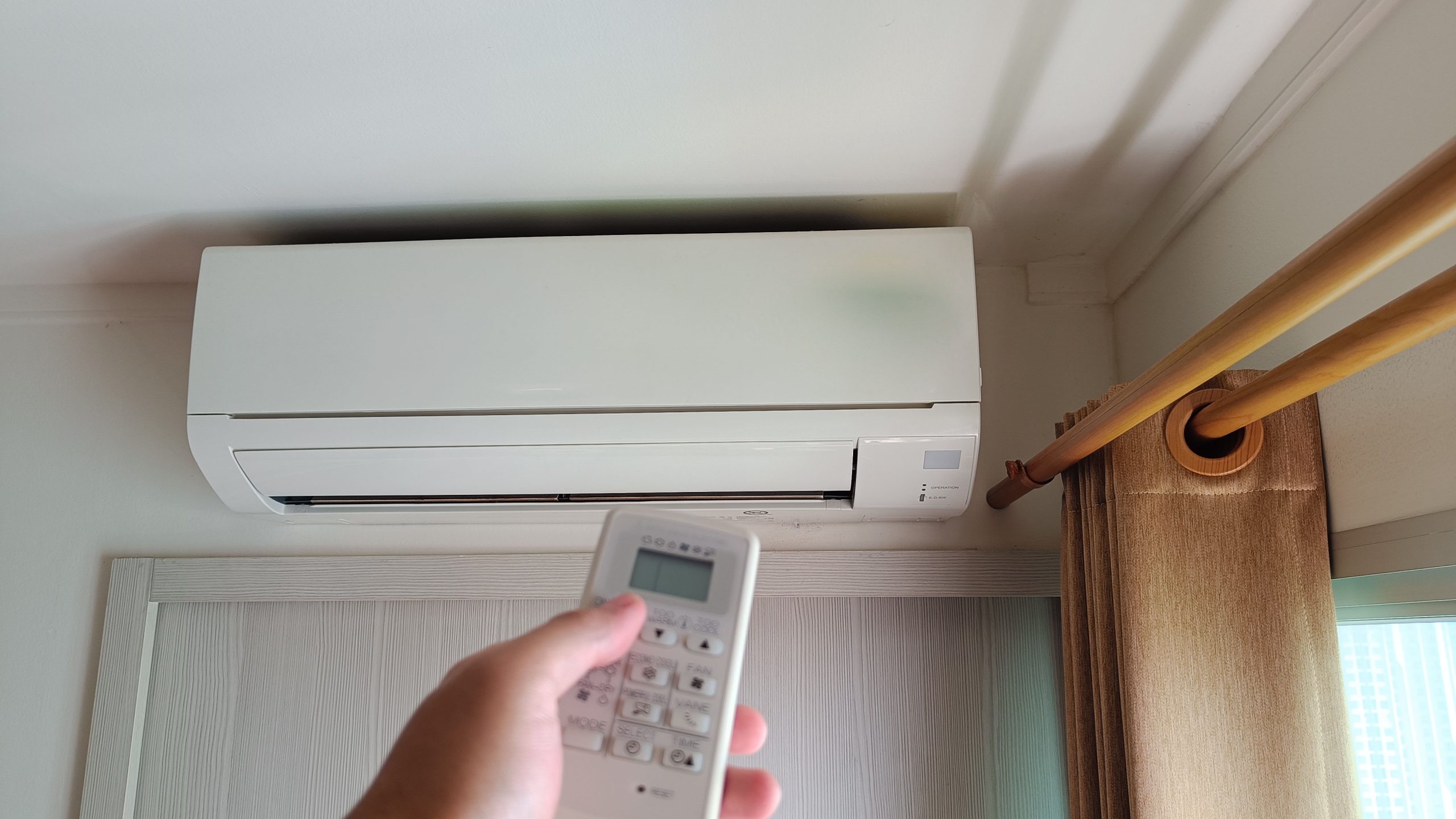
There is nothing more frustrating than setting your thermostat to 72 degrees and still feeling warm air drifting through your home. If your cooling system is running but not delivering comfort, refrigerant could be the hidden problem. Many homeowners in Dadeville do not realize how critical refrigerant is until something goes wrong. And by then, the signs are hard to ignore. Understanding the signs of AC refrigerant leaks can help you act quickly, protect your equipment, and avoid expensive repairs. Let’s walk through what refrigerant does, why problems happen, and how you can spot issues before they turn into major breakdowns.
What Refrigerant Actually Does Inside Your AC
Refrigerant is not just another fluid inside your air conditioner. It is the substance that absorbs heat from inside your home and releases it outdoors. When refrigerant levels are correct, your system cools efficiently. When levels drop, cooling power declines almost immediately.
Your AC may still run, but it will struggle to maintain the temperature. One important fact: refrigerant does not get “used up.” If it is low, there is almost always a leak somewhere in the system.
Why Refrigerant Problems Are Common in Dadeville
High humidity and long cooling seasons put extra strain on AC systems. Over time, vibration, corrosion, or worn components can cause small cracks in refrigerant lines or coils. Even a tiny leak can affect performance.
Older systems are especially vulnerable. However, newer units are not immune if installation or maintenance was not handled properly.
Common AC Refrigerant Leak Signs You Should Not Ignore
1. Warm or Weak Airflow
If your vents are blowing air that feels warmer than usual, refrigerant may be low. Without enough refrigerant, your system cannot absorb heat effectively.
The airflow may still feel strong, but it will not feel cool. That is often the first noticeable warning sign.
2. Longer Cooling Cycles
Does your AC seem to run constantly? When refrigerant levels drop, the system works harder to reach the set temperature.
As a result, it runs longer and more frequently. This increases wear and energy consumption.
3. Ice on Refrigerant Lines or Coils
It may seem surprising, but low refrigerant can cause ice buildup. When pressure drops inside the system, temperatures fall below normal levels.
This can cause condensation to freeze on the evaporator coil or refrigerant lines. If you notice ice, turn the system off and schedule service.
4. Hissing or Bubbling Sounds
Air conditioners should operate quietly. If you hear a hissing sound, it may indicate refrigerant escaping through a small crack.
Bubbling noises can suggest a larger leak. A professional should always inspect these sounds.
5. Higher Energy Bills
An unexplained increase in your electricity bill can signal refrigerant trouble. When your AC struggles to cool, it consumes more power.
Even if your usage habits have not changed, your bill may rise noticeably. That extra cost often reflects declining system efficiency.
6. Poor Humidity Control
Your AC does more than cool the air. It also removes moisture. If your home feels damp or sticky even when the temperature is low, a refrigerant imbalance may be affecting performance.
7. Short Cycling
Short cycling happens when your AC turns on and off rapidly. Low refrigerant can disrupt normal pressure levels inside the system.
This triggers safety controls that shut the unit down prematurely. Frequent cycling increases strain on critical components.
Why Adding Refrigerant Alone Is Not the Solution
Some homeowners assume the answer is simple: add more refrigerant. However, if there is a leak, adding refrigerant only provides temporary relief. The underlying issue remains. Proper repair requires locating the leak, sealing or replacing damaged components, and recharging the system to manufacturer specifications.
A thorough inspection ensures your system operates safely and efficiently long-term.
When to Schedule Professional Service
If you notice any of the warning signs discussed above, do not wait. Running an AC with low refrigerant can damage the compressor. Compressor replacement is one of the most expensive AC repairs. Addressing a leak early can prevent a larger mechanical failure.
In Alabama’s heat, fast action protects both your comfort and your equipment.
Schedule Your AC Service Today!
If your system is not cooling properly, do not ignore the warning signs. Chad’s AC Direct delivers fast, accurate service with complete transparency. From written estimates to detailed parts lists, you will know exactly what to expect.
Call us today and restore reliable comfort to your home.
Frequently Asked Questions
1. What are the most common AC refrigerant leak signs?
You will usually notice something feels “off” before you see anything obvious. The air coming from the vents may feel warm or weak. Your system might run much longer than normal to cool one room. In some cases, you may even see ice forming on the lines outside. Those signs together strongly suggest low refrigerant.
2. Why is my AC running but not cooling my Dadeville home?
If your AC runs nonstop but the house stays warm, refrigerant could be low. The system is trying to remove heat, but it cannot do it efficiently. So it keeps running without reaching the set temperature. That constant operation is a red flag. It means something inside the cooling cycle is not working properly.
3. Can low refrigerant damage my air conditioner?
Yes, and this is where things get expensive. Low refrigerant forces the compressor to work harder than it should. Over time, that stress can cause it to fail. A damaged compressor is one of the most costly AC repairs. Fixing the leak early protects the most important part of your system.
4. How can I confirm if my AC has a refrigerant leak?
You cannot confirm it just by a brief look at the unit. Ice buildup or hissing sounds are strong clues, but they are not final proof. A technician needs to check the system pressure and inspect the lines carefully. That testing shows whether refrigerant levels are truly low. Guesswork is never reliable in this case.
5. Is refrigerant supposed to decrease over time?
No, it should not slowly disappear. Refrigerant stays inside a sealed system and circulates continuously. If the level drops, there is a leak somewhere. It is not like gasoline that gets used up. When it is low, something needs to be repaired.
6. What typically causes refrigerant leaks in Alabama?
In Alabama, humidity plays a big role. Moisture can cause corrosion on coils over time. Years of vibration can also weaken joints and connections. Small cracks eventually form in the lines. That combination of moisture and wear increases the likelihood of leaks.
7. Should I turn off my AC if I suspect a refrigerant issue?
Yes, that is usually the safer move. Letting it run while low on refrigerant can cause freezing and internal strain. The longer it runs, the more damage can occur. Turning it off prevents further stress. Then schedule service as soon as possible.
8. How much does refrigerant leak repair usually cost?
The cost depends on where the leak is located. A small line repair is very different from replacing an evaporator coil. Refrigerant type also affects pricing. That is why a full inspection matters. It gives you an accurate estimate instead of a rough guess.
9. Can refrigerant problems affect indoor comfort beyond temperature?
Yes, you will likely notice changes in humidity, too. When the refrigerant is low, your AC cannot remove moisture properly. The house may feel damp even if it is somewhat cool. That sticky feeling is a clue. Balanced refrigerant levels help control both temperature and humidity.
10. When should I call a professional for refrigerant issues?
Call as soon as you notice consistent cooling problems. Warm air, ice buildup, or strange noises are not minor issues. Waiting usually makes the repair larger and more expensive. Early attention protects your system. It also restores comfort much faster.