
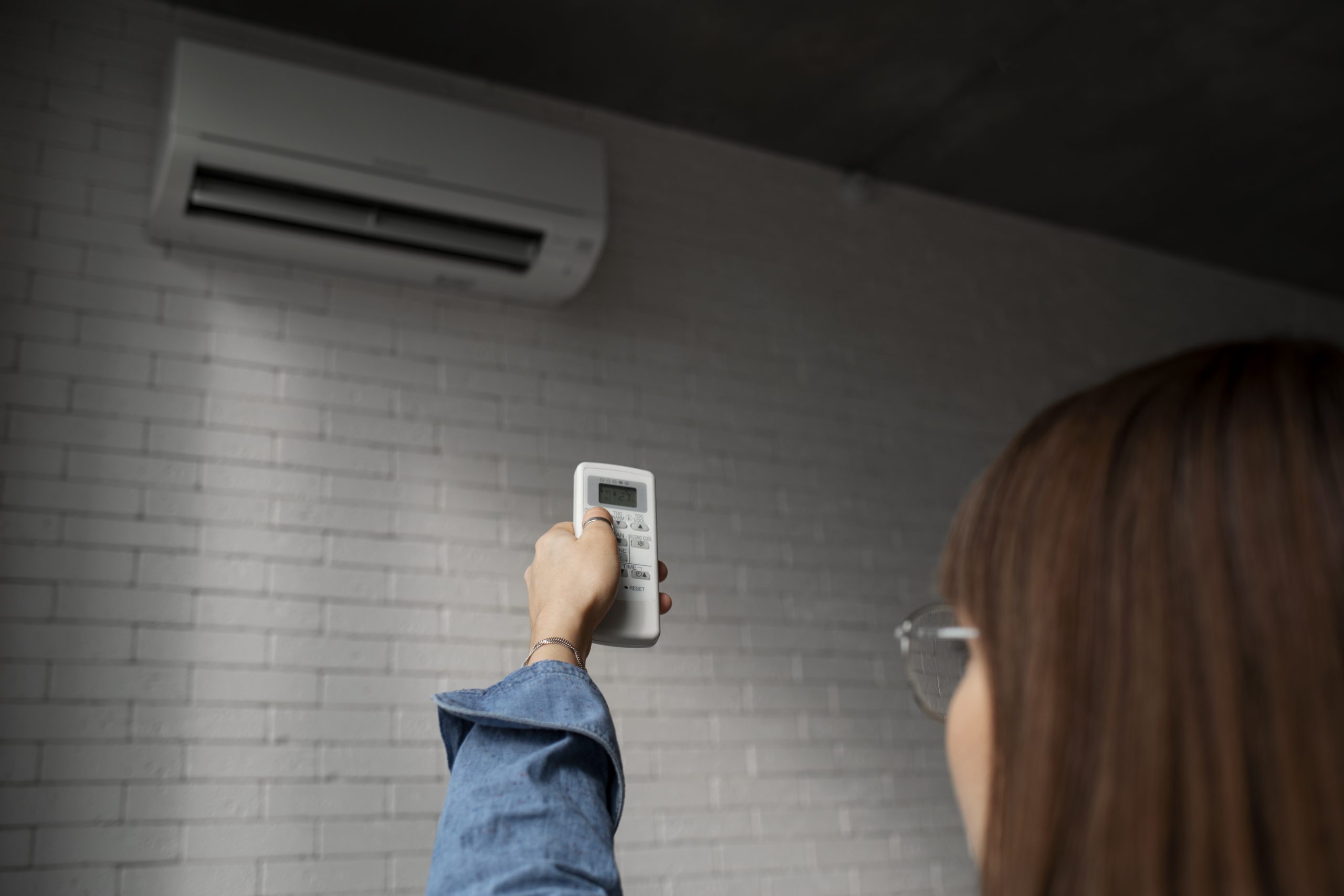
When it comes to cooling your home in Auburn, Alabama, energy efficiency is a necessity. The humid summers and long cooling seasons make it crucial for homeowners to invest in reliable, efficient air conditioning systems. One key factor in determining your system’s performance is its SEER rating. A measure that can influence both your comfort and your energy bills.
At Chad’s AC Direct, we help Auburn homeowners make sense of these ratings so they can choose systems that provide optimal cooling and long-term value.
What Is a SEER Rating?
SEER stands for Seasonal Energy Efficiency Ratio, a standard developed by the U.S. Department of Energy. It measures the cooling output of an air conditioner over a season, divided by the energy it consumes in watt-hours.
In simple terms, a higher SEER rating means greater energy efficiency. The minimum standard in Alabama is 14 SEER, but modern systems often range from 16 to 25 SEER or higher.
A system with a higher SEER rating requires less energy to keep your home cool. That means lower monthly bills and a smaller environmental footprint. A win for both your wallet and the planet!
Why SEER Ratings Matter for Auburn Homeowners?
Auburn’s warm, humid climate puts cooling systems to the test. During the summer, air conditioners run for hours, battling high temperatures and thick humidity. That’s why efficiency is about long-term savings and system longevity.
- Lower Energy Costs: High-efficiency units consume less electricity, cutting your utility bills significantly.
- Consistent Comfort: SEER-rated systems maintain steady indoor temperatures and control humidity better.
- Reduced Wear and Tear: Energy-efficient units experience less strain, extending their service life.
For Auburn homes, where air conditioning runs for much of the year, choosing a higher SEER system can make a noticeable difference.
How SEER Ratings Impact Cooling Performance?
You might think that a higher SEER number automatically means better cooling power, but that’s not always the case. SEER measures efficiency, not capacity.
For example, a 16 SEER unit and a 20 SEER unit might cool a home equally well, but the 20 SEER model does it using less energy. Over time, this efficiency translates into substantial savings, especially for larger homes or properties with heavy cooling demands
Factors That Affect SEER Efficiency in Auburn
Even with a high SEER rating, performance can vary depending on your home’s conditions.
- Insulation Quality – Poor insulation makes your system work harder to maintain comfort.
- Ductwork Condition – Leaky ducts can waste up to 30% of cooled air.
- Thermostat Settings – Smart thermostats can optimize cooling cycles for better efficiency.
- Maintenance Habits – Regular tune-ups keep your system operating at peak performance.
At Chad’s AC Direct, we perform a complete home energy evaluation before recommending new units. That ensures every system we install performs efficiently in Auburn’s climate.
The Role of Technology in Modern SEER Systems
Today’s high-efficiency systems use variable-speed compressors, smart thermostats, and multi-stage cooling to fine-tune comfort and save energy.
- Variable-Speed Compressors: Adjust cooling output based on demand, preventing energy waste.
- Smart Controls: Learn your preferences and optimize operation automatically.
- Noise Reduction: Newer systems run quietly, providing comfort without disruption.
These technologies not only improve SEER ratings but also deliver a smoother, more consistent cooling experience.
"From High Bills to High Efficiency!"
"We moved into our Auburn home last summer and couldn’t believe how high our power bills were," says local resident Mary T. "Chad’s AC Direct helped us understand SEER ratings and installed a 17 SEER system. Our monthly costs dropped by 30%, and the house feels cooler than ever. The process was seamless, and their technicians explained every step."
Stories like Mary’s highlight how choosing the right SEER-rated system can transform your home’s comfort and energy use.
The Cost vs. Value of High SEER Units
It’s true that higher SEER systems come with a higher initial cost. However, those expenses are quickly offset by reduced energy bills and fewer repairs over time.
For example, upgrading from a 14 SEER to an 18 SEER unit could save an Auburn homeowner hundreds of dollars annually in electricity costs. Over the system’s lifespan, those savings can exceed the initial price difference.
How to Choose the Right SEER Rating for Your Home
When selecting a cooling system, consider:
- Your home’s size and layout
- Your family’s comfort preferences
- Your typical energy consumption
- Your budget for long-term savings
A professional consultation ensures the SEER rating you choose aligns with your specific needs. At Chad’s AC Direct, we don’t just sell systems. We design custom comfort solutions tailored for Auburn’s climate!
Maintaining Efficiency Over Time
Even a high-SEER unit can lose efficiency without proper maintenance. That’s why regular seasonal tune-ups are critical.
Our maintenance plans include:
-
Comprehensive system inspections
-
Coil and filter cleaning
-
Refrigerant level checks
-
Ductwork assessments
These proactive steps ensure your investment continues to perform efficiently year after year.
When It’s Time to Upgrade
If your air conditioner is more than 10 to 15 years old, it may be time to upgrade. Older systems often have SEER ratings below today’s minimum standards, leading to wasted energy and higher costs.
By replacing an outdated 10 SEER unit with an 18 SEER system, Auburn homeowners can cut cooling expenses by up to 40%.
Take Control of Your Comfort!
Ready to experience greater comfort, savings, and reliability? Don’t let an inefficient system drain your wallet this summer.
Call Chad’s AC Direct or schedule your free in-home consultation today. Our team proudly serves the Auburn, AL area with expert cooling solutions designed for maximum performance and peace of mind.
Frequently Asked Questions
1. What does SEER mean in Auburn cooling systems?
SEER stands for Seasonal Energy Efficiency Ratio. It measures how efficiently an air conditioner converts electricity into cooling over a season. A higher SEER rating means lower energy consumption and better performance for Auburn’s hot, humid climate.
2. What is a good SEER rating for Auburn homes?
For Auburn homeowners, a SEER rating between 16 and 18 offers the best balance of efficiency and cost. Systems above 18 SEER provide maximum savings but have a higher upfront price. Most homes in Auburn benefit from systems rated 16 SEER or higher.
3. How do SEER ratings affect energy bills?
Higher SEER ratings reduce energy usage, which directly lowers monthly utility bills. Efficient systems use less power to cool your home while maintaining comfort. Over time, homeowners in Auburn can save hundreds each year through improved efficiency.
4. Does a higher SEER rating mean better cooling?
Not necessarily—SEER measures efficiency, not cooling capacity. Two systems can cool equally well, but the one with the higher SEER does so using less energy. This means your home stays comfortable with reduced operating costs.
5. How is SEER rating calculated?
SEER is calculated by dividing total cooling output by total electrical energy used during a cooling season. The higher the ratio, the more efficient the system. It provides a standardized way to compare air conditioners across different models.
6. What are the benefits of high-SEER cooling systems in Auburn?
High-SEER systems reduce power bills, provide more consistent indoor temperatures, and improve humidity control. They also run quieter and last longer due to reduced wear. These benefits make them ideal for Auburn’s long, humid summers.
7. Can upgrading to a higher SEER system save money long-term?
Yes, upgrading to a higher SEER system can significantly reduce long-term costs. Although the initial installation may be higher, energy savings quickly offset the investment. Many Auburn homeowners see noticeable bill reductions within the first year.
8. What affects SEER performance after installation?
Several factors influence ongoing SEER performance, including ductwork quality, insulation, and maintenance habits. Dirty filters or leaky ducts can lower efficiency even in high-SEER systems. Regular maintenance ensures the unit operates at its rated performance.
9. How long does a high-SEER cooling system last?
A well-maintained high-SEER system typically lasts 15 to 20 years. Proper care, seasonal tune-ups, and clean filters extend its lifespan. Auburn homeowners can enjoy years of reliable comfort with regular upkeep.
10. When should Auburn homeowners replace older cooling systems?
If your system is over 10 years old or has a SEER below 14, it may be time to upgrade. Newer systems meet current efficiency standards and deliver lower operating costs. Replacing outdated equipment ensures better comfort and energy savings in Auburn’s hot summers.