Nitrogen Purging and Brazing Explained

Learn the Basics of Nitrogen Purging and Brazing

The blog "Nitrogen Purging and Brazing Explained" presents essential techniques in purge gas control and brazing fundamentals. These methods reduce costly errors and simplify the process of achieving durable, high-performance joints. Industry professionals benefit from reliable insights designed to improve metal-joining results. With foundational knowledge, stronger connections, and fewer system failures become achievable goals.

What Is Brazing?

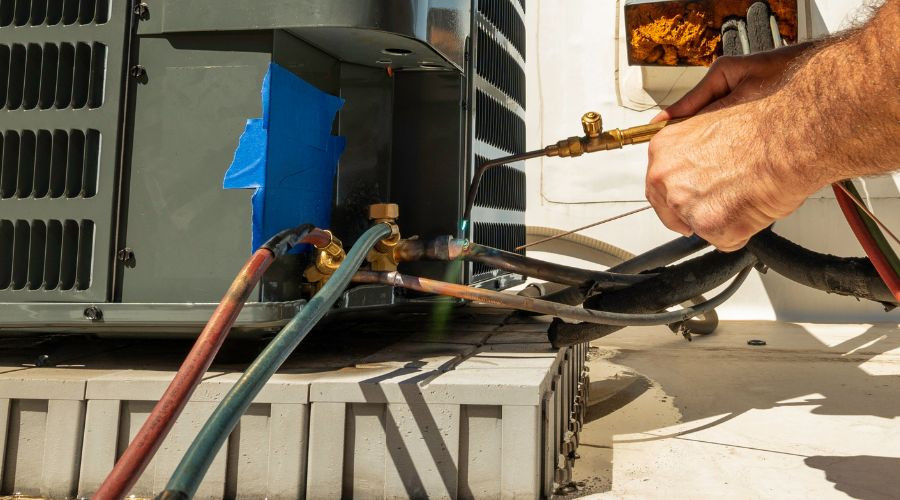
hvac Brazing remains a cornerstone of dependable refrigerant line installation, offering joints that last decades beyond temporary mechanical fixes. This process joins copper tubing using filler metals that melt at temperatures above 840°F. Commonly applied in HVAC installations and repairs, brazing creates metallurgical bonds with superior strength.

The method provides leak-resistant connections able to withstand modern system pressures, often reaching 600 PSI in residential units. Compared to soldering, brazing offers higher thermal tolerance and more reliable sealing. These connections accommodate expansion and contraction from temperature changes, minimizing the risk of long-term micro-leaks. With failure rates under 2% across 15 years, brazing continues to demonstrate unmatched reliability when performed correctly.

What Is Nitrogen Purging?

hvac Nitrogen purging protects the interior of copper piping from oxidation during brazing by introducing dry nitrogen gas. This gas displaces oxygen, which otherwise reacts with heated metal and forms black oxide scale. The resulting oxidation can restrict flow and degrade system performance over time.

Maintaining a nitrogen flow rate between 3–5 CFH during the brazing process ensures the complete removal of oxygen. This step becomes essential in refrigeration lines, where even minor contamination can lead to system failure. Industry data links a significant number of callbacks to the omission of nitrogen purging. Consistent use of this method helps preserve system efficiency and extend component lifespan.

The Importance of Nitrogen Purging and Brazing

Together, nitrogen purging and brazing enable the creation of sealed, pressure-resistant HVAC connections. These practices contribute to long-lasting systems with minimal need for rework or repair. High standards in joint preparation and atmospheric control remain crucial to dependable performance.

Neglecting these procedures increases the risk of oxidation within the piping, weakening joints from the inside. Thermal cycling can then lead to structural fatigue and eventual failure. Studies estimate that poor brazing and insufficient purging contribute to nearly 60% of early system breakdowns. Reliable installation practices offer long-term savings and reduced system downtime.

Call Chad's AC Direct

Chad's AC Direct is a dedicated heating and AC company serving Montgomery County and beyond. They offer personal attention, fast & accurate services, and trusted technicians. Call them for nitrogen purging and brazing services in Montgomery, AL.

Exploring the Benefits of UV Air Sanitizers

Why Get UV Air Sanitizer Installation?

UV air sanitizers serve as an advanced solution for eliminating harmful germs and pollutants within indoor spaces. For households aiming to maintain high air quality, these systems offer clear advantages through germ-killing technology that enhances overall safety. The use of ultraviolet light supports efforts to create a cleaner, healthier environment.

By neutralizing airborne contaminants, UV sanitizers contribute to a sense of peace of mind in spaces where clean air is a priority. The process does not require major changes to existing HVAC systems, making it a convenient upgrade. Improved air quality becomes a long-term benefit with minimal daily upkeep involved.

What Is a UV Air Sanitizer?

A UV air sanitizer relies on ultraviolet light to deactivate microorganisms moving through HVAC ductwork. Positioned inside the air handler or return duct, the device targets air as it flows past the UV lamp. This process damages the DNA of bacteria, viruses, and mold, stopping reproduction and reducing their presence.

Installation typically integrates easily into existing systems. Once operational, the lamp sterilizes air quietly and efficiently while requiring only occasional bulb replacement. Unlike mechanical filters that collect particles, UV systems work at the molecular level to destroy living pathogens.

According to EPA findings, UV-C technology can reduce indoor airborne bacteria by up to 87% in residential settings. Treated air then recirculates throughout the home, enhancing indoor air quality without altering temperature or humidity. These outcomes make the system especially appealing for health-conscious households.

Benefits of Installing a UV Air Sanitizer

save money UV sanitizers improve HVAC functionality by preventing the growth of mold and bacteria on coils and internal components. This helps maintain consistent airflow and better heat exchange, which boosts system efficiency. Cleaner systems typically result in lower energy use and longer equipment life.

Airborne contaminants like dust mites, pet dander, and mold spores are neutralized at the source. This creates a more breathable environment for individuals with asthma or allergies. For households experiencing seasonal or persistent respiratory issues, this added layer of purification brings measurable relief.

Beyond health benefits, improved air quality contributes to overall indoor comfort. With fewer pollutants in circulation, the HVAC system performs dual roles in both climate and cleanliness. The combination of energy savings and reduced maintenance costs strengthens the case for UV integration.

Signs a UV Air Sanitizer Is Needed

mold Recurring respiratory issues despite regular cleaning may indicate the need for enhanced air treatment. Allergies, asthma, and frequent colds often persist due to airborne pathogens that bypass traditional filters. UV sanitizers address this gap by directly targeting microorganisms in the air.

Environments with chronic illness or vulnerable individuals face greater risks from poor air quality. Indoor spaces can hold significantly higher pollutant levels than outdoor areas. UV sanitization addresses this problem by neutralizing bacteria, viruses, and mold spores in circulation.

In cases involving mold, UV systems offer a helpful but partial solution. While effective against airborne spores, they do not resolve moisture conditions that cause mold growth in the first place. Combining UV technology with proper ventilation and moisture control ensures a more comprehensive strategy.

About Chad's AC Direct

Chad's AC Direct is a reliable HVAC company serving Montgomery County and the surrounding areas. They offer same-day service, complete indoor comfort, and trusted technicians. Call them for professional UV air sanitizer installations in Montgomery, AL.

Why You Should Consider a Dehumidifier This Summer

HVAC service team at Chad's AC Direct performing maintenance on home air conditioning unit in Montgomery, AL.

Advantages of Installing a Whole Home Dehumidifier and Signs It’s Needed

For many homeowners, the warm summer months often come paired with uncomfortable humidity, which can lead to many issues, including discomfort, mold growth, and structural damage to the home. Understanding the advantages of a whole-home dehumidifier, along with recognizing the signs that indicate its necessity, is crucial in maintaining a healthy and comfortable living environment.

What Does a Dehumidifier Do?

A dehumidifier is a valuable tool designed to extract excess moisture, significantly enhancing indoor air quality and comfort during high-humidity seasons like summer. Installing a whole-house dehumidifier can provide comprehensive benefits across every room in the home.

A whole home dehumidifier operates by drawing in humid air, removing excessive moisture through refrigeration coils, and then releasing dry air back into the environment. This continuous cycle effectively maintains optimal humidity levels throughout the living space.

During summer, humidity levels naturally rise due to increased temperatures, rainfall, and household activities like cooking and showering. These elements can exacerbate indoor humidity issues, highlighting the importance of investing in a whole-house dehumidifier for continuous comfort and home preservation.

Recognizing the function and necessity of a dehumidifier can help guide homeowners towards improved air quality and sustained home integrity.

Signs the House Needs a Dehumidifier

Mold growth in corner of window frame indicating high indoor humidity levels, highlighting the need for a whole-home dehumidifier to improve air quality and prevent structural damage.Recognizing the symptoms of high humidity within the home is the first step towards deciding on a dehumidifier installation. High humidity not only affects comfort but can also lead to severe problems such as mold growth and structural damage.

  • Clammy or Sticky Feeling: A persistent feeling of clamminess or stickiness despite a moderate temperature setting often indicates high humidity levels.
  • Damp Surfaces: Visible moisture or dampness on floors, walls, or ceilings is a strong signal that indoor humidity levels need to be addressed.
  • Condensation on Windows: Consistent condensation on windows hints at excessive moisture inside the house, suggesting that a dehumidifier may be necessary to balance indoor humidity.
  • Mold Growth: The appearance of mold in various areas of the home, particularly in basements or bathrooms, is a definitive sign that humidity control is needed.
  • Musty Smell: Unpleasant, musty odors often indicate hidden mold growth or excessive moisture in the home, signaling the need for a dehumidification solution.

By identifying these tell-tale signs, homeowners can act swiftly by considering a dehumidifier installation, thus ensuring a healthier home environment.

Benefits of a Dehumidifier

Woman relaxing on a sofa, enjoying improved comfort and indoor air quality, highlighting the benefits of dehumidification in a home environment.The advantages of installing a whole-house dehumidifier extend beyond mere comfort, improving health, home longevity, and overall quality of life.

  • Comfort Improvement: By reducing excess moisture, a dehumidifier makes home environments feel cooler, less sticky, and more comfortable, often reducing reliance on air conditioning.
  • Mold Growth Prevention: Lowering humidity levels minimizes the potential for mold growth, which can cause extensive damage and health issues.
  • Eliminating Musty Odors: Reducing moisture helps eliminate musty odors from mold presence or damp areas, enhancing livability.
  • Healthy Living Environment: A dehumidifier reduces moisture that supports dust mites, mold, and other allergens, improving indoor air quality and reducing allergy and asthma symptoms.
  • Home Preservation: Controlling humidity levels can prevent wood rot, paint chipping, and the warping of floors, increasing a home's longevity and reducing maintenance costs.

The multi-faceted benefits of a whole-house dehumidifier make it a worthy investment for any homeowner experiencing high humidity, ensuring a more comfortable, healthy, and preserved home environment.

About Chad's AC Direct

Chad's AC Direct is a dedicated heating and air conditioning service contractor serving Montgomery County and the surrounding areas. They provide upfront written estimates and job details before any work ever begins. Call them for dehumidifier services in Montgomery, AL.

Distribution Links +

Why You Should Consider Replacing Your AC Unit

HVAC service image showing Chad's AC Direct team performing maintenance on a cooling system in Montgomery, AL homes.

How to Know When AC Replacement May Be Needed

Maintaining a comfortable home environment largely depends on a well-functioning air conditioning system. Often, homeowners face the dilemma of choosing between frequent AC repairs and a complete air conditioner replacement. For efficient decision-making, it is crucial to understand the warning signs that indicate when an air conditioning replacement is necessary. Identifying these signs early can avoid unnecessary expenses and potential discomfort resulting from a faulty AC system.

Old Age

Old air conditioning unit showing signs of wear and tear, indicating potential need for replacement in home HVAC systems.Age is often a determining factor in deciding whether to pursue an air conditioner replacement, as most AC systems are designed to last between 10 and 20 years. Once an air conditioning system has crossed the 10-year milestone, wear and tear are expected. When an air conditioner fails to deliver the comfort it previously did or requires frequent air conditioning repair, it’s time to consider a new system.

Older units may use refrigerants like R-22, which can be less environmentally friendly. Opting for a more modern, eco-friendly air conditioner can decrease one's carbon footprint and may align with standards for air conditioner installation.

Moreover, air conditioning technology has advanced significantly over time, offering not only improved energy efficiency but also enhanced smart features for better regulation of home environments.

When age combines with other factors of disrepair or inefficiency, initiating a dialogue with a professional about air conditioning installation for a new unit is beneficial.

Frequent Repairs

Technician performing air conditioning repair with a torch on a compressor, illustrating the need for frequent repairs in aging HVAC systems.When an aging air conditioner demands regular repairs, this signals it might be time for air conditioning replacement. It's unsustainable to continually pour money into an old unit with no end of repairs in sight.

If the same issue reappears despite multiple AC repairs, this likely points to a deeper mechanical issue not feasible to fix over the long term.

Frequent repairs also mean experiencing unpredictable breakdowns, leading to uncomfortable periods without air conditioning. A new air conditioner installation before peak seasons like summer can ensure continuous comfort.

When frequent repairs deplete both time and resources, a proactive approach is to invest in an AC replacement to avoid constant inconvenience.

High Energy Bills

Sudden spikes in energy costs can often indicate inefficiencies within the air conditioning system, signaling the necessity for an AC replacement. The most common efficiency faults are attributed to neglected air conditioner maintenance and outdated technology.

With age, air conditioning systems naturally lose efficiency, leading older units to consume more energy than newer, high-efficiency models. Efficient air conditioning replacement can significantly reduce home energy expenses.

Sometimes, inefficient air conditioning is due to poor upkeep or unresolved repair issues. Yet, even well-maintained units, if vintage or obsolete, consume more power, suggesting that an air conditioning installation of a newer model is more economical.

By conducting an energy audit, one can determine whether high bills are due to the AC unit itself or other factors. If an audit reveals the air conditioner as the problem, moving forward with an AC replacement can lead to notable energy savings.

Persistently high utility bills should prompt assessment from a professional, who can recommend a suitable air conditioner replacement strategy.

About Chad's AC Direct

Chad's AC Direct is a reliable HVAC contractor serving Montgomery, AL, and beyond. They offer same-day service, personal attention, and trusted technicians. Call them for AC installation services in Montgomery, AL.

Maintain Air Conditioners This Spring to Prepare for Summer

maintain air conditioners this spring to prepare for summer

Benefits of Annual AC Maintenance

Maintain the air conditioner this spring to prepare it for summer and avoid unexpected breakdowns during heat waves. Sweltering days caused by AC failures become a thing of the past with proven maintenance strategies and energy-saving adjustments. Practical steps improve system longevity and help reduce cooling costs, setting the stage for a cool, stress-free summer. Even small changes can deliver noticeable results.

Energy Efficiency

Air conditioning filter showing accumulated dust and debris, emphasizing the importance of regular maintenance for energy efficiency and cooling performance.Professional air conditioner maintenance in spring maximizes energy efficiency before summer heat arrives. A comprehensive system tune-up by HVAC technicians enhances cooling performance by cleaning vital components, adjusting refrigerant levels, and calibrating system settings that impact energy usage. Fine-tuned operation yields better output while consuming less power.

Energy savings from professional service are both immediate and measurable. According to the Department of Energy, a well-maintained system uses 15–20% less energy than one that receives little or no upkeep. Lower electricity consumption during the summer months translates directly into reduced utility expenses. AC maintenance costs are often offset by seasonal savings alone.

Air filter maintenance plays a key role in system efficiency. Dirty or clogged filters force the AC to work harder, consuming more energy while delivering weaker performance. Regular filter replacements every 1–3 months help maintain steady airflow and prevent this avoidable strain. High-efficiency filters can further enhance results by capturing more airborne particles without sacrificing air circulation. Clean filters support smoother system operation.

More Reliable With Fewer Repairs

Air conditioning unit being serviced, highlighting maintenance work on electrical connections and refrigerant lines, emphasizing the importance of professional AC upkeep for reliability and efficiency.Scheduling professional AC maintenance in spring increases system reliability throughout the summer. Preventive care detects and addresses small issues before they escalate into major repairs. With milder weather, service technicians can inspect worn parts, check refrigerant levels, and tighten electrical connections without urgency.

This proactive approach helps avoid inconvenient and costly summer breakdowns, especially when repair demand and costs surge. According to HomeAdvisor, emergency AC repairs often range between $300–$500, while annual preventive maintenance typically costs $75–$200. The savings can be substantial, particularly when avoiding price hikes and limited part availability during peak season.

In addition to reducing breakdown risk, a well-maintained system runs more efficiently. Proper calibration and cleanliness ensure steady cooling performance with lower energy usage. According to ENERGY STAR, regular maintenance may reduce cooling costs by up to 15%. Less wear and tear on major components like motors and compressors also increases system durability and extends functional life.

Longer Lifespan

Routine air conditioner maintenance significantly increases equipment lifespan. HVAC professionals estimate that systems receiving regular service can last 15–20 years, while units without maintenance often fail after only 8–10 years. Maintenance creates a ripple effect of energy efficiency, lowering mechanical stress and extending usable life.

Seasonal checkups prevent minor issues from developing into major system failures. Dust-covered coils increase compressor workload, while gradual refrigerant loss reduces overall efficiency. According to ENERGY STAR, neglected issues may cut efficiency by as much as 5% annually. Over time, this inefficiency results in higher energy bills and accelerates the need for replacement.

Financial analysis favors consistent maintenance over early replacement. A spring tune-up usually costs $80–$150, compared to a full system replacement that can range from $3,000 to $7,000 based on system size and requirements. Preventive maintenance not only delays expensive replacements but also ensures better comfort and lower monthly costs. Thoughtful upkeep eliminates problems before they begin.

About Chad's AC Direct

Chad's AC Direct is an HVAC contractor in Montgomery County and the surrounding areas. They offer great value service, personal attention, and trusted technicians. Call them for air conditioning maintenance in Montgomery, AL.