
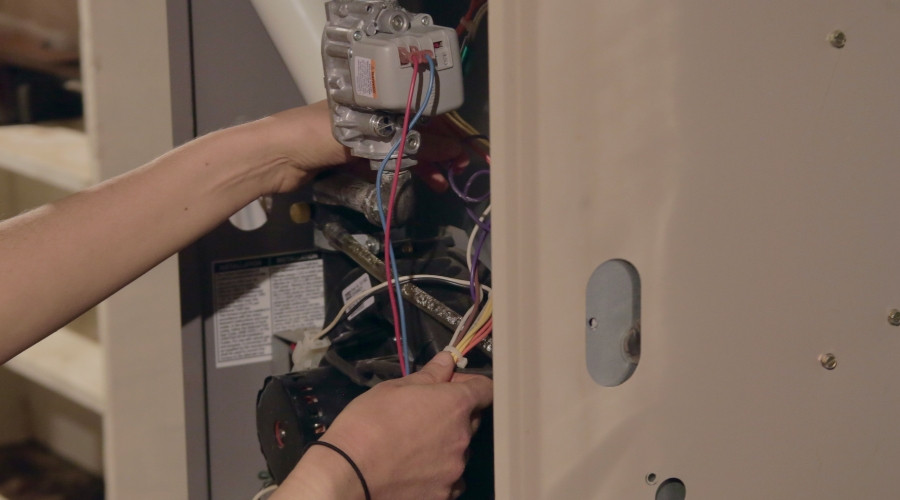
When to Replace a Heater and Possible Alternatives
Wondering if it’s time to replace the heater before another season of high costs and uneven warmth? Recurring repairs, noisy operation, and inconsistent temperatures often signal a system nearing the end of dependable service. This guide helps identify the most telling warning signs from an aging furnace or heat pump and explores modern, efficient options that restore consistent comfort.
Signs Heater Replacement Is Needed
 A heating system usually sends signals well before a complete failure. Age combined with frequent service calls can indicate that heater replacement or wider heating system replacement is more practical than ongoing patchwork. When repair expenses begin to approach the cost of new equipment, it often becomes wise to consider an upgrade rather than continued heating repair.
Other red flags include rising utility costs, particularly when usage habits have not changed. Uneven heating—rooms that remain cool while others feel overly warm—often points to airflow or capacity concerns that an older furnace or heat pump can no longer overcome. Persistent noises such as banging, rattling, or squealing suggest components are wearing down and may soon require major work. Short cycling or excessively long run times without improved comfort can also mean that control, airflow, or output is slipping. Taken together, these signs make a strong case for evaluating furnace replacement, heat pump replacement, or a full heating system replacement to regain reliability and efficiency.
Furnace Installation
Furnace installation remains a trusted approach to whole-home comfort, delivering steady warm air through ductwork. A furnace can be powered by electricity or fuel and is known for strong, consistent output—especially valuable during colder stretches. For households facing repeated mid-season breakdowns, a properly sized furnace offers a straightforward path to dependable performance.
Another benefit is long-term value. With appropriate care, a quality furnace can serve reliably for many years, making furnace replacement a strategic way to reset comfort and simplify maintenance. Modern controls help reduce temperature swings and limit unnecessary cycling, supporting more efficient operation. When an older heater no longer meets expectations, upgrading to a new furnace aligns airflow, capacity, and controls with current needs, improving comfort while reducing the likelihood of repeated service visits.
Selecting the right system involves matching equipment to the space and duct design, then completing a precise installation. A well-executed furnace installation maximizes performance from day one and helps protect the investment over time.
Heat Pump Installation
 A heat pump installation provides a two-in-one solution by handling both heating and cooling within a single system. Instead of creating heat through combustion, a heat pump transfers heat indoors during colder weather and reverses the process for cooling in warmer months. This consolidation streamlines equipment needs and can support smoother, more even temperatures throughout the year.
Variable-speed components and advanced controls available on many systems help a heat pump adjust output to match demand, reducing abrupt starts and stops. In many homes, this results in quieter performance and a more consistent indoor feel. When an existing unit struggles to keep up or requires frequent attention, heat pump replacement can refresh both sides of the comfort equation—heating and cooling—at once.
When planning heating system replacement, integrating a heat pump with existing ducts or choosing an alternative configuration depends on layout, climate, and comfort goals. A carefully selected heat pump, paired with professional setup, becomes a versatile, efficient choice for year-round comfort.
About Chad's AC Direct
Chad's AC Direct provides comprehensive, reliable HVAC services from trusted technicians in Montgomery and the neighboring communities. They offer fast, accurate service and expert installations, so call them today for furnace installation in Montgomery, AL.
)
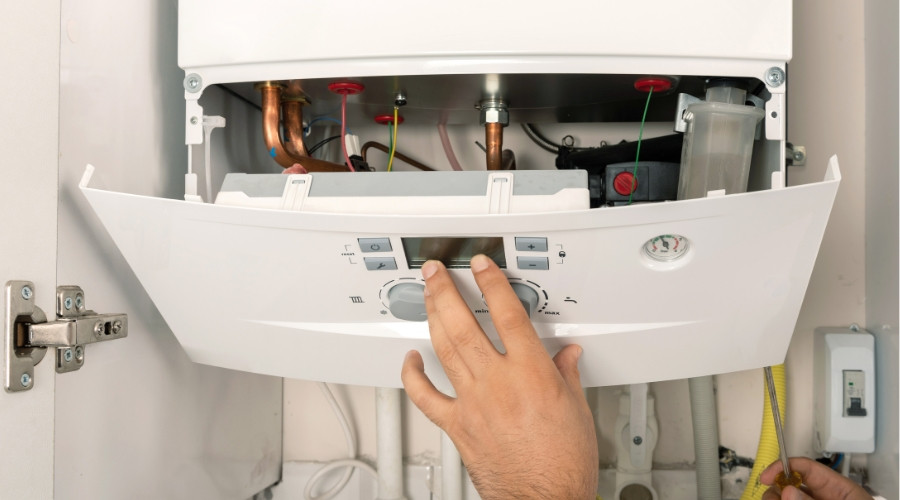
 Heating systems often provide early indications of potential failures before they occur. Water around the base of a boiler is a clear signal to investigate, as leaks can stem from valves, fittings, or seals that require attention. Persistent moisture may also indicate pressure-related issues that a professional should assess to prevent further damage.
 Consistent care is the foundation of dependable heat. Routine boiler maintenance typically includes cleaning the burner and
 )
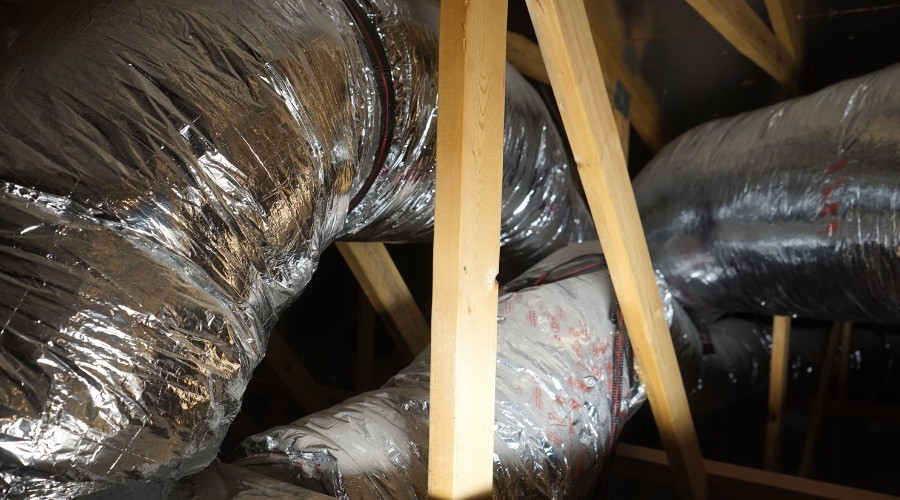
 Damaged or aging ductwork can undermine heating and cooling performance long before a full failure becomes obvious. One early clue is unusual dust behavior. Excessive dust settling soon after cleaning or visible puffs from supply registers at startup can indicate air leaks that draw debris from attics, crawlspaces, or wall cavities. Those leaks allow unfiltered air to enter the air duct network and recirculate through living areas, signaling that air duct repair or broader ductwork repair may be necessary.
 Regular care of the air duct system protects both comfort and HVAC performance. Air duct maintenance helps keep connections tight, insulation intact, and airflow unobstructed. Without periodic attention, dust, pet dander, and other particles can accumulate inside ductwork, where they settle on surfaces and can be released back into occupied spaces each time the blower operates. This buildup can also narrow passages, elevate static pressure, and reduce delivered airflow.
)

 Consistent heater maintenance offers meaningful gains in performance and reliability. Cleaning internal components, verifying controls, and tightening connections allow equipment to deliver heat without unnecessary strain. With airflow restored and parts operating smoothly, a furnace typically runs quieter and more efficiently, which supports predictable monthly expenses.
 A thorough visit typically combines inspection, cleaning, adjustments, and performance checks tailored to the specific system. Common tasks include:
)
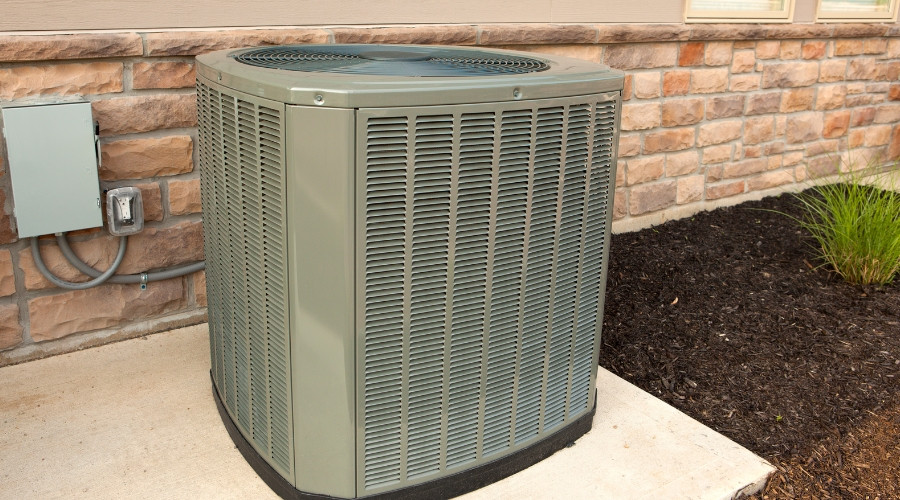
 A clogged air filter restricts airflow, forcing equipment to work harder and longer to move air across the evaporator coil. When an air filter or AC filter becomes packed with dust, pet hair, and debris, circulation drops, and the blower experiences added strain. In severe cases, the evaporator coil can ice over, further limiting heat transfer and extending runtimes.
 Dirty evaporator or condenser coils are common reasons for sluggish cooling. Dust and film act like insulation on coil surfaces, slowing heat exchange and pushing the unit into longer cycles just to maintain set temperatures. A careful cleaning—performed to avoid bending delicate fins—restores thermal performance and helps supply air feel cooler and more consistent.
)