Signs Indicating a Heater Needs Repair

When to Call for Heater Repair

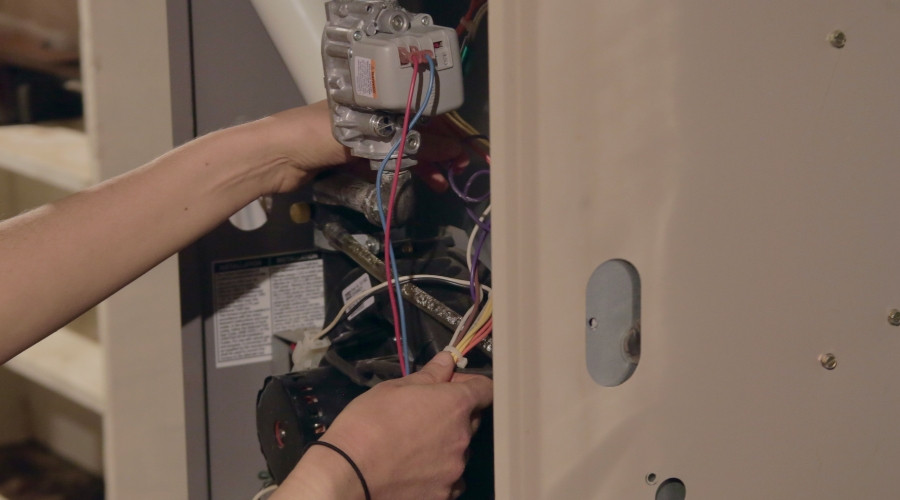
A sudden chill indoors often signals that a heater or broader heating system needs attention. Ignoring early clues—like unfamiliar noises, inconsistent temperatures, or a rising utility bill—can allow small problems to grow into major failures. Identifying symptoms early enables timely heating repair that restores dependable performance, helps control costs, and keeps equipment operating efficiently. This guide highlights the most common indicators, explains what they mean for efficiency and safety, and shares how prompt heater repair and heating maintenance can prevent bigger issues. 

High Utility Bills

bills An unexpected surge in an energy bill often points to declining efficiency within a heating system. When filters are clogged, sensors drift out of calibration, or motors begin to weaken, equipment tends to run longer and harder to reach normal temperatures—wasting energy and inflating costs. Heater repair can pinpoint the source of the inefficiency and return operation to a more efficient baseline.

Common contributors include restricted airflow from dirty filters, malfunctioning thermostats that call for heat longer than necessary, and aging blower motors that draw extra electricity while moving less air. Duct leaks and deteriorated seals can also let heated air escape, increasing run time without improving comfort. A careful inspection, followed by targeted heating repair, can tighten up performance and stabilize the utility bill. Pairing repairs with routine heating maintenance—filter changes, airflow checks, and system calibration—helps preserve efficiency over the rest of the season and reduces the chance of sudden breakdowns.

Unusual Sounds or Smells

Odd noises and lingering odors are frequent early warnings that a heater needs repair. Banging or clanging can indicate loose panels or mounting hardware, while squealing or grinding often points to belt, bearing, or motor concerns. A persistent whistling may signal airflow restrictions from a clogged filter or partially closed vent, which undermines efficient operation.

Unusual smells deserve quick attention as well. A sharp, electrical or hot-plastic odor can suggest overheating components or wiring issues. Musty or earthy smells sometimes indicate moisture or microbial growth within the air handler or ducts, affecting both air quality and efficiency. Fuel or combustion-related odors should be treated as urgent and evaluated by a qualified professional. Addressing these signals promptly limits wear on critical parts, helps the system run more efficiently, and reduces the risk of an unplanned outage during colder weather. Incorporating periodic heating maintenance can also prevent many noise and odor issues before they start.

Insufficient Heating

cold When rooms remain cool despite long run times, the heating system may be struggling to deliver adequate warmth. Cold spots, frequent thermostat adjustments, and airflow that feels weaker than usual are common indicators that heater repair is needed. These symptoms not only reduce comfort but also push energy consumption higher, which shows up on the utility bill.

Several issues can cause underperformance. Miscalibrated thermostats may shut equipment off too early or keep it running without improving comfort. Dirty filters limit airflow through the heat exchanger, while worn burners or heating elements reduce output. Duct leaks allow warm air to escape before reaching occupied areas, creating temperature imbalances from room to room. A professional assessment can determine whether the fix is as simple as a filter change, duct sealing, or thermostat recalibration—or if component replacement is necessary. Following repairs with regular heating maintenance helps maintain efficient operation and extends equipment life.

About Chad's AC Direct

Chad's AC Direct is a leading HVAC contractor providing personal attention and service at great value in Montgomery and the neighboring communities. Call today to schedule same-day heater repair service in Montgomery, AL.

Distribution Links +

Signs It's Time to Replace the Heater and Some Options to Consider

When to Replace a Heater and Possible Alternatives

Wondering if it’s time to replace the heater before another season of high costs and uneven warmth? Recurring repairs, noisy operation, and inconsistent temperatures often signal a system nearing the end of dependable service. This guide helps identify the most telling warning signs from an aging furnace or heat pump and explores modern, efficient options that restore consistent comfort. 

Signs Heater Replacement Is Needed

cold A heating system usually sends signals well before a complete failure. Age combined with frequent service calls can indicate that heater replacement or wider heating system replacement is more practical than ongoing patchwork. When repair expenses begin to approach the cost of new equipment, it often becomes wise to consider an upgrade rather than continued heating repair.

Other red flags include rising utility costs, particularly when usage habits have not changed. Uneven heating—rooms that remain cool while others feel overly warm—often points to airflow or capacity concerns that an older furnace or heat pump can no longer overcome. Persistent noises such as banging, rattling, or squealing suggest components are wearing down and may soon require major work. Short cycling or excessively long run times without improved comfort can also mean that control, airflow, or output is slipping. Taken together, these signs make a strong case for evaluating furnace replacement, heat pump replacement, or a full heating system replacement to regain reliability and efficiency.

Furnace Installation

Furnace installation remains a trusted approach to whole-home comfort, delivering steady warm air through ductwork. A furnace can be powered by electricity or fuel and is known for strong, consistent output—especially valuable during colder stretches. For households facing repeated mid-season breakdowns, a properly sized furnace offers a straightforward path to dependable performance.

Another benefit is long-term value. With appropriate care, a quality furnace can serve reliably for many years, making furnace replacement a strategic way to reset comfort and simplify maintenance. Modern controls help reduce temperature swings and limit unnecessary cycling, supporting more efficient operation. When an older heater no longer meets expectations, upgrading to a new furnace aligns airflow, capacity, and controls with current needs, improving comfort while reducing the likelihood of repeated service visits.

Selecting the right system involves matching equipment to the space and duct design, then completing a precise installation. A well-executed furnace installation maximizes performance from day one and helps protect the investment over time.

Heat Pump Installation

heat pump A heat pump installation provides a two-in-one solution by handling both heating and cooling within a single system. Instead of creating heat through combustion, a heat pump transfers heat indoors during colder weather and reverses the process for cooling in warmer months. This consolidation streamlines equipment needs and can support smoother, more even temperatures throughout the year.

Variable-speed components and advanced controls available on many systems help a heat pump adjust output to match demand, reducing abrupt starts and stops. In many homes, this results in quieter performance and a more consistent indoor feel. When an existing unit struggles to keep up or requires frequent attention, heat pump replacement can refresh both sides of the comfort equation—heating and cooling—at once.

When planning heating system replacement, integrating a heat pump with existing ducts or choosing an alternative configuration depends on layout, climate, and comfort goals. A carefully selected heat pump, paired with professional setup, becomes a versatile, efficient choice for year-round comfort.

About Chad's AC Direct

Chad's AC Direct provides comprehensive, reliable HVAC services from trusted technicians in Montgomery and the neighboring communities. They offer fast, accurate service and expert installations, so call them today for furnace installation in Montgomery, AL.

Distribution Links +

Boiler Know-How: A Smart, Simple Guide

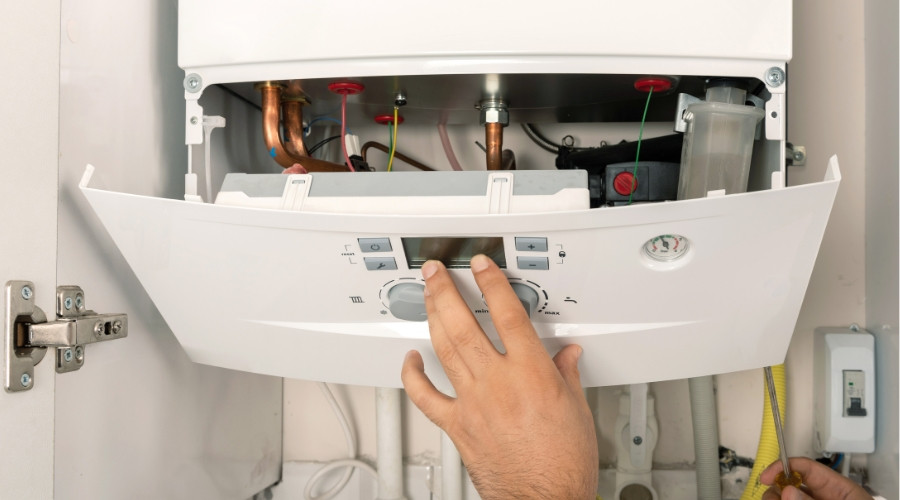
Hand adjusting settings on a modern boiler control panel, illustrating boiler maintenance and efficiency in home heating systems.

Boiler Basics to Help Keep a Home Warm and Efficient

Choosing the right boiler can be a complex decision, especially when comfort, cost, and long-term reliability are all factors to consider. This guide explains how a boiler heating system works, what drives efficiency, and which signs indicate the need for boiler repair versus replacement. It also outlines where professional boiler installation fits in and how routine boiler maintenance supports dependable performance. In short, the overview covers fundamentals, warning signs, and practical steps to maintain steady heat throughout the season.

What Is a Boiler?

A boiler is a closed vessel that heats water or produces steam, sending warmth through radiators, baseboards, or radiant floors. Unlike forced‑air equipment, a boiler heating system relies on hydronic circulation, delivering even, draft‑free comfort. Many households value the quiet operation and reduced dust movement that come with water‑based distribution, as large volumes of air are not pushed through ducts during typical heating cycles.

Flexibility is a major advantage. Boilers can be configured for natural gas, propane, oil, or electric applications, and can integrate with zoning controls to tailor temperatures by area. When equipment is correctly sized and paired with a thoughtful piping and control strategy, efficiency and comfort improve together. Professional boiler installation is crucial—proper venting, pump selection, expansion control, and safe flue design all contribute to reliable operation from day one.

Over time, wear and changing needs may prompt decisions about upgrades. Suppose performance concerns or rising operating costs persist. In that case, a comparison between targeted boiler repair and a planned boiler replacement can clarify the most cost‑effective path forward, balancing efficiency goals with service history and remaining lifespan.

Signs That Boiler Repair Is Needed

sounds Heating systems often provide early indications of potential failures before they occur. Water around the base of a boiler is a clear signal to investigate, as leaks can stem from valves, fittings, or seals that require attention. Persistent moisture may also indicate pressure-related issues that a professional should assess to prevent further damage.

Changes in performance are another indicator. Longer warm‑up times for radiators or baseboards, uneven temperatures from room to room, or frequent resets suggest circulation or control problems. Unusual noises—banging, whistling, or gurgling—commonly align with air in the lines, mineral buildup, or pump concerns. Visible flame irregularities on gas‑fired equipment and recurring error codes on controls are additional signs that boiler repair should be scheduled.

A steady increase in energy use without another explanation can also highlight declining efficiency. When the same issues return despite prior service, a broader evaluation is wise. At that point, a qualified technician can advise whether strategic boiler repair will restore stability or whether a boiler replacement would better meet reliability and efficiency expectations over the long term. Ongoing boiler maintenance helps reduce the frequency of these problems and keeps components operating within design limits.

How to Keep a Boiler Efficient

boiler Consistent care is the foundation of dependable heat. Routine boiler maintenance typically includes cleaning the burner and heat exchanger, checking electrical connections, confirming safe venting, testing pressure and temperature controls, and verifying expansion tank function. Attention to circulators, zone valves, and air separators helps maintain healthy flow, which directly supports efficiency and comfort.

Simple habits contribute as well. Bleeding radiators to remove trapped air promotes even heat distribution, while monitoring system pressure helps catch small issues early. Water quality management—such as scale and corrosion control, where recommended—protects internal passages and preserves heat‑transfer surfaces. Insulating accessible hot‑water piping and balancing zones can further reduce losses and smooth temperature swings.

When equipment age and repair history begin to work against reliability, planning a boiler replacement can reset performance and improve efficiency with modern controls and components. A quality boiler installation establishes the right foundation—correct sizing, proper venting, and a well‑designed distribution layout—so the system runs as intended. With ongoing boiler maintenance, most systems deliver steady, efficient heat across many seasons, and timely boiler repair keeps minor concerns from becoming larger issues.

About Chad's AC Direct

Chad's AC Direct is a reputable HVAC contractor that provides personal attention from trusted technicians in Montgomery and the surrounding areas. Call them today for competitive pricing, peace of mind, and same-day boiler service in Montgomery, AL.

Distribution Links +

A Guide to Ductwork and When the Ducts Need Service

When Do the Air Ducts Need Professional Attention?

Ductwork is the hidden highway of an HVAC system, and small issues inside those passages can quietly raise costs and reduce comfort. This guide explains common signs that indicate the need for ductwork repair or air duct repair, the importance of ongoing air duct maintenance and cleaning, and factors that influence the timeline for ductwork replacement or air duct replacement. The overview also highlights how air duct cleaning and ductwork cleaning support indoor air quality and system efficiency across the seasons.

Signs Ductwork Repair Is Needed

dust Damaged or aging ductwork can undermine heating and cooling performance long before a full failure becomes obvious. One early clue is unusual dust behavior. Excessive dust settling soon after cleaning or visible puffs from supply registers at startup can indicate air leaks that draw debris from attics, crawlspaces, or wall cavities. Those leaks allow unfiltered air to enter the air duct network and recirculate through living areas, signaling that air duct repair or broader ductwork repair may be necessary.

Comfort inconsistencies are another warning sign. Rooms that feel stuffy while others remain cool, or vents with noticeably weak airflow, often point to crushed runs, disconnected joints, or blockages. These restrictions force equipment to work harder while delivering less conditioned air, increasing wear on the system, and degrading efficiency. Whistling, rattling, or banging noises from the air duct system can further indicate loose fasteners, gaps at seams, or objects lodged inside the ducts that require attention.

Unexplained increases in utility costs, longer system run times, or frequent temperature fluctuations can all indicate that the ductwork is not sealing or distributing air as intended. Over time, even minor leaks compound losses. A prompt inspection focused on sealing, insulation, and correct sizing can restore balanced airflow. When leaks, damage, or undersized sections are widespread, targeted ductwork repair in key areas—paired with follow‑up testing—helps confirm that the air path is performing as designed.

The Importance of Air Duct Maintenance and Cleaning

air duct Regular care of the air duct system protects both comfort and HVAC performance. Air duct maintenance helps keep connections tight, insulation intact, and airflow unobstructed. Without periodic attention, dust, pet dander, and other particles can accumulate inside ductwork, where they settle on surfaces and can be released back into occupied spaces each time the blower operates. This buildup can also narrow passages, elevate static pressure, and reduce delivered airflow.

Professional air duct cleaning and ductwork cleaning use specialized equipment to dislodge and remove accumulated debris throughout the system. During the same visit, many providers also evaluate accessible joints and seams, identify gaps that waste conditioned air, and recommend sealing strategies. Fixing leakage reduces energy loss while improving delivery to distant rooms, and cleaning supply and return paths allows the system to move air with less effort.

Maintenance does not stop with cleaning. A comprehensive program can include verifying filter access and fitment, checking for crushed or kinked flexible ducts, confirming that dampers are set correctly, and inspecting external insulation for damage. In homes with recent remodeling or pest activity, an additional check helps ensure that the air duct layout remains intact and unobstructed. When paired with routine filter changes and scheduled HVAC service, this level of air duct maintenance supports cleaner airflow, quieter operation, and steadier temperatures across zones.

How Long Does Ductwork Last?

Ductwork longevity depends on materials, installation quality, environmental conditions, and ongoing care. Metal ducts typically offer durable performance, while flexible ducts provide convenience but require careful routing and protection from compression. Regardless of material, correct installation practices—secure hangers, sealed joints, smooth transitions, and appropriate insulation—set the foundation for long service life. Systems installed without those fundamentals are more likely to develop leaks, noise, and airflow imbalances that shorten useful life.

Routine evaluation is important as a system ages. Signs that suggest planning for ductwork replacement include extensive air leaks across multiple runs, widespread insulation damage, recurring condensation issues, or a layout that no longer supports the current HVAC equipment. In those cases, air duct replacement can address chronic losses and allow a redesigned layout with improved balance, better returns, and updated materials. When issues are limited to specific sections, targeted air duct repair or localized ductwork repair may resolve concerns without a full replacement.

Preventive measures help extend service life. Periodic air duct cleaning after major construction, sealing and insulating accessible joints, and ensuring that storage items do not compress or obstruct runs, all support consistent performance. Regular inspections tied to seasonal HVAC service make it easier to catch small problems before they spread. With thoughtful maintenance and timely repairs, many systems operate reliably for years; when replacement is warranted, a well‑planned redesign can improve airflow, comfort, and system efficiency going forward.

About Chad's AC Direct

Chad's AC Direct is a top-rated heating and air conditioning company offering mess-free work from knowledgeable technicians in the Montgomery community and surrounding areas. Call them today for written estimates and cost savings on air duct cleaning and repairs in Montgomery, AL.

Distribution Links +

Why Fall Is the Best Time for Heating System Service

Technician inspecting heating system components with a multimeter, emphasizing the importance of fall maintenance for reliable performance and efficiency.

Get Heating Systems Ready for Colder Weather With Maintenance

Scheduling fall heater maintenance is a practical way to reduce mid-season surprises and keep indoor comfort steady. A professional tune-up prepares equipment for heavier winter workloads, supports safe operation, and helps control operating costs when temperatures drop. By addressing small issues early through heating maintenance, systems are positioned to perform reliably from the first chilly evening onward.

Benefits of Maintaining the Heater

save money Consistent heater maintenance offers meaningful gains in performance and reliability. Cleaning internal components, verifying controls, and tightening connections allow equipment to deliver heat without unnecessary strain. With airflow restored and parts operating smoothly, a furnace typically runs quieter and more efficiently, which supports predictable monthly expenses.

Preventive attention during heating system maintenance also reduces the chance of urgent repairs. Early signs of wear—such as weak igniters, loose wiring, worn belts, or partially blocked burners—can be corrected before they interrupt service. Taking care of these items in the shoulder season helps avoid inconvenient outages during the coldest stretches.

Regular furnace maintenance contributes to longer service life. Clean burners, clear venting, and properly lubricated parts reduce stress on motors, sensors, and the heat exchanger. Many households notice more even temperatures once the system is tuned, airflow is balanced, and the air filter is fresh. Together, these steps protect the investment in heating equipment and support comfort across frequently used rooms.

What Does Heater Maintenance Entail?

filter A thorough visit typically combines inspection, cleaning, adjustments, and performance checks tailored to the specific system. Common tasks include:

  • Examining the heat exchanger for deterioration or cracks
  • Inspecting the blower motor, wheel, and belt for smooth operation
  • Verifying electrical connections, control settings, and safety devices
  • Cleaning burners and sensors where applicable
  • Confirming safe ignition, combustion quality, and proper venting
  • Reviewing flue passages and condensate drains on compatible units
  • Lubricating moving parts as required and assessing system airflow

Filtration is central to reliable performance. A clogged air filter restricts circulation, lengthens run times, and allows dust to collect on sensitive components. Routine air filter replacement preserves airflow and supports healthier indoor air. For systems that use a dedicated furnace filter, on‑time furnace filter replacement offers the same protection—guarding the blower and heat exchanger from buildup that can cause short cycling or overheating. A quick visual check for heavy discoloration or reduced light passing through the media is often enough to decide when replacement is due.

Good day‑to‑day habits reinforce the results of professional heating maintenance. Keeping return grilles clear, leaving supply registers open, and storing items a safe distance from the furnace cabinet help maintain steady airflow. Noting unusual sounds or odors and addressing them promptly during the next service visit can prevent minor concerns from becoming costly problems.

Is It Too Early to Worry About the Heater?

Fall is an ideal time for heating system maintenance because it precedes peak demand. Scheduling service early provides more flexibility with appointment times and allows recommended repairs or adjustments to be completed without urgency. Entering colder months with a tuned system lowers the likelihood of mid‑winter disruptions and supports dependable heat on the season’s coldest days.

A preseason check can also reveal opportunities to improve comfort and airflow, such as small duct adjustments, refreshed seals, or an updated filtration setup. When the air filter or furnace filter has been replaced on schedule—through consistent air filter replacement or furnace filter replacement—air moves more freely, component stress drops, and the system is better prepared for extended runtime. These fundamentals, combined with routine furnace maintenance and broader heating maintenance, preserve efficiency and stabilize temperatures throughout the home.

Viewed as practical insurance, heater maintenance offers peace of mind and tangible operating benefits. With regular heating system maintenance, clean filtration, and timely attention to emerging concerns, equipment is ready for winter: safer ignition, cleaner components, reliable cycling, and steady warmth through changing weather.

About Chad's AC Direct

Chad's AC Direct is a trusted provider of residential and commercial HVAC services in Montgomery and the surrounding areas. They offer personal attention, cost savings, and ensure that no mess gets left behind once they’ve completed their work. Call them today for heater maintenance and repairs in Montgomery, AL.

Distribution Links +