A Homeowner's Guide to the Basics of Home Air Conditioning Systems

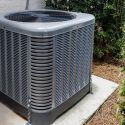
Gray air conditioning unit on concrete pad with fan, showcasing HVAC solutions from Chad's AC Direct.

Getting to Know a Home’s Air Conditioning System

When a home depends on its air conditioning system for comfort and cool air, it’s important to be familiar with it. From central AC units to a ductless mini split system, familiarity with the basics helps homeowners better understand their system and be proactive with air conditioning maintenance, repairs, and care. 

Exploring Common Air Conditioner Systems

Woman relaxing on a couch using a remote control for a ductless mini-split air conditioning system mounted on the wall, surrounded by indoor plants and modern decor, illustrating home comfort and HVAC solutions.There are many different types of air conditioning systems out there. For this guide, the focus will remain on the two most common home systems in use. 

  1. Central Air Conditioning: distributes air through a ductwork system set to a specified thermostat temperature. The unit effectively cools large areas with consistent temperatures throughout the entire home. 
  2. Ductless Mini-Split Air Conditioner: great for cooling in specified zones without any ductwork needed. Set to an internal thermostat to maintain a small area to the selected temperature. Provides targeted or zoned cooling. 

Both central AC and a ductless mini-split system have great benefits depending on the home's needs. They can be efficient and reliable when properly maintained and cared for. 

Identifying the Signs for Air Conditioning Repair

Man and woman sitting on a couch fanning themselves with handheld fans, facing a table fan, illustrating discomfort with indoor heat and the need for effective air conditioning solutions.Being familiar with how a home system operates is crucial. When a homeowner is familiar with their system, they can understand when repair or maintenance is important. Understanding the common signs of potential issues is important so homeowners can call a professional to help prevent unit failure or significant repair needs. 

Common signs to be aware of include the following: 

  • Poor airflow through the vents of the system
  • Increase in energy bills from a struggling unit
  • Cooling that is inconsistent with the AC unit in place
  • Strange or unusual noises coming from the system
  • Frequent cycling or turning off and on too often

If these issues are noted, the best thing to do is contact a professional to inspect the system and perform air conditioner maintenance and repair as needed. 

Understand the Value of Routine Air Conditioning Maintenance

Homeowners can proactively maintain air conditioners to help prevent or avoid bigger issues. Scheduling annual or biannual maintenance is an investment that prevents system malfunction. This allows professionals to clean and inspect the unit and discover any early indicators of potential problems. 

Hiring routine maintenance has some great benefits, like these: 

  • Improved unit efficiency
  • Enhance performance capability
  • Reducing or preventing breakdowns
  • Extending the lifespan of the unit

Maintenance will include a thorough inspection of the entire unit. The professionals will inspect and clean all components, check refrigerant levels, inspect the ductwork if applicable, and test the system for optimal functionality. Most technicians will change the air filters during maintenance calls as well. 

However, homeowners should also stay on top of AC filter changes. If the unit takes a filter, it should be changed every three months and sometimes more often. Staying on top of filter changes can have a positive impact in a household. 

About Chad’s AC Direct

Chad’s AC Direct believes HVAC service and care should never be a hassle. The company works hard to provide personal attention and accurate service that is of great value for every homeowner’s air conditioning needs. Contact them today for air conditioning maintenance in Montgomery, AL. 

Distribution Links +

3 Benefits of Ductless Air Conditioning & Heating Systems

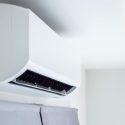
Wall-mounted air conditioning unit with sleek design and ventilation grilles by Chad's AC Direct for home comfort.

Ductless Mini-Splits Explained

Anyone who’s shopped around for a new HVAC system, whether to replace the one they have or to install in their new home, has probably seen plenty of hype about ductless mini-split systems. So what is a ductless mini-split?

A ductless mini-split is essentially a smaller version of a typical heat pump, which features an indoor air handler unit and an outdoor condenser unit, with electrical wires and refrigerant lines running between the two. One unit captures heat from the air and the other releases it (which unit does which depends on whether the system is set to “heat” or “cool”). 

Whereas a central heat pump would circulate air to and from a single large air handler via ductwork, a ductless mini-split system features multiple smaller units spread throughout the house, each serving a designated room or section of the home. This article will discuss a few key benefits of the ductless approach, from lower energy bills and ease of installation to improved indoor air quality and comfort.

Save On Electric Bills

Electric plug resting on a hundred-dollar bill, symbolizing savings on energy bills with ductless mini-split systems.

Of all the advantages of ductless mini-split systems, none gets mentioned more than their higher energy efficiency – which means lower energy bills. One reason is that the temperature in different rooms can be controlled independently, so homeowners don’t have to waste energy heating or cooling empty rooms.

Another reason ductless systems are more efficient than central ones is that air ducts almost inevitably experience some heat loss. Since ductwork is usually located in uninsulated spaces like attics or crawlspaces, the air isn’t always as warm or cool as it should be when it reaches the air registers. Ductwork can also develop small air leaks over time, exacerbating this problem.

So while ductless mini-split systems usually come with a higher up-front cost due to the higher number of units being installed, they can generally make up for that extra cost fairly quickly due to all the money saved on energy bills!

Easier To Install

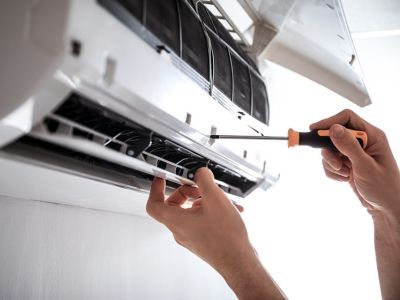
Hands using a screwdriver to install or maintain a ductless mini-split air conditioning unit, highlighting the easier installation process compared to traditional HVAC systems.

Installing a central HVAC system in a home without existing ductwork can be costly and intensive, potentially involving many renovations. Ductless mini-splits, on the other hand, are a piece of cake to install by comparison – making a small hole in the wall for the electrical conduit and refrigerant lines is usually the biggest alteration to the home itself. This means homeowners can have their new system up and running quickly, without the days or weeks of renovations often required in a typical heating or air conditioning installation.

Their compact, discreet nature makes ductless mini-split systems ideal for retrofitting old homes that don’t have any ductwork and for small houses, cabins, or cottage-style homes that don’t have enough space to accommodate air ducts.

Cleaner Air and a Comfier Home

Last but not least, ductless heating and cooling systems also tend to be better for general home comfort and indoor air quality. Regarding comfort, ductless mini-splits have the advantage of precise zone control – when each room has its own AC or heater, everyone can keep their room at the desired temperature.

And regarding indoor air quality, doing away with air ducts can make a big difference. This is because a home’s ductwork tends to accumulate allergens like dust, dander, and even mold (particularly in very humid climates), which can get kicked up and circulated throughout the home. With a ductless system, these allergens will either be captured by the air filter or dispatched through regular house cleaning.

So going ductless not only means that homeowners can breathe easier but also that they won’t have to pay for air duct cleaning every few years! Of course, every home is different, so homeowners should consult their trusted HVAC company to see if a ductless mini-split system is right for them!

About Chad’s AC Direct

Chad’s AC Direct has been Montgomery’s go-to HVAC service company for years. With their reputation for honesty, reliability, and outstanding service, they are proud to offer competitive up-front pricing, financing, a money-saving membership plan, and 24/7 emergency service. Their licensed and background-checked technicians always arrive on time and work efficiently to get the job done right the first time – so homeowners can rest easy when they call Chad’s AC Direct for ductless mini-split installation in Montgomery, AL!

Comparing Commercial & Residential HVAC Systems

Black tiles with "V" and "S" on light wood; representing comparisons in HVAC services by Chad's AC Direct.

Residential vs. Commercial Heating: What’s the Difference?

It’s easy to assume that every HVAC system is the same, and in some ways, this is true. The goal of any HVAC system is to warm and cool a building no matter the weather. Every day of the year, the HVAC system is working to keep a build’s occupants comfortable. But not all HVAC systems are made the same. There are many differences between residential and commercial HVAC systems, but there are three major differences between the two. 

1. Size & Location

Residential HVAC systems are designed to suit only homes; they would not work on a commercial building. Residential systems are smaller-scaled than commercial. Their job is to heat and cool a home, no more than a few thousand square feet on average. On the other hand, commercial units are designed to heat and cool hundreds of thousands of square feet. Commercial HVAC systems handle buildings the size of grocery stores to skyscrapers. 

Commercial HVAC unit installed on a rooftop, showcasing size and placement differences compared to residential systems.

The size of each system plays a role in where the components of the system are installed. Residential HVAC systems are typically installed in the basement and outside the home. Air conditioners for a residency are usually behind the house, and the heater is typically located in the basement or an out-of-the-way corner of a home. 

Commercial systems, on the other hand, take up a lot more space than residential ones. Air conditioners are usually located on the roof of commercial spaces to protect them from vandalizing and take up as little space as possible. Heaters are usually located far from the busiest sections of the building, with some systems comprising an entire basement. Commercial systems are designed to get technicians in and out of the area without interrupting the general business of a commercial building. 

2. Complexity 

After size, the complexity of the system is the greatest difference between residential and commercial HVAC. HVAC systems in the home are typically easier to access and consist of fewer ducts, vents, and radiators. Additionally, the units themselves are less complex for residential spaces. Parts of a heater for a home are fewer and smaller than parts for a commercial heater, and the same goes for air conditioners.

Commercial systems are a lot more complex. Technicians who work in commercial HVAC tend to require specialized training to handle the more complex systems. Often, commercial systems consist of miles of ductwork and enormous units. Technicians may need special equipment to work on commercial HVAC systems. 

3. Mechanism and Maintenance of Unit

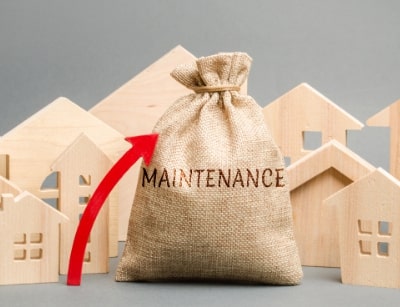
Sack labeled "Maintenance" with an upward arrow, surrounded by wooden house models, symbolizing HVAC maintenance importance for residential systems.

The final major distinction between a residential and commercial system is their mechanisms and maintenance. The simpler nature of residential HVAC units means less maintenance is required on them. 

Commercial systems, on the other hand, have more moving parts and more demands placed on them. Wear and tear is more common in commercial units, so much commercial HVAC work is their repetitive maintenance and repair.

Additionally, maintenance is conducted differently between the two. Commercial systems typically consist of modular systems, whereas many of the parts as possible are housed in the same contained body. Residential systems usually are split between indoors and outdoors, with refrigerant lines, vents, and ductwork connecting the various parts. 

Ultimately, residential and commercial HVAC systems are two very different setups that operate to fulfill the same goal: keeping a building comfortable 365 days a year.

About Chad’s AC Direct

Unexpected heating or cooling problems can be a major headache for Montgomery, AL homeowners. Chad’s AC Direct is proud to provide a solution to those headaches with their hassle-free HVAC services. They’ll be with you every step of the project, offering written estimates, explaining every step, and cleaning up the mess on their way out the door. Give them a call today for commercial HVAC services!

Does Your AC Need Freon Recharge?

Evaporator coil with copper tubing and metal fins, essential for HVAC systems by Chad's AC Direct.

It often seems as though there is a never-ending list of components in an HVAC system. So many pieces have to work together to keep everything running smoothly. And one of the most critical HVAC system components is freon. Freon is the cooling agent, also known as the refrigerant, that is used in most air conditioning systems today. A cooling agent is needed to remove the heat from the air indoors and distribute the remaining cool air through the house. Freon takes on this crucial job. 

In this article, homeowners can learn more about freon's benefits in an AC system, the common problems that it can have, and when homeowners should consider freon recharge services.

AC Problems from Low Freon

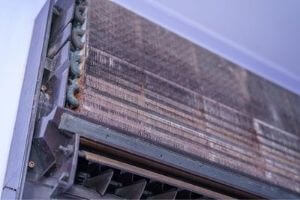
Dirty evaporator coil in an HVAC system, illustrating potential issues related to low freon levels, affecting cooling efficiency and causing ice buildup.

Because freon plays such a critical role in the functionality of an AC system, if the freon starts to run low, it can spark all sorts of problems.

  • Inefficient cooling: Freon removes heat from the air. If the AC system is low on freon, it will take longer to remove the heat and cool the house. 
  • Ice buildup: Low levels of freon mean lower pressure in the AC system, and that lower pressure causes lower temperatures that could freeze the evaporator coil.
  • Unusual hissing noises: One of the most common causes of AC systems running low on freon is a leak. Because of the high pressure in refrigerant lines, there is often a loud hissing noise that will start when a leak occurs.

Homeowners should always pay attention to these signs to resolve any problems as soon as they pop up.

The Many Benefits of Freon

Woman cleaning an air conditioning unit, focusing on the evaporator coil, highlighting maintenance for efficient cooling and freon performance.

Every AC unit requires a refrigerant to cool the air in a home, and the most common refrigerant is freon (also referred to as R-22). The AC unit has a series of coils and compressors. The unit will first compress freon gas, causing it to heat up. The heated freon gas then moves through the various coils in the system, which then cools it down to liquid form. This cooled, liquid freon can then absorb the heat from the air leaving the conditioned air that circulates the house allowing everyone in the home to stay cool and comfortable. 

Freon has remained a long-used and well-trusted refrigerant to keep the AC system running smoothly and efficiently. However, as mentioned, freon can cause problems for an AC unit from time to time. Homeowners must regularly service their AC unit, checking the freon levels to ensure everything is running as it should. 

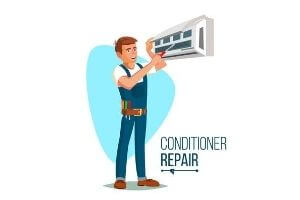
When to Consider Freon Recharge ServicesTechnician performing air conditioner repair, emphasizing HVAC services and maintenance.

A freon recharge is simply the act of refilling the freon in an AC unit. Over time, freon will start to run low, slowing, or stopping the removal of heat from the air. Refilling their freon allows homeowners to keep the AC system running efficiently so they can continue to experience the cool and comfortable air they need.

However, homeowners should not attempt to recharge freon on their own. Freon is a toxic substance that can become lethal if not handled correctly. For homeowners to protect their safety and the safety of those around them, it's best to contact an HVAC professional to handle the situation. 

About Chad's AC Direct

Chad's AC Direct focuses on delivering red carpet HVAC service for Montgomery, AL area customers. They make every effort to make things hassle-free by discussing all job details upfront so customers know what to expect every step of the way. With personalized attention and cost savings, they provide customers with the best service at the best value. 

The Truth About Mechanical Wear and Tear On HVAC Systems

Man in light blue polo shirt showing surprise, hands on head, representing HVAC maintenance concerns at Chad's AC Direct.

What You’re Missing About Mechanical Wear and Tear on Your HVAC System

Mechanical wear and tear on HVAC systems is one of the top contributors to the home’s financial cost. Not only will it eventually affect the performance of your system, impacting your home comfort and temperature, but also it can lead to serious emergency repairs down the line.

Luckily, there is some simple care and knowledge of how the system works as well as how to prevent those issues that can extend the life of any HVAC system. This article will be covering some of those tips, and help you get a better understanding of your HVAC system and how it can change over time.

How Age Can Deteriorate Your HVAC System

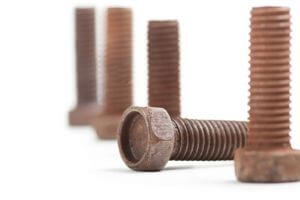
Rusty HVAC bolts illustrating mechanical wear and tear affecting system performance and maintenance.These systems have a lot more HVAC parts than homeowners may think. Of those parts, the vast majority are constantly in motion when the system is on. While this is great for keeping the home temperature controlled, it can also lead to mechanical wear and tear on the system.

Those mechanical parts, which include various belts, motors, and bearings in the HVAC system, don’t last forever. With longterm use, mechanical wear and tear eventually cause issues like airflow problems, overheating, and trouble maintaining a consistent temperature in the home.

Dust and dirt that is allowed to build up in the system also contributes to mechanical wear and tear. That build-up eventually causes the machine to slow down and even stop working entirely.

The Damages Caused By Mechanical Wear and Tear

The biggest damage mechanical wear and tear causes on an HVAC system is in the homeowner’s wallet. Parts that start to get run down and eventually break are expensive if the problem is not caught early enough. Eventually, the entire HVAC system will need to be replaced which is an extremely pricey venture.

Frustrated homeowner on the phone with a hammer in hand, illustrating the challenges of HVAC maintenance and repair.

Another financial cost of mechanical wear and tear is significantly increased electricity bills, as HVAC systems that don’t run smoothly or efficiently cost more money to run.

In addition to the financial cost of a poorly working HVAC system, they are also more likely to struggle to keep a consistent temperature and ventilation in the home. Also, in a worst-case scenario, enough mechanical wear and tear can be a fire risk.

How To Prevent These Problems

Red speech bubble with the word "WHY?" in bold white letters, symbolizing common questions about HVAC system maintenance and costs.Knowing what the usual types of mechanical wear and tear are that occur to home HVAC systems and what damage they can cause is only half the battle. Homeowners should also know how to prevent them from occurring in the future.

The number one way to prevent these common HVAC issues is with regular maintenance of the HVAC system. This is especially true in areas of the country that have to use home temperature control more often. Maintenance should be done in the spring, prior to running the air conditioning in the summer.

Even with regular HVAC maintenance, mechanical wear and tear can still occur. Eventually, all systems start to run slower and will need to be replaced. Catching those signs sooner can definitely help homeowners extend the life of their HVAC system, though!

It is also a good idea for homeowners to really get to know their own HVAC systems. This can usually be done simply by looking at the user manual, which will often diagram the entire system. Check out the parts occasionally to see if there is any obvious mechanical wear and tear or dirt and debris that has built up.

About Chad’s AC Direct

Chad’s AC Direct offers reliable, on-time HVAC service to the Montgomery, Alabama area. Their staff all lives in the area, and handle everything from small repairs to larger services like entire HVAC system replacements. Chad’s AC Direct also has its own maintenance program.