Can a Thermostat Cause Higher Bills?

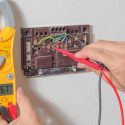
Hand holding a yellow multimeter measuring thermostat readings for HVAC maintenance at Chad's AC Direct.

When Is It Time To Replace the Thermostat?

After reaching a certain age, thermostats can cost extra monthly income. Most thermostats last approximately ten years before they need to be replaced. Regardless of the make or model, a few warning signs can help homeowners decide whether an early replacement is necessary. 

Low Efficiency

Woman looking concerned while holding a utility bill, reflecting the impact of high energy costs related to HVAC system efficiency.Low efficiency means high energy bills. If homeowners notice a sudden spike in their utility bills, the AC is usually the first appliance to blame. Unlike replacing an entire HVAC system, thermostats are much less expensive and can be purchased online.

A broken thermostat demands that the AC work harder to heat or cool the home, potentially causing the HVAC system to run twice as long. If homeowners notice a constant humming noise in the background, this may indicate that the desired temperature is not obtainable. 

Paying attention to monthly bills annually will help homeowners detect any inconsistencies. Moreover, HVAC systems often break during the holiday season.

What Is The Actual Home Temperature?

Thermostat displaying a temperature reading of 78°F with a hand adjusting the cooler setting, relevant to HVAC efficiency and temperature monitoring.If the thermostat is broken, it can be difficult to tell what the real temperature is indoors. Although the dial may read the desired temperature, this can send confusing signals to the HVAC system. If the temperature feels chillier than the thermostat reading, homeowners are encouraged to buy an old-fashioned mercury thermometer.

A mercury thermometer always shows the correct temperature. To assess the thermostat, homeowners should tape the thermometer next to it and wait for approximately one hour. If the temperatures match, a component in the HVAC system may be to blame.

It is easier to tell if a smart thermostat is broken than an old-fashioned dial. If the programmed settings continuously reset themselves, this is one way to spot a glitch. A completely dark screen may be a sign that the battery needs to be replaced. 

Inconsistent Cycles

Short cycling refers to an HVAC system that routinely turns on and off. A functional heating system will stay on until it has reached the desired temperature before shutting off. If the thermostat is incorrect, the HVAC system cannot complete a full cycle and must take “breaks” to save energy.

Short cycling is a common issue when thermostats are no longer accurate. If an HVAC system must complete over three cycles per hour, this is cause for concern. If the air filters have recently been replaced and the compressor works, homeowners should check the thermostat placement.

Thermostats need to be placed in a neutral area. Fans and windows can make it difficult for a thermostat to function because of competing temperatures. The ideal thermostat placement is in the center of the home on an interior wall. The first floor is always preferable. 

Thermostat installation can be completed in as little as twenty minutes, assuming additional electrical work is unnecessary. If the wiring needs to be repaired or replaced, this may take as long as two hours. Either way, hiring a professional is recommended for safety, efficiency, and reliability. 

About Chad’s AC Direct

Chad’s AC Direct provides smart thermostat replacement options and warranties for residents in Montgomery, AL. Find out more about their $25 off coupon for thermostat maintenance services in Montgomery, AL today!

Prepare Your Boiler for the Winter Weather

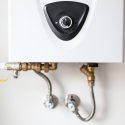
Water heater mounted on a wall with control knob and piping, part of Chad's AC Direct HVAC services in Montgomery, AL.

Reliable Boilers Can Keep a Home Warm

A reliable heating system is essential to maintain a cozy and comfortable home when temperatures drop. Boilers have been a trusted choice for decades, providing consistent warmth even in the coldest months. Beyond their dependability, boilers are known for their energy efficiency and durability. Understanding how boilers work, recognizing common problems, and properly maintaining them can ensure the home stays warm and comfortable all winter.

Basics of Boiler Operation

Person depositing a coin into a pink piggy bank, surrounded by scattered coins and a stack of bills, representing savings and financial management.Boilers heat water and distribute that heat throughout the home via radiators, baseboards, or radiant floor systems. Unlike forced-air systems, which circulate heated air, boilers provide radiant heat that evenly warms spaces without creating drafts or stirring up dust.

The process begins when the boiler heats water using natural gas, oil, or electricity. This hot water is then transported through pipes to the heating elements in each room. Modern boilers are highly efficient, with many models boasting energy ratings over 90%, making them an eco-friendly option for home heating.

Boilers are prized for their quiet operation. Most make no more noise than the average water heater, which isn’t a problem since they are usually located in basements or garages. Since they have no blower and ductwork, no noises are associated with air movement and no drafts. Due to the lack of drafts, boilers produce heat that is best described as cozy and inviting.  

Common Boiler Problems

Despite their reliability, boilers can develop issues over time, especially if not properly maintained. Losing a boiler in the winter can be a major hassle, so owners should take time to learn the signs that indicate boiler problems. Common boiler problems include:

  • No Heat or Hot Water: This could be caused by a broken thermostat, a malfunctioning valve, or low system pressure. A professional can diagnose the exact cause and repair or replace faulty components.
  • Leaking or Dripping: Leaks are often caused by corroded pipes, loose connections, or faulty pressure relief valves. Immediate attention is necessary to prevent water damage on the property.
  • Kettling: A boiler making banging or whistling noises may have scale buildup, which restricts water flow and causes overheating. Flushing the system as a part of regular boiler maintenance can resolve this. 
  • Uneven Heating: Cold spots in the home may indicate air trapped in the system or issues with the radiator. Bleeding the radiators or adjusting the system balance can help.

Professional service is essential for any of these issues to ensure safe and effective repairs.

Maintaining Boiler Efficiency

Person using a screwdriver to inspect the interior of a boiler, highlighting maintenance practices for efficient operation and leak prevention.Boiler maintenance is vital for the safe and efficient operation of the unit. There are a few steps homeowners should take, but they should also enlist the help of professionals to get the most from their system. Professional boiler maintenance will include:

  • Looking for leaks
  • Draining and flushing the tank 
  • Checking and adjusting pressures
  • Verifying the pilot light
  • Looking for damaged or failing components
  • Bleeding radiators

Homeowners can schedule service every year to ensure low bills and efficient operation. Likewise, homeowners who schedule the service routinely enjoy greater longevity with their systems. 

About Chad's AC Direct

Chad’s AC Direct designs and repairs residential and commercial HVAC systems. Transparency is key to great service, so they handwrite estimates and itemize all invoices. Call today for boiler services in Montgomery, AL.

Preventing Fall Furnace Fires

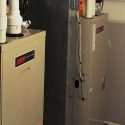
Heating units in a utility room; includes beige equipment, piping, and brand labels by Chad's AC Direct.

What Types of Furnaces Overheat?

Any furnace can overheat in Alabama. Sometimes, homeowners neglect annual furnace maintenance inspections, but other times, the gas line is to blame. To avoid an overheating furnace, homeowners must pay attention to the warning signs. 

What Happens When The Furnace Overheats?

Carbon monoxide alarm mounted on a wall, emphasizing safety against furnace overheating hazards and carbon monoxide poisoning.Furnace fires are not the only dangers of overheating. While it is a common issue if overheating is ignored, other damages can also wreak havoc. Furnace overheating can cause the unit to malfunction or completely shut down. Typically, this happens when cracks form in the heat exchanger. The heat exchanger is responsible for keeping toxic gases away from heated air. Even a small amount of damage can cause carbon monoxide to spread throughout the home.

Carbon monoxide poisoning affects the entire household and can cause memory problems, dizziness, and even death. Discolored wiring and corrosion inside the unit usually indicate prior overheating and should never be ignored. If a homeowner suspects overheating, they must call a professional before using the furnace. 

3 Signs The Furnace Might Be Too Hot

Furnaces are usually located in the basement or garage. Most furnace fires are detected by smell unless homeowners are inside the same room.

Even if smoke is not visible, homeowners often report a burning smell from the vents. This does not necessarily mean the furnace is on fire, but it does mean it must be turned off immediately. For safety reasons, calling a professional is advised.

Overheating furnaces also make strange noises. A light humming noise in the background is usually normal, especially for older furnaces, but banging or clanking noises are not. Depending on which component is affected and how, these sounds can be high-pitched squealing, rattling, or popping. 

Uneven heating cycles are another way to tell if the furnace is too hot. If the furnace repeatedly turns on and off, the safety function is consistently activated. If this occurs, it can also cause energy bills to fluctuate. 

Prevent Overheating This Fall

Technician using a multimeter to check electrical connections inside a furnace, emphasizing HVAC maintenance and safety.Annual maintenance is necessary to ensure the entire heating system is working. Trained technicians will check for cracks in the heat exchanger and faulty ductwork. Although ductwork is accessible to homeowners, it can be extremely dangerous, especially if the insulation is made from fiberglass. 

Homeowners can help reduce the chances of overheating by turning down the thermostat and opening the vents. Hot air trapped inside the ventilation system puts undue pressure on the furnace. Opening the vents will help with circulation, easing the work necessary to heat the home (and reducing energy bills).

Furnace filter replacement also prevents poor airflow. Air filters are easy to replace and can be purchased online or at a local hardware store. Most households will need air filter replacement once every three months unless they have pets. Homes with multiple pets will likely need to change their filters once every other month.

The condensate drain line is an important part of heating. Without proper cleaning, it is prone to becoming clogged. A mixture of vinegar and water can help flush excess debris from the line to prevent water backup from damaging the unit.

About Chad’s AC Direct

Chad’s AC Direct specializes in furnace maintenance and repair services in Montgomery, AL. Their technicians are available when you need them most, offering honest advice, transparent pricing, and long-lasting solutions for all your heating needs. To learn more about furnace maintenance and repairs, call Chad’s AC Direct today! 

Distribution Links +

Everything There Is to Know About Heat Pumps

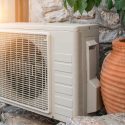
Air conditioning unit next to a terracotta pot on a stone wall. HVAC service by Chad's AC Direct.

Frequently Asked Questions About Heat Pumps

There’s a lot to get excited about heat pumps because of their function. They’ve become a popular choice for homeowners and businesses because of their energy efficiency, versatility for cooling and heating, and the incentives available to install one. However, as with technology, many questions persist regarding their use. Here are answers to frequently asked questions (FAQs) to help homeowners better understand this technology.

What Is a Heat Pump?

Heat pumps are energy-efficient alternatives to furnaces and air conditioners. A heat pump is a device that extracts heat from a cold source, amplifies it, and transfers it to warmer areas using electricity as a power source. In cold weather, heat pumps can extract heat from outside air, the ground, or water sources and transfer it indoors to warm the building. Since the heat is transferred and not generated, they’re a very efficient heating option compared to traditional heat sources like furnaces. 

But that’s not all. Heat pumps have a dual function: in warm climates, they’re conversely able to extract heat from inside the building and transfer it outdoors, keeping the building cool. 

There are two types of heat pumps: ducted heat pumps and ductless heat pumps, depending on whether they need a duct system to operate or not. A mini split heat pump is a popular ductless option that can perform heating and cooling functions without requiring much ductwork.

What Are the Benefits of Installing a Heat Pump?

Heat pump unit beside a piggy bank with coins falling, symbolizing energy savings and efficiency benefits of heat pumps for HVAC systems.Heat pumps come with many benefits for both homeowners and businesses. Here are a few of them: 

  • Energy efficiency and Eco-friendliness: Heat pumps are known for their energy efficiency as they transfer heat rather than generate it. With the world on a net-zero mission, heat pumps can significantly reduce carbon emissions, reduce fossil use, and promote sustainable energy.
  • Improved safety and eco-friendliness: With no open flames or fumes, heat pumps have neither of these downsides, making them one of the safest HVAC equipment options.
  • Dual Functionality: A heat pump can act as a heater and an air conditioner, providing year-round comfort in all seasons. It cools in the summer and heats during winter, eliminating the need for separate heating and cooling systems.
  • Incentives and Rebates: In many regions and states, users of efficient heat pump systems are eligible for a federal tax credit of up to $2000 or 30% of the heat pump installation cost.

What Are the Signs That Heat Pump Repair Is Needed?

Technician inspecting and servicing a heat pump unit, focusing on maintenance and repair signs for HVAC systems.Like most technology and the human body, heat pumps can experience wear and tear over time, leading to occasional issues. While these issues may start as minor ones, they may escalate into more significant and costly repairs if left unchecked. Here are a few warning signs that it’s time for a heat pump repair:

  • Reduced Performance: A drop in performance is one of the most common signs that a heat pump needs repair.
  • Unusual noises: Faults in the system’s fan or motor can cause strange grating or rattling sounds from the unit.
  • Increased energy bills: High energy costs indicate that a heat pump needs repair.
  • Frequent cycling: If a heat pump automatically goes off and on constantly, then its thermostat or refrigerant needs fixing.
  • Ice build-up: Ice formation on the unit is a sign of a fault with the airflow or a leak from the refrigerant.
  • Foul Odors: A bad smell can indicate mold growth, electrical faults, or burning issues.

About Chad’s AC Direct

In Montgomery County, Chad’s AC Direct is a reliable HVAC contractor that prioritizes customer interests. With upfront pricing, same-day service, and even money-saving discounts, they guarantee the best customer experience. Contact them today for heat pump services in Montgomery, AL.

Distribution Links +

Why Scheduling Heating Maintenance in the Fall Is Important

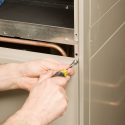
Person repairing HVAC components with a screwdriver in a metallic cabinet, showcasing manual skill at Chad's AC Direct.

Prepare for the Heating Season With Professional Heating Maintenance

School is back in session, which means fall is almost here. While temperatures are still warm, the overnight lows will soon drop, so homeowners must turn their heaters on to remove the chill. The heating season begins once the heater is fired up for the first time this year. The system will work hard to keep the home warm during the cold season. However, it may be unable to keep up with the demands placed on it without proper maintenance.

Professionals recommend heating maintenance every fall to avoid losing the heater when needed most. Here is a quick guide to heating maintenance, discussing the benefits of heater maintenance, the steps professionals take, and why acting now is the best decision. 

Benefits of Heating Maintenance

Person counting coins and placing them into a jar, with a stack of cash on the table, illustrating the benefits of savings and financial management.Heating maintenance is a professional service offered by most HVAC contractors. It is recommended by the heater manufacturer and is required to maintain the warranty on the equipment. Some of the other benefits of heater maintenance include: 
  • Lower Bills: Heater maintenance and tune-ups cause heaters to use less fuel or power to heat a home, thus lowering monthly bills. 
  • Fewer Repairs: Heater maintenance compounds savings on monthly bills by reducing the likelihood of problems requiring repairs. 
  • Better Efficiency: Lubrication and clean burners allow for improved efficiency, lowering bills and reducing the carbon footprint of heating the home. 
  • Improved Comfort: Heater maintenance improves airflow and indoor air quality, making the home cozy and comfortable during the winter. 

What Is Included in Heater Maintenance?

Heater maintenance process with a hand replacing an air filter in a heating unit, emphasizing the importance of air quality and efficiency in HVAC systems.Heating maintenance is a service professionals offer, but that doesn’t mean homeowners don’t have an important role. One of the most important steps of heating maintenance that homeowners should take care of is called air filter replacement. 

Air filters tend to be filled with dust and allergens commonly found in the home air. Replacing air filters regularly allows homeowners to enjoy cleaner indoor air and a longer-lasting heater. Some of the steps that fall under the purview of the professionals are: 

  • Inspect electrical components and check connections.
  • Inspect and clean the burner.
  • Inspect and clean visible ductwork, blowers, and coils.
  • Verify gas pressure and regulators.
  • Test motors.
  • Lubricate moving parts.
  • Look for and make minor repairs that may grow into bigger problems. 

Beat the Rush 

Thinking about heater maintenance when the mercury is still high may seem ridiculous, but now is the best time to schedule it. As summer winds down, most HVAC professionals find themselves in a lag between the seasons. Most of the summer’s repairs have been taken care of, and people rely more on mild temperatures to regulate their homes. 

This allows homeowners to beat the rush when everyone turns on their heaters during the first cold snap and remembers maintenance or discovers problems. Since the heater still won’t run for a while, no damage will occur between now and startup time. 

About Chad’s AC Direct

Chad’s AC Direct offers the best prices for commercial and residential heating and cooling services. They handle heating maintenance and repairs as well as HVAC installation. Call today to schedule a heating maintenance service in Montgomery, AL.