
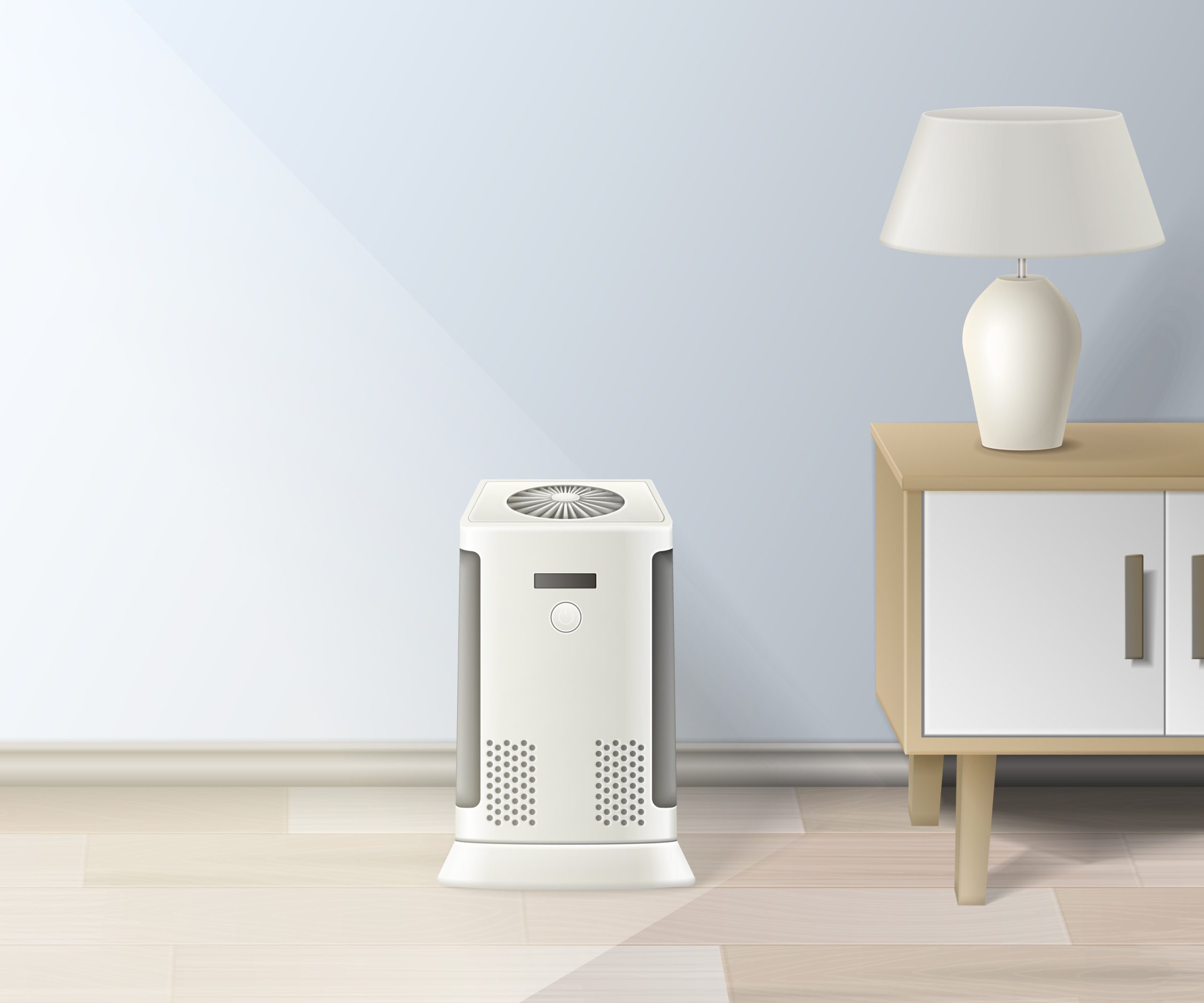
Is your home truly comfortable, or are you simply adjusting to the humidity? In Dadeville, high humidity is part of daily life. With proximity to Lake Martin and Alabama's natural climate, air moisture levels can remain elevated for much of the year. While air conditioning systems help cool your home, they are not always designed to manage humidity at optimal levels. That is why many homeowners are now exploring dehumidifiers for Dadeville homes. Before making that decision, it is important to understand both the advantages and potential drawbacks.
Let’s take a closer look at what you should know before installing a whole-home dehumidifier.
Understanding the Role of Humidity in Your Home
Humidity directly impacts indoor air quality, energy efficiency, and even the structural integrity of your property.
When indoor humidity levels rise above recommended ranges (typically 30%–50%), several problems can develop:
- Your home may feel warmer than the thermostat reading suggests
- Air conditioning systems may run longer and more frequently
- Mold and mildew growth becomes more likely
- Wood flooring and furnishings may warp
- Condensation may appear on windows and surfaces
Although your air conditioner removes some moisture as it cools the air, it may not be sufficient in particularly humid conditions. This is especially true if the system is oversized, aging, or not properly maintained.
The Pros of Dehumidifiers for Dadeville Homes
A whole-home dehumidifier is designed specifically to manage excess moisture, working alongside your HVAC system to maintain balanced indoor conditions.
1. Improved Comfort Without Overcooling
One of the primary benefits of a whole-home dehumidifier is enhanced comfort.
High humidity levels make indoor spaces feel warmer because moisture in the air reduces your body’s natural cooling process. By lowering humidity, the air feels cooler at the same temperature.
This often allows homeowners to set their thermostats slightly higher while maintaining comfort, thereby reducing energy use.
2. Reduced Strain on Your Air Conditioning System
Air conditioning systems must work harder when humidity levels are elevated. Excess moisture can cause longer run cycles and increased wear on system components.
By integrating a dehumidifier into your HVAC setup, your air conditioner can focus primarily on cooling. This may help:
- Reduce system strain
- Lower the likelihood of unexpected breakdowns
- Extend the overall lifespan of your equipment
Given the intense summer conditions in the Dadeville area, reducing stress on your cooling system can provide long-term value.
3. Enhanced Indoor Air Quality
Moist environments encourage the growth of mold, mildew, and dust mites. These contaminants can negatively affect indoor air quality and may aggravate allergies or respiratory conditions.
By maintaining balanced humidity levels, a dehumidifier helps create an environment less favorable to these issues. The result is fresher indoor air and fewer persistent musty odors.
For households with allergy concerns or sensitivity to air quality, this benefit can be particularly significant.
4. Protection for Your Property
Excess humidity not only affects comfort. It can also damage building materials and furnishings over time.
Common issues linked to prolonged high humidity include:
- Warped hardwood flooring
- Peeling paint
- Rusting metal fixtures
- Deterioration of drywall
Installing a whole-home dehumidifier can help protect your home’s structure and interior finishes by maintaining stable moisture levels year-round.
The Cons to Consider
While there are clear advantages, it is important to consider potential drawbacks before making a decision.
1. Initial Investment
A whole-home dehumidifier is a larger investment than a portable unit. Costs will vary depending on the size of your home, your current HVAC system, and installation requirements.
However, it is essential to view this as a long-term solution rather than a temporary fix. In many cases, improved efficiency and reduced repair costs can offset part of the initial expense over time.
2. Professional Installation Is Required
Whole-home dehumidifiers must be properly sized and integrated into your existing HVAC system. Incorrect installation can lead to performance issues, uneven humidity control, or unnecessary strain on your equipment.
For this reason, it is important to work with an experienced HVAC contractor who can evaluate your home and recommend the appropriate system.
3. Ongoing Maintenance
Like any HVAC component, a dehumidifier requires regular maintenance to function effectively. Filters must be checked, drainage systems must remain clear, and performance should be evaluated periodically.
Routine service appointments help ensure the system continues to operate efficiently and prevent minor issues from becoming larger problems.
Final Thoughts
Humidity is a persistent factor in the Dadeville area. While air conditioning systems address temperature, they may not fully resolve moisture concerns.
A whole-home dehumidifier can improve comfort, protect your property, enhance indoor air quality, and reduce strain on your cooling system. However, it is important to weigh the initial investment and ensure professional installation and maintenance.
The most effective approach begins with a proper assessment of your current HVAC system and indoor conditions. From there, you can determine whether a dehumidifier is the appropriate solution for your home.
Schedule Your Appointment Today
If you are experiencing humidity issues or want to explore your options, Chad’s AC Direct is ready to assist. Call today to schedule an immediate appointment.
Frequently Asked Questions
1. Do I need a dehumidifier in my Dadeville home?
If your house feels sticky even with the AC running, that’s your first clue. In Dadeville, humidity can linger indoors long after the rain stops. You might notice foggy windows, a damp smell, or floors that feel slightly clammy. When those signs show up together, a whole-home dehumidifier usually makes a noticeable difference.
2. What are the benefits of installing a whole-home dehumidifier?
The biggest benefit is comfort, and you feel it almost immediately. The air stops feeling heavy, and your home feels cooler without touching the thermostat. It also cuts down on that musty smell that creeps into closets and bathrooms. Over time, it helps protect wood floors, furniture, and even your HVAC system from moisture stress.
3. Are there any disadvantages to whole-home dehumidifiers?
The main downside is the upfront cost, and that’s usually what makes homeowners hesitate. It’s not a small appliance you plug into the wall; it’s part of your HVAC system. It also needs routine maintenance to keep it running properly. That said, most people who install one feel the comfort payoff justifies the investment.
4. How does a whole-home dehumidifier work?
It works quietly behind the scenes through your existing ductwork. Moist air gets pulled in, the system removes the water, and the dry air circulates back through your home. You don’t see it working, but you definitely feel the difference. Instead of damp air sitting in rooms, the humidity stays balanced throughout the house.
5. What is the ideal indoor humidity level for homes in Dadeville?
In Dadeville, keeping indoor humidity between 30 and 50 percent is the sweet spot. Once it creeps past 60 percent, the air starts feeling uncomfortable fast. Mold and mildew also thrive at those higher levels, which is something no homeowner wants. A simple humidity monitor can tell you exactly where your home stands.
6. Can a dehumidifier lower my energy bills?
Yes, and here’s why it works. When the air is less humid, 75 degrees feels cooler than it did before. That means you may not need to crank the thermostat down as low. Over time, your AC runs less often, resulting in noticeable energy savings.
7. Will a dehumidifier help with mold problems?
It can absolutely help prevent mold from spreading further. Mold loves moisture, so lowering humidity removes its favorite environment. If you already have active mold, though, you’ll still need proper cleanup first. After that, controlling humidity helps prevent the problem from returning.
8. How is a whole-home dehumidifier different from a portable unit?
Portable units handle one room at a time, and you have to constantly empty the water tank. A whole-home system connects directly to your HVAC system and manages moisture throughout your home. It drains automatically, so you don’t deal with buckets of water. The difference shows up in convenience and consistent results.
9. How much does it cost to install a whole-home dehumidifier in Dadeville?
The cost depends on your home’s size and the configuration of your HVAC system. Some installations are straightforward, while others require duct adjustments. That’s why estimates can vary from one house to another. The best way to know the real number is to have a professional assess your setup.
10. How do I know if my home has high humidity?
Start by paying attention to how the air feels when you walk inside. If it feels damp or slightly muggy, humidity may be high. You might also see condensation on windows or notice a lingering musty smell. A small digital hygrometer gives you a clear answer within seconds.