
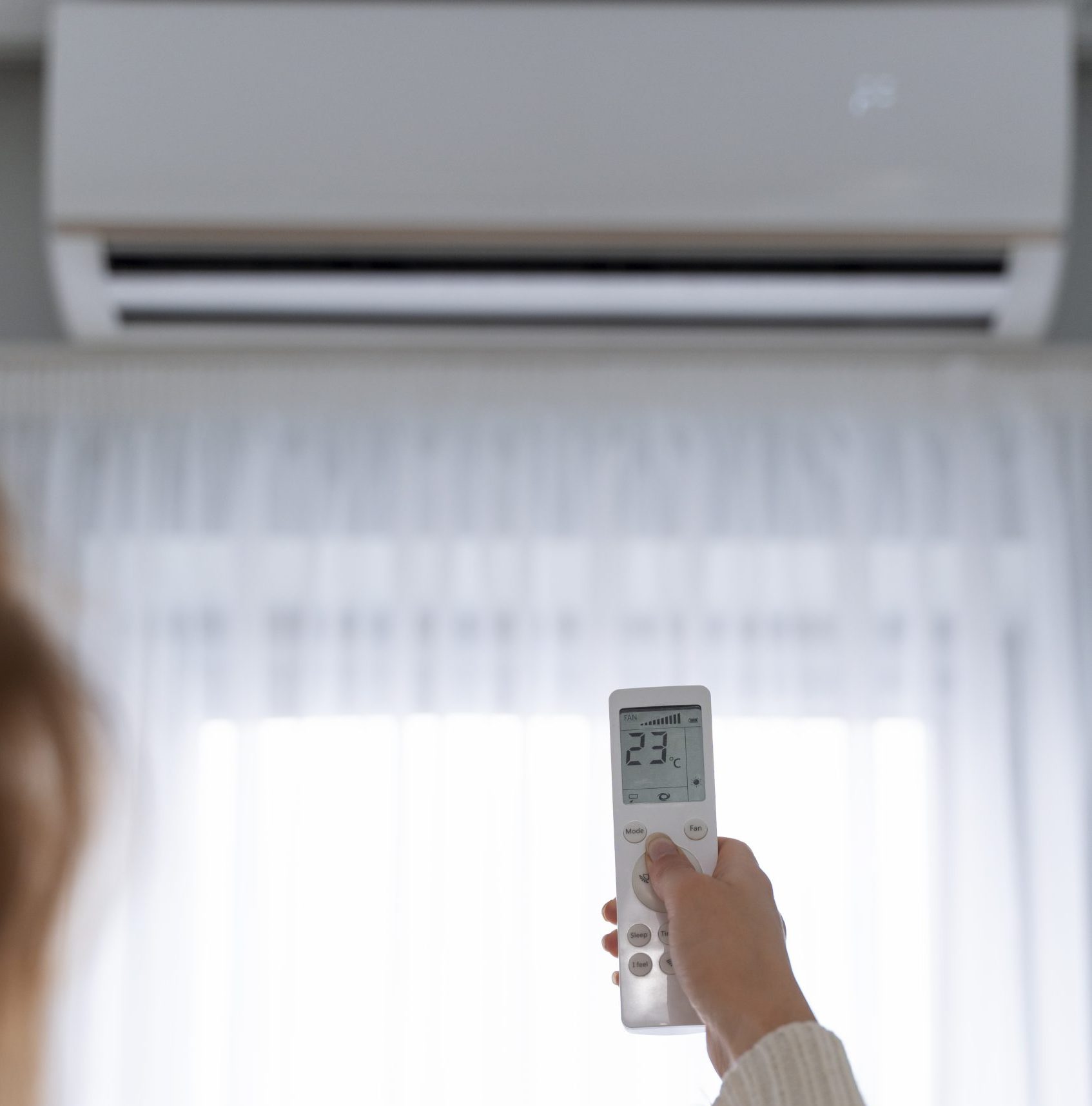
Cooling isn’t just about temperature. It’s about humidity control, energy efficiency during long summers, and ensuring your system can handle 90-degree days that feel like 105. Most online comparisons between mini-splits and central AC systems oversimplify the decision. They focus on efficiency ratings or installation costs without addressing how systems perform in Southern humidity, how duct design affects energy loss, or how zoning affects real-world electric bills.
As an HVAC contractor in Dadeville, AL, Chad’s AC Direct approaches this conversation differently. We look at building science, airflow design, latent heat removal, and long-term operating costs—not just the sticker price.
Let’s break this down the right way.
How Central AC Systems Operate in Alabama Homes
Central air systems cool your entire home using a single outdoor condenser and an indoor air handler connected to ductwork. Air is pulled in, cooled across the evaporator coil, and distributed through supply ducts.
The key advantage in humid climates is runtime consistency. When properly sized, central systems run longer cycles, which improves moisture removal. Longer cycles equal better dehumidification.
However, ductwork becomes a critical variable. According to the U.S. Department of Energy, poorly sealed ducts can lose 20 to 30 percent of conditioned air. In hot attics, that loss compounds.
So central AC works exceptionally well—if the duct system is designed and sealed properly.
How Mini Splits Operate Differently
Mini splits are ductless systems that use individual indoor air handlers connected to an outdoor unit. Each indoor unit controls a specific zone.
The biggest technical difference lies in inverter technology. Most modern mini splits use variable-speed compressors that adjust output continuously instead of cycling fully on and off. This allows for high efficiency and stable temperature control.
But here is something rarely discussed: mini splits rely heavily on proper load calculation for each zone. If oversized, they can short-cycle and struggle with humidity removal. In Alabama, that matters more than raw SEER ratings.
Many homeowners assume that the system with the higher SEER rating is automatically the better investment. That is not always accurate.
Efficiency depends on:
- Correct system sizing
- Duct sealing quality
- Insulation levels
- Home layout
- Usage patterns
For example, a 20 SEER mini split installed in a poorly insulated space may perform worse than a 15 SEER central system installed correctly in a well-sealed home.
At Chad’s AC Direct, we perform detailed load calculations rather than relying on rule-of-thumb sizing. That precision makes a measurable difference in long-term energy performance.
When Central AC Is the Smarter Choice in Dadeville
Central AC tends to perform best when:
- The home already has sealed, insulated ductwork
- The layout is open concept
- Even temperature distribution is important
- Whole-house humidity control is a priority
In larger family homes, central systems often deliver more balanced airflow. They also maintain consistent pressure and circulation, which support indoor air quality systems such as whole-home dehumidifiers.
If your ducts are in excellent condition, a central AC system may offer the best long-term value.
When Mini Splits Are the Superior Option
Mini splits excel in situations such as the following:
- Homes without existing ductwork
- Lake Martin properties used seasonally
- Detached garages or workshops
- Additions where extending ducts is costly
- Homeowners who prefer zone control
Because mini splits allow targeted cooling, they reduce energy waste in unused spaces. That flexibility can significantly lower monthly bills when certain rooms are rarely occupied.
They also eliminate duct leakage, which is a major advantage in older homes.
Hidden Cost Factors Most People Miss
There are cost variables rarely mentioned in standard comparisons. Attic duct repairs can add thousands to the cost of a central AC upgrade. Electrical panel capacity may affect mini-split installations. Insulation levels can influence system performance regardless of type.
Also consider long-term repair costs. Variable-speed components in mini splits are advanced and efficient but require experienced technicians for service. That is why choosing a reliable HVAC contractor in Dadeville, AL, matters as much as choosing the equipment.
Performance During Peak Alabama Summers
In July and August, systems are stress-tested. Central AC systems with proper airflow tend to handle peak loads steadily. They distribute cooling evenly across larger spaces.
Mini splits shine at targeted cooling but require thoughtful indoor unit placement to prevent uneven airflow in larger open rooms. The decision often comes down to layout. A professional evaluation of airflow pathways is more valuable than any online comparison chart.
Ready to Make the Right Choice?
Call Chad's AC Direct today ! Let’s design a cooling system that actually fits your home, not just a brochure.
Frequently Asked Questions
1. Do central AC systems cool faster?
They can cool large spaces more evenly. Because air moves through multiple vents at once, temperature drops feel more uniform. Mini splits cool specific zones quickly but may not distribute air as broadly. It depends on room size and placement.
2. Are mini-splits actually more efficient than central AC?
On paper, mini splits often win the efficiency race. Their inverter compressors adjust output instead of constantly cycling on and off. That saves energy. But efficiency also depends on your home’s insulation and layout. A well-installed central system can perform just as effectively if the ductwork is properly sealed.
3. Is central AC cheaper to install in Dadeville homes?
If your ductwork is already in great condition, central AC is usually more affordable upfront. But if those ducts need repair or replacement, costs climb quickly. Mini splits avoid duct expenses entirely. So the real answer depends on what is already in your attic and crawl space.
4. Do mini splits work in larger houses?
Yes, but it takes planning. You would need multiple indoor units to cover the entire home. That increases installation cost and system complexity. In larger open floor plans, central AC often distributes air more smoothly. Layout plays a huge role in which system feels more comfortable.
5. How long do mini splits and central AC systems last?
With proper maintenance, both systems typically last 12 to 20 years. Skipping service shortens that lifespan fast. Annual tune-ups protect compressors and electrical components. Clean filters also reduce strain on the system. Longevity depends more on care than brand name.
6. Which system runs quieter?
Mini splits are impressively quiet indoors. You often barely hear them running. Central systems can also be quiet, but duct vibration sometimes adds noise. Proper installation makes the difference. Poor installation creates sound problems regardless of system type.
7. Can I switch from central AC to mini splits?
Yes, but it requires evaluation. We would check your electrical capacity and layout first. Some homeowners remove aging duct systems entirely. Others keep central air and add mini-splits to certain rooms. It really depends on your goals and budget.
8. Will mini splits increase my home’s value?
They can, especially in homes without existing ducts. Buyers appreciate energy-efficient upgrades. However, resale impact depends on the local market. In some neighborhoods, central AC is still expected. The added value often comes from lower utility bills and modern comfort.
9. Which system requires more maintenance?
Both need attention, just in different ways. Central systems require duct inspections and regular filter changes. Mini splits require cleaning each indoor unit filter. Neither system is maintenance-free. Consistent servicing keeps efficiency high and repair costs low.
10. How do I know which system is right for my home?
We start with a load calculation. That tells us how much cooling your home truly needs. Then we examine insulation, layout, and duct condition. From there, the best option usually becomes obvious. Guesswork is what leads to poor performance.