
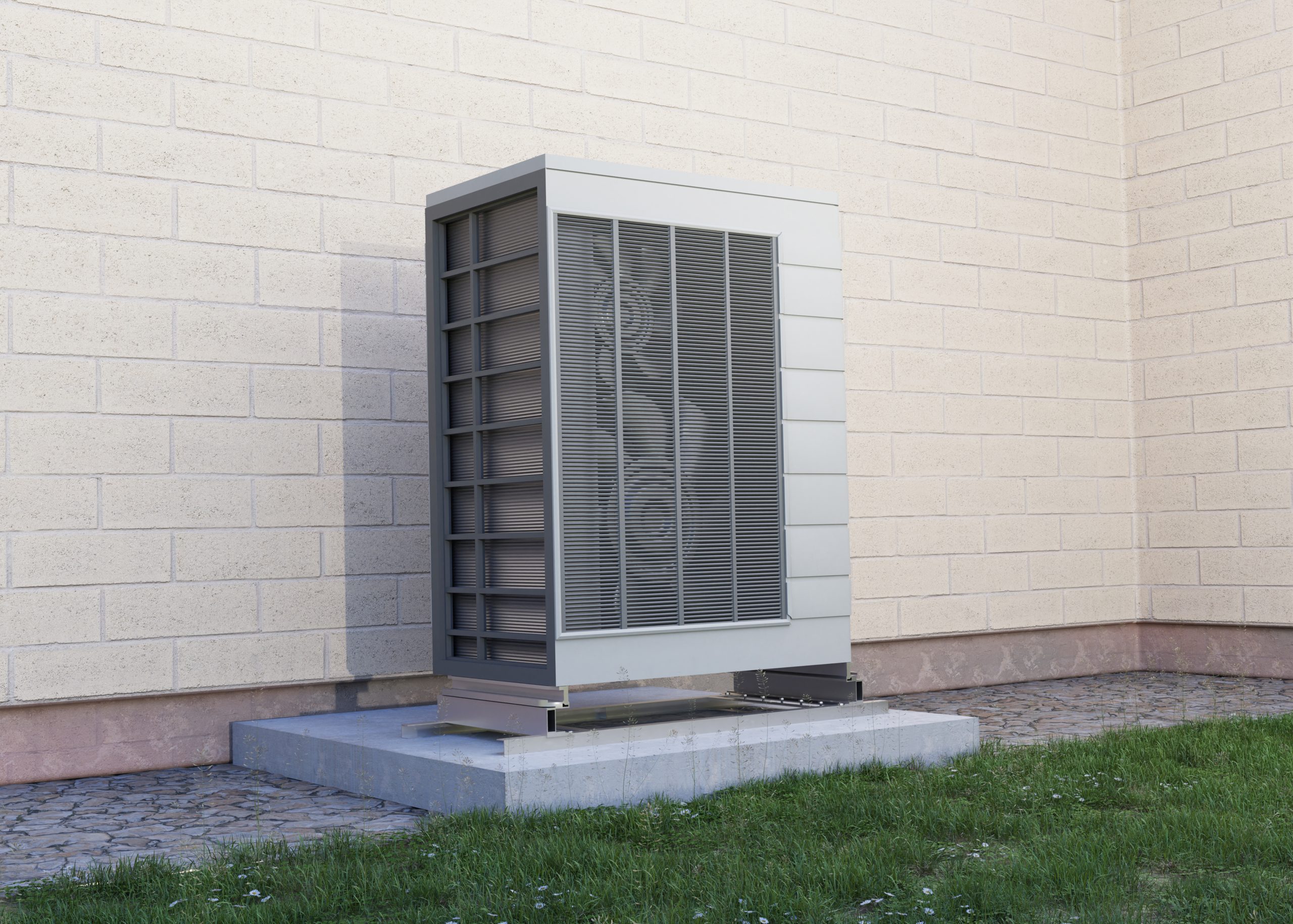
Let’s walk through how to choose the right one without overthinking it or getting talked into something you don’t actually need.
Why Dadeville Homes Need the Right HVAC Setup
Start With Your Home, Not the Equipment
The system has to match the house, not just the square footage written on a spec sheet.
Size Is About More Than Square Footage
Many homeowners assume bigger is better. It’s not. The right system size depends on insulation, ceiling height, window placement, sun exposure, and even how your home was built. A proper load calculation tells the real story.
Older Homes Need Special Attention
Many Dadeville homes weren’t designed with modern HVAC systems in mind. Ductwork, insulation, and airflow often need adjustments. Ignoring those details leads to uneven temperatures and wasted energy.
Understanding Your HVAC System Options
Central Air Systems
Central air is still the most common option and works well for most homes. It’s reliable, familiar, and efficient when sized correctly. Paired with a quality furnace or air handler, it handles Dadeville heat without breaking a sweat.
Heat Pumps
Ductless Mini-Splits
Mini-splits are great for additions, older homes, or rooms that never seem comfortable. They offer zone control and high efficiency. They’re not always the answer for the whole house, but they solve specific problems beautifully.
Efficiency Ratings That Actually Matter
SEER ratings get a lot of attention, but higher isn’t always better if the system isn’t installed properly. A mid-range efficient system installed correctly often outperforms a high-SEER system installed poorly. Balance matters more than bragging rights.
Don’t Ignore Humidity Control
Cooling the air is only half the job in Dadeville. Humidity makes homes feel sticky and uncomfortable even when temperatures are low. The right HVAC system removes moisture steadily instead of blasting cold air in short bursts.
This is where experience matters. A seasoned HVAC contractor knows how to design systems that feel comfortable, not just cold.
Budgeting Without Regret
Upfront Cost vs Long-Term Cost
The cheapest upfront usually costs the most over time. Higher-quality systems last longer, break down less, and cost less to operate. Think of it as buying comfort insurance.
Rebates and Energy Savings
Some systems qualify for energy rebates or utility incentives. A professional contractor helps you understand what applies and what’s just marketing noise.
Installation Matters More Than the Brand
You can buy the best equipment on the market, but if it’s installed incorrectly, it won’t perform. Proper airflow, sealed ducts, correct refrigerant charge, and calibrated controls make all the difference.
This is why homeowners working with Chad’s AC Direct appreciate the process. Every detail is discussed upfront, estimates are written clearly, parts are itemized, and the job is finished without leaving a mess behind.
Maintenance Is Part of the Decision
A system is only as good as the care it receives. Choosing equipment that’s easy to maintain saves headaches later. Regular tune-ups keep efficiency high and catch problems early.
Signs You’re Ready for a New System
- Your system is over 15 years old
- Repairs are becoming frequent
- Energy bills keep climbing
- Rooms heat and cool unevenly
- The system struggles on hot days
If this list feels familiar, it’s time to talk options instead of waiting for a breakdown.
Why Homeowners Choose Chad’s AC Direct
Your Partner in Choosing the Perfect HVAC System
Choosing the right HVAC system for your Dadeville home doesn’t have to feel overwhelming. With the right guidance, it becomes a smart investment in comfort, efficiency, and peace of mind. Call Chad’s AC Direct at 334-264-6464 and schedule your appointment today.
Frequently Asked Questions
1. What type of HVAC system works best in Dadeville?
2. How do I know what size HVAC system I need?
3. Are heat pumps good for Alabama weather?
Heat pumps are actually a great fit for Alabama because they’re designed to work efficiently in moderate winter temperatures. Instead of generating heat, they move it, which uses less energy overall. In the summer, they cool just as effectively as traditional systems. As long as the system is sized and installed correctly, performance is very reliable.
4. Is a higher SEER rating always better?
A higher SEER rating sounds great on paper, but it doesn’t automatically mean better comfort or savings. If the system isn’t installed correctly, even the highest-rated unit won’t perform the way it should. In many homes, a mid-range efficiency system installed properly will outperform a high-SEER unit installed poorly. Real-world results matter more than marketing numbers.
5. How long does a new HVAC system last?
6. Should I replace the ductwork with a new system?
Not automatically, but it definitely needs to be looked at before installing new equipment. Old ductwork can leak air, collapse in places, or restrict airflow without you realizing it. Sometimes sealing or repairing sections is enough, and other times replacement makes sense. A good inspection helps you avoid wasting money either way.
7. How important is humidity control in Dadeville?
Humidity control is huge here, and it’s one of the biggest comfort issues homeowners deal with. Even when the temperature feels okay, high humidity makes the house feel sticky and uncomfortable. A properly sized system runs long enough to remove moisture instead of short-cycling. When humidity is under control, the whole house feels better.
8. Can a new HVAC system lower my energy bills?
9. Is it better to replace my system before it breaks?
Planning a replacement is almost always better than being forced into one. When a system breaks unexpectedly, you’re making decisions under stress and time pressure. Replacing ahead of time gives you options, better pricing, and more control. It also means your comfort isn’t interrupted.
10. How do I choose the right HVAC contractor?
You want someone who takes the time to explain things instead of rushing you. Clear pricing, written estimates, and honest answers matter more than flashy promises. A good contractor listens first, then recommends solutions that actually fit your home. Trust usually shows up in how transparent the process feels.